Advanced Liquid Package Solution
Any question?
Get in touch


Orange juice production in a factory typically starts with fruit inspection, washing, sorting, and preparation before the oranges enter the extraction system. The juice then goes through processes such as filtration, deaeration, pasteurization, and, for concentrated products, water removal.
The exact process depends on the final product. NFC orange juice follows a different route from concentrated orange juice, while orange drinks may require additional blending before heat treatment and filling. These differences also affect the equipment used on the juice production line.
This article explains the main types of orange juice made in factories, the production process from fruit to finished product, the equipment required, and the key quality factors to control during processing, filling, and storage.
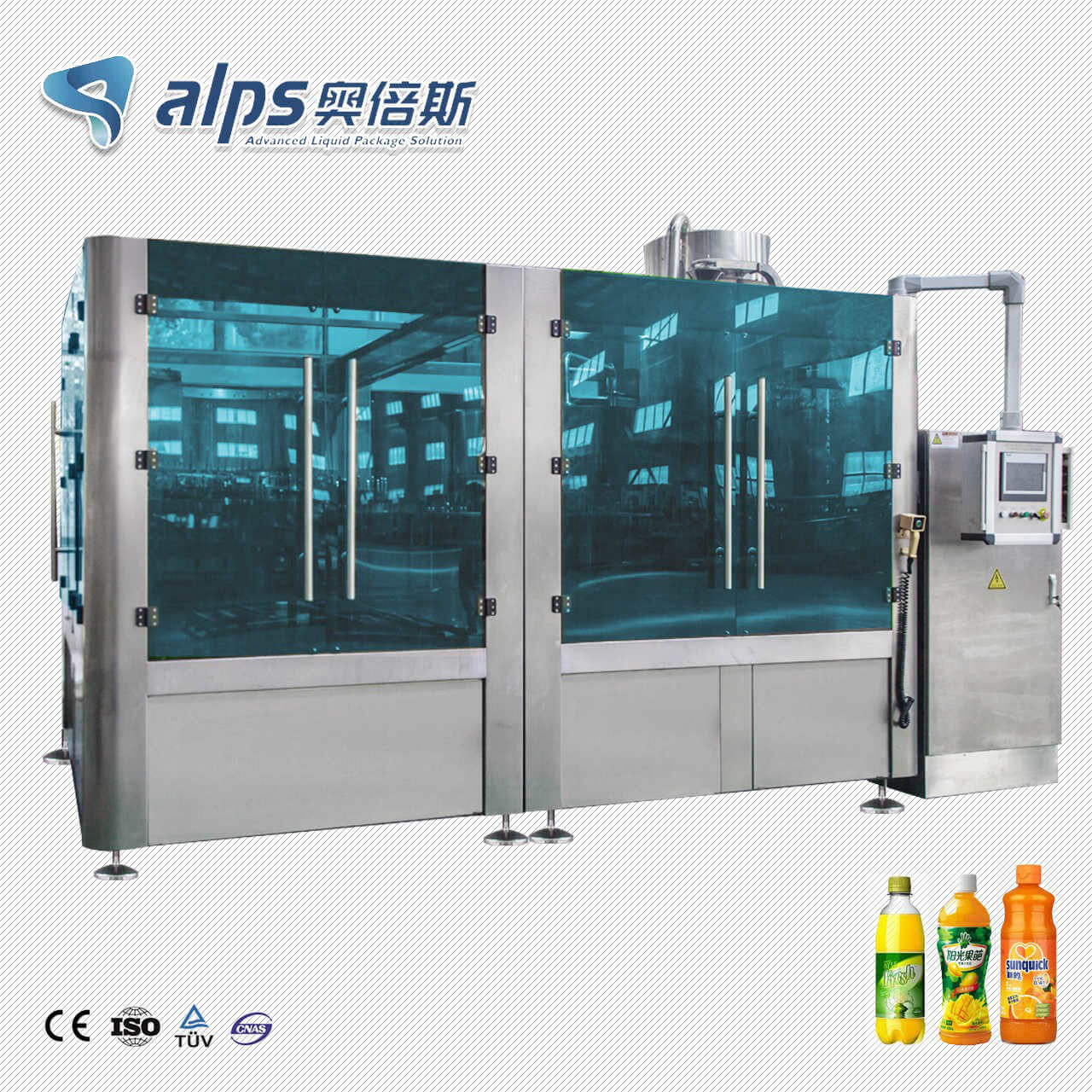
Factories produce different orange juice products depending on how the juice is processed and sold. The main types include:
Type | Key Feature | Main Route |
NFC Orange Juice | Juice is not concentrated | Extraction→Processing→Pasteurization→Filling |
Concentrated Orange Juice | Water is partly removed | Extraction→Concentration→Storage |
Orange Drink | Juice or concentrate is blended | Blending→Heat Treatment→Filling |
Cloudy Orange Juice | Contains pulp and suspended solids | Extraction→Homogenization→Pasteurization |
Product Differences
The biggest difference is whether the juice is concentrated and how much pulp it retains. NFC juice keeps its original juice form, while concentrated juice is processed to reduce water content before storage or later reconstitution.
Orange drinks may include additional ingredients, so their production requires a blending stage. Cloudy juice follows a process that helps maintain a consistent distribution of pulp and suspended solids.
The final product determines the processing route, equipment configuration, and filling requirements.
Orange juice production follows a continuous process from fruit preparation to final packaging. The main steps are:
Fruit Preparation
Oranges are:
Inspected and sorted
Washed and sanitized
Prepared for extraction
Juice Extraction
Specialized citrus extractors separate juice from the fruit while controlling peel, seeds, and excess pulp. Peel oil can also be recovered during this stage.
Juice Processing
The extracted juice may go through:
Filtration or pulping
Degassing to reduce oxygen exposure
Homogenization for consistent pulp distribution
Heat Treatment
Pasteurization helps control microorganisms and extend shelf life. Concentrated juice also passes through a concentration stage to remove part of its water content.
Filling and Packing
The processed juice is filled into bottles or other containers, then capped, labeled, and packed. Storage conditions depend on the product and packaging method.
The exact sequence varies according to the juice type, required shelf life, production capacity, and juice filling equipment.
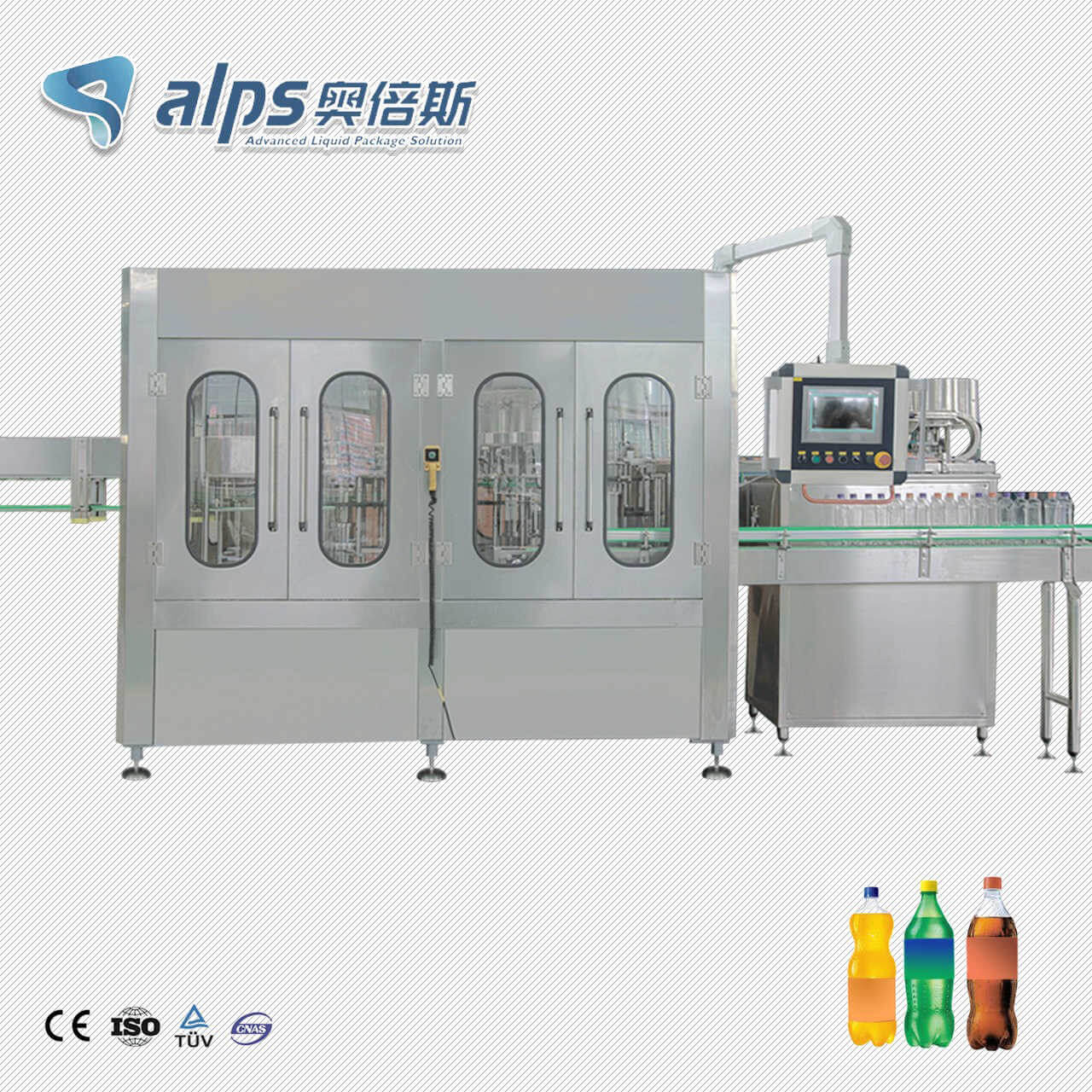
An orange juice processing line combines processing, filling, and packaging equipment. The exact configuration depends on the juice type, capacity, bottle format, and required processing method.
Stage | Main Machine |
Water treatment | Water treatment system |
Fruit preparation | Washing and sorting equipment |
Oil extraction | Citrus oil extraction equipment |
Juice extraction | Orange juice extractor |
Juice processing | Filter, deaerator, homogenizer |
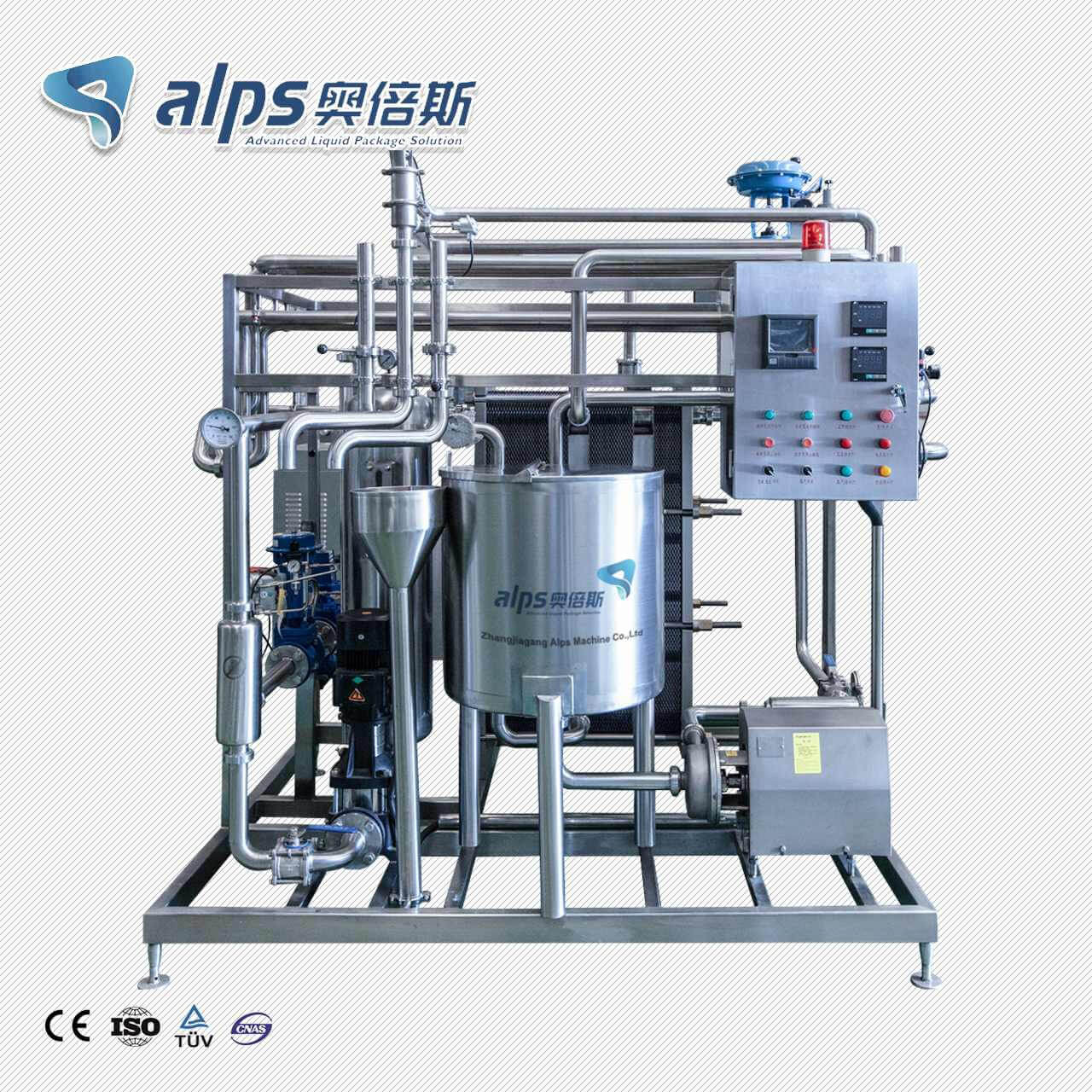
Heat treatment | Pasteurizer or UHT system |
Concentration | Juice concentration system |
Filling | |
Capping | Capping machine |
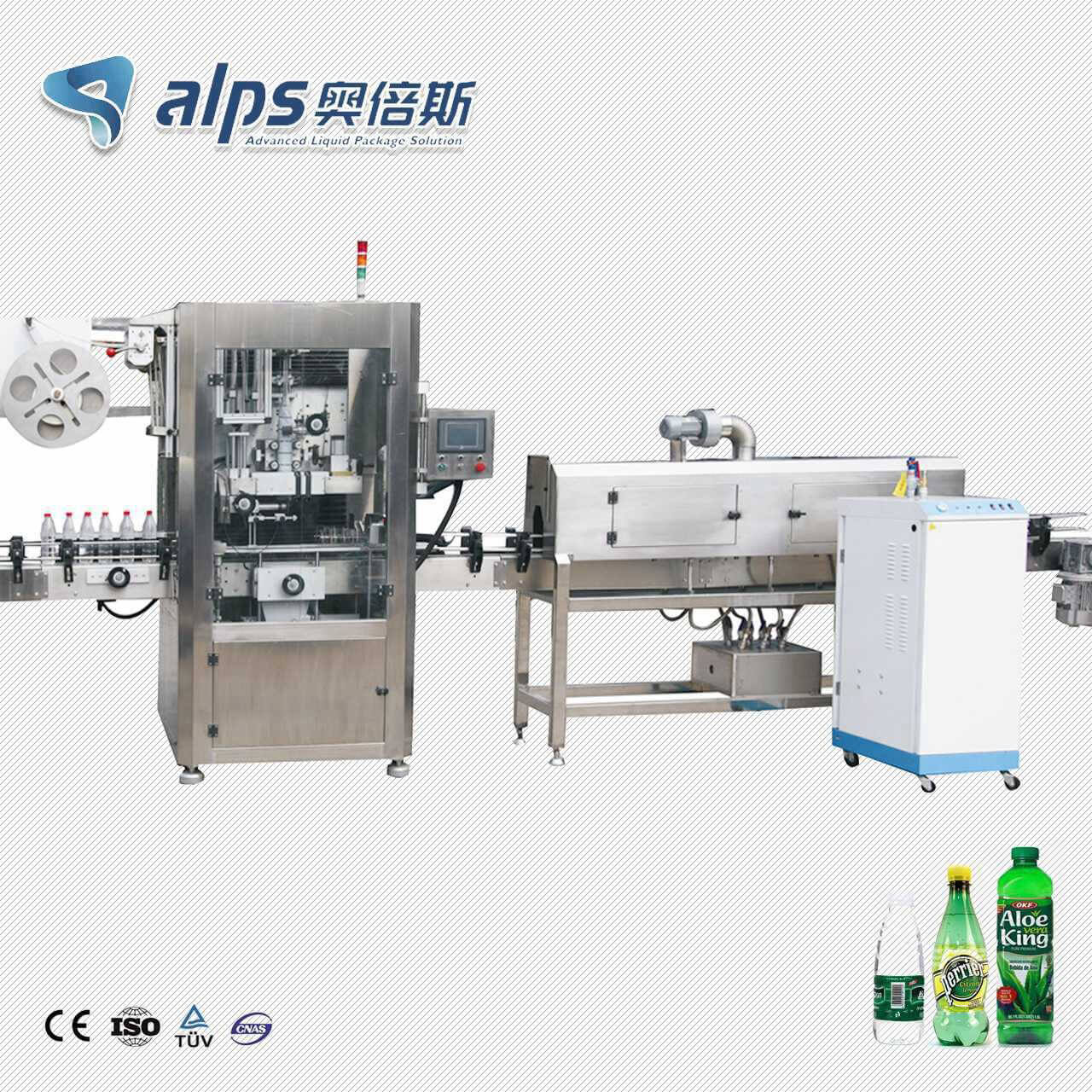
Labeling | Labeling machine |
Packaging | Packing machine |
Bottle production | PET bottle blowing machine |
Not every line needs all of these machines. For example, a concentrated juice line requires concentration equipment, while the bottle production section can be omitted when empty containers are purchased from an external supplier. The equipment should therefore be selected according to the final product and production requirements.
Orange juice quality depends on conditions from fruit selection through packaging. Several factors need consistent control throughout production.
Raw Fruit
The starting material affects flavor, yield, and juice composition. Key factors include:
Fruit maturity
Sugar-acid balance
Fruit condition
Cleanliness
Processing
Processing conditions influence taste, appearance, stability, and shelf life. Control should focus on:
Juice yield and pulp level
Peel oil and bitter compounds
Oxygen exposure
Filtration and homogenization
Brix and acidity
Packaging
The final product must remain stable after processing. Important considerations include:
Filling hygiene
Container sealing
Suitable packaging materials
Storage temperature
These factors are closely connected. Changes in raw fruit can affect processing performance, while poor heat treatment or packaging can reduce the stability achieved earlier. A well-controlled production system keeps product characteristics consistent from batch to batch.
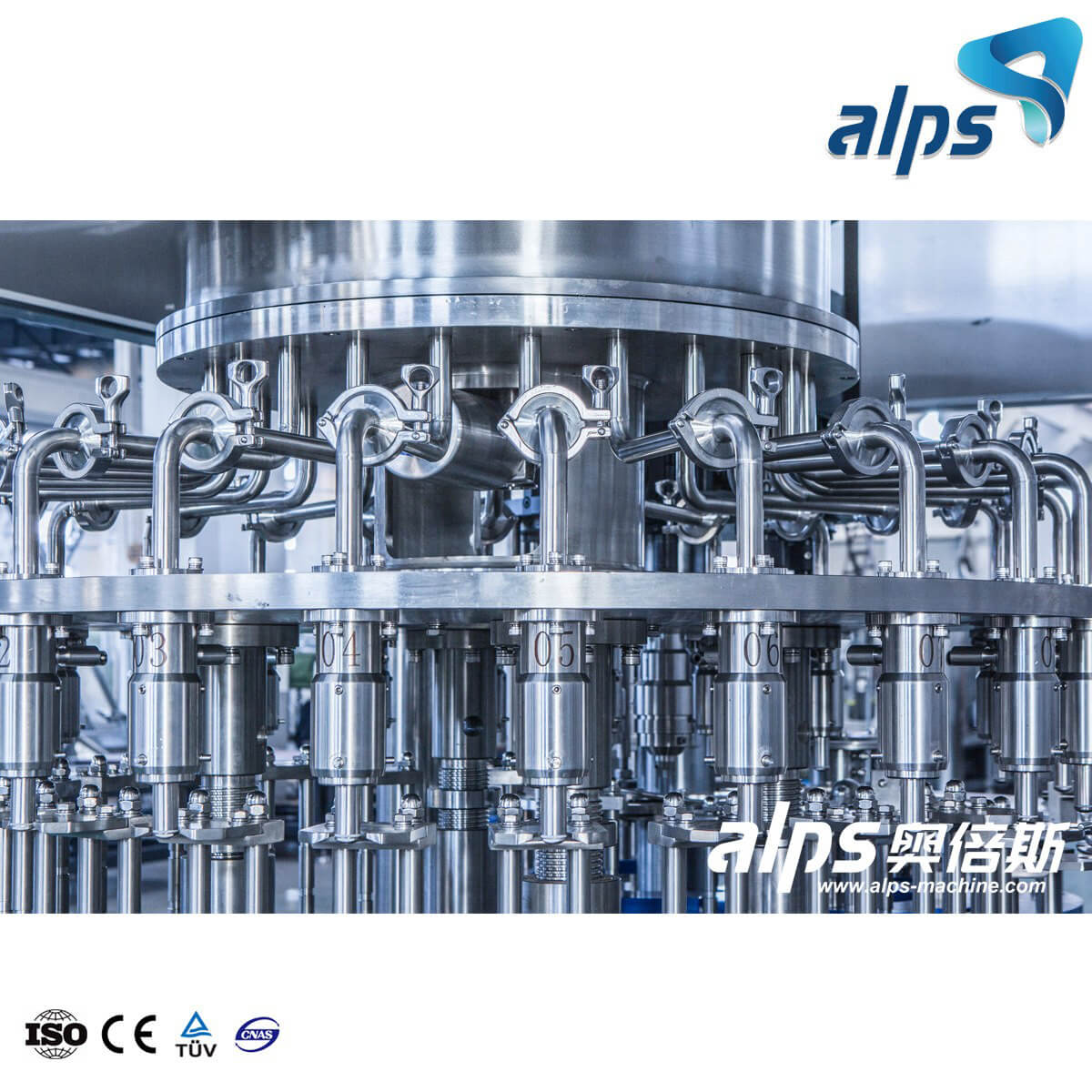
Orange juice production involves several connected stages, from fruit preparation and juice extraction to filtration, heat treatment, filling, and packaging. The process varies according to the final product, such as NFC juice, concentrated juice, orange drinks, or cloudy juice. Raw fruit condition, processing parameters, and packaging also affect the consistency, stability, and quality of the finished product. Selecting suitable equipment for each stage is therefore essential for building an efficient production line.
Alps Machine provides beverage filling and packing machinery for juice production, along with related equipment and turnkey project support. If you are planning an orange juice production line, contact Alps Machine to discuss your product, capacity, bottle type, and packaging requirements.



By continuing to use the site you agree to our privacy policy Terms and Conditions.