Advanced Liquid Package Solution
Any question?
Get in touch


A semi-automatic liquid filling machine can handle much more than water. It is commonly used for products such as juice, oil, sauces, shampoo, detergents, and other liquids that require consistent filling volumes without a fully automated production line.
However, not every liquid can be filled with the same machine configuration. Viscosity, particles, foaming, temperature, chemical properties, container type, and filling volume can all affect the choice of pump, nozzle, and filling method.
This article explains what semi-automatic liquid filling machines can fill, covering different liquid and paste types and their industry applications. It also outlines the key factors to consider when selecting a filler and explains when a semi-automatic solution is sufficient compared with a fully automatic system.
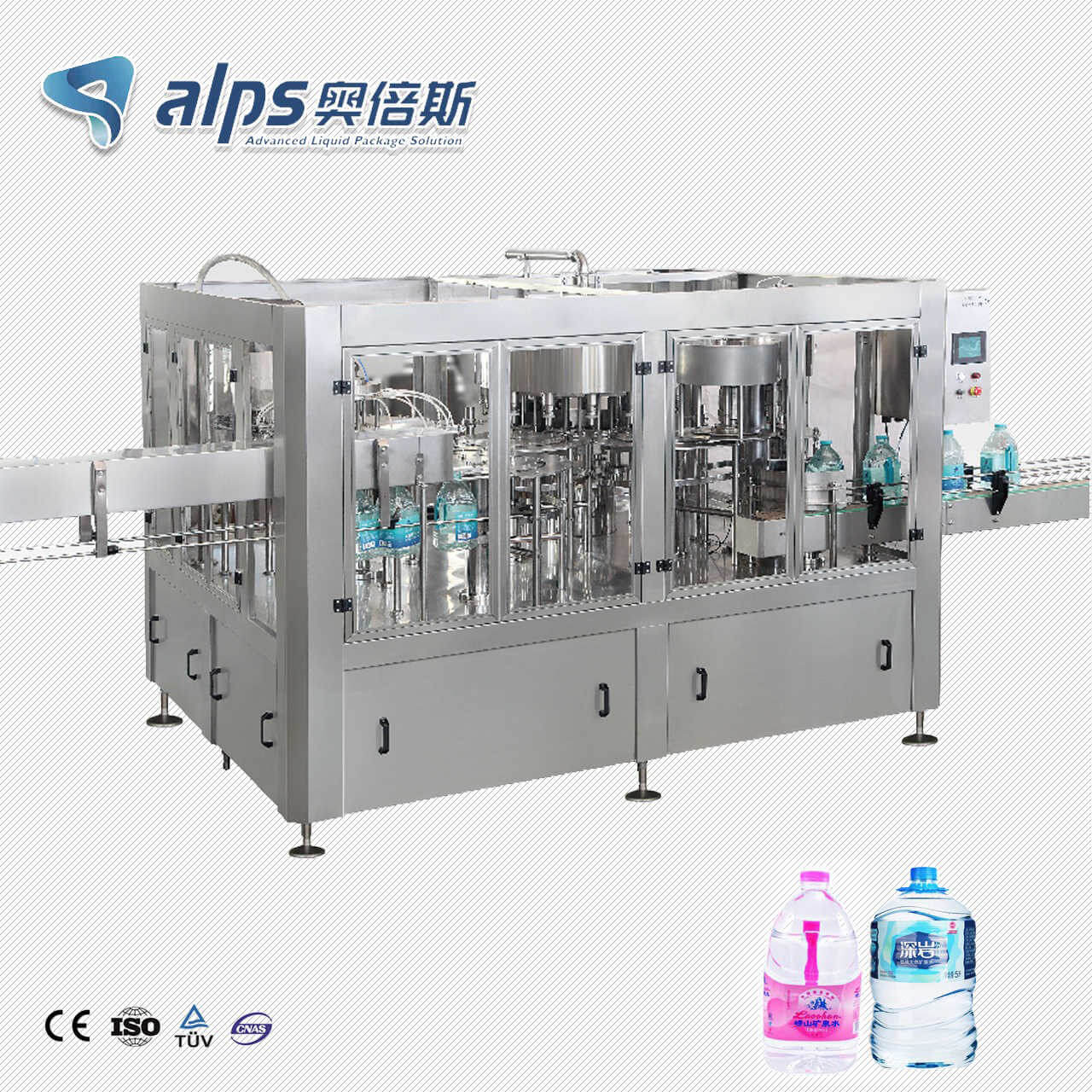
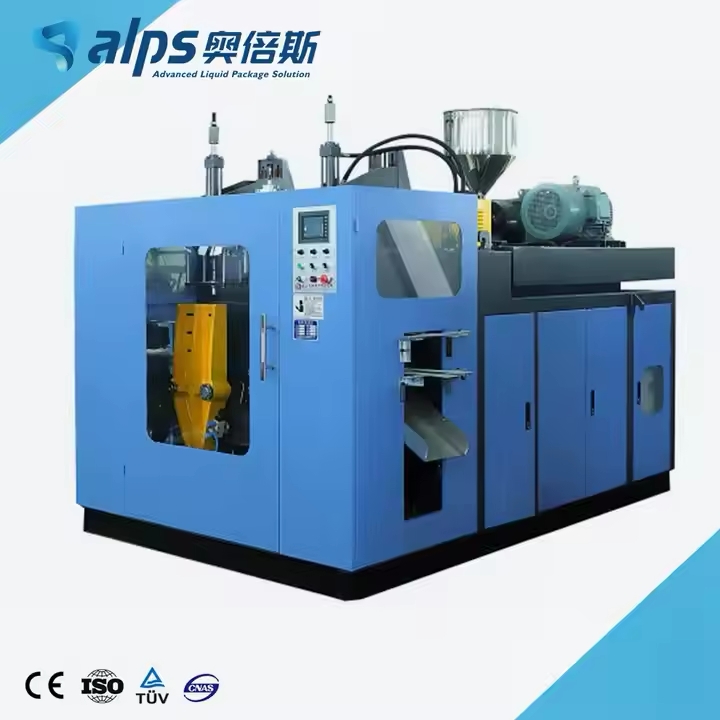
A semi-automatic liquid filling system can handle a wide range of products, but the filling system must match the product's physical properties. Common applications include:
Product Type | Examples | Main Consideration |
Thin liquids | Water, juice, tea, milk, vinegar | Flow rate and foaming |
Medium liquids | Oil, syrup, shampoo, lotion | Viscosity and pump type |
Thick products | Honey, jam, sauces, creams | Pump power and nozzle size |
Particle products | Pulp juice, chunky sauces, fruit jam | Particle size and valve passage |
Foamy liquids | Detergents, milk, cosmetics | Filling speed and nozzle position |
Corrosive liquids | Disinfectants, fertilizers, chemicals | Contact materials and seals |
Carbonated drinks | Soda, sparkling beverages | Pressure filling system |
The product name alone is not enough to select a filler. Viscosity, particles, foaming behavior, chemical compatibility, and carbonation can determine whether a standard semi-automatic system is suitable or requires a specialized configuration.
Low-viscosity products such as water, juice, tea, milk, vinegar, and cleaning liquids usually flow easily. Filling speed, volume accuracy, and foam control are the main considerations.
Products such as cooking oil, syrup, shampoo, lotion, and liquid soap require a filling system matched to their viscosity. Pump selection can affect both speed and consistency.
Honey, jam, sauces, creams, and gels need stronger filling systems and suitable nozzle sizes. Piston or other positive-displacement methods can help maintain consistent volumes.
Some products require additional attention:
Particles: Pulp, fruit pieces, or sauce particles require suitable valve and nozzle passages.
Foam: Detergents and some cosmetics need controlled filling speed and nozzle positioning.
Corrosive liquids: Chemicals require compatible contact materials and seals.
Carbonated drinks: These generally need pressure-based filling equipment rather than a standard filler.
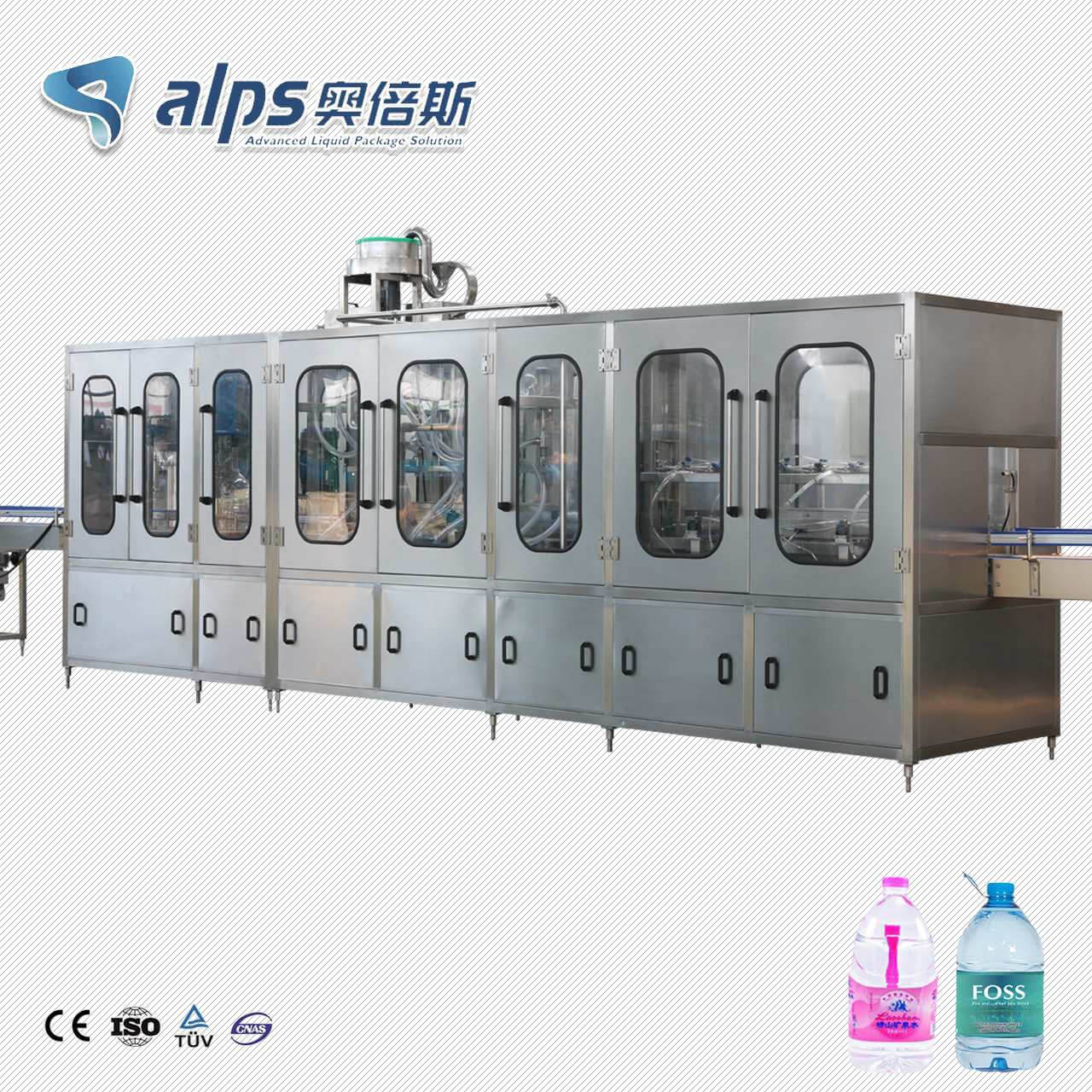
Semi-automatic liquid filling lines are widely used where production needs flexibility, consistent filling, and manageable equipment investment. They are especially useful for small to medium production runs and products with multiple container sizes.
Food and Beverage
Common applications include:
Water, juice, tea, and milk
Cooking oil, sauces, and syrup
Jam and other liquid or semi-liquid foods
Cosmetics
They can fill shampoo, shower gel, lotion, liquid soap, creams, and similar personal care products. They are useful when manufacturers handle different viscosities or frequent product changes.
Chemicals
Detergents, disinfectants, cleaning agents, lubricants, and fertilizers can also be filled with suitable configurations. Material compatibility and operator safety are important considerations.
Specialty Products
Small-batch pharmaceutical liquids, specialty oils, and other formulated products may use semi-automatic filling systems when production flexibility is more important than high-speed automation.
The right filler should be selected according to the product and actual production conditions. Before comparing machines, identify the following characteristics:
Product or Production Factor | What to Check |
Viscosity | Pump type and filling method |
Particles | Particle size and valve passage |
Foaming | Filling speed and nozzle position |
Corrosiveness | Contact materials and seals |
Temperature | Suitable filling temperature |
Container | Size, shape, and opening |
Fill volume | Required filling range |
Production | Target output and operator needs |
Hygiene | Cleaning requirements and sanitary design |
These details help narrow down suitable machine configurations and avoid choosing equipment based only on the product name. For unusual liquids, thick pastes, or products with particles, testing the actual product before purchase can also help confirm filling performance.
A semi-automatic filler can be enough when production does not require continuous high-speed automation. It is particularly practical for small or medium production runs, multiple products, and frequent changes between container sizes or filling volumes.
It is often suitable for:
Startups: Lower equipment investment and simpler operation.
Small batches: Flexible production without a fully automated line.
Multiple SKUs: Easier product and container changes.
Specialty products: Useful for liquids or pastes with different filling requirements.
A fully automatic filling system becomes more suitable when production volume is high, products and containers are standardized, and continuous operation is required. It can also reduce operator involvement by integrating filling with capping, labeling, and packaging.
The key is to match automation level with actual production needs. Choosing more automation than necessary can increase investment without providing enough practical benefit.
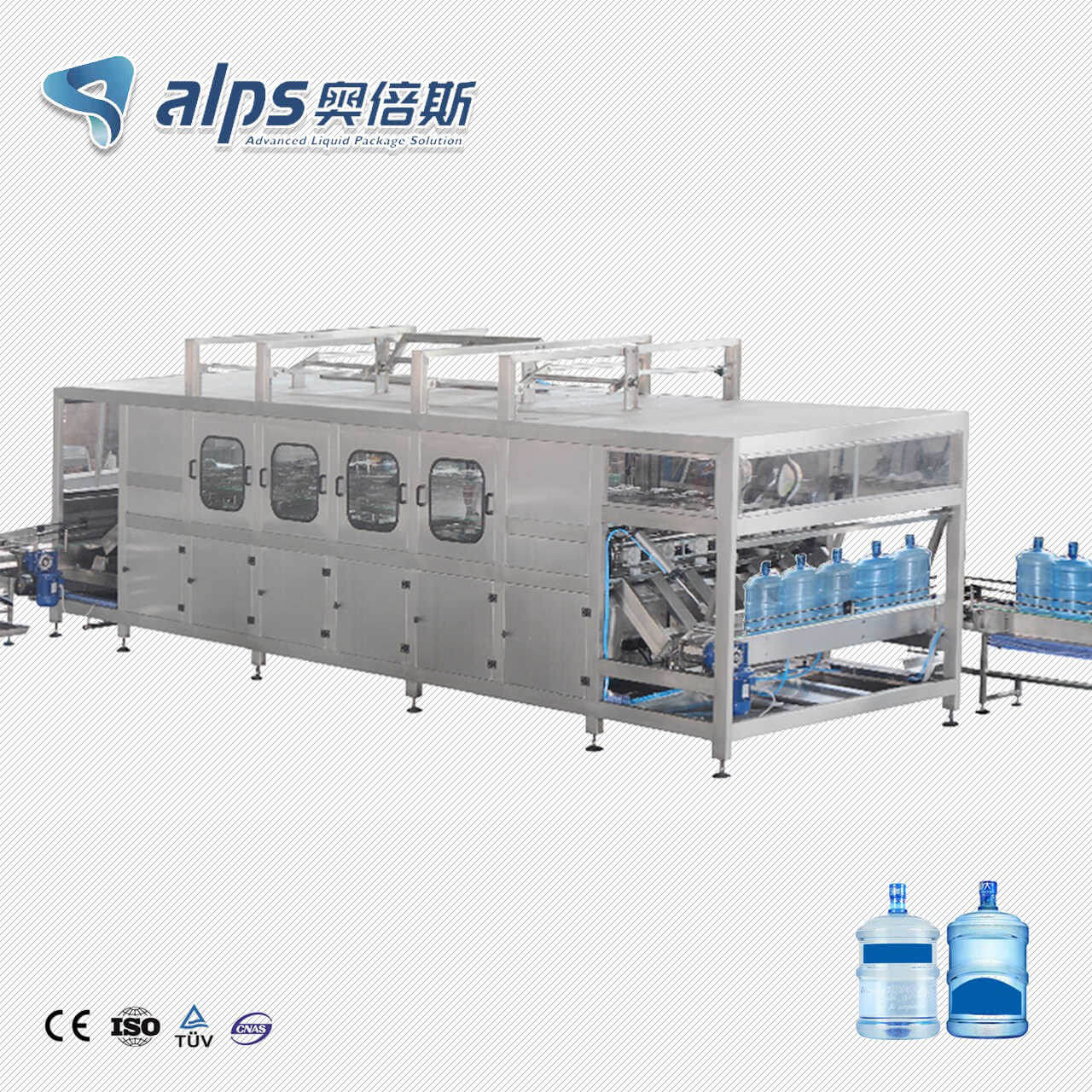
A semi-automatic liquid filling machine can handle many products, from thin liquids and oils to thick pastes, particle-containing products, and some specialty liquids. However, the right configuration depends on viscosity, foaming, particles, temperature, chemical properties, container type, and production requirements. Choosing the filler based on these factors helps ensure consistent filling and practical operation.
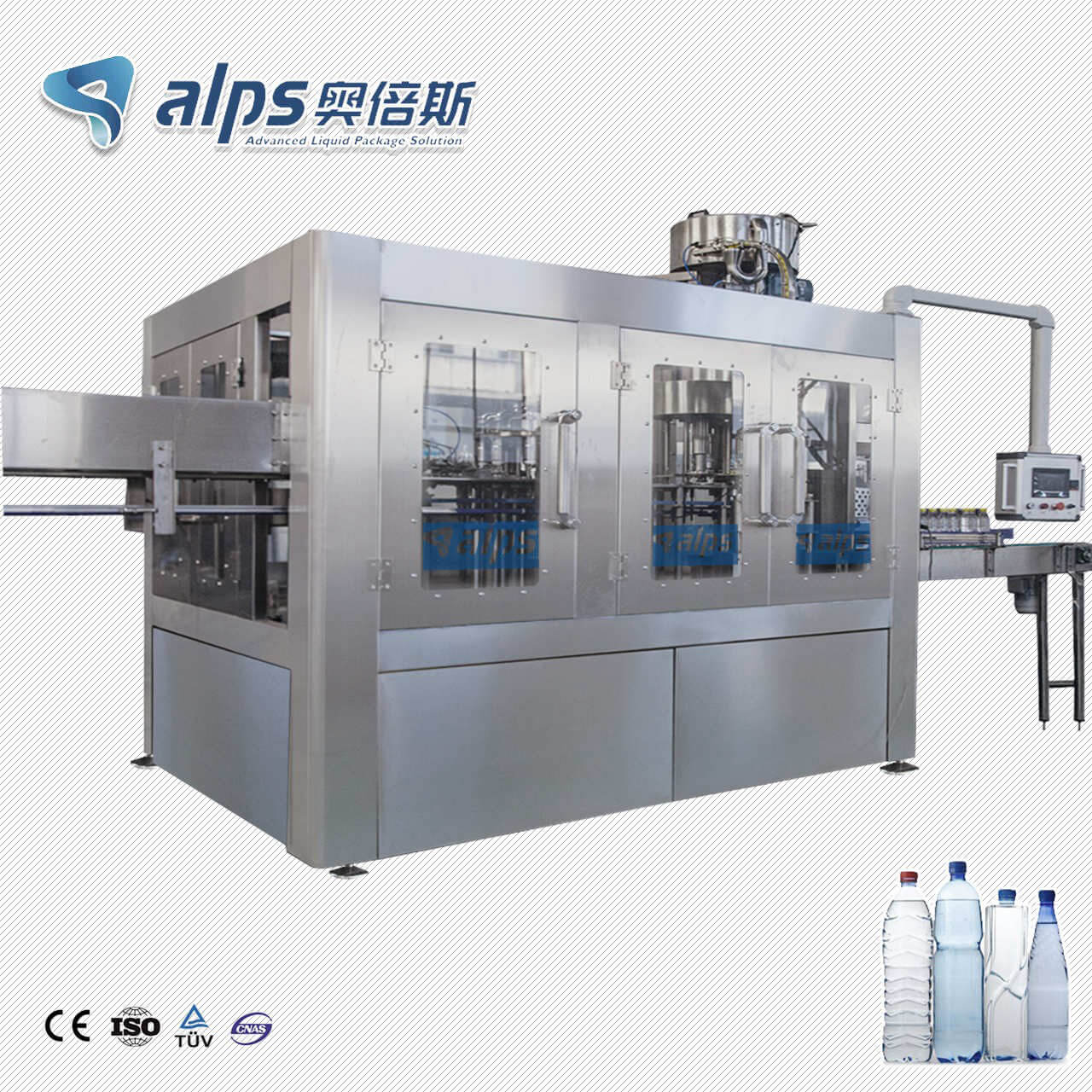
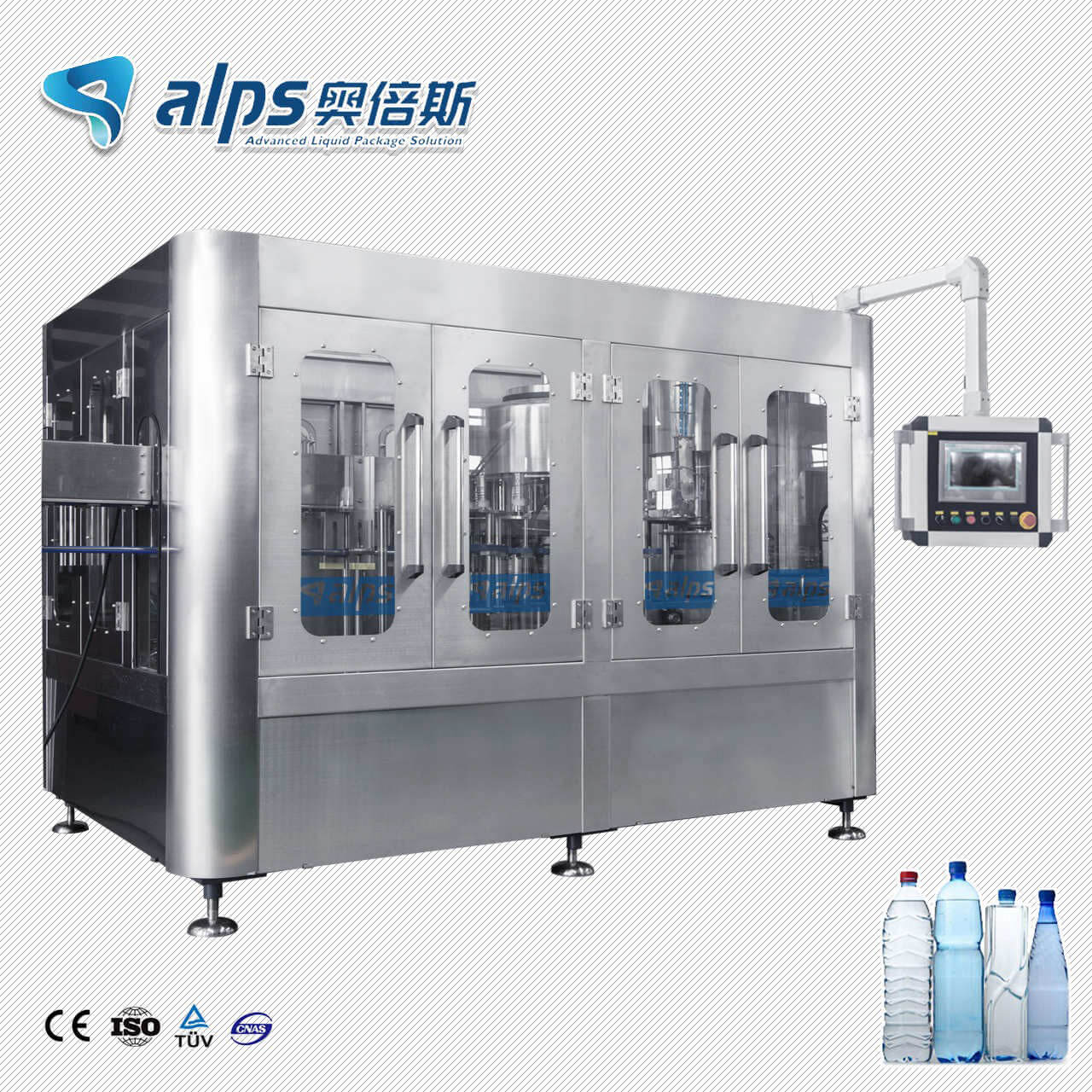
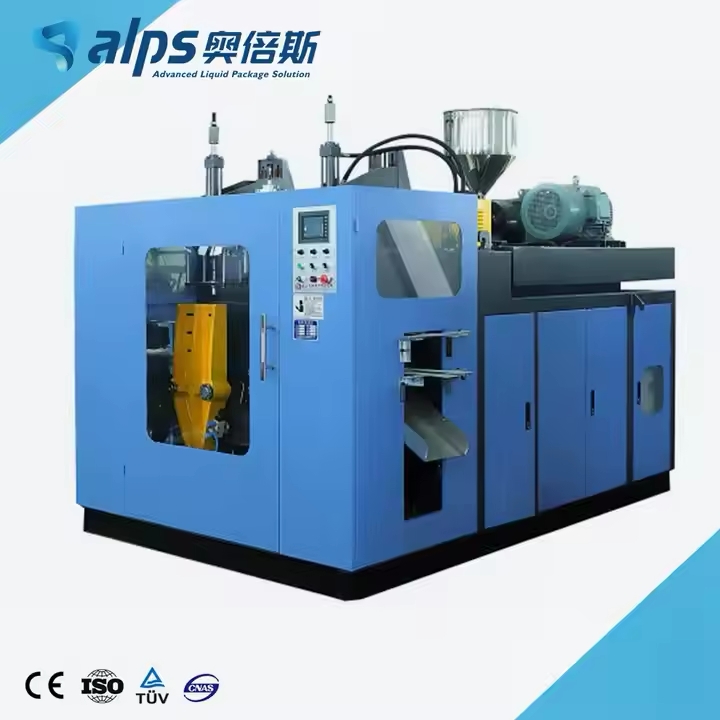
Alps Machine provides beverage filling and packing equipment for different production needs, from individual machines to complete production solutions. With experience in equipment design and turnkey plant planning, the team can help match filling equipment with product and production requirements. Contact Alps Machine to discuss your liquid filling project.


By continuing to use the site you agree to our privacy policy Terms and Conditions.