Advanced Liquid Package Solution
Any question?
Get in touch


In modern beverage production, achieving consistent quality and high efficiency depends heavily on how well your equipment is configured. Among all machines in a production line, the juice drink filling machine plays a critical role. When it is in perfect adjustment, it ensures precise filling, minimizes waste, and maintains product integrity.
But what exactly does “perfect adjustment” mean? It refers to a state where all mechanical, pneumatic, and control parameters are finely tuned to deliver stable, accurate, and efficient operation under real production conditions. In this article, we will explore how to identify, achieve, and maintain a juice drink filling machine in perfect adjustment.
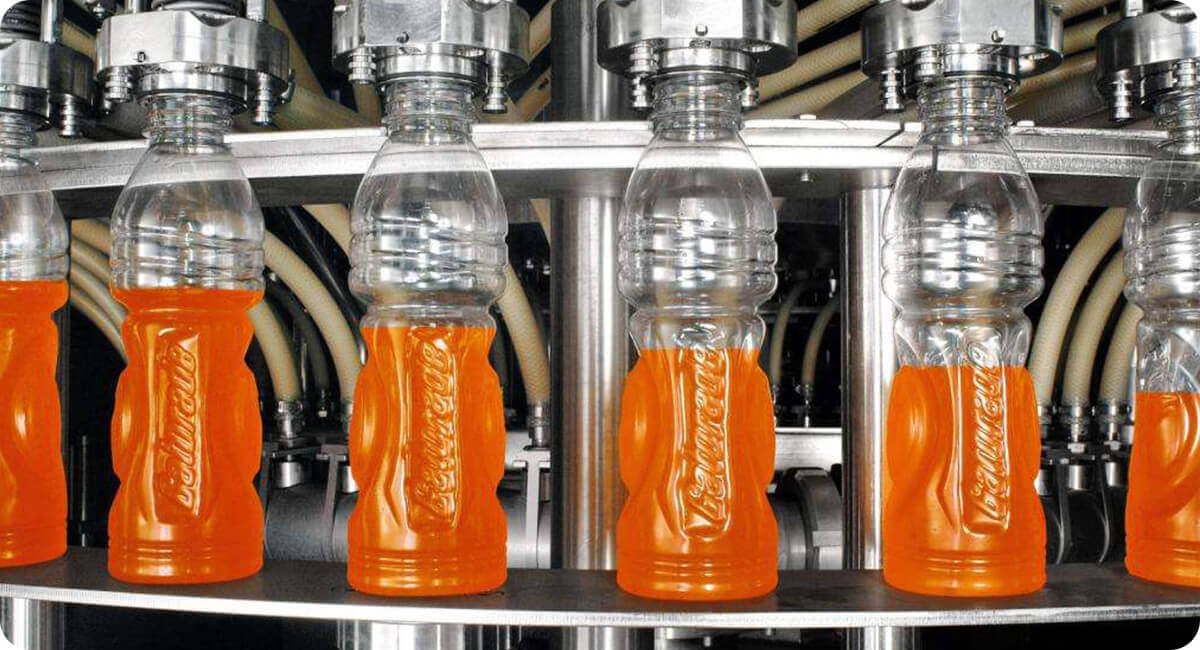
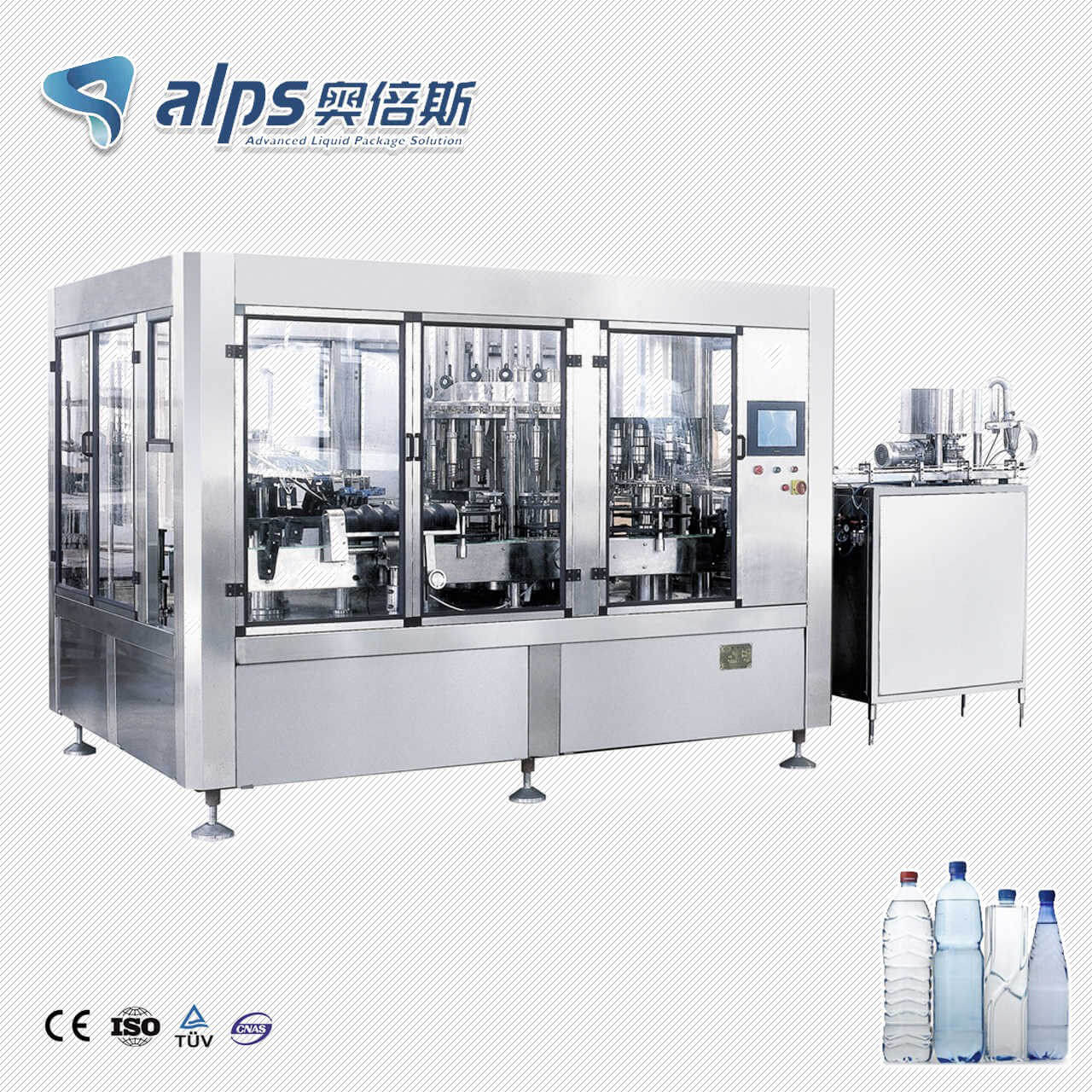
A juice drink filling machine is specialized equipment designed to fill liquid beverages—such as fruit juices, flavored drinks, and functional beverages—into bottles or containers. These machines are commonly used in industries ranging from small beverage startups to large-scale industrial bottling plants.
The machine typically operates through a sequence of steps:
Bottles are fed into the system via a conveyor
Filling valves dispense a precise amount of liquid into each bottle
The filled bottles move forward for capping and packaging
Key Components
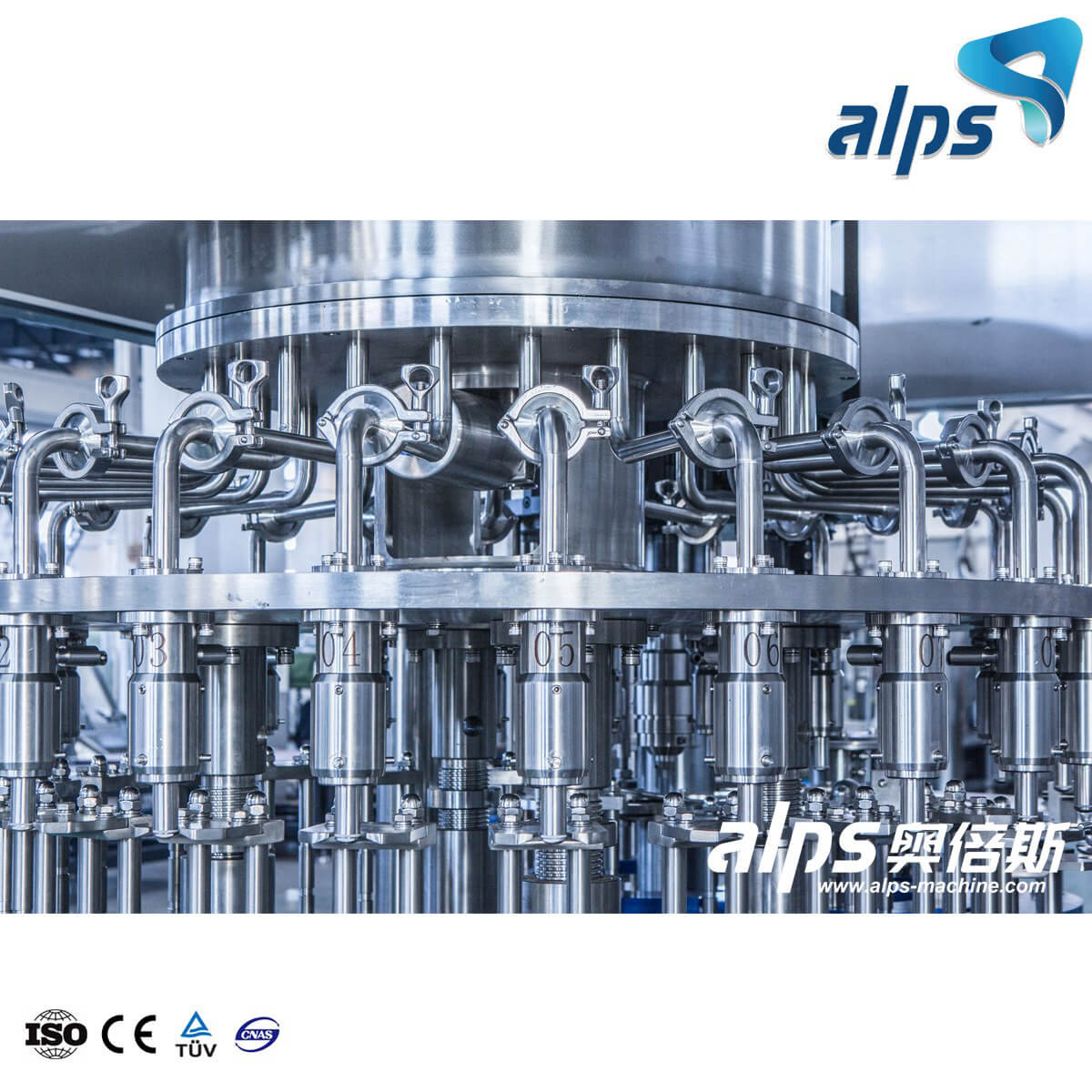
Filling valves: Control the flow and volume of juice
Pumps and pipelines: Transport liquid from storage tanks to the filling system
PLC control system: Manages timing, speed, and synchronization
Conveyor system: Moves bottles through each stage
Each of these components must work in harmony to achieve perfect adjustment.
How can you tell if your juice filling machine is properly adjusted? There are several clear indicators.
Each bottle should contain the exact specified volume with minimal deviation. Overfilling leads to product waste, while underfilling can result in customer dissatisfaction and compliance issues.
The machine should operate at a consistent speed without fluctuations. A stable flow rate ensures uniform filling across all bottles.
A well-adjusted machine prevents:
Dripping after filling
Leakage from valves
Splashing during operation
These issues not only waste product but also create hygiene concerns.
Juice beverages, especially those with pulp or additives, can generate foam. Perfect adjustment minimizes foam formation during filling.
Bottles should be properly positioned under the filling nozzles. Misalignment can cause spillage and inconsistent filling.
All components should operate smoothly and synchronously, without abnormal noise, vibration, or interruptions.
Achieving perfect adjustment requires a combination of calibration, observation, and fine-tuning.
Start by setting the correct fill volume based on product specifications. This involves adjusting:
Valve opening time
Flow control settings
Regular calibration ensures accuracy over time.
The flow rate must match the characteristics of the juice:
Thin liquids require moderate flow
Viscous or pulpy juices require controlled, slower flow
Proper pressure settings prevent splashing and ensure smooth filling.
The filling nozzle should be positioned correctly relative to the bottle:
Too high → splashing and foam
Too low → contamination risk or mechanical interference
Ideally, the nozzle should be just above or slightly inside the bottle opening.
The conveyor speed must be synchronized with the filling system. If the conveyor moves too fast or too slow, it can disrupt the filling process.
Modern machines use PLC systems to control operations. Key parameters include:
Filling time
Delay intervals
Bottle detection timing
Fine-tuning these settings ensures precise coordination between components.

Even with proper setup, operators may encounter issues during production.
Cause:
Incorrect calibration
Fluctuating pressure
Solution:
Recalibrate fill volume
Stabilize pressure and flow rate
Cause:
High filling speed
Incorrect nozzle position
Solution:
Reduce flow rate
Adjust nozzle to fill from the bottom up if possible
Cause:
Worn valves
Excessive pressure
Solution:
Replace or repair valves
Optimize pressure settings
Cause:
Conveyor instability
Improper guide rail settings
Solution:
Adjust guide rails
Ensure consistent bottle spacing
Cause:
Pump issues
Air in the system
Solution:
Check pump performance
Remove air from pipelines
Even a perfectly adjusted machine will lose accuracy without proper maintenance.
Inspect key components such as:
Filling valves
Seals and gaskets
Pipelines
Early detection of wear prevents larger issues.
Juice residues can lead to:
Bacterial growth
Blockages
Regular cleaning ensures hygiene and consistent performance.
Moving parts require proper lubrication to reduce friction and wear. Always use food-grade lubricants.
Recalibrate the machine at regular intervals to maintain accuracy, especially after long production runs.
Parts such as seals and valves degrade over time. Replacing them promptly helps maintain perfect adjustment.
Keeping your juice filling machine in perfect adjustment offers significant advantages.
Improved Product Quality
Consistent fill levels and minimal contamination ensure high-quality products.
Reduced Material Waste
Accurate filling eliminates overfilling and reduces product loss.
Higher Production Efficiency
Smooth and stable operation minimizes downtime and increases output.
Lower Maintenance Costs
Well-adjusted machines experience less wear and require fewer repairs.
Compliance with Standards
Accurate filling and hygienic operation help meet food safety and regulatory requirements.
A juice drink filling machine in perfect adjustment is the foundation of efficient and high-quality beverage production. By ensuring precise calibration, proper alignment, and stable operation, manufacturers can achieve consistent results while minimizing waste and downtime.
However, perfect adjustment is not a one-time task—it requires continuous monitoring, regular maintenance, and skilled operation. By following best practices and addressing issues promptly, you can keep your filling machine performing at its best.
Ultimately, investing time and effort into proper adjustment not only improves productivity but also strengthens your brand’s reputation for quality and reliability in the competitive beverage market.


By continuing to use the site you agree to our privacy policy Terms and Conditions.