Advanced Liquid Package Solution
Any question?
Get in touch


Planning a mineral water plant starts with decisions about the water source, product type, target market, production capacity, and applicable regulations. These factors influence the treatment process, facility design, equipment selection, investment requirements, and production model.
A clear setup process helps connect these decisions and reduces the risk of choosing unsuitable equipment or overlooking important production requirements. Water quality should be evaluated before the treatment system is designed, while filling and packaging equipment should match the planned product formats and output.
This guide outlines the mineral water plant setup process from water source to retail shelf, covering product planning, water testing, regulatory requirements, plant layout, treatment and filling equipment, quality control, branding, distribution, costs, and future expansion.
Before planning equipment or production capacity, define what type of water you will produce and who you will sell it to. These decisions provide the basis for the rest of the plant setup process.
Product definitions vary by country, but common categories include:
Natural mineral water
Packaged drinking water
Purified water
Check local standards before deciding how the water will be processed, labeled, and marketed.
Consider your target customers and preferred package formats, such as:
5 gallon water for offices and homes
Bottled water for hotels and restaurants
Bottle sizes, sales channels, and production volume should match local demand.
Estimate expected demand, competitors, production capacity, initial investment, operating costs, and distribution potential. Comparing these factors can help determine whether the planned mineral water business has a viable market and what scale of plant is appropriate.
Once the product and market are defined, the next step is to confirm whether the available water source can support the planned product and production volume. Water quality and local regulations should be assessed before finalizing the plant design or treatment system.
Common sources include borewells, springs, and municipal water. Testing should cover key parameters such as:
pH, TDS, and hardness
Heavy metals and nitrates
Microbiological parameters
The results determine which water treatment processes may be required and whether the source is suitable for the intended product.
Licensing requirements vary by country, water source, and product category. Depending on the market, requirements may include:
Company and factory registration
Food production approvals
Environmental permits
Product standards such as BIS or FSSAI
Food safety systems such as ISO 22000
Confirm the applicable requirements early to avoid delays during plant construction and production.
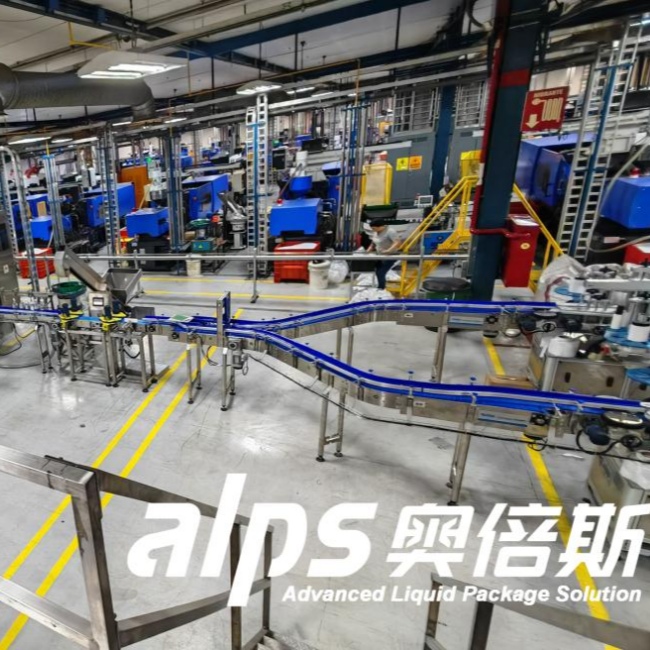
With the water source, product type, and regulatory requirements defined, you can plan the facility and select equipment around the actual production needs. Plant layout, water treatment, and packaging capacity should be considered together.
Choose a location with suitable access to water, power, drainage, transportation, and future expansion. The layout should separate production, storage, laboratory, and personnel flows to support efficient operation.
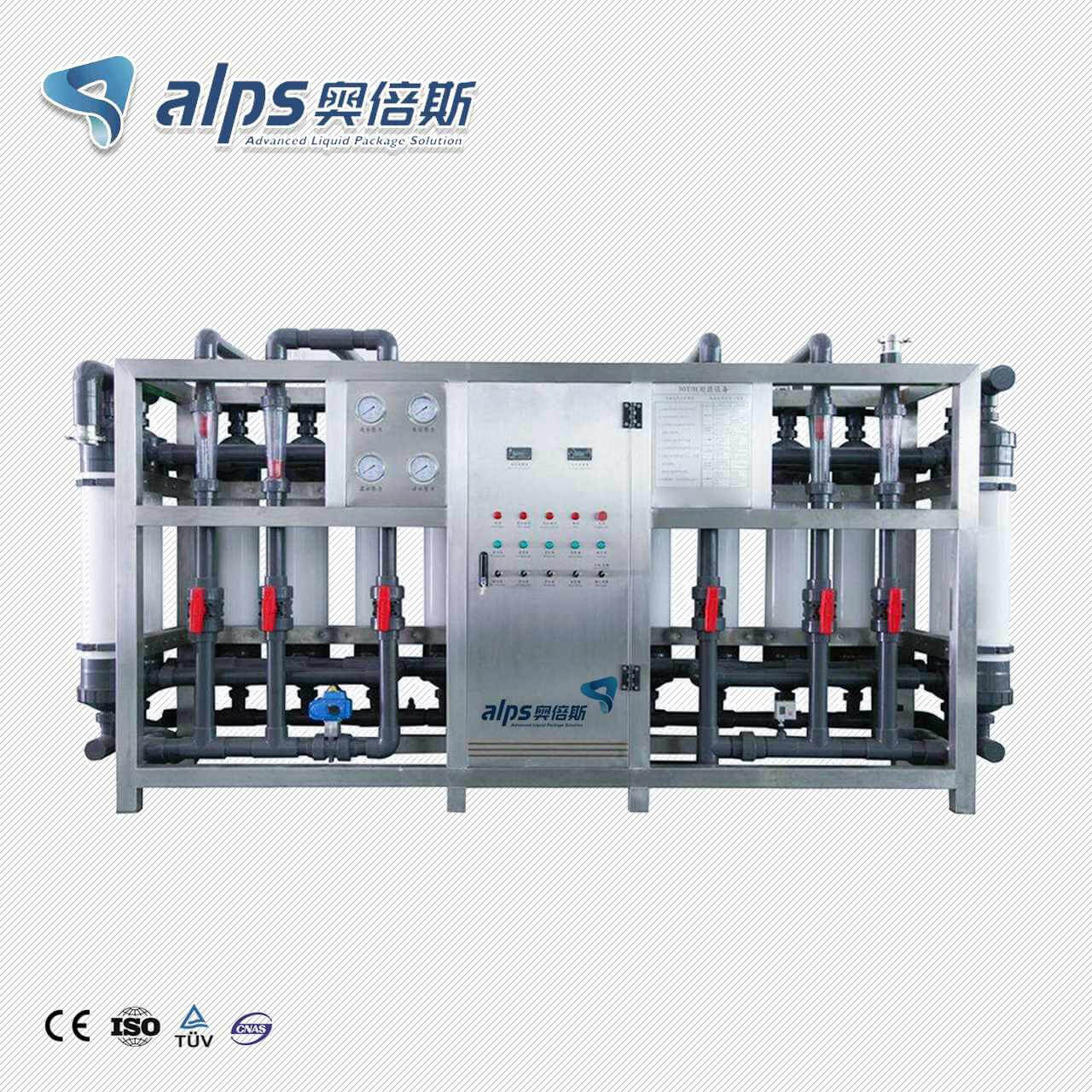
The treatment process should follow the water test results rather than a fixed equipment package. A typical process may include:
Sand filter
Carbon filter
Softener if required
RO or UF if required
UV or ozone
Treated water tank
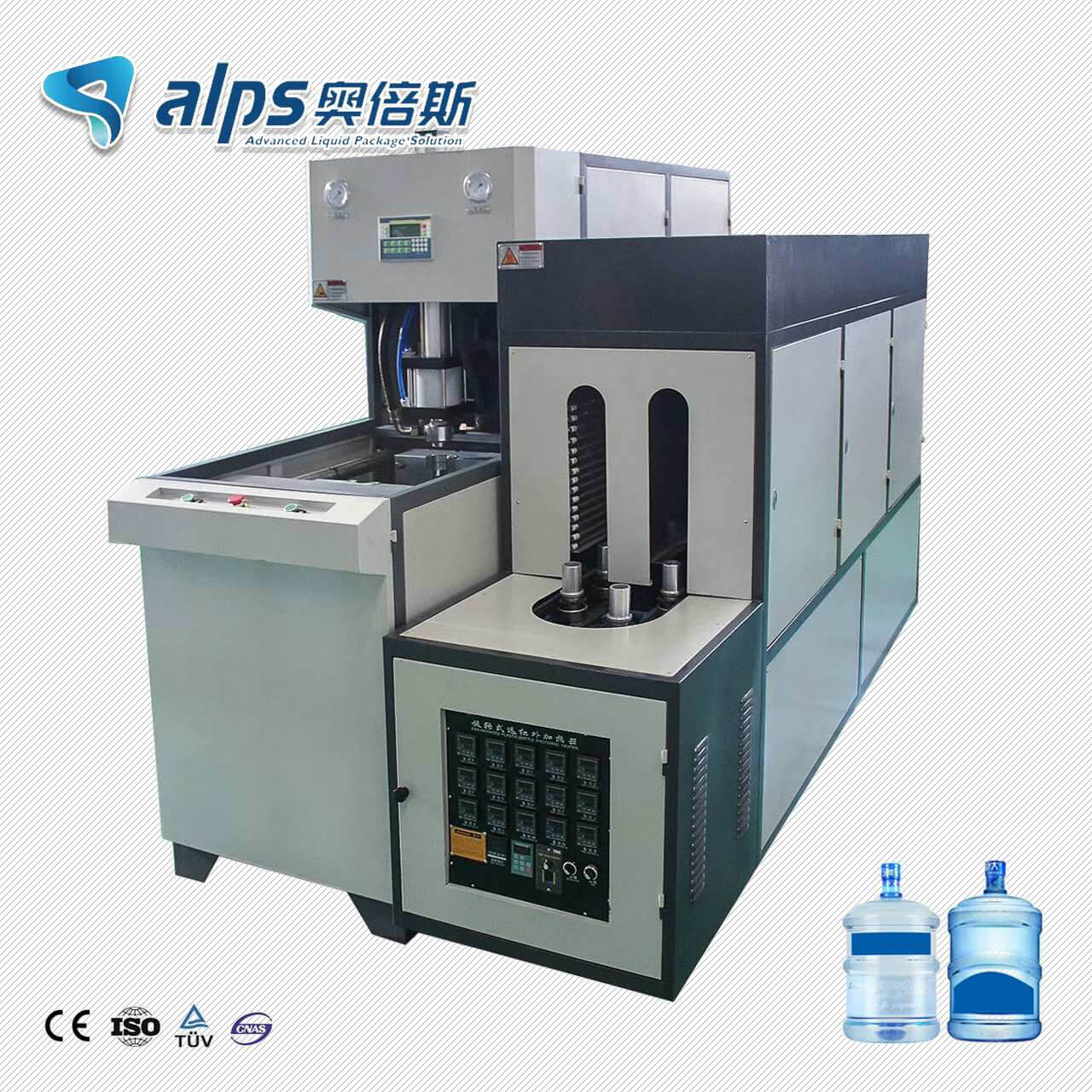
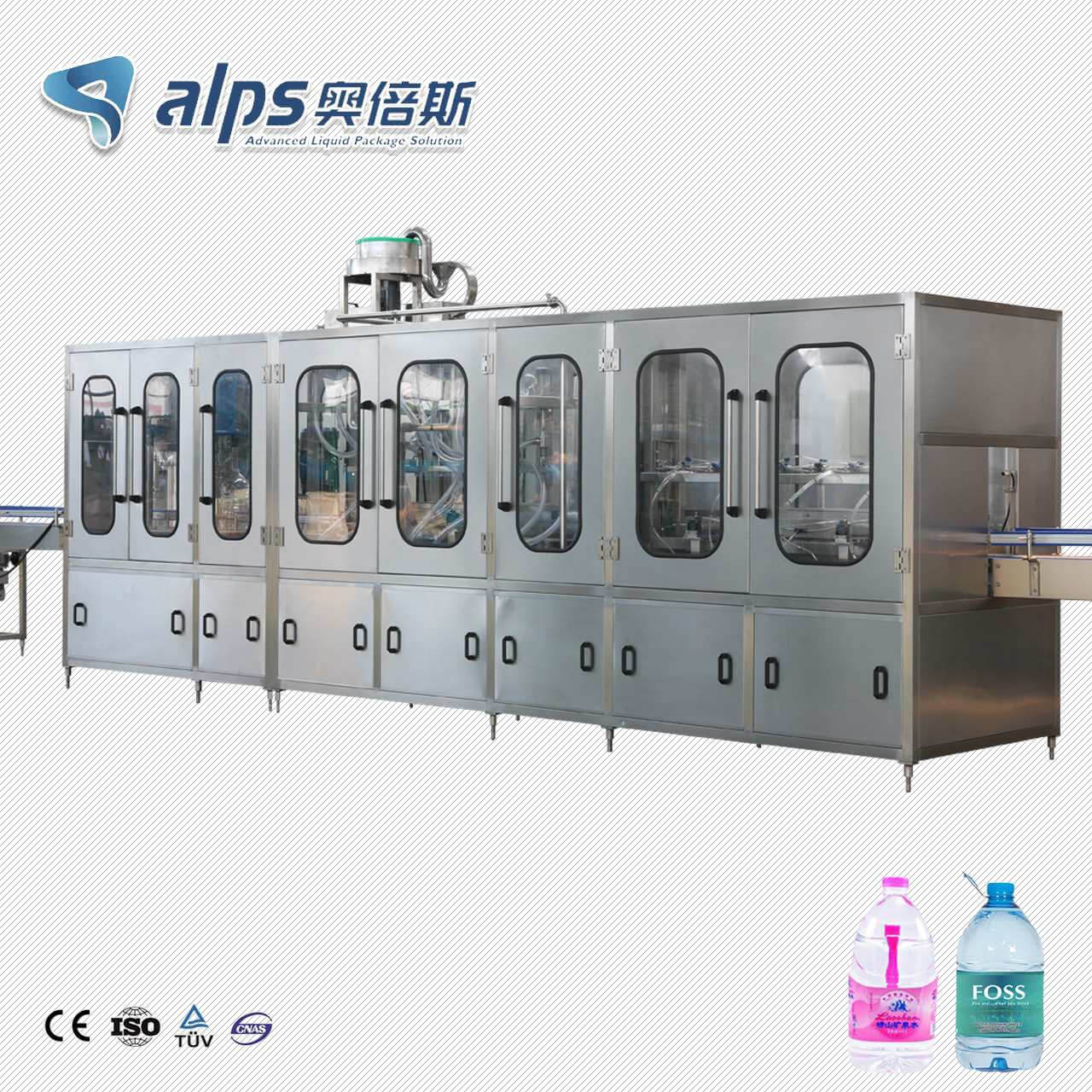
Select equipment according to bottle format and production capacity. A typical line may include:
Labeling and coding machines
Shrink wrapper or case packer
Additional equipment may be required for 5 gallon water production.
Quality control should cover the full production chain, while operators need practical procedures for handling equipment and routine tasks.
Key Control Points | |
Water quality | Raw, treated, and finished water |
Hygiene | Cleaning, sanitation, and production conditions |
Testing | Chemical and microbiological checks |
Traceability | Batch records and product identification |
Equipment | Inspection, maintenance, and fault checks |
Prepare simple SOPs for operation, cleaning, safety, quality inspection, and troubleshooting. Operators should understand their responsibilities before production starts, including how to respond when a process falls outside the required limits.
A practical training and maintenance plan can reduce operating errors, support consistent product quality, and make it easier to identify problems before they affect finished products.
Once production is ready, the focus shifts from making bottled water to building a market for it. Packaging, sales channels, operating costs, and production capacity should develop together.
Key Considerations | |
Branding | Positioning, brand name, market image |
Packaging | Bottle size, label, package design |
Pricing | Production cost, channel margin, market price |
Distribution | Retail, distributors, hotels, restaurants, offices |
Costs | Building, equipment, utilities, labor, packaging, working capital |
Scaling | Higher automation, larger capacity, new bottle sizes, wider distribution |
A realistic cost estimate should include both initial investment and ongoing operating expenses. Once demand is established, capacity can be expanded gradually instead of investing heavily before the market is proven.
Do not select equipment before confirming water quality, overlook local requirements, or underestimate working capital and distribution costs. Planning for future expansion during the initial plant design can also reduce costly modifications later.
Opening a mineral water plant requires coordinated planning across water sourcing, regulatory compliance, plant design, treatment, filling, quality control, and distribution. Defining the product and market first, then selecting processes and equipment based on actual production needs, can help control investment and support stable growth.
Zhangjiagang Alps Machine Co., Ltd. provides water treatment systems, mineral water filling machines, labeling and packing equipment, and complete production lines. Its turnkey services can also cover workshop and machine layout, water, gas and electrical planning, and bottle and label design. Contact Alps Machine to discuss your mineral water plant project and request a turnkey proposal.





By continuing to use the site you agree to our privacy policy Terms and Conditions.