Advanced Liquid Package Solution
Any question?
Get in touch


Water plays a vital role in industries such as beverage production, food processing, pharmaceuticals, and medical applications. However, raw water from sources like boreholes, deep wells, or seawater often contains impurities, salts, and microorganisms. These contaminants can affect both product quality and safety. Therefore, a reliable water treatment system is essential to ensure a clean and stable water supply. By applying an effective water purification process, businesses can meet strict quality standards and improve operational efficiency.
In simple terms, water treatment is the process of removing unwanted substances from water to make it suitable for a specific use. These substances may include suspended solids, dissolved salts, bacteria, and other contaminants. A complete water purification system uses a combination of physical and chemical methods to improve water quality. It is widely used in industrial water treatment systems, bottled water production, and medical applications where high water purity is required.
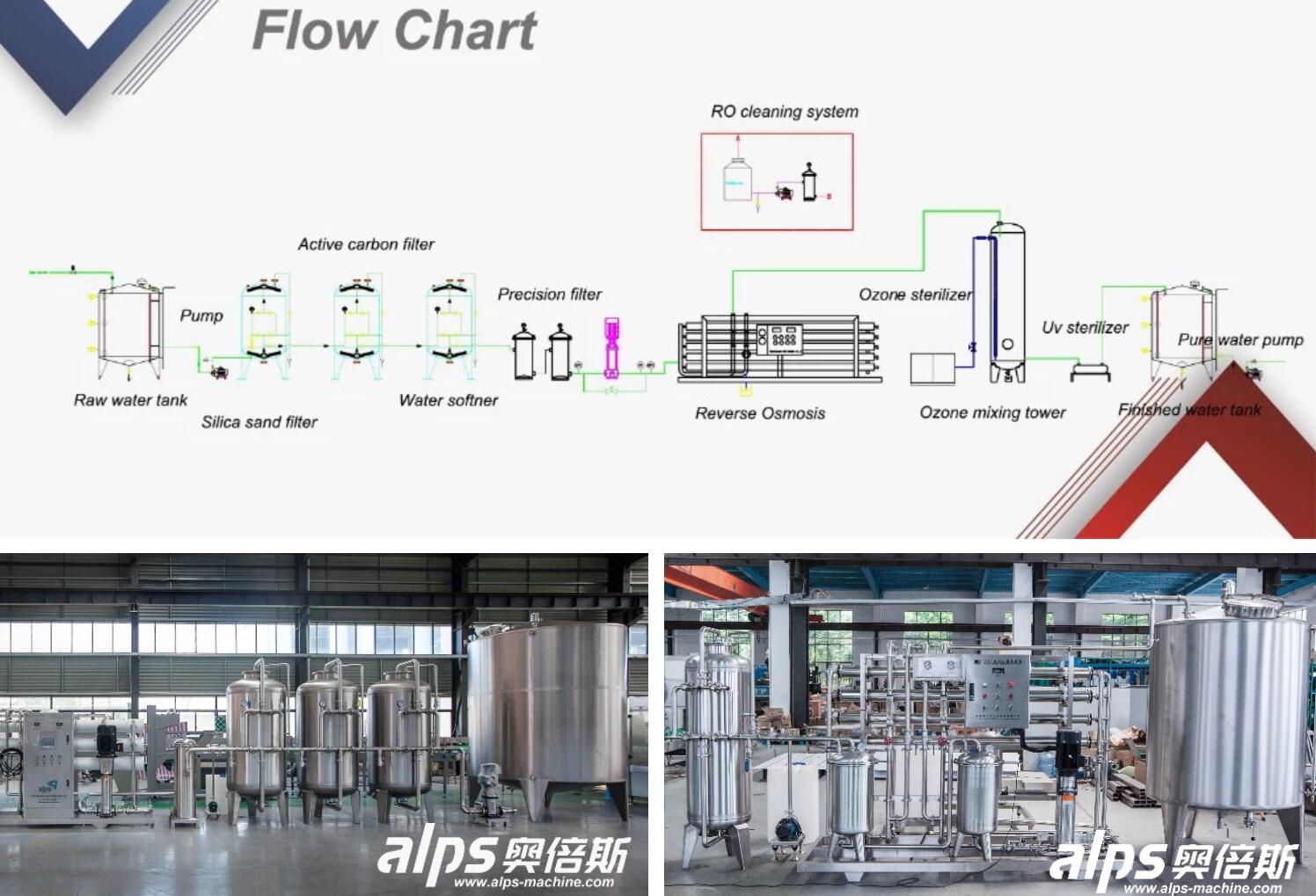
Next, understanding the key steps helps explain how a water treatment system works in practice.
1. First, coagulation involves adding chemicals such as aluminum or iron salts to the water. These chemicals bind small particles together, making them easier to remove.
2. Then, during flocculation, the water is gently mixed to form larger particles called flocs. These flocs are heavier and can be separated more easily.
3. After that, sedimentation allows the flocs to settle at the bottom of the tank, removing most suspended solids.
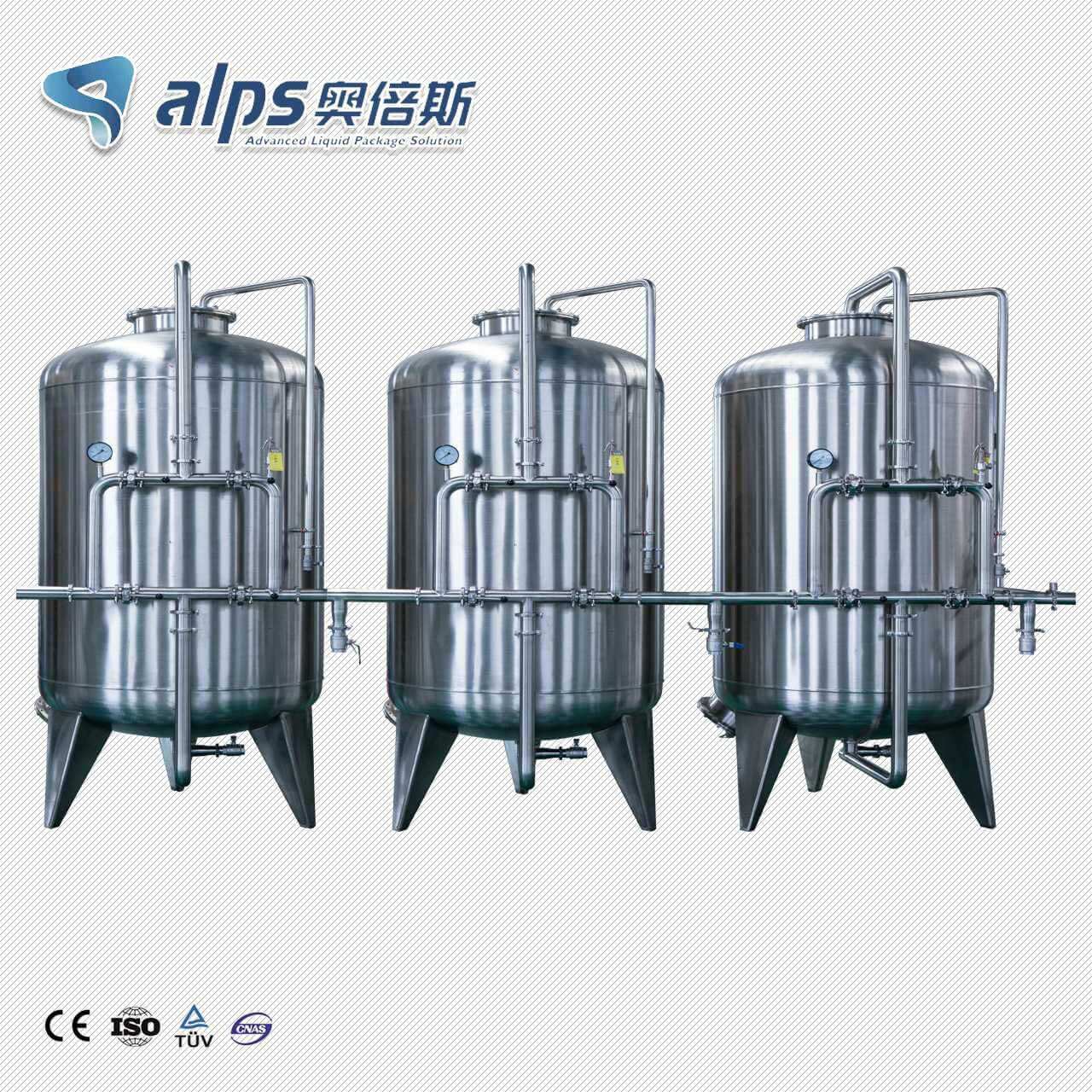
4. Following this, filtration is carried out using materials such as sand, gravel, and activated carbon. This step removes smaller particles, bacteria, and unwanted odors. Advanced systems may include ultrafiltration for finer purification.
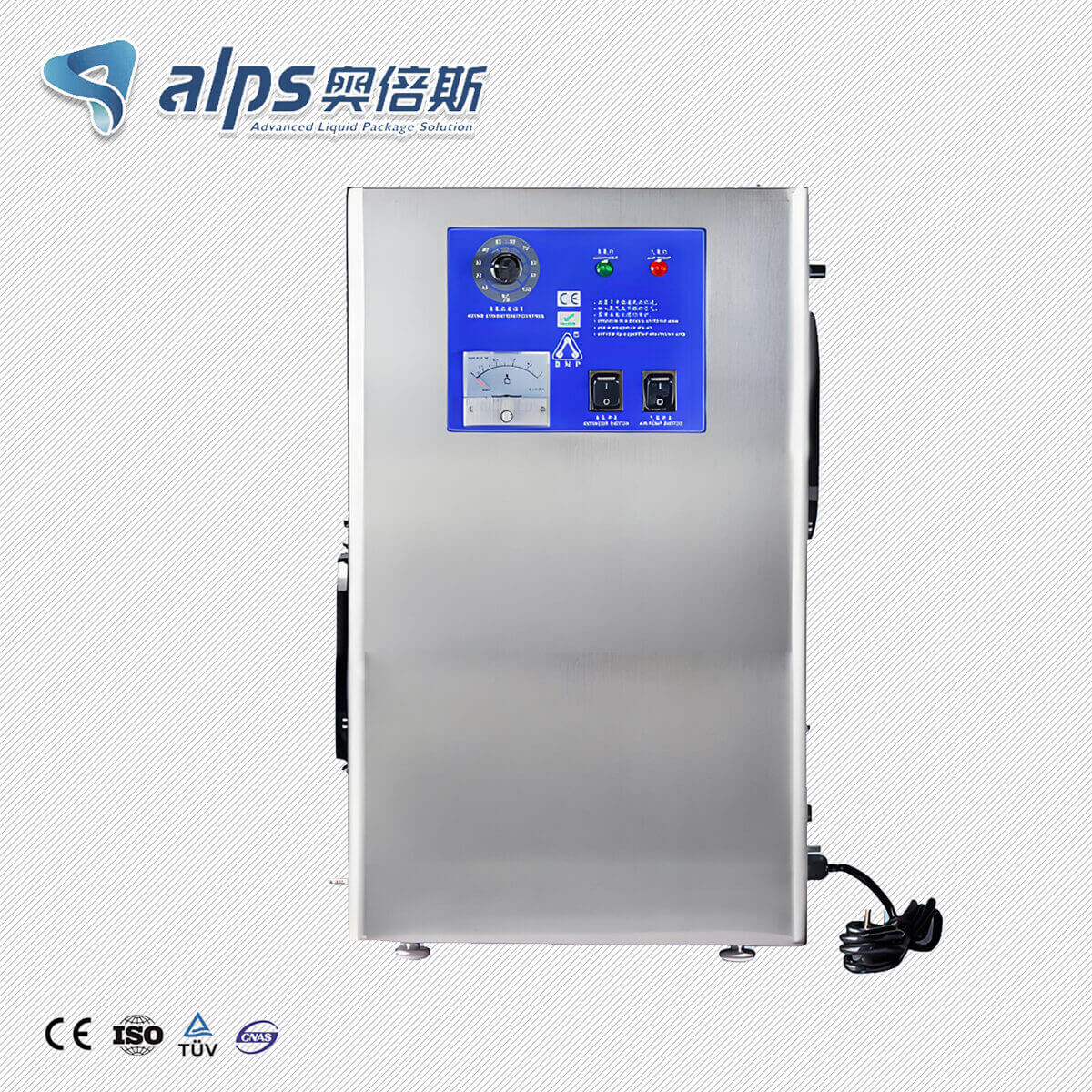
5. Finally, disinfection is applied to kill remaining microorganisms. Methods such as chlorine dosing, UV sterilization, or ozone treatment ensure the water is safe for use.
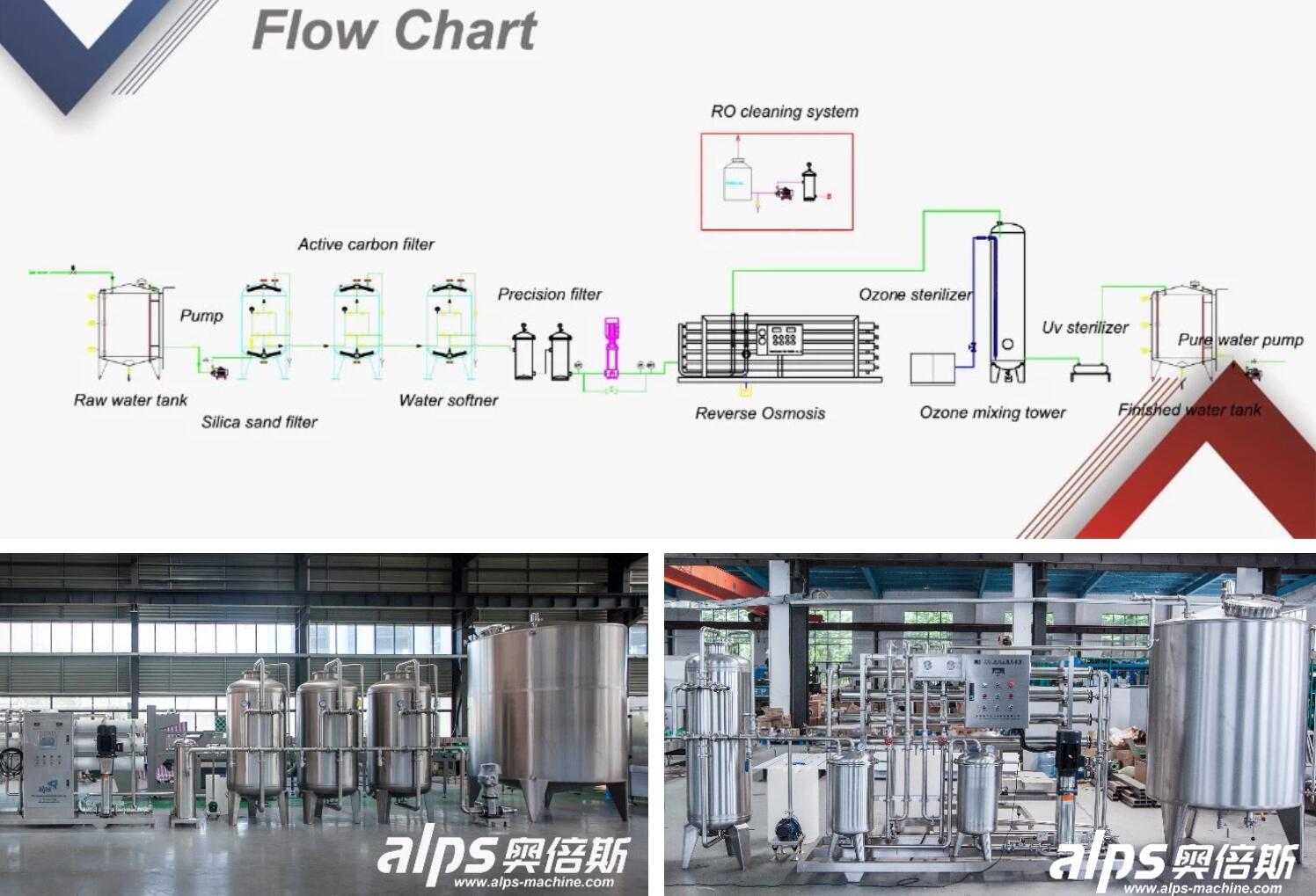
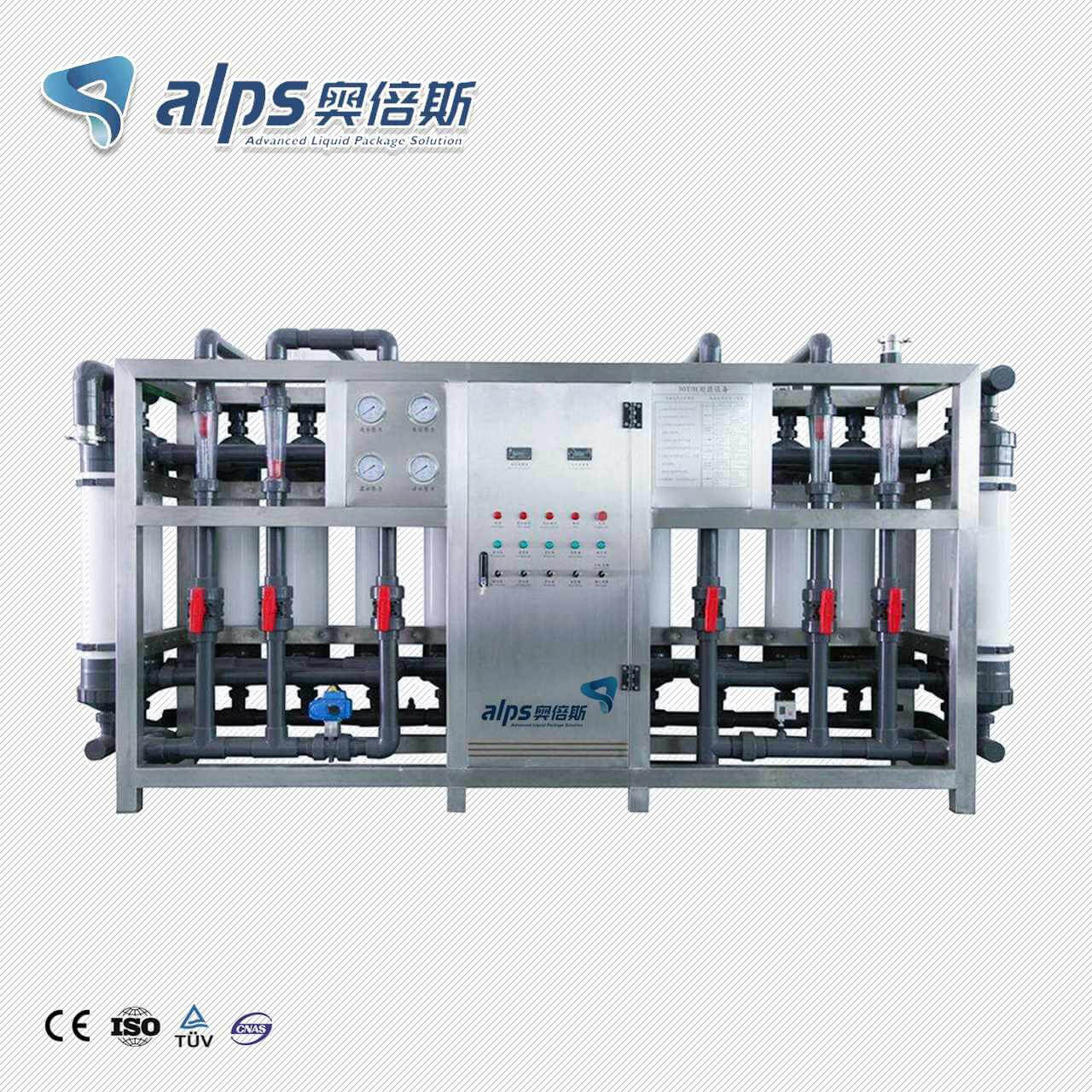
In addition to standard processes, modern water treatment systems use advanced technologies to achieve higher purification levels. Ultrafiltration (UF) removes very small particles and microorganisms, while reverse osmosis (RO) eliminates dissolved salts and impurities. UV sterilizers use ultraviolet light to destroy bacteria, and ozone generators provide strong oxidation for effective disinfection. These technologies are often combined to create a highly efficient industrial water treatment system suitable for different water sources.
To better understand the system, it is important to look at its main components. A typical water treatment system includes a raw water tank for storage and a dosing system for adding treatment chemicals. Filtration units such as multi-medium filter tanks remove suspended solids, while membrane systems like UF and RO provide deep purification. In addition, UV sterilizers and ozone generators ensure effective disinfection. The entire process is controlled by an advanced PLC system, which allows automatic operation and stable performance.
One important advantage of modern systems is customization. Since different water sources have different characteristics, the treatment process must be adjusted accordingly. For example, seawater and brackish water require desalination through RO systems, while borehole or deep well water may need filtration and disinfection. Based on water quality reports, a suitable water treatment system can be designed to ensure optimal performance and efficiency. This customized approach improves both reliability and cost-effectiveness.
Water treatment systems are widely used across industries. In the bottled water sector, they are essential for producing purified and mineral water. In beverage production lines, treated water is used for juice, carbonated drinks, and other products. In addition, medical and pharmaceutical industries rely on high-purity water systems. Industrial applications also include chemical processing and cleaning operations. These diverse uses highlight the importance of a reliable water treatment system for bottling plants and other production environments.
Using a modern water purification system offers several key benefits. First, it improves water quality by removing contaminants and microorganisms. Second, it ensures consistent product quality, which is essential for brand reputation. Third, it helps meet national drinking water standards and the World Health Organization (WHO) guidelines. In addition, automated systems reduce manual work and improve efficiency. These advantages make water treatment a necessary investment for industrial operations.
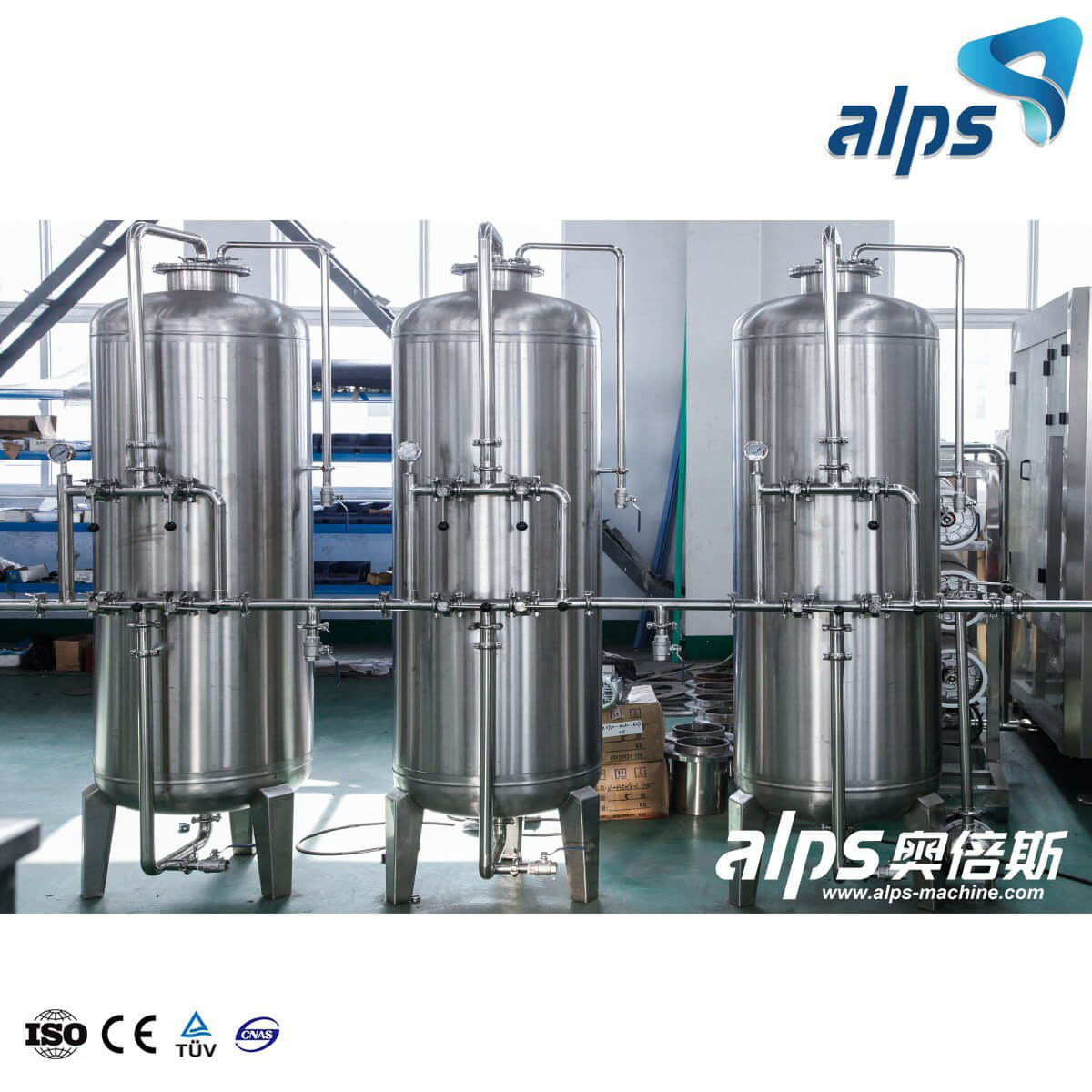
In many factories, the water treatment system is integrated into a complete production line. For example, in a bottled water plant, it is installed at the front end to supply clean water to filling machines. This integration ensures a continuous and reliable workflow. As a result, the entire beverage production line operates more efficiently and produces consistent results.
In conclusion, water treatment is a critical process that ensures water is safe, clean, and suitable for various applications. From basic filtration to advanced membrane technologies, each step plays an important role in improving water quality. By using a well-designed industrial water treatment system, businesses can achieve high efficiency, meet quality standards, and maintain reliable production.
If you are looking for a professional water treatment system supplier, Alps Machine is your trusted choice. We provide a full range of solutions, including ultra filtration systems, reverse osmosis water treatment plants, multi-medium filter tanks, UV sterilizers, and ozone generators. Our systems are equipped with advanced PLC control and online monitoring to ensure stable and efficient operation. Contact Alps Machine today to get customized water treatment solutions and complete beverage production line systems tailored to your needs.


By continuing to use the site you agree to our privacy policy Terms and Conditions.