Advanced Liquid Package Solution
Any question?
Get in touch


Water is a critical resource in many industries, especially in beverage, food, and pharmaceutical production. However, raw water often contains impurities such as suspended particles, microorganisms, and dissolved substances. These contaminants can affect product quality and safety. Therefore, a reliable water treatment system is necessary to ensure a clean and stable water supply. By using a structured water purification process, industries can meet quality standards and improve production efficiency.
Water treatment is the process of removing unwanted substances from water to make it suitable for a specific use. This process can involve physical, chemical, and sometimes biological methods. A complete water treatment system is commonly used in drinking water production, industrial processing, and especially in beverage production lines. Since different applications require different water quality levels, the treatment process is usually divided into several steps.
First, the process begins with coagulation. In this step, treatment plant operators add chemicals such as aluminum or iron salts into the water. These chemicals help small particles bind together. As a result, tiny impurities that are difficult to remove become larger and easier to handle. This step prepares the water for further treatment.
Next, the water enters the flocculation stage. During this step, the water is gently mixed to allow the small particles formed in coagulation to combine into larger groups called flocs. Sometimes, additional chemicals are added to improve this process. These larger flocs are heavier and easier to separate from the water.
After that, sedimentation takes place. In this stage, the heavy flocs settle to the bottom of the tank due to gravity. This process separates most of the solid particles from the water. As a result, the water becomes much clearer before moving to the next stage.
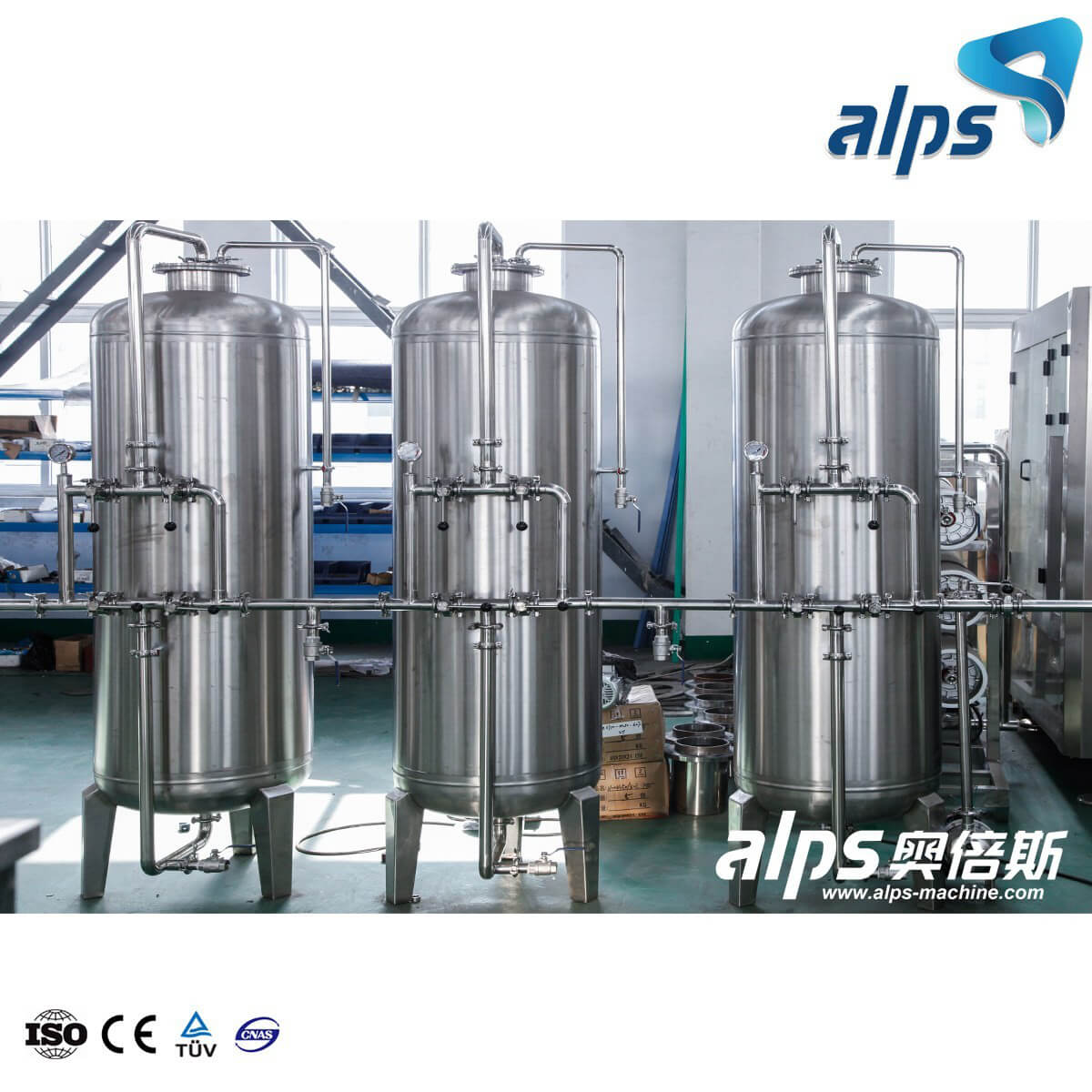
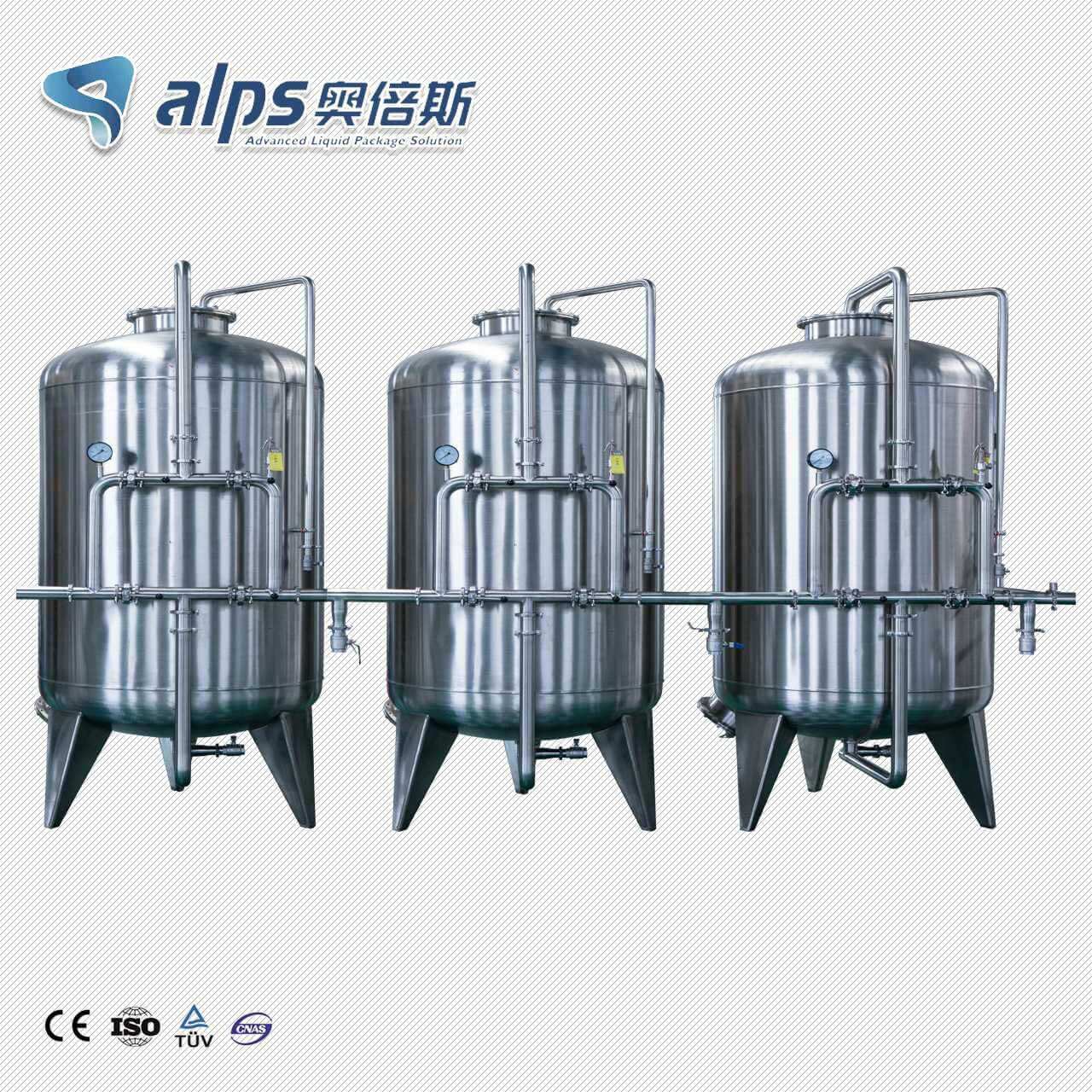
Then, the water goes through filtration. The clear water passes through multiple layers of filters made from materials such as sand, gravel, and activated carbon. These filters remove smaller particles, bacteria, and some viruses. In addition, activated carbon helps remove unpleasant odors and certain chemicals. Some advanced water treatment systems also use ultrafiltration, which has very fine pores to remove even smaller contaminants. This step significantly improves the overall water quality.
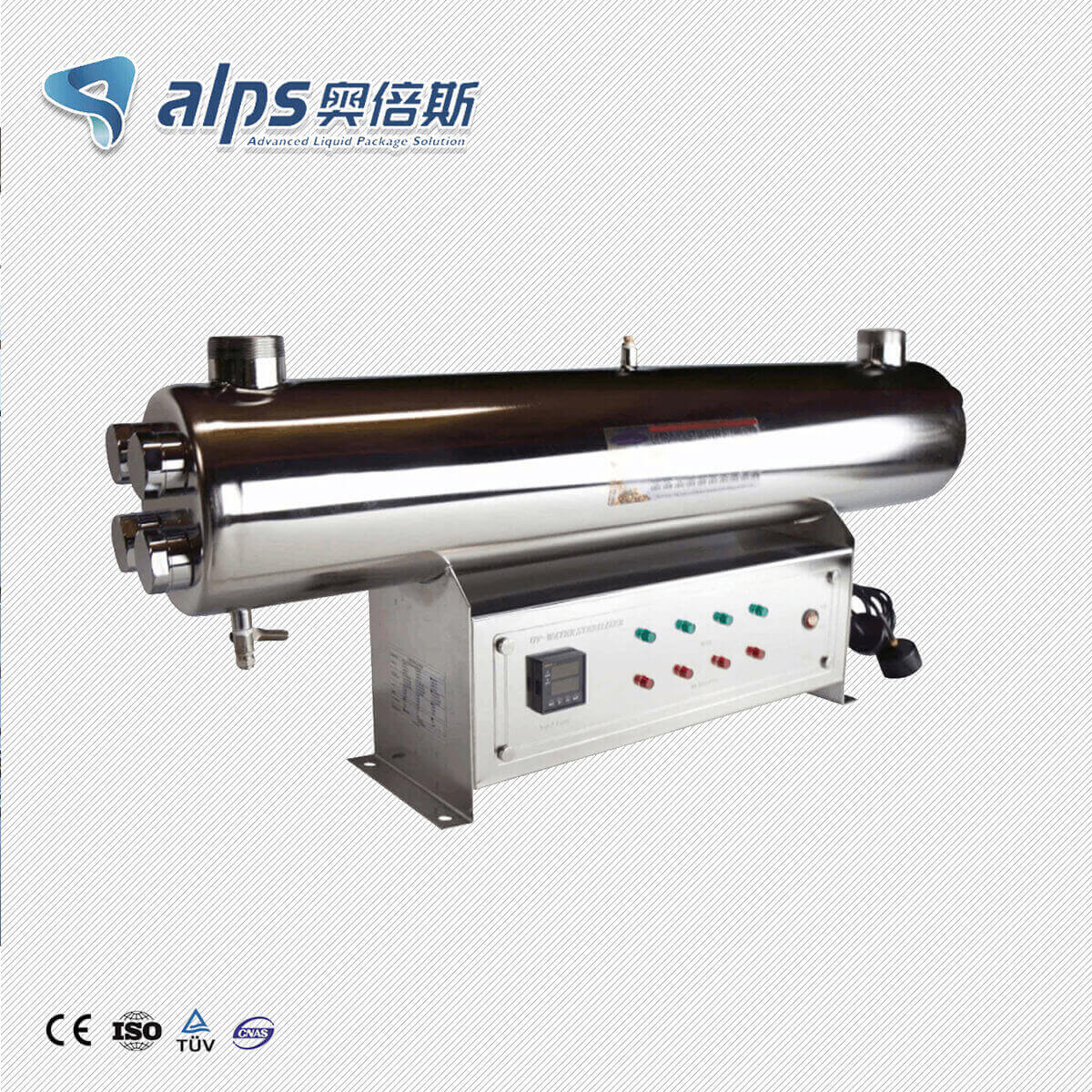
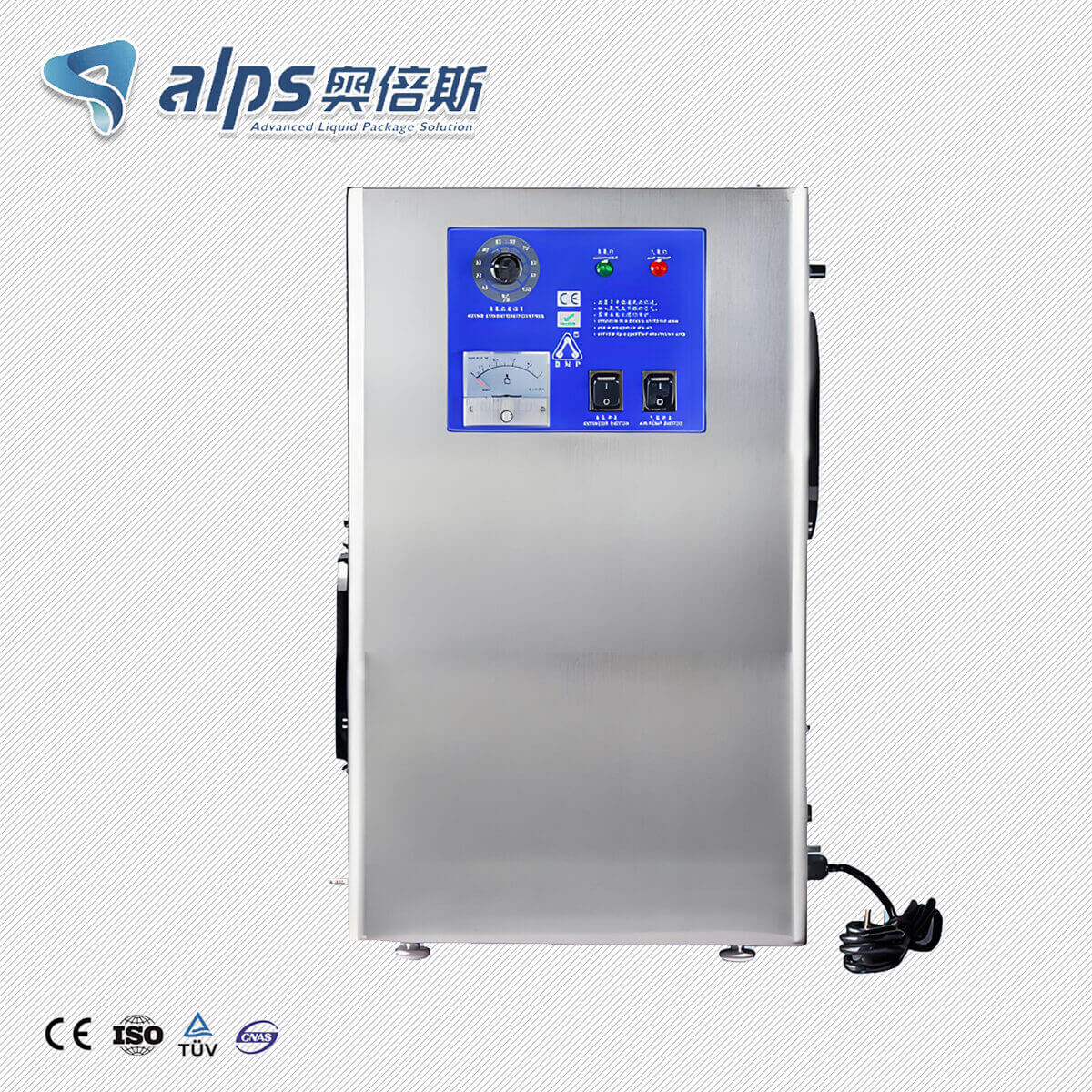
Finally, disinfection is carried out to kill any remaining microorganisms. Common methods include adding chlorine, chloramine, or chlorine dioxide. These disinfectants ensure that the water remains safe as it travels through pipelines. In some systems, ultraviolet (UV) light or ozone is used as an alternative or additional method. While UV and ozone are effective within the treatment system, chemical disinfectants help maintain water safety during distribution.
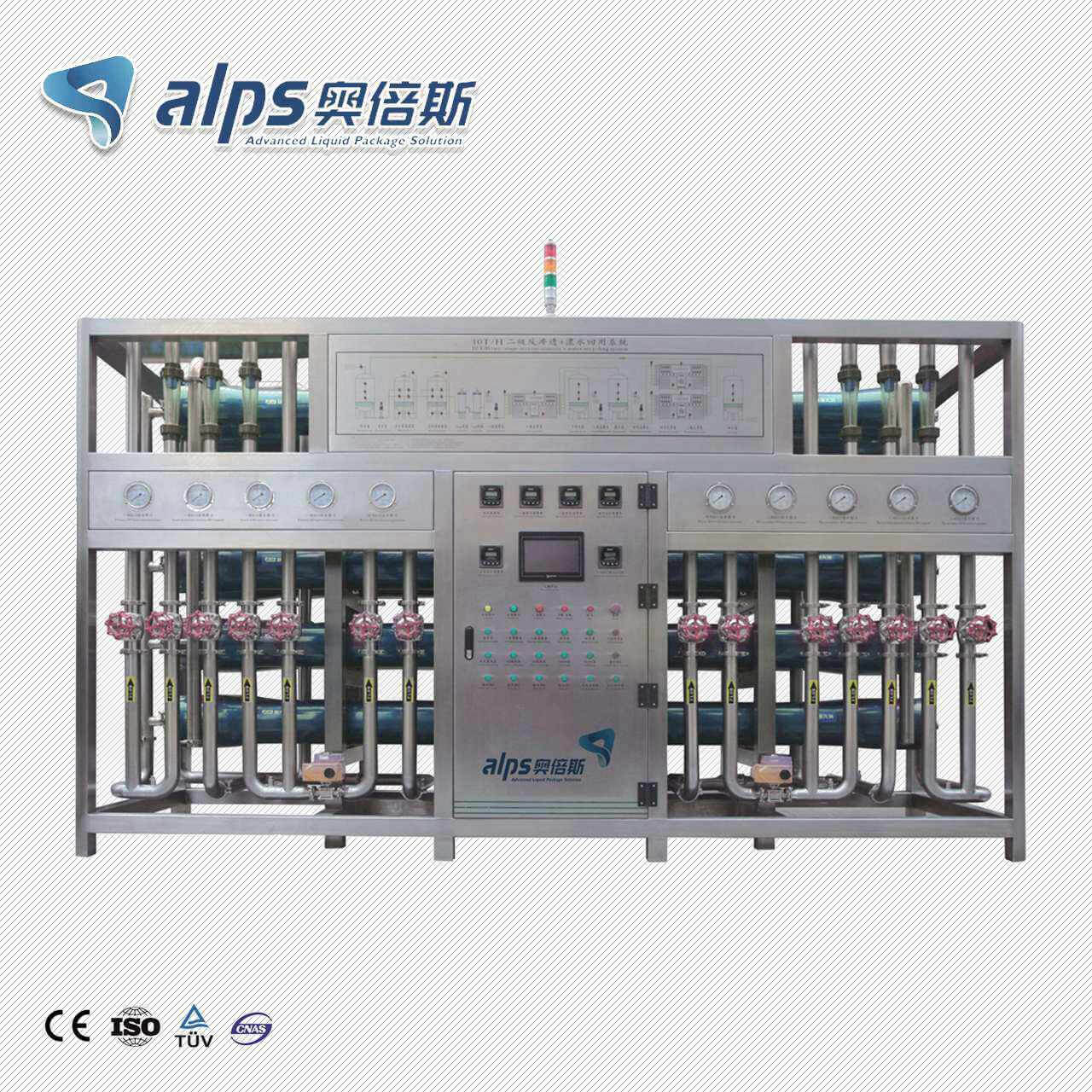
In addition to the standard steps, different technologies are used depending on the required water quality. For example, sand filtration and activated carbon filtration are widely used for basic purification. Ultrafiltration removes very small particles, while reverse osmosis (RO) is used to remove dissolved salts and impurities. UV sterilization and ozone treatment are commonly applied for effective disinfection. These technologies are often combined within an industrial water treatment system to achieve the desired results.
A typical water treatment system includes several important components. First, a raw water tank stores the incoming water. Then, a dosing system adds the necessary chemicals for coagulation and flocculation. Filtration units remove impurities, while membrane systems such as UF or RO further purify the water. Disinfection units ensure microbiological safety. Finally, a control system, often based on PLC technology, manages the entire process and ensures stable operation.
Water treatment systems are widely used across industries. In the bottled water industry, they are essential for producing purified and mineral water. In beverage production, treated water is used for juice, carbonated drinks, and other products. In addition, food processing, pharmaceuticals, and industrial manufacturing all rely on water treatment for beverage production and other applications. Clean water is a key factor in maintaining product quality and safety.
Using a water purification system provides several important benefits. First, it improves water quality by removing contaminants and microorganisms. Second, it ensures consistent product quality in production processes. Third, it helps meet industry standards and regulations. In addition, it supports efficient and stable operation in industrial environments. These advantages make water treatment an essential investment for modern businesses.
In many factories, the water treatment system is integrated into a complete production line. For example, in a bottled water plant, the treatment system is installed at the beginning of the line to provide clean water for filling machines. This integration ensures a continuous and reliable supply of purified water. As a result, the entire beverage production line operates more efficiently and consistently.
When selecting a suitable industrial water treatment system, several factors should be considered. First, the quality of the raw water determines the required treatment process. Second, production capacity should match your operational needs. Third, the application industry influences the level of purification required. Finally, the level of automation and system reliability are also important. By carefully evaluating these factors, businesses can choose the most effective solution.
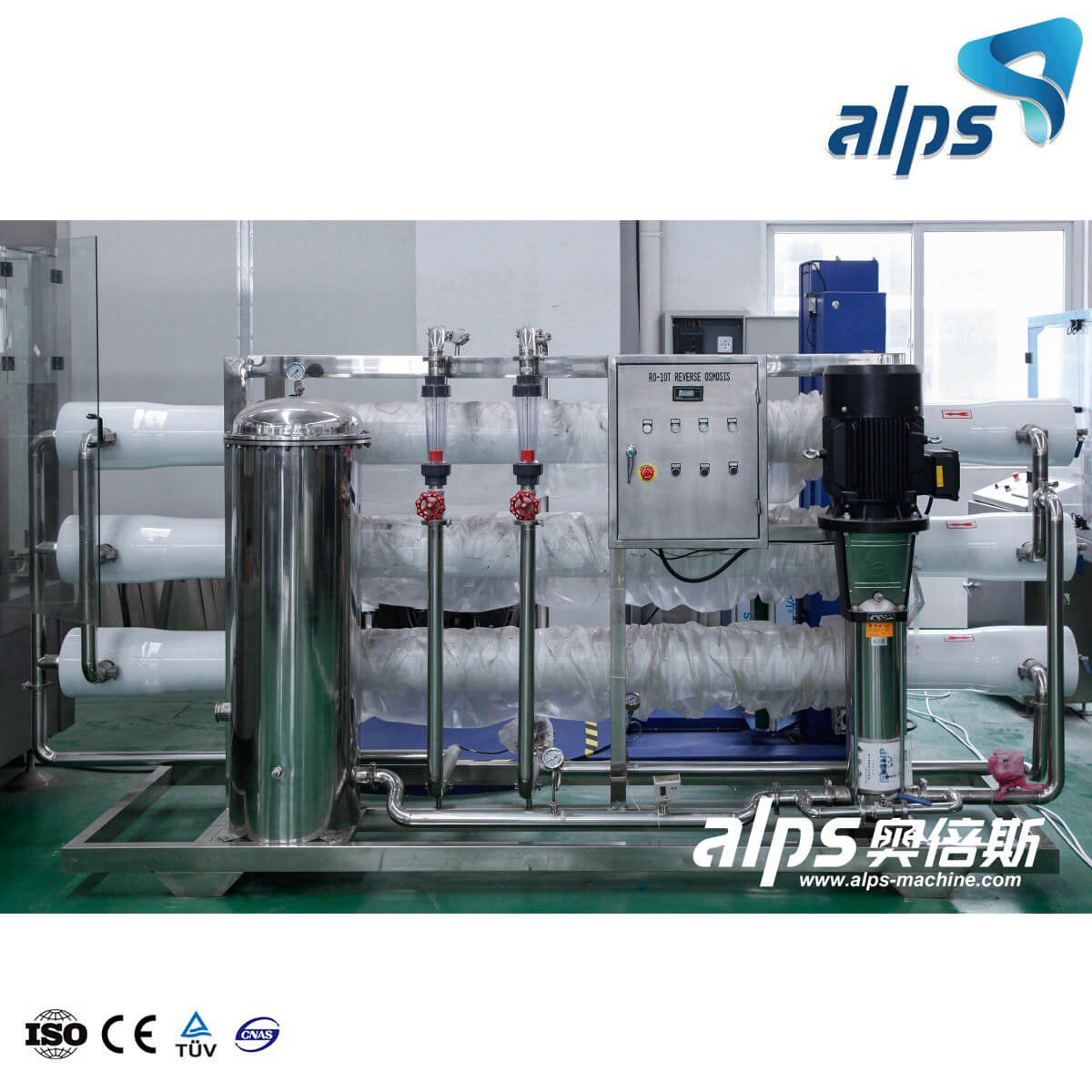
To ensure long-term performance, proper maintenance is necessary. Regularly check and replace filter materials to maintain filtration efficiency. Clean membrane systems to prevent blockage and maintain performance. In addition, monitor chemical dosing and system parameters to ensure stable operation. With proper maintenance, a water treatment system can operate reliably and reduce downtime.
In conclusion, understanding how water treatment works helps businesses ensure clean and safe water for various applications. From coagulation to disinfection, each step plays a vital role in improving water quality. By using an advanced water purification process, industries can enhance product quality, meet standards, and improve efficiency.
If you are looking for a professional water treatment system supplier, Zhangjiagang Alps Machine Co., Ltd. is your trusted partner. We provide high-quality water treatment systems and complete beverage production line solutions, including design, manufacturing, and installation. With strong engineering support and turnkey project capabilities, we help customers build efficient and reliable production plants. Contact Alps Machine today to get customized water treatment solutions and improve your production efficiency with advanced and dependable equipment.


By continuing to use the site you agree to our privacy policy Terms and Conditions.