Advanced Liquid Package Solution
Any question?
Get in touch


Water quality requirements are becoming increasingly strict across industries such as beverage production, food processing, pharmaceuticals, and electronics. Raw water often contains suspended solids, dissolved salts, microorganisms, and organic compounds that cannot be fully removed by traditional filtration methods. Therefore, advanced solutions are needed to achieve higher purification standards. In this context, membrane technology in water treatment has become a core solution, offering high precision, stable performance, and efficient operation.
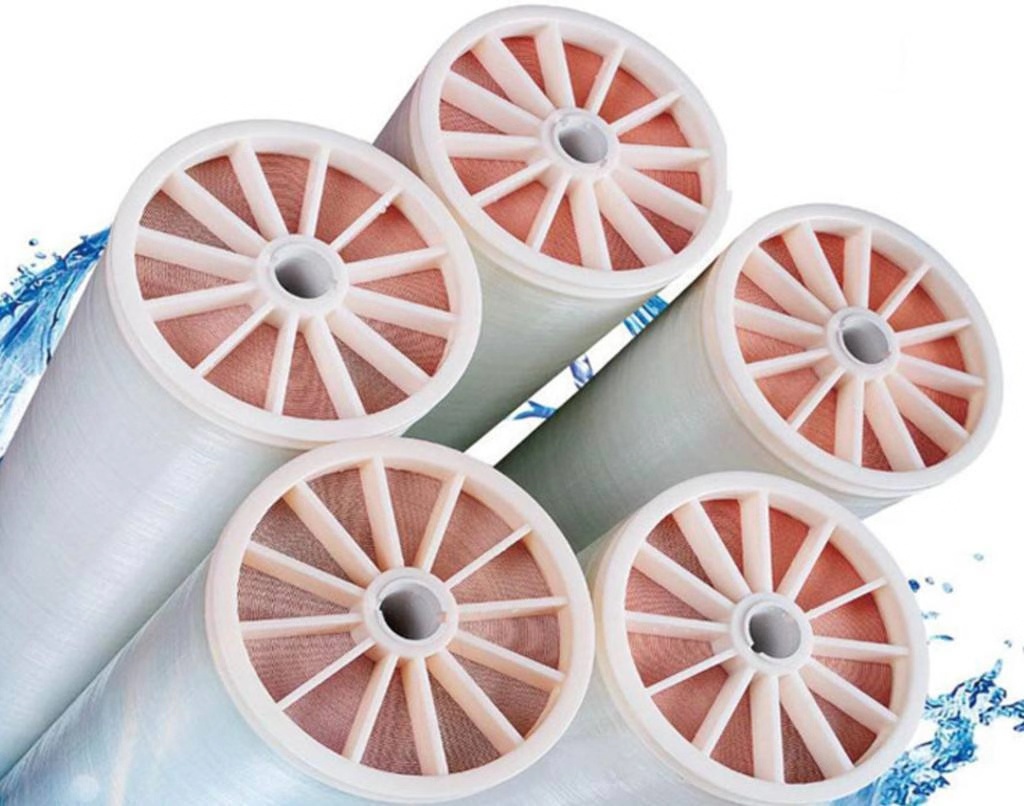
In simple terms, membrane technology is a physical separation process that uses a semi-permeable membrane to filter water. The membrane acts as a selective barrier, allowing certain substances—mainly water molecules—to pass through while blocking others based on size, charge, or chemical properties. As a result, the feed water is separated into two streams: permeate (clean water) and retentate (concentrated impurities). This membrane filtration system is widely used in both drinking water treatment and industrial processes due to its reliability and consistent output quality.
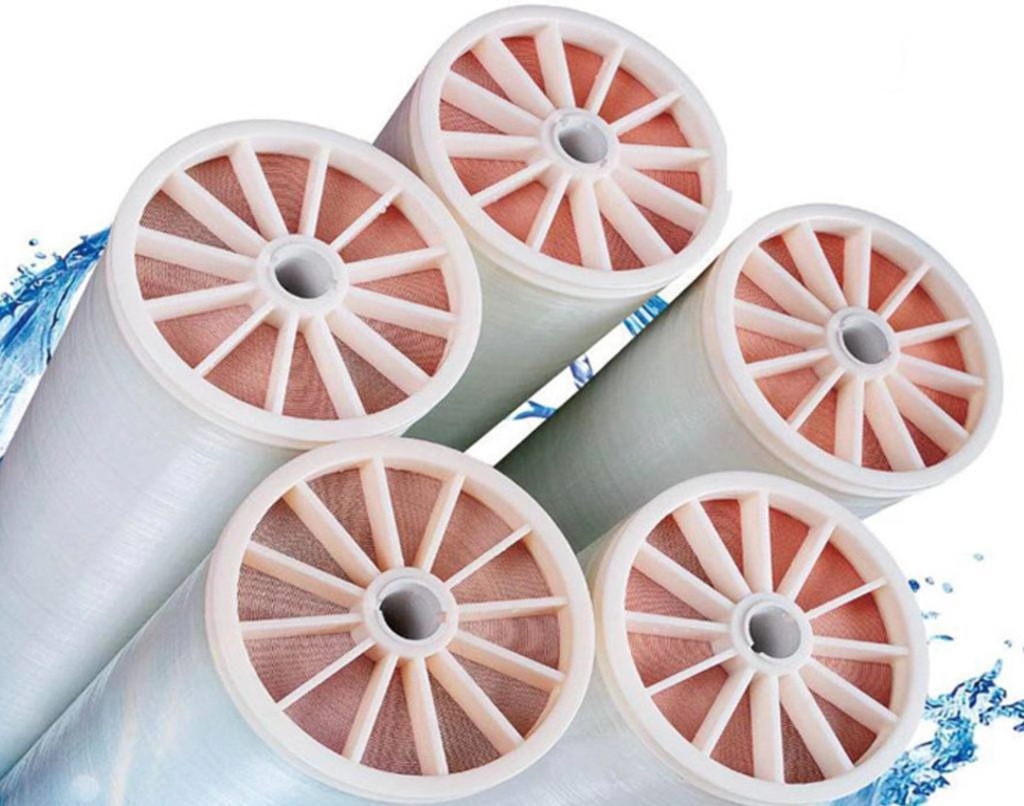
Next, understanding how membrane filtration works helps explain its efficiency in water treatment systems.
The membrane functions as a selective barrier. Its microscopic pores are designed to retain specific contaminants such as suspended solids, bacteria, and dissolved substances, depending on the membrane type.
Then, pressure plays a key role in the process. Water is forced through the membrane under controlled pressure, enabling separation. The required pressure varies depending on the filtration level, with higher precision membranes requiring higher pressure.
In addition, most industrial systems use cross-flow filtration. In this method, water flows parallel to the membrane surface, reducing fouling and ensuring continuous operation. Compared to dead-end filtration, cross-flow systems provide better stability and longer membrane life.
Together, these principles allow a membrane water treatment system to achieve high-efficiency separation with minimal chemical use.
In practice, membrane filtration technologies are classified based on pore size and separation capability. There are four main types used in water treatment.
Microfiltration (MF): To start with, microfiltration has the largest pore size among membrane types. It is mainly used to remove suspended solids, bacteria, and oil droplets. MF is often applied as a pre-treatment step to protect downstream systems.
Ultrafiltration (UF): Next, ultrafiltration is designed to remove larger molecules such as proteins, colloids, and microorganisms. It allows small molecules and dissolved salts to pass through. With an operating pressure of about 1–5 bar, UF is widely used in water purification systems for mineral water, food processing, and biotechnology applications.
Nanofiltration (NF): Then, nanofiltration offers a higher level of filtration. It can remove organic compounds with molecular weights between 200 and 800 and partially remove dissolved salts. Its removal rate for salts ranges from 20% to 98%, with better performance for multivalent ions. Operating at 3.5–30 bar, NF is commonly used for water softening, color removal, and partial desalination.
Reverse Osmosis (RO): Finally, reverse osmosis provides the highest filtration precision. It can effectively remove almost all dissolved salts, organic compounds, and microorganisms, allowing only water molecules to pass through. RO is widely used in industrial water treatment systems, including seawater desalination, purified water production, and high-purity water preparation.
When comparing UF, NF, and RO, several key differences should be considered.
First, in terms of filtration accuracy, RO offers the highest precision, followed by NF and then UF.
Second, regarding contaminant removal, UF mainly removes suspended solids and microorganisms, while NF can remove partial salts and organic compounds. RO, on the other hand, removes nearly all dissolved substances, including heavy metals and chemical pollutants.
Third, in terms of cost and energy consumption, UF systems are generally more economical and operate at lower pressure, while RO systems require higher pressure and energy input but deliver superior water quality.
Therefore, selecting the right membrane filtration system depends on the required water quality and application.
In real-world applications, membrane technology is integrated into complete treatment processes. Typically, raw water first passes through pre-treatment stages such as sand filtration and activated carbon filtration. These steps remove large particles and protect the membrane system.
After pre-treatment, water enters the membrane unit, such as UF or RO. For higher purity requirements, multi-stage systems are used, such as single-stage or double-stage RO processes. In ultra-pure water production, additional polishing steps like mixed bed ion exchange may be included.
This structured process ensures that the membrane water treatment system operates efficiently and delivers consistent water quality.
A complete membrane filtration system includes several important components. Pre-treatment units such as multi-media filters and carbon filters prepare the water. Membrane modules (UF, NF, or RO) perform the core separation process. High-pressure pumps provide the necessary driving force, especially for RO systems.
In addition, modern systems are equipped with PLC control systems and online water quality monitoring. These features allow automatic operation, real-time adjustment, and stable performance, making the system both efficient and reliable.
Due to its flexibility, membrane technology is widely used in many industries. In drinking water treatment, it ensures a safe and clean water supply. In beverage production lines, it provides high-quality water for products such as bottled water, juice, and carbonated drinks.
Moreover, it is used in seawater desalination, industrial wastewater treatment, and chemical processing. In pharmaceutical and food industries, membrane systems are also used for concentration and purification processes. These diverse applications highlight the importance of membrane technology in water treatment.
Using a membrane water treatment system offers several advantages. First, it provides high filtration accuracy, ensuring excellent water quality. Second, it reduces the need for chemical additives, making the process more environmentally friendly. Third, it supports automation and continuous operation, improving efficiency.
In addition, membrane systems can lower long-term operating costs by reducing maintenance and energy waste. These benefits make membrane technology a preferred choice for modern water treatment.
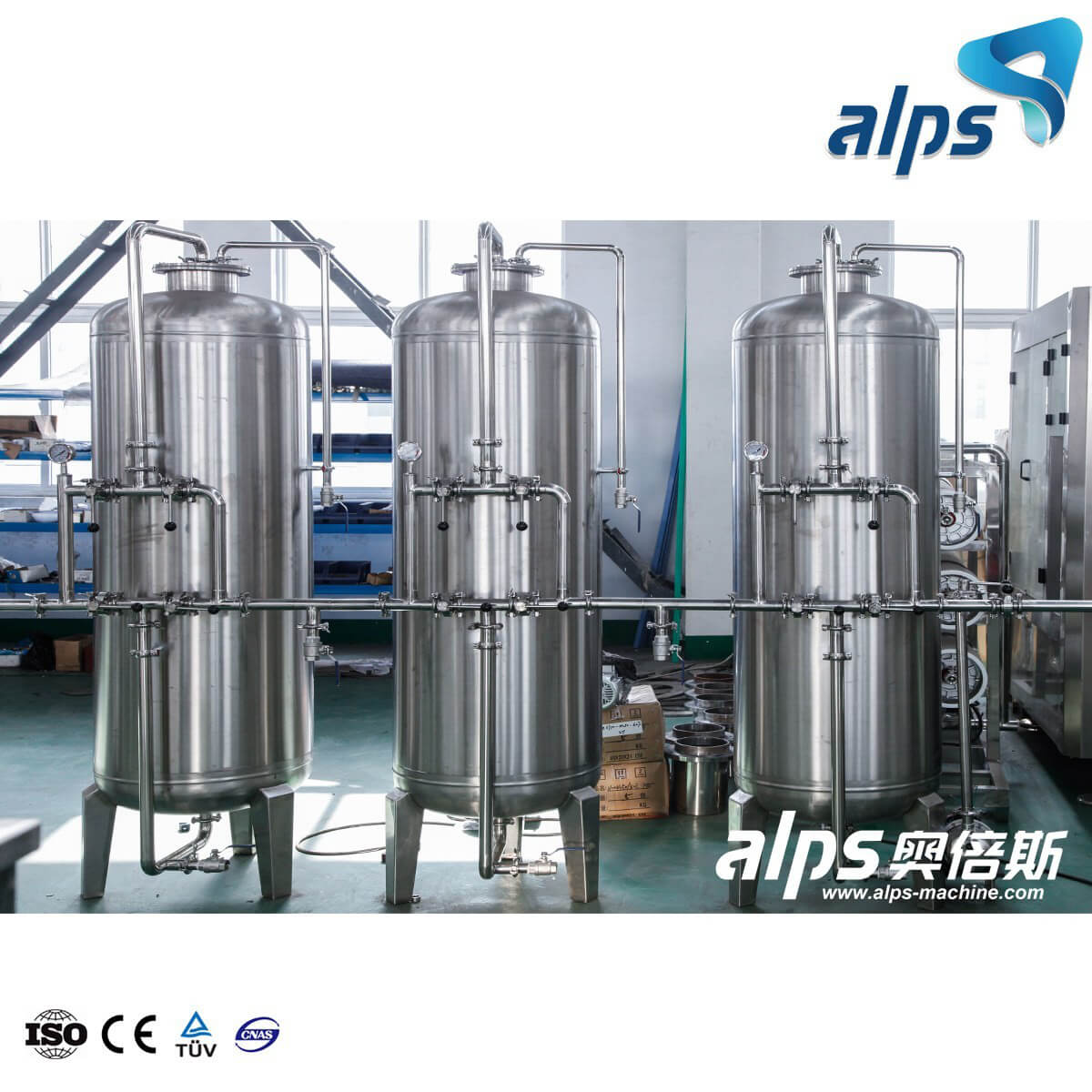
When selecting a suitable industrial membrane filtration system, several factors should be considered. First, the type of water source—such as seawater, groundwater, or tap water—affects the system design. Second, the required water quality determines whether UF, NF, or RO should be used.
Third, production capacity and system scale should match operational needs. Finally, budget and energy consumption should also be evaluated. By carefully analyzing these factors, businesses can choose the most effective and economical solution.
In conclusion, membrane technology in water treatment is a highly effective and reliable method for water purification. By using different types of membranes such as UF, NF, and RO, it is possible to achieve various levels of filtration and meet diverse industrial requirements. With its high precision, efficiency, and adaptability, membrane filtration has become a key technology in modern water treatment systems.
If you are looking for a professional membrane water treatment system supplier, Zhangjiagang Alps Machine Co., Ltd. is your trusted partner. We provide advanced UF, NF, and RO water treatment systems, equipped with PLC automatic control and online monitoring for stable and efficient operation.
In addition, we offer complete beverage production line solutions and turnkey projects, including system design, installation, and technical support. Contact Alps Machine today to get customized membrane filtration solutions and improve your production efficiency with reliable and high-performance systems.


By continuing to use the site you agree to our privacy policy Terms and Conditions.