Advanced Liquid Package Solution
Any question?
Get in touch


Metal cans need a reliable top closure to protect the product from leakage, air exposure, and contamination. For beverages and many food products, the most common method is double seaming, which mechanically joins the can body and lid without relying on adhesive or welding.
During the process, the lid curl and can body flange are folded and compressed by seaming rollers. The first operation creates the initial interlock, while the second operation tightens the seam. Sealing compound also helps fill small gaps between the metal layers.
This article explains how double seaming creates a secure metal can closure, from the main seam components and sealing steps to the equipment involved. It also covers the factors that affect seam quality, common defects, and basic inspection methods.
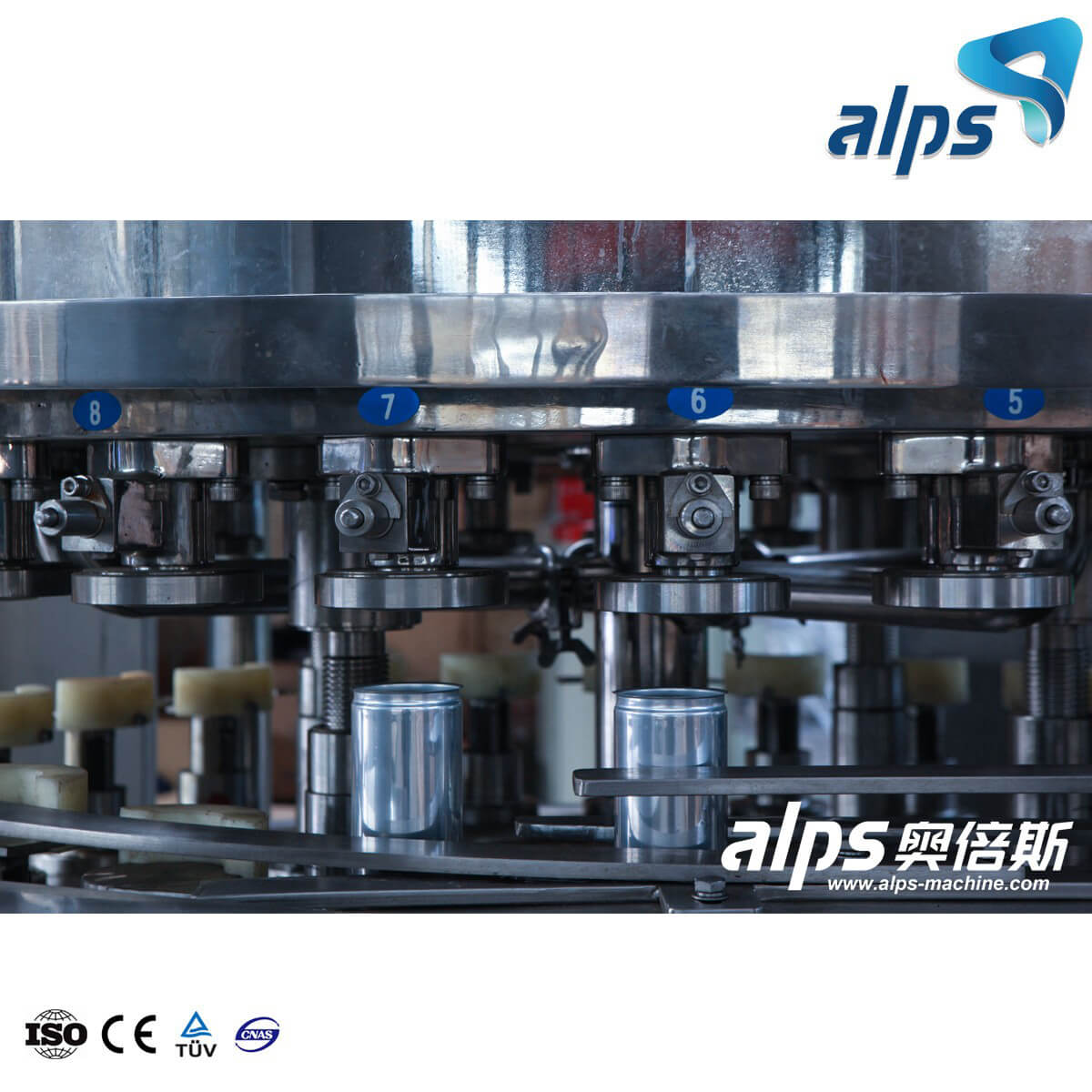
Double seaming seals a metal can by mechanically interlocking the lid and can body. The process folds the lid curl around the body flange and then compresses the joined layers to create a tight seam. A sealing compound helps close small gaps and improve leak resistance.
A double seam is the finished joint formed by two seaming operations. Its main parts include:
Component | Function |
Can body flange | Provides the metal edge for the joint |
Lid curl | Folds around the body flange |
Sealing compound | Fills small gaps between metal layers |
Seaming chuck | Supports the lid during seaming |
Seaming rollers | Shape and compress the seam |
Cover hook | Folded portion of the lid in the seam |
Body hook | Folded portion of the can body in the seam |
Overlap | Measures the interlock between hooks |
The result is a compact mechanical closure designed to resist leakage and protect the product from external exposure.
Metal can sealing follows a controlled sequence to position the lid, form the seam, and compress it to the required dimensions. The main steps are:
Lid Placement
The lid is positioned on the filled can, with the lid curl aligned with the can body flange.
Clamping
The can is lifted against the seaming chuck and held firmly to keep the lid and body in the correct position.
First Operation
The first seaming roller folds the lid curl around the body flange, creating the initial interlock between the two parts.
Second Operation
The second roller compresses and tightens the seam. This helps secure the metal layers and distribute the sealing compound.
Final Seam
After the second operation, the completed seam should have the required dimensions and overlap.
Step | Main Action | Result |
Lid placement | Position the lid | Correct alignment |
Clamping | Hold can and lid | Stable setup |
First operation | Fold the lid curl | Initial interlock |
Second operation | Compress the seam | Final closure |
Inspection | Check seam dimensions | Verify sealing quality |
The exact roller settings depend on the can and lid design.
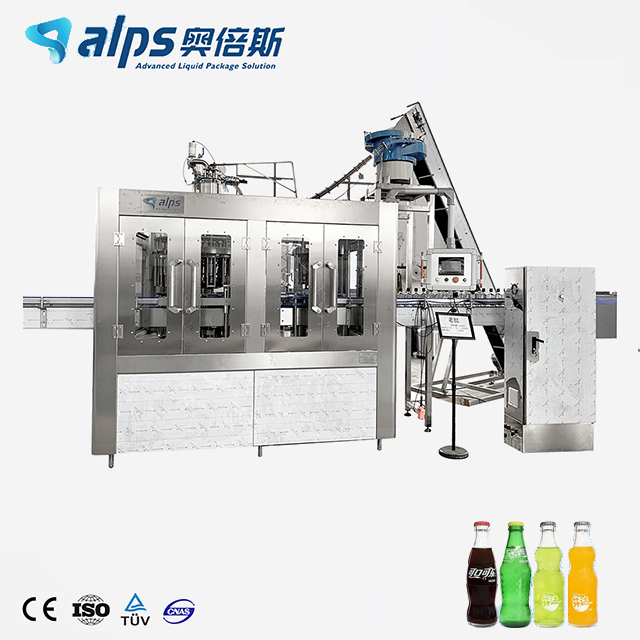
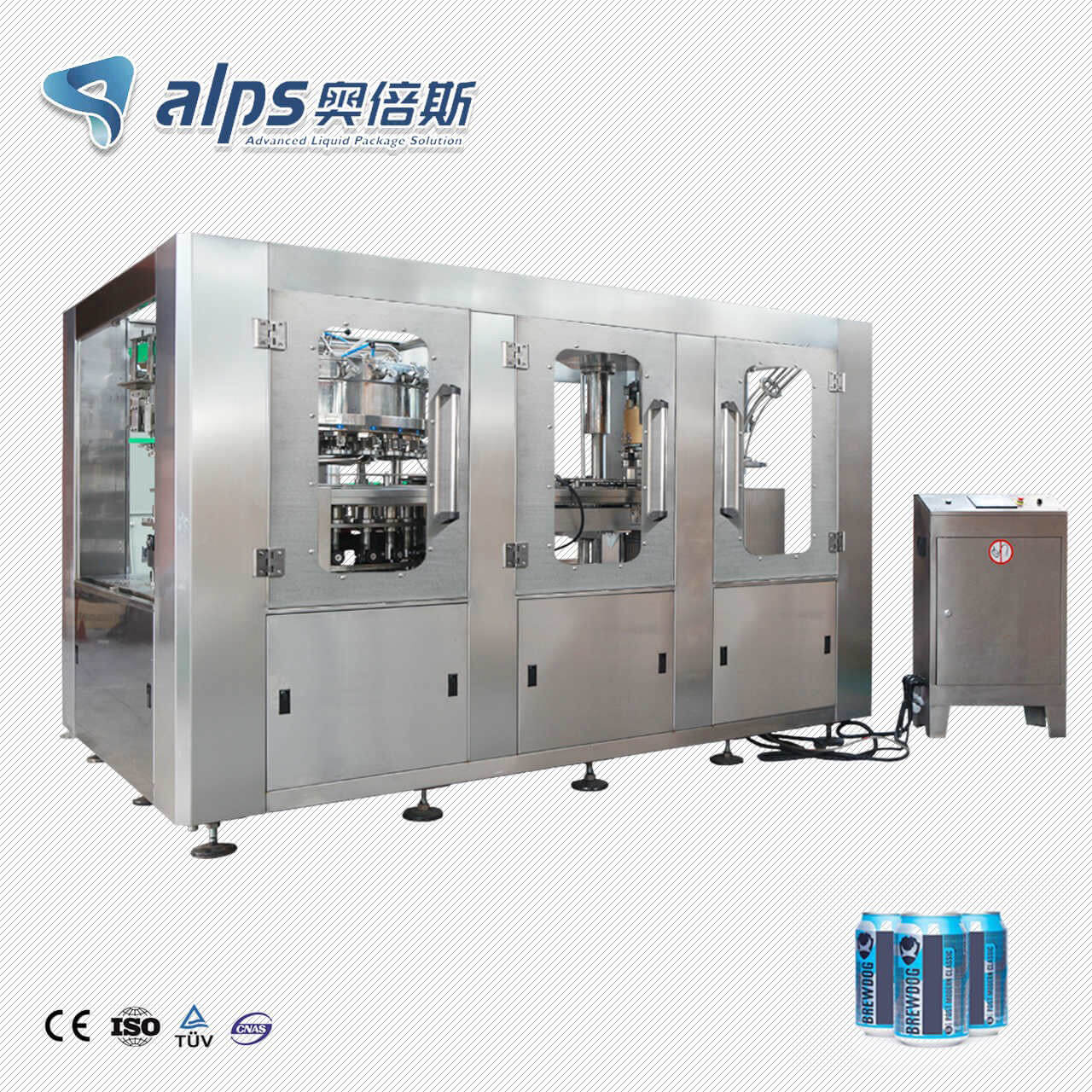
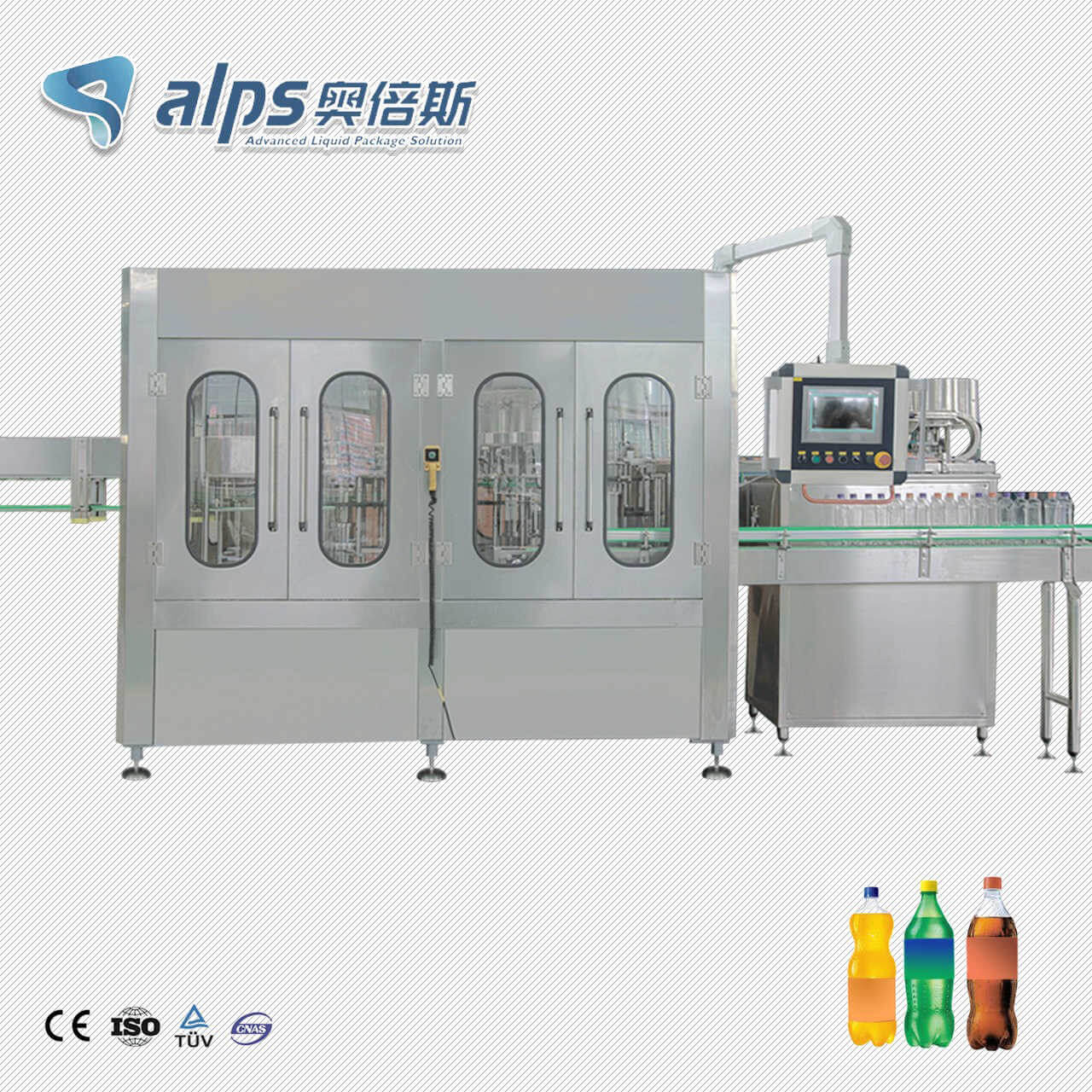
Metal can sealing is usually part of a larger filling and packaging line. Different machines handle filling, lid feeding, seaming, conveying, inspection, and final packaging. The configuration depends on the can size, product, production capacity, and packaging requirements.
Equipment | Main Function |
Fills the product into cans | |
Lid feeder | Supplies lids to the seaming section |
Can seamer | Forms and compresses the double seam |
Conveyor | Transfers cans between machines |
Sensors | Detect cans and lids during operation |
Inspection system | Checks cans or seams for defects |
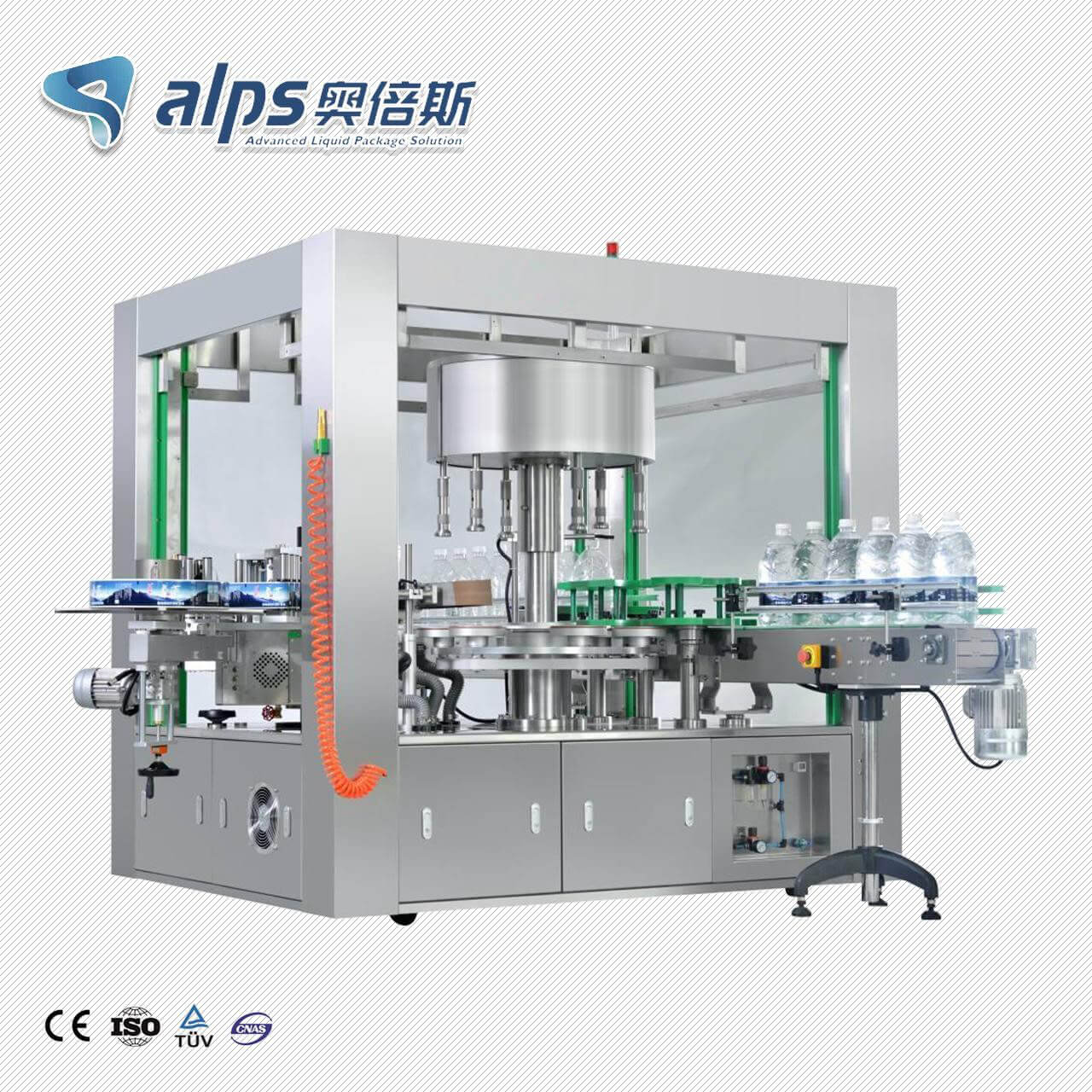
Labeling machine | Applies product labels |
Packing machine | Handles secondary packaging |
For beverage production line, the seaming section is typically connected with upstream filling equipment and downstream labeling or packing equipment. This allows cans to move through the line in a continuous sequence while maintaining consistent production flow.
A reliable metal can seam depends on more than the seaming operation itself. The can, lid, product, and sealing materials must work together, while the seamer must be correctly adjusted for the selected package.
Can and Lid
The main compatibility factors include:
Can diameter and lid size
Body flange and lid curl
Seaming chuck and roller setup
These dimensions determine how effectively the metal layers can interlock.
Product and Pressure
The product can also affect seam requirements. Carbonated beverages create internal pressure, while hot filling productions are exposed to temperature changes. Vacuum-packed and retort products require sealing conditions suited to their processing methods.
Materials and Compound
Tinplate steel and aluminum cans may require different settings and protective linings. The sealing compound must also be compatible with the lid, can material, and product. Correct material selection helps maintain seam integrity throughout filling, processing, storage, and transportation.
Can seam quality is checked through visual inspection, dimensional measurement, and seam teardown. These checks help confirm that the lid and can body are properly interlocked and that the finished seam meets the required specifications.
Check | Method | Purpose |
Seam appearance | Visual inspection | Find visible defects |
Seam thickness | Measurement | Verify compression |
Seam width | Measurement | Check seam dimensions |
Cover hook | Seam teardown | Check lid engagement |
Body hook | Seam teardown | Check body engagement |
Overlap | Measurement or calculation | Verify interlock |
Leak tightness | Leak or pressure test | Detect sealing failures |
Typical seam problems include:
False or loose seams
Droops, spikes, or jumped seams
Low overlap
Insufficient sealing compound
Cocked lids
These defects may result from incorrect machine setup, worn rollers, incompatible components, excessive or insufficient pressure, or damaged flanges. Regular inspection helps identify problems before they affect finished products.
Double seaming provides a reliable way to seal metal cans by mechanically interlocking the lid and can body through two seaming operations. Proper can and lid matching, suitable sealing materials, accurate machine settings, and regular seam inspection all contribute to consistent sealing performance and leak resistance.
For beverage manufacturers planning a complete canning project, Alps Machine provides beverage filling and packing machinery as well as turnkey project support. Its solutions cover filling, labeling, packing, CSD production lines, juice production lines, and related workshop and machine layout planning. Contact Alps Machine to discuss your product, production capacity, and packaging requirements.



By continuing to use the site you agree to our privacy policy Terms and Conditions.