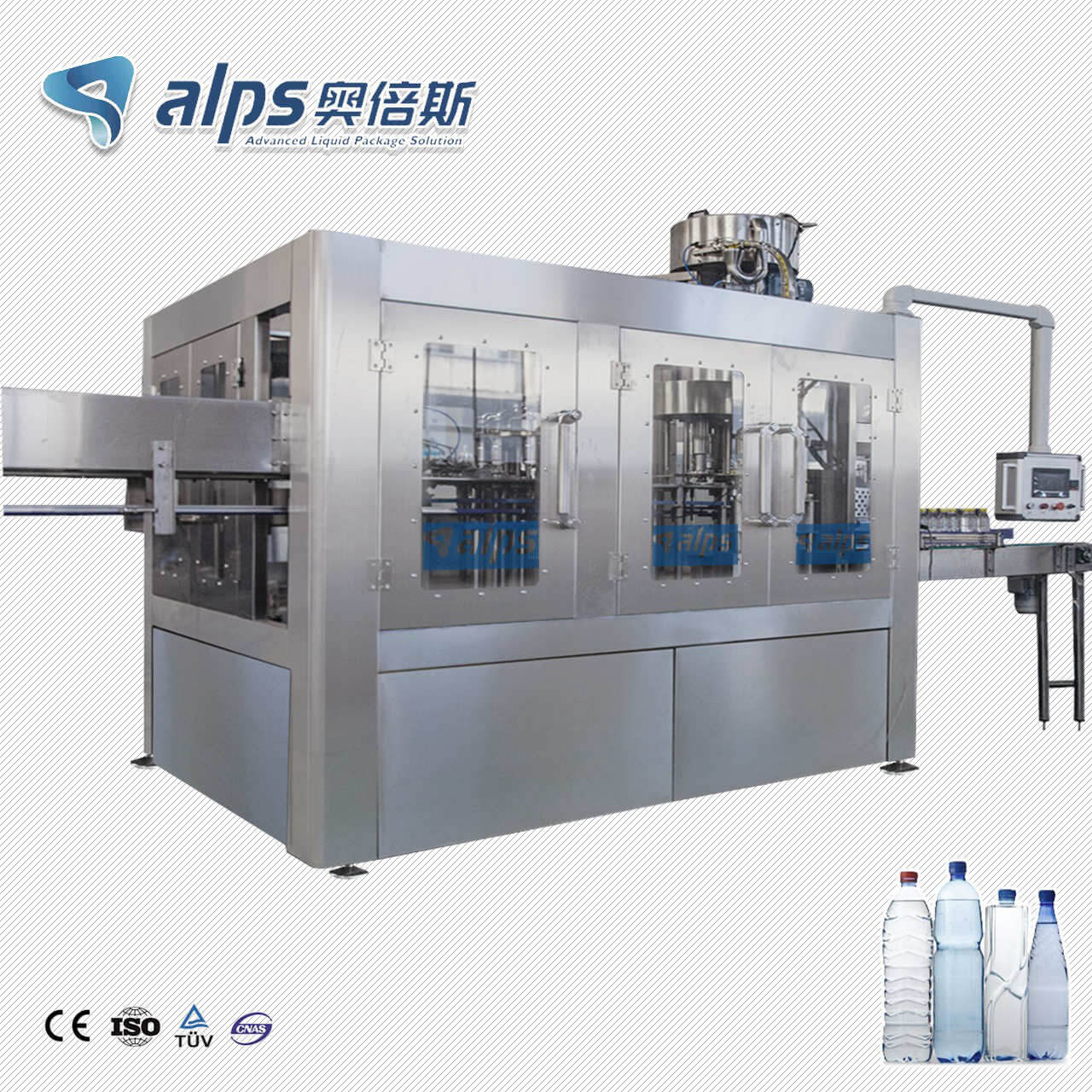
Advanced Liquid Package Solution
Any question?
Get in touch


Producing a 500ml bottle of water may seem inexpensive, but the water itself is only one part of the total cost. The final cost is influenced by the PET bottle, cap, label, water treatment, energy, labor, equipment, and packaging involved in turning treated water into a finished product.
The cost to produce a 500ml bottle of water also varies from one plant to another. Bottle weight, production volume, equipment utilization, local electricity and labor rates, scrap, and downtime can all change the cost per bottle. This means a simple material-price calculation may not reflect the actual production cost.
This guide breaks down the main costs from PET preform and bottle production to filling and packing, explains how to calculate the true cost per good bottle, compares buying bottles with producing them in-house, and outlines practical ways to reduce the cost of 500ml bottled water production.
The cost to produce a 500ml water bottle depends on production scale, bottle design, material usage, local operating costs, and how efficiently the bottling production line runs. A useful cost estimate should therefore focus on the main cost drivers.
Cost factor | What affects the cost |
PET bottle | Preform weight, bottle design, resin usage |
Cap and label | Material type, size, printing, purchase volume |
Water treatment | Filtration, disinfection, water source |
Energy | Blowing, filling, cooling, compressed air |
Filling and packing | Line speed, automation, packaging format |
Labor | Staffing level, wages, production organization |
Equipment | Depreciation, maintenance, spare parts |
Production losses | Scrap, rejects, changeovers, downtime |
For planning purposes, calculate the cost based on good bottles produced, not the machine's rated hourly output. This gives a more realistic view of the actual 500ml bottled water manufacturing cost and makes different production setups easier to compare.
Two plants can produce the same 500ml bottled water but have different costs per bottle. The main reasons are differences in production conditions and operating efficiency.
Production Scale
Higher output can spread fixed costs across more bottles, while low-volume production may carry a higher cost per unit.
Bottle Design
A lighter preform uses less PET resin, but the bottle still needs enough strength for filling, transport, and storage.
Local Costs
Electricity, labor, water, packaging materials, and maintenance rates vary by location.
Line Efficiency
Frequent changeovers, slow running speeds, scrap, and unplanned downtime reduce the number of saleable bottles produced.
These factors should be considered together when estimating the actual production cost rather than relying on material prices alone.
The cost of a 500ml bottle builds up through several production stages. Looking at each stage helps identify where the largest expenses and potential savings occur.
PET Bottle
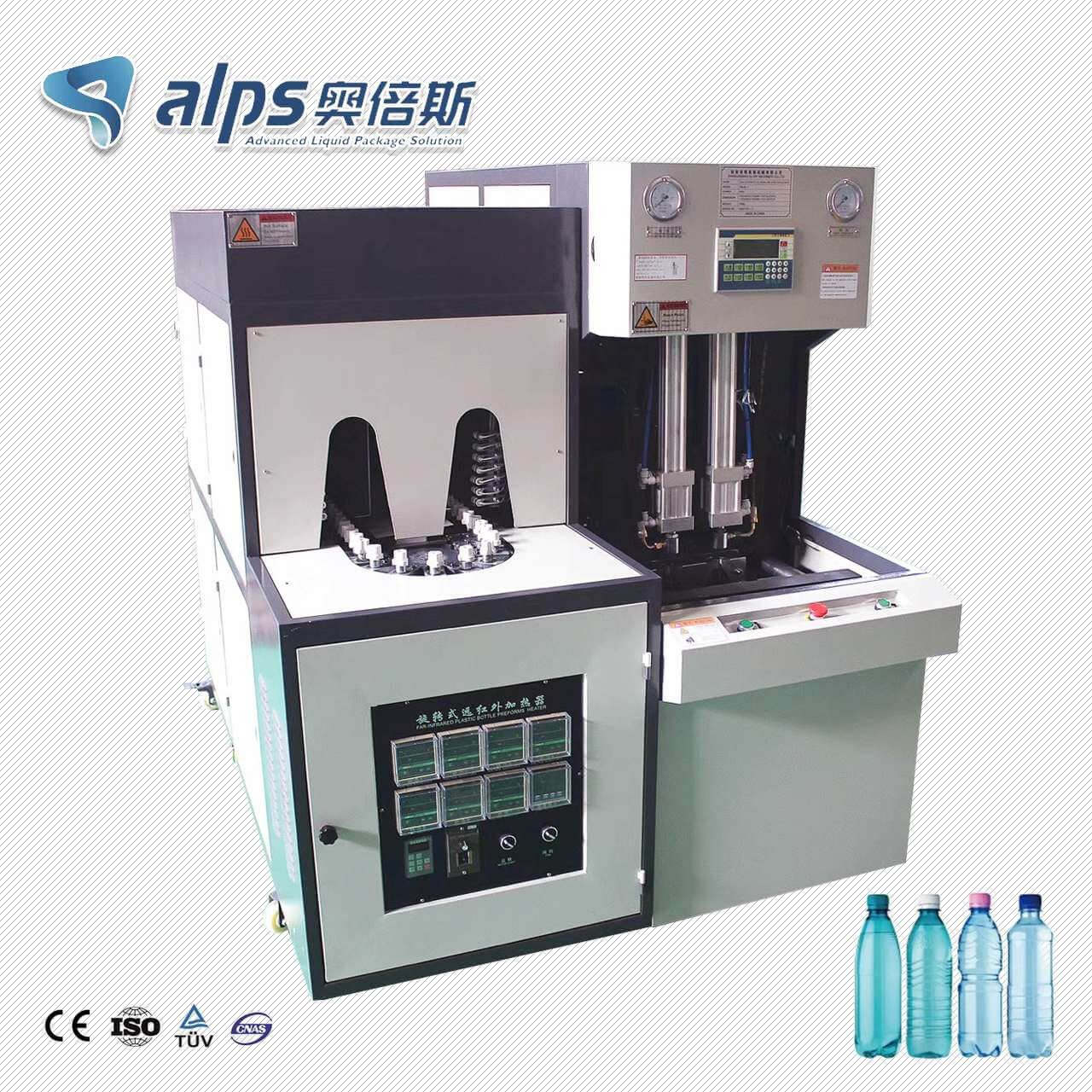
The bottle starts with a PET preform, whose weight and resin usage directly affect material cost. If bottles are produced in-house, blow molding also adds energy, labor, and equipment costs.
Packaging
Each finished bottle also requires supporting materials such as:
Caps
Labels
Shrink film or cartons
Water and Energy
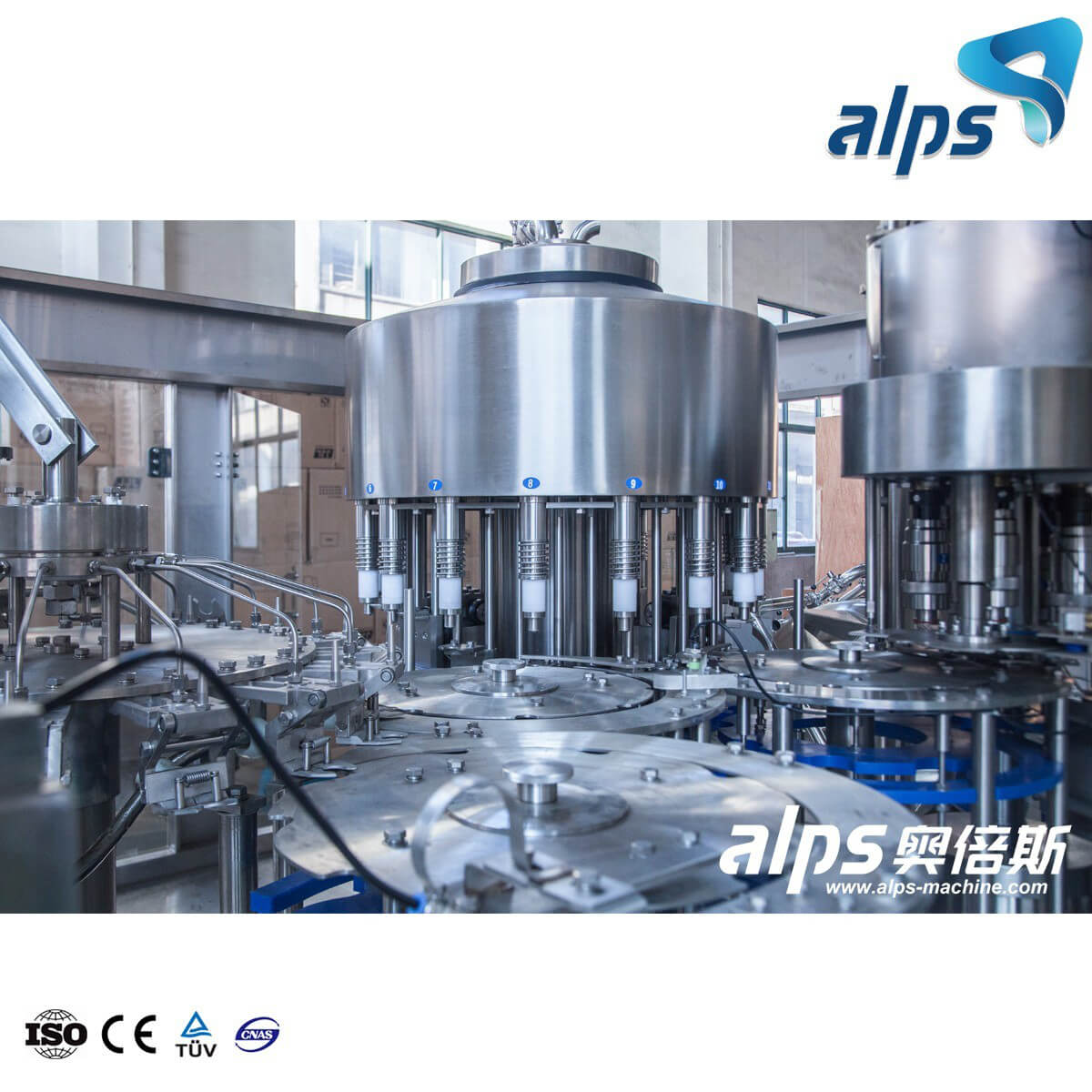
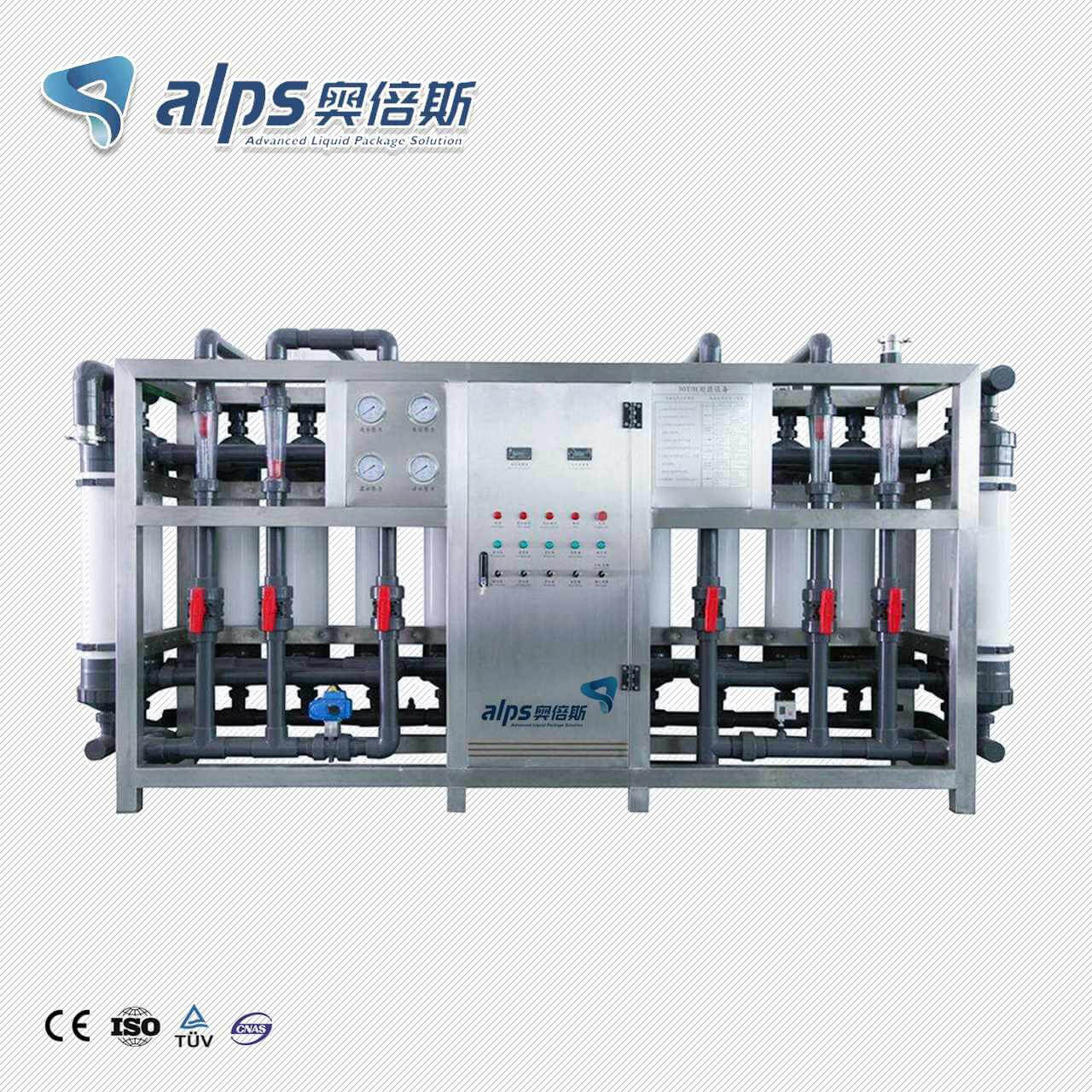
Water treatment machine requires filtration and disinfection, while electricity is used for blowing, pumping, filling, cooling, and compressed air.
Filling and Packing
Filling, labeling, and packing add equipment, labor, maintenance, and depreciation costs. Higher automation can reduce labor requirements but increases equipment investment.
Losses
Scrap, rejected bottles, product loss, changeovers, and downtime increase the cost of each saleable bottle. These losses should be included when calculating the final unit cost.
The true cost per 500ml bottle should be based on total production expenses and the number of good bottles actually produced.
Cost per bottle = Total production cost÷Good bottles produced
Good bottles should account for actual line efficiency and production losses:
Good bottles = Rated output×fficiency×(1−Scrap rate)
A line rated at 2,000 bottles per hour runs at 85% efficiency with a 2% scrap rate:
Good output≈2,000×85%×98%
Good bottles≈1,666 per hour
If the total hourly production cost is $67.54, the cost is approximately $0.041 per good bottle.
This approach gives a more realistic unit cost because it accounts for bottles that cannot be sold, rather than dividing expenses by theoretical machine output.
A water plant can either purchase empty 500ml bottles from a supplier or produce them from PET preforms on site. The better option depends on production volume, available space, investment capacity, and local supply conditions.
Factor | Make In-House | Buy Empty Bottles |
Initial investment | Higher | Lower |
Bottle supply | Controlled internally | Depends on supplier |
Transport | Lower bottle logistics | Higher due to bulky bottles |
Production flexibility | More control over bottle design | Limited to supplier options |
Operating cost | Includes blowing and maintenance | Includes purchase price and delivery |
Best fit | Larger or stable production | Smaller or flexible production |
The decision should be based on total cost per usable bottle, including equipment, labor, energy, transport, storage, and losses. A lower purchase price does not necessarily mean a lower overall cost.
Once the true unit cost is clear, the next step is to identify where production efficiency can be improved. Cost reduction does not always require major equipment changes.
Use Less PET
Optimize preform weight and bottle design without compromising bottle strength. Lower material usage can reduce the cost of every bottle produced.
Improve Line Efficiency
Keep the filling and packing line running at a stable rate. Reduce:
Unplanned downtime
Frequent changeovers
Minor stops
Production bottlenecks
Cut Production Losses
Monitor rejected bottles, filling losses, labeling errors, and packaging waste. Even small reductions in scrap can lower the cost per good bottle.
Control Energy
Maintain blow molding, compressed-air, cooling, and water-treatment systems properly to avoid unnecessary energy consumption.
Match Capacity
Choose equipment capacity according to actual demand. Oversized equipment can increase investment and operating costs without improving unit economics.
The cost to produce a 500ml bottle of water depends on more than water and packaging materials. PET usage, energy, labor, equipment, production efficiency, scrap, and downtime all affect the final cost per good bottle. Calculating these factors together provides a more realistic basis for comparing production options and identifying cost-saving opportunities.
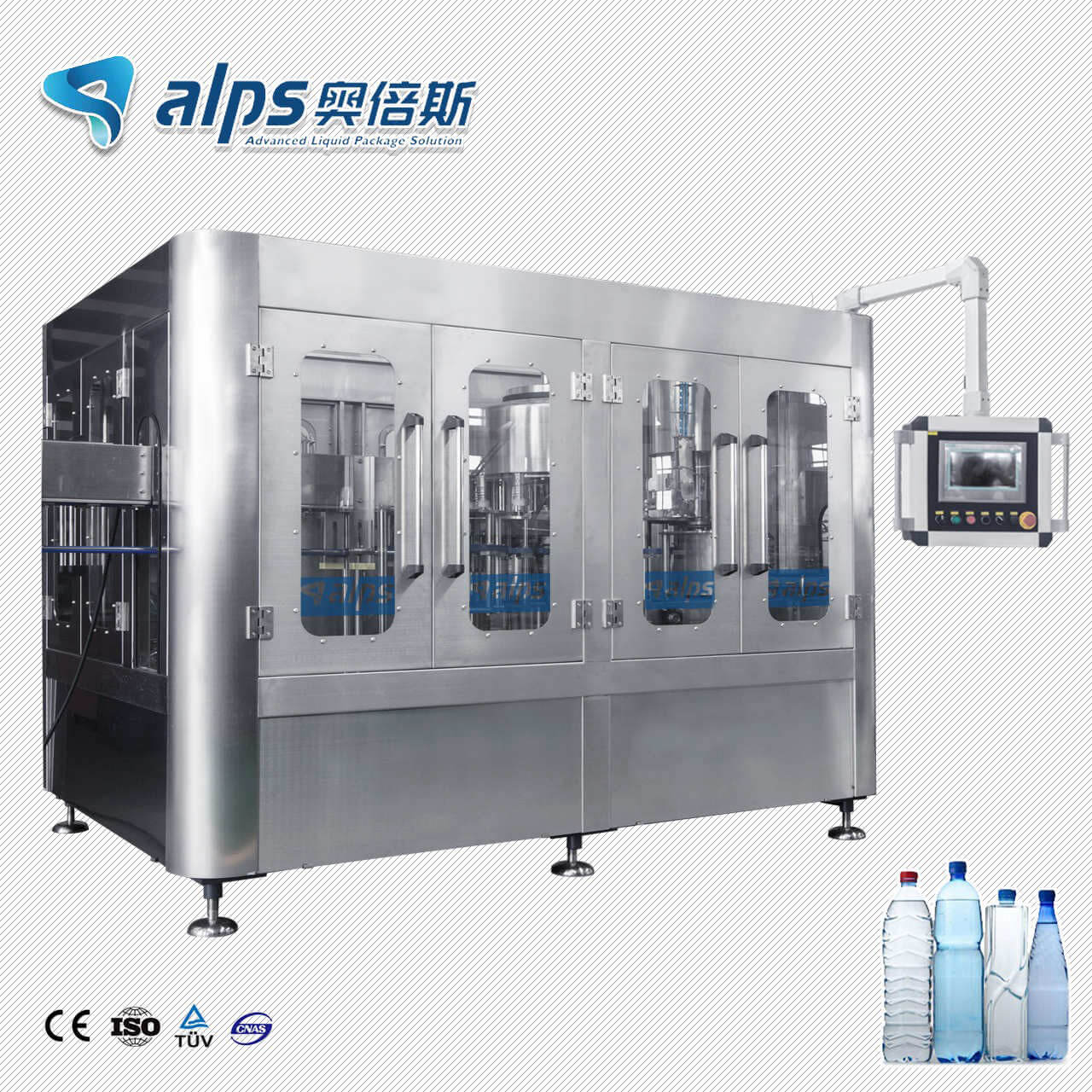
For businesses planning a new bottling operation or upgrading an existing line, the right equipment and production layout can make a significant difference. Alps Machine provides beverage filling machine and packaging machine as well as turnkey plant solutions. Contact Alps Machine today to discuss your production requirements and build a cost-efficient 500ml bottled water line.




By continuing to use the site you agree to our privacy policy Terms and Conditions.