Advanced Liquid Package Solution
Any question?
Get in touch


Pressure filling for liquids describes several ways of using positive pressure to move product into a container. The term may refer to a pump-fed pressure-overflow filler, a positive-displacement dosing system, or a counter-pressure process for carbonated beverages. These machines do not use the same valve cycle or control the same result.
A buyer should first identify the product, container and quantity to control. The next step is to define whether the liquid can be exposed to the atmosphere, whether the container must be sealed at the valve, and whether dissolved gas must remain in the product. Those decisions narrow the choice among atmospheric, isobaric, pressure-assisted and vacuum filling.

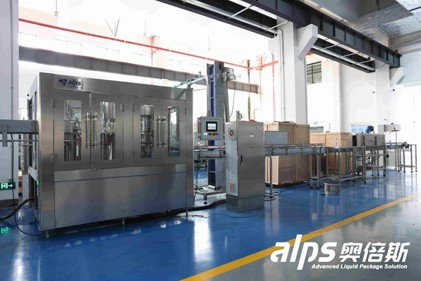
Pressure filling starts upstream: product conditioning supply pressure and controls must be specified with the filler. Source ALPS Machinery
Oklahoma State University Extension separates pressure overflow from counter-pressure filling. In pressure overflow, a pump or another pressure source moves product to a fill-to-level valve. In counter-pressure filling, the valve seals on the container and gas brings the package close to the product pressure before liquid enters. This distinction explains why the phrase pressure filling machine needs a product and process description.
Pressure can also supply product to a volumetric or flow-meter system. In that case, the pressure moves the liquid while the piston, meter, weight signal, timer or level device controls the delivered quantity. Supply force and dosing method are separate parts of the specification.
Method | How liquid moves | Typical control target | Starting application |
Atmospheric or gravity | Liquid head above the valve | Fill level or measured quantity | Still free-flowing liquids |
Isobaric or counter pressure | Small pressure difference after container pressurization | Level or measured quantity with controlled venting | Carbonated beverages |
Pressure assisted | Pump, pressurized tank or positive-displacement device | Level, time, volume, mass or piston stroke | Still liquids needing assisted flow or a defined dose |
Vacuum | Pressure difference created by a vacuum at the container | Usually a consistent fill level | Suitable liquids in rigid containers that can seal at the valve |
The table is a screening tool rather than a model recommendation. Viscosity, temperature, foam, particles, oxygen sensitivity, container rigidity, closure timing and cleaning requirements can change the final design.
Atmospheric filling keeps the product tank and open container near ambient pressure. Liquid moves through the valve under its own head. It is a common starting point for still water and other low-viscosity products when the process permits atmospheric filling.
Gravity describes the driving force. It does not state how the machine decides that filling is complete. One valve may stop at a defined liquid level, while another system measures volume. If bottles vary internally, a consistent visible level can still contain different quantities. The request for quotation should state whether acceptance is based on level, volume or weight.
Isobaric filling is also called counter-pressure filling. The container seals against the valve and is pressurized close to the product-tank pressure. Product enters under a controlled pressure difference as gas leaves through a return or vent path. The valve closes before the headspace is decompressed and the container moves to capping or seaming.
Krones describes a PET system that starts filling after equal pressure exists in the tank and bottle, then measures the delivered quantity with a flow meter and reduces headspace pressure after filling. KHS states that carbonated beverages are filled under pressure to reduce carbon dioxide loss and excessive foaming. These examples show that pressure balance, measurement and decompression are all part of the duty.
ALPS covers the carbonated filling cycle, PET, glass and can considerations, utilities and acceptance tests in its isobaric filling guide. This article keeps that subject concise so the existing guide remains the owner of the detailed counter-pressure topic.

The valve container seal and pressure sequence are central to counter-pressure filling performance. Source ALPS Machinery
A pressure-assisted system uses a pump, a pressurized product tank or a positive-displacement device to move liquid. Pressure overflow applies this force to a valve that fills to a defined level and returns excess product. Pump and piston systems can instead deliver a programmed quantity. A flow meter can measure the liquid while supply pressure keeps the product moving through the circuit.
Pressure assistance can help when gravity head is insufficient, when the line needs recirculation, or when the product requires a controlled mechanical dose. It is not a universal answer for viscous liquid. A thick product may need a piston, lobe pump, gear pump or another path sized around viscosity, particles and shear. The supplier needs product data at the intended filling temperature because viscosity often changes with temperature.
When the dose is measured electronically, review the separate ALPS flow meter filling machine guide. It explains how product pressure, tank level, meter selection and valve response work together in the dosing loop.
Vacuum filling creates a pressure difference that draws liquid into a container. Many systems seal on the container finish and use a vent or return path to establish a repeatable fill height. The container must remain stable under the applied vacuum and must present a finish that can seal reliably at the valve.
Vacuum is often discussed beside pressure filling because both methods use a pressure difference. The machine cycle is different. A vacuum system lowers pressure on the receiving side, while a pressure-assisted system raises pressure on the product side. Ask the supplier to state the product path, vacuum source, overflow or return route, container requirements and cleaning procedure.

Container support and the valve interface determine whether a pressure-controlled cycle can run reliably. Source ALPS Machinery
Isobaric filling is one pressure-controlled process, but pressure filling can also describe pump-fed level filling or positive-displacement dosing. Carbonation is the dividing question. If the product contains dissolved carbon dioxide that must remain in solution, the buyer normally evaluates counter-pressure conditions, product temperature, gas handling, venting and staged decompression. A still product may use pressure only to supply the valve or dosing device.
The container also changes the answer. A PET bottle, glass bottle and can have different support, sealing and closing requirements. A carbonated package must tolerate the agreed operating conditions. A vacuum-level filler needs a rigid container that does not collapse. A non-contact pressure or flow-meter filler may suit a different bottle family. Samples and drawings should be reviewed before the machine layout is frozen.
Decision input | What to provide | Why it changes the filler |
Carbonation and gas | CO2 range, filling temperature, oxygen sensitivity and gas specification | Determines whether the container needs pressurization, purging and controlled decompression |
Flow behavior | Viscosity at fill temperature, foam, particles, settling and shear limit | Changes the pump, valve, nozzle, product passage and possible output |
Control target | Level, volume or mass plus sampling and acceptance method | Separates fill-to-level systems from measured-dose systems |
Container and closure | Material, dimensions, neck finish, strength, drawings, samples and format range | Defines sealing at the valve, handling, change parts and transfer to closing |
Hygiene and cleaning | Product-contact boundary, CIP scope, chemicals, temperatures, drainability and manual tasks | Changes the circuit, seals, return paths and cleaning sequence |
Production duty | Sellable output by product and package, shift pattern, changeovers and expected stops | Provides a common basis for sizing the filler and connected line |
Fill level, volume and mass answer different production questions. A level filler can make bottles look uniform on the shelf. A volumetric or mass-based system can target a measured quantity even when bottle geometry varies. The suitable method depends on the label declaration, product value, package variation and the agreed inspection procedure.
NIST Handbook 133 provides current US procedures for checking the net contents of packaged goods. Its testing framework is separate from the machine design, but it shows why a supplier quotation should state the fill target, sampling method and acceptance limits instead of relying on a general accuracy claim.
A useful request for quotation gives the machine supplier enough information to select the filling cycle and test it. Include the following items.
· A product matrix with carbonation, filling temperature, viscosity, foam, particles, oxygen sensitivity and approved processing conditions.
· Container and closure drawings, materials, dimensions, samples and every launch format.
· The required fill target, verification method, sample size and pass or fail limits.
· Sellable output for each priority product and package, including start, stop and restart conditions.
· Product supply pressure and temperature, recirculation needs, allowable hold time and connection points.
· Cleaning scope, CIP interfaces, utilities, drainage, changeover tasks and operator access.
· The FAT and SAT media, test duration, records, reject rules and action after a failed test.
After the filling method is clear, use the ALPS guide on how to choose a beverage filling machine to compare capacity, automation, hygiene, line compatibility and supplier scope. Buyers can then review ALPS beverage filling equipment and send the product and package data through the ALPS contact page.

The supplier brief should connect pressure release bottle transfer and closing as one operating sequence. Source ALPS Machinery
Pressure-assisted systems can handle still liquids that need pump-fed flow, level filling with recirculation, or measured dosing. Carbonated beverages use a more specific counter-pressure process. The final choice depends on viscosity, temperature, foam, particles, gas content, container and cleaning requirements.
No. Counter-pressure filling seals and pressurizes the container to control the transfer of carbonated product. Pressure filling can also describe a pump-fed overflow filler or another system in which positive pressure moves still liquid to a valve or dosing device.
Gravity filling relies mainly on liquid head above the valve. Pressure filling adds force from a pump, pressurized tank or positive-displacement device. Either arrangement can use level control or a measured dose, so the control target must be stated separately.
Higher pressure can increase flow only within the limits of the product, valve, nozzle, vent path, container and control system. Excess pressure may increase foam, turbulence, splashing or cutoff error. Output should be confirmed with the intended product and package under agreed inlet conditions.
Some systems are designed for both duties, but the quotation must identify the approved products, containers, valve programs, pressure and temperature ranges, changeover steps, cleaning sequence and output for each priority format. A general flexibility claim is not an acceptance criterion.
State whether the target is level, volume or mass. Then define the product and temperature, container, sample size, test duration, calculation method, allowable variation and action after a failed result. Confirm the method during factory and site acceptance testing.
A pressure-assisted filler can handle a hot product only when the complete system is designed for the agreed temperature and process. Confirm the product circuit, seals, valves, container, closure, temperature control, cleaning procedure and operator protection. The term pressure filling does not establish a hot-fill preservation process by itself.
Pressure overflow may be considered when the product needs pump-fed circulation or when gravity head cannot provide stable flow across the operating range. The buyer should still confirm foam, return flow, product exposure, heat gain, cleaning and fill-level repeatability with the intended liquid and container.
Use the agreed product or documented test medium, intended containers and closures, and stated inlet conditions. Record sustained output, fill result, foam or loss, rejects, start and restart behavior, alarms, cleaning sequence and utility conditions. Define the sample method and pass or fail limits before the test begins.


By continuing to use the site you agree to our privacy policy Terms and Conditions.