Advanced Liquid Package Solution
Any question?
Get in touch


A poor equipment match can lead to excessive foam, inaccurate fill levels, contamination risks, slow production, and unnecessary product loss. A filling machine is also only one part of a complete beverage production system. For a broader overview of processing stages and line equipment, see our drinks production process and production line guide. This guide explains the key factors to compare before selecting a filling solution.
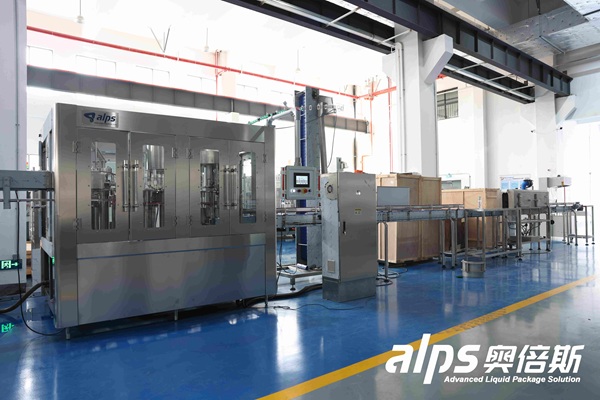
The beverage itself should determine the filling method before you compare machine speed or price. Pressure, temperature, foam, and solid content all affect how the product moves through the beverage filling machine.
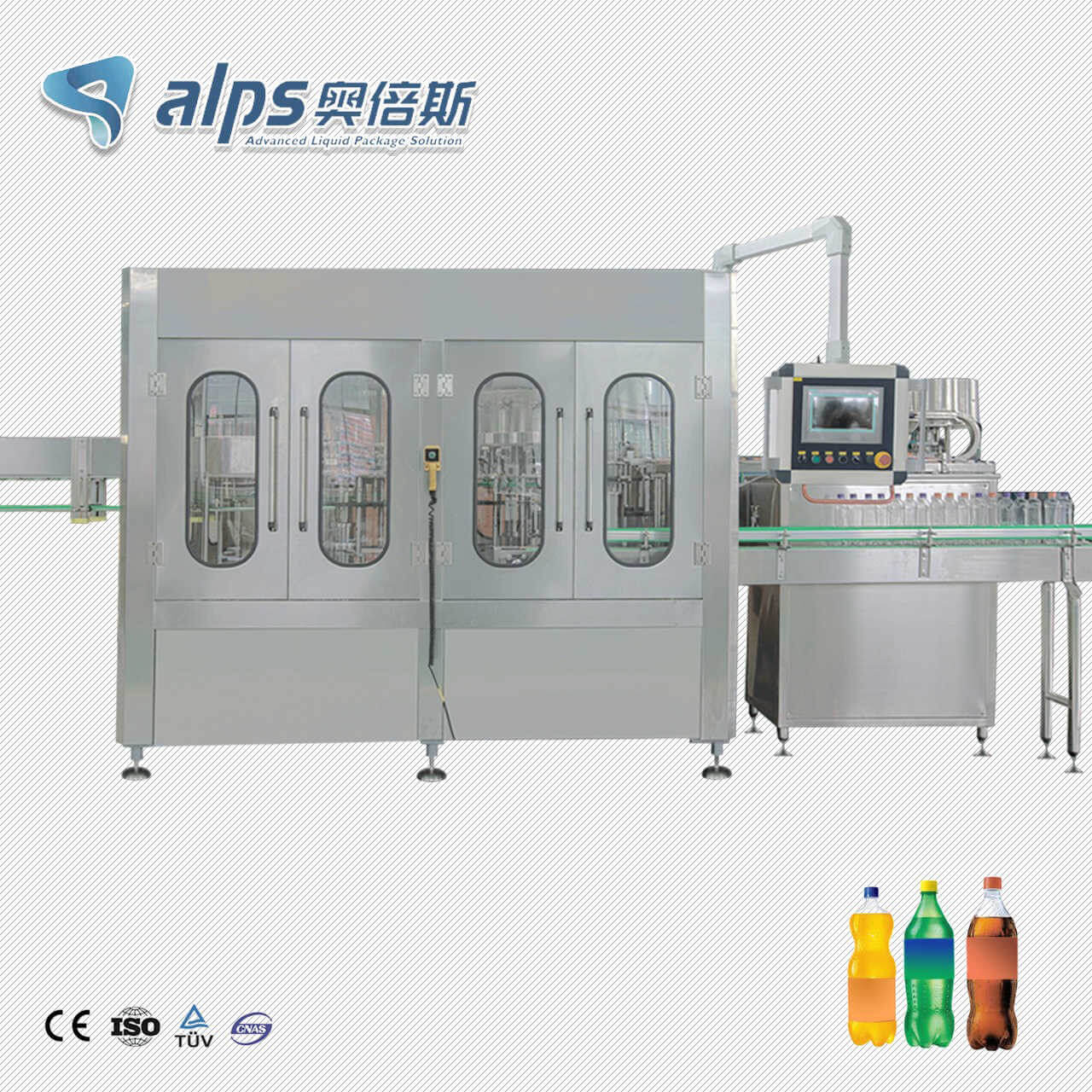
Carbonated soft drinks, beer, sparkling water, and similar products usually require counter-pressure or isobaric filling. This keeps the container and product pressure balanced, helping reduce foam and CO₂ loss. Water and other low-viscosity still beverages can often use gravity or flow meter filling.
Juice and tea may use hot filling when the process requires heat treatment and ambient shelf life. Products that are sensitive to heat, flavor loss, or nutrient damage may need cold or aseptic filling instead.
Foamy beverages require controlled pressure, filling speed, and nozzle position. Without proper control, foam can cause uneven fill levels, product waste, and lower actual output.
Drinks containing pulp, nata de coco, aloe pieces, or other particles need wider product passages and suitable filling valves. Always provide the particle size and concentration when discussing equipment with a supplier.
Once the product characteristics are clear, the next step is to match them with the right filling method. Each technology controls liquid flow, pressure, temperature, or volume differently, so the choice affects accuracy, product quality, and production efficiency.
| Filling Method | Suitable Beverages | Key Benefit |
| Gravity Filling | Water and still, low-viscosity drinks | Simple operation and efficient filling |
| Overflow Filling | Clear beverages requiring equal liquid levels | Consistent visible fill level |
| Volumetric / Flow Meter Filling | Juice, tea, and measured-volume drinks | Good filling accuracy |
| Counter-Pressure Filling | Carbonated soft drinks, beer, and sparkling beverages | Reduces foam and CO₂ loss |
| Hot Filling | Juice, tea, and shelf-stable drinks | Supports longer ambient shelf life |
| Aseptic Filling | Dairy and heat-sensitive long-shelf-life beverages | High hygiene with limited heat damage |
When two technologies appear suitable, ask the supplier to test the actual beverage and container. A practical filling test can confirm fill accuracy, foam control, product loss, and achievable output before the final equipment configuration is approved.
Container material
Filling volume
Diameter and height
Neck finish
Cap or lid type
Number of container sizes
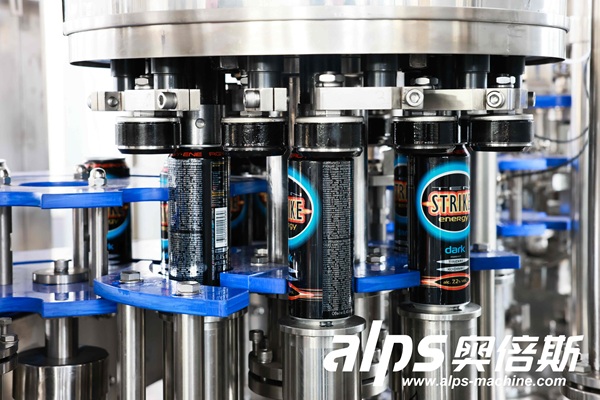
These details affect the filling valves, guides, star wheels, conveyors, and closure equipment used in the line. If several bottle or can formats will be produced, also ask how long changeover takes. In multi-format production, fast and simple changeover can be more valuable than the beverage filling machine’s maximum rated speed.
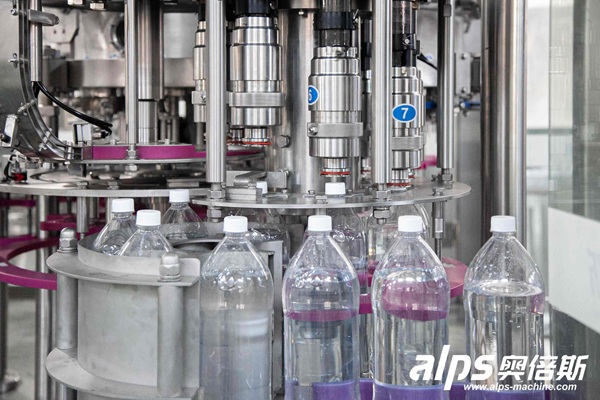
Required hourly capacity = Daily production target ÷ Effective production hours
Choose a machine with reasonable spare capacity for seasonal demand and future growth. However, an oversized system may increase equipment cost, energy use, and maintenance without improving day-to-day production efficiency.
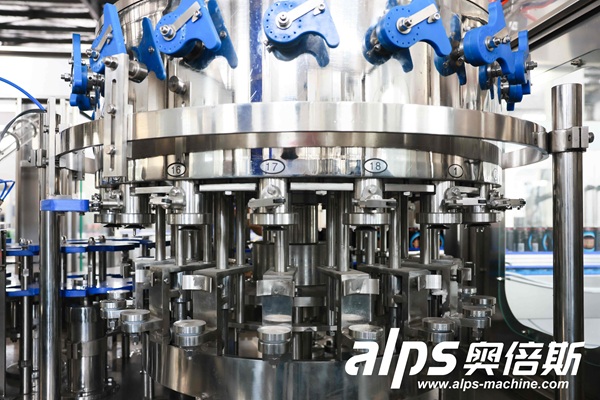
| Automation Level | Suitable Application |
| Manual | Samples, testing, and very small batches |
| Semi-Automatic | Startups and low-volume production |
| Automatic Inline | Medium output and multiple container sizes |
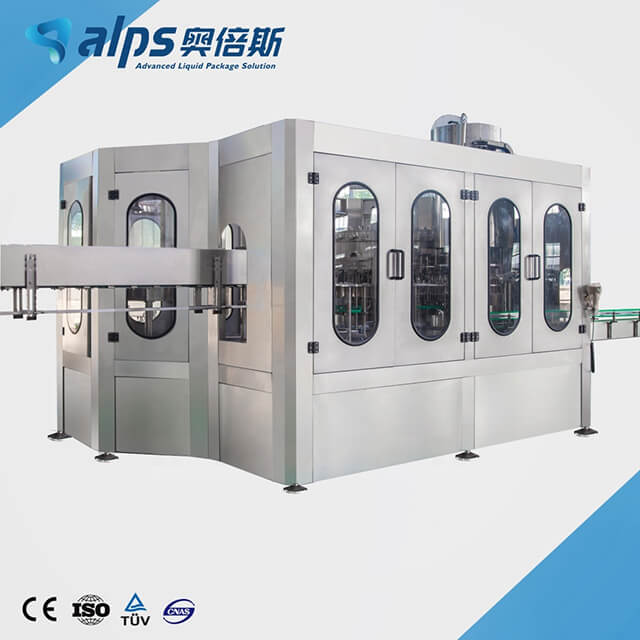
| Rotary Filling Machine | High-speed continuous production |
The right beverage filling machine should reflect actual order volume, local labor costs, available factory space, and future expansion plans. Higher automation can improve consistency and reduce labor, but it also increases equipment cost and maintenance requirements.
The filler must match the speed and control requirements of existing upstream and downstream equipment. Confirm that it can connect with the current conveyor, capper, or can seamer without creating bottlenecks. A filler that runs faster than the rest of the line will not increase actual output, while poor synchronization can cause container buildup, frequent stops, and unnecessary product loss.
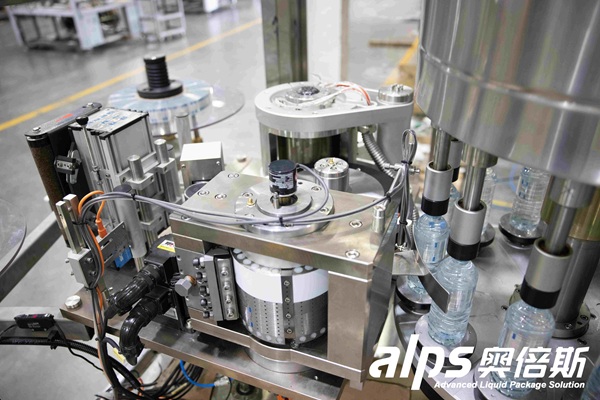
The quotation should clearly state what is included, such as shipping, installation, training, warranty, and spare parts. It should also identify any services that require additional payment. Providing complete product, container, and output information will help the supplier recommend a suitable configuration and prepare a more accurate quotation.
Beverage type
Carbonation level
Filling temperature
Viscosity or pulp size
Container material and volume
Bottle or can dimensions
Required bottles or cans per hour
Preferred automation level
Available factory space
Local voltage and utilities
Existing upstream and downstream equipment
Expected delivery date
Container drawings, product samples, and a basic factory layout can also help the supplier verify compatibility. The more complete the information, the easier it is to recommend the correct beverage filling machine, estimate changeover requirements, and design a suitable line layout. Clear project details also lead to a more accurate quotation, realistic delivery schedule, and fewer configuration changes later.
The right machine depends on carbonation, viscosity, pulp content, filling temperature, and container type. No single beverage filling machine is suitable for every product.
Carbonated soft drinks, beer, and sparkling water usually require a counter-pressure or isobaric filler. This helps control foam and reduce CO₂ loss during filling.
Many machines can handle multiple formats, but change parts may be required for guides, star wheels, filling valves, or conveyors. Provide the supplier with all bottle dimensions before finalizing the configuration.
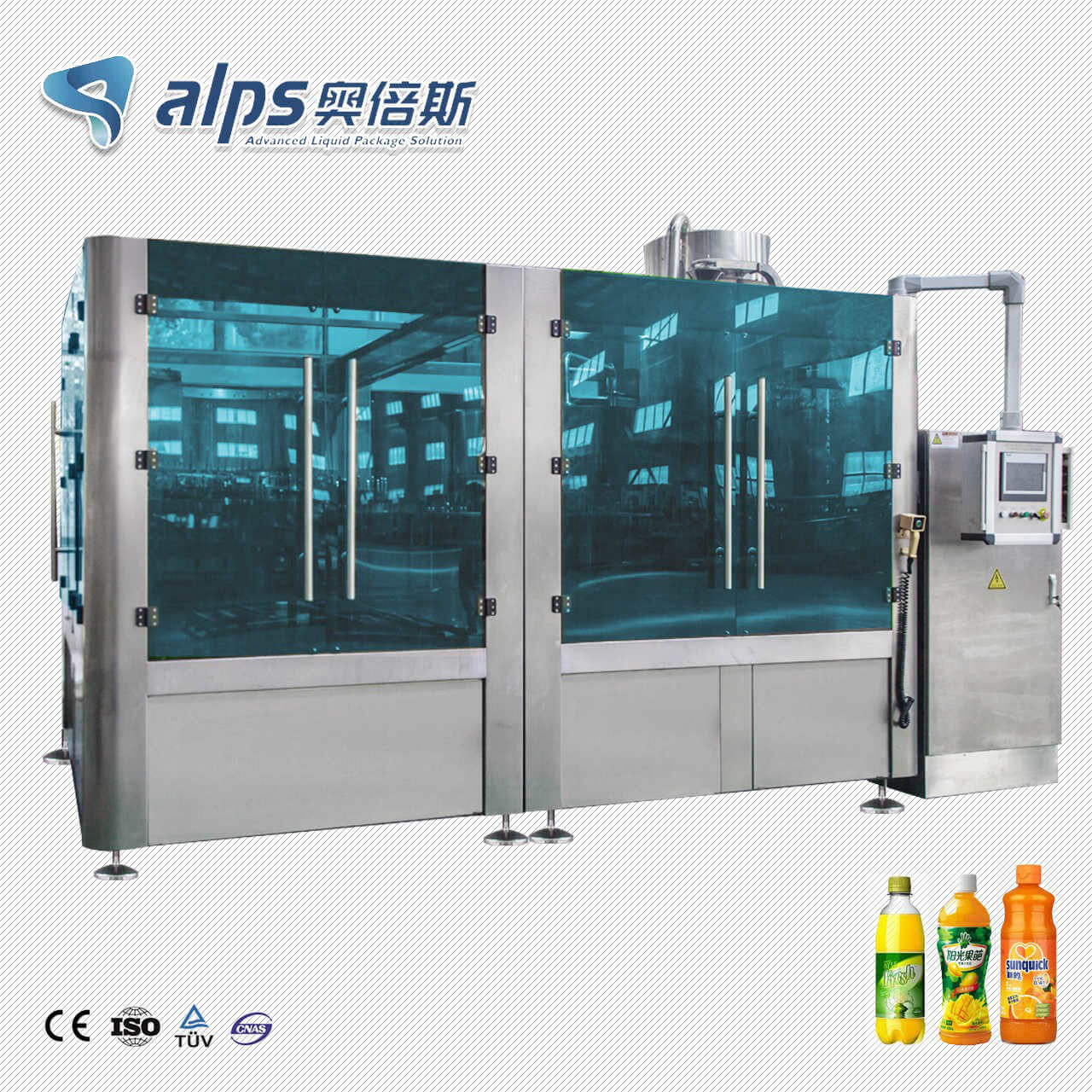
The price depends on filling technology, capacity, automation level, number of filling heads, and customization. An accurate quotation requires details about the beverage, container, expected output, and project scope.


By continuing to use the site you agree to our privacy policy Terms and Conditions.