Advanced Liquid Package Solution
Any question?
Get in touch


This guide explains drinks production from a beverage machinery and production line perspective, not from a co-packing or private-label service angle. You will learn how a beverage plant is typically organized, what equipment is used at each stage, and how production lines differ for bottled water, juice, carbonated drinks, energy drinks, and canned beverages. If you are planning a new beverage plant, you can also request a custom drinks production line configuration based on your product and target capacity.
Question | Short Answer |
What is drinks production? | It is the factory process of turning a beverage formula into a finished bottled, canned, or packaged drink. |
What equipment is used? | It depends on the drink type, but usually involves preparation, processing, filling, sealing, labeling, packing, and cleaning systems. |
Which drinks can be produced? | Bottled water, juice, carbonated drinks, energy drinks, tea drinks, beer, and canned beverages. |
For a more detailed breakdown of each factory stage, read our guide to the beverage manufacturing process.
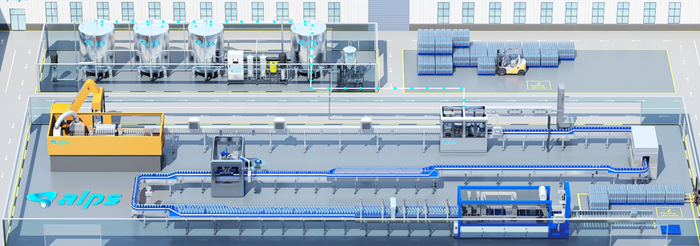
A drinks production process usually follows a connected flow, from treated water and prepared ingredients to filling, sealing, labeling, and packing. The exact process changes depending on the beverage type, container format, shelf-life target, and production capacity.
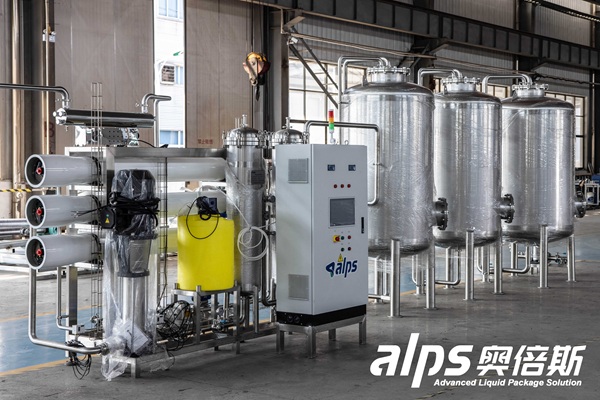
Water treatment is usually the first stage because water quality affects taste, stability, and food safety. Common equipment includes sand filters, carbon filters, RO systems, UV sterilizers, and ozone systems.
Ingredients such as sugar, flavors, acids, minerals, concentrates, or functional additives are measured and dissolved before production. Mixing tanks, syrup melting tanks, and beverage preparation systems help prevent clumping, uneven taste, or blocked pipelines.
This stage keeps the formula consistent before the drink enters processing or filling. Some beverages need a homogenizer for better texture and stability, while simpler products may only need a standard mixing system.
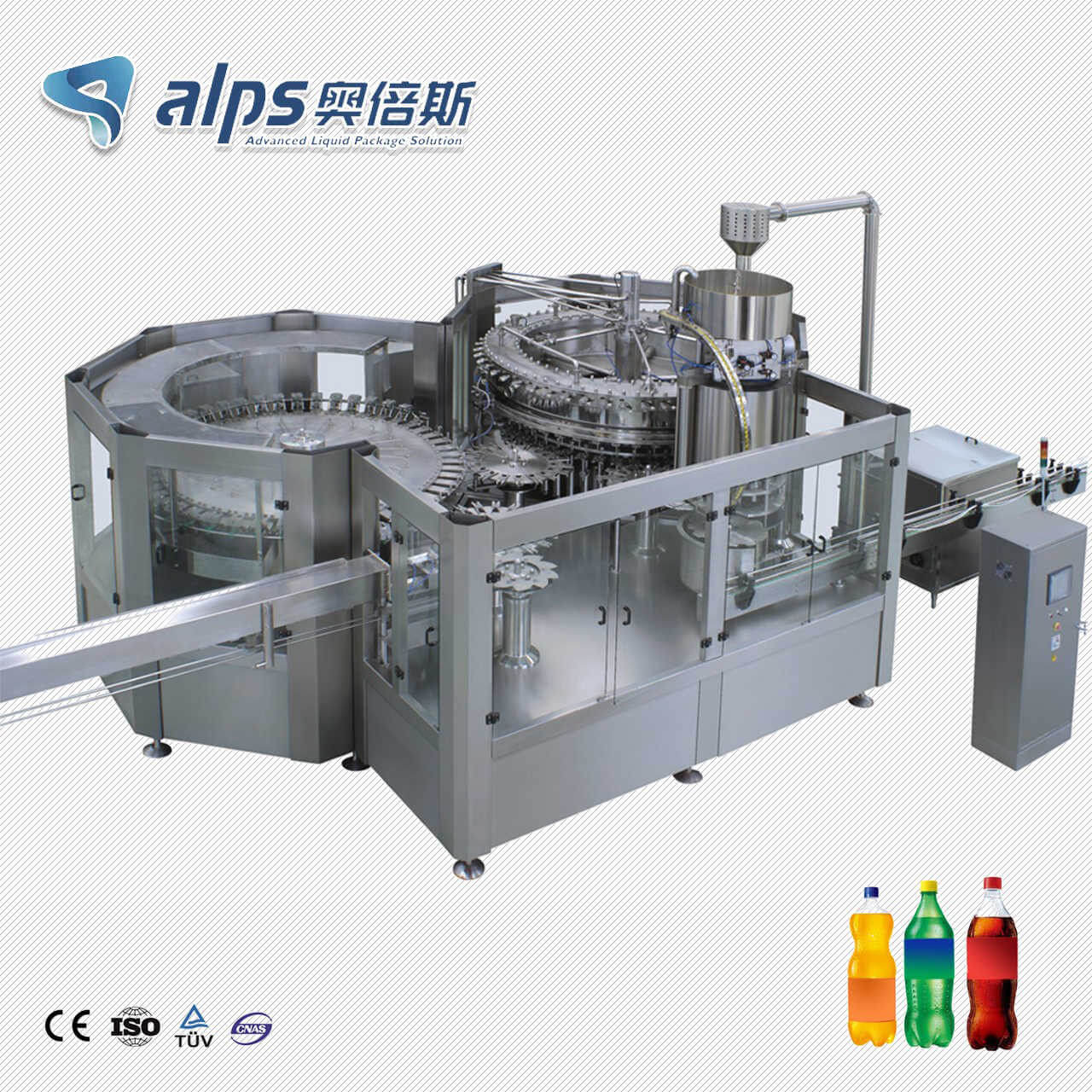
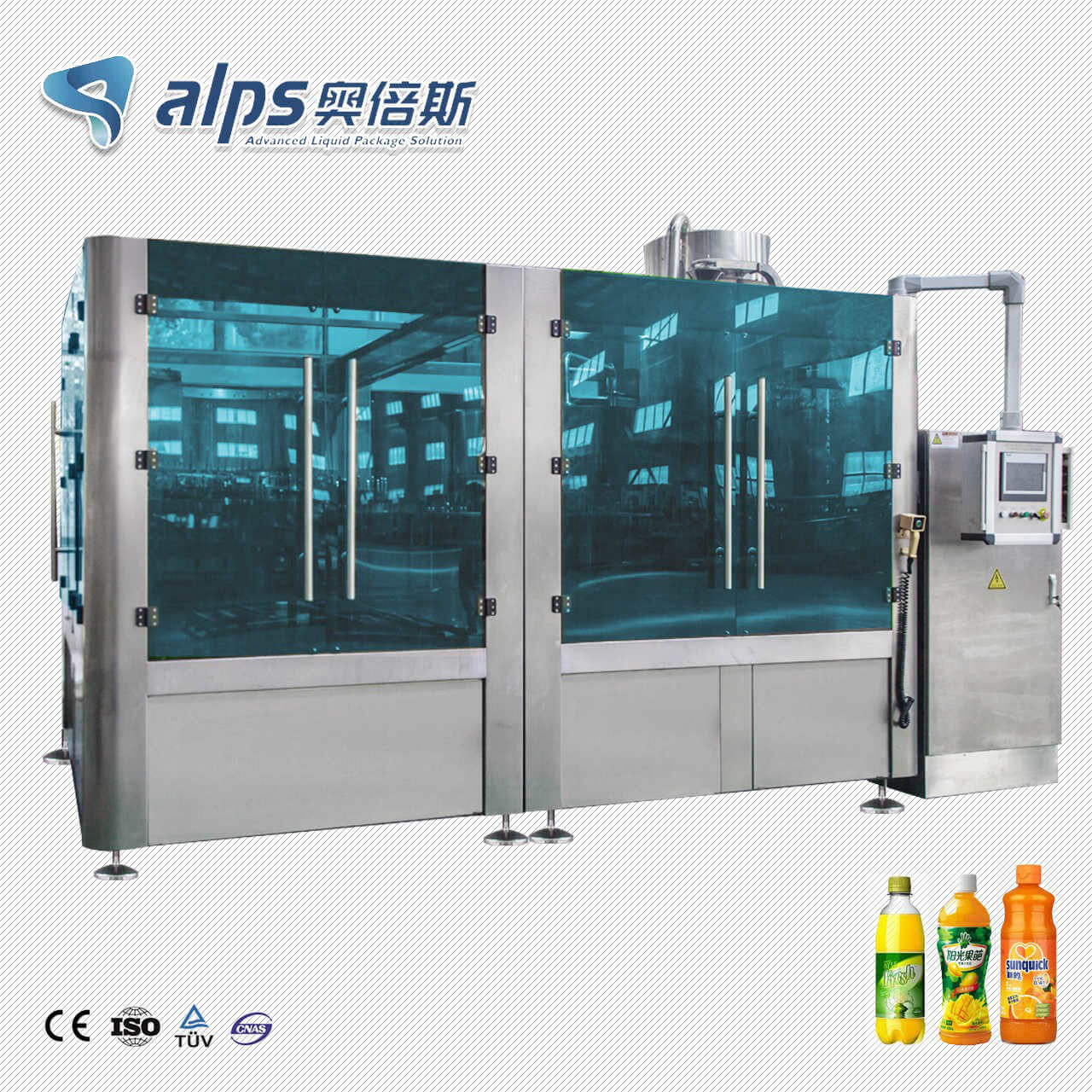
Carbonated drinks require controlled CO₂ injection, pressure, and temperature, so a carbonated drink production line usually includes carbonation and isobaric filling. Juice, tea, and heat-sensitive drinks may use a juice production line with sterilization, hot filling, or aseptic filling.
Containers must be cleaned or prepared before filling to reduce contamination and production interruptions. PET bottles may need bottle blowing, glass bottles usually need rinsing, and aluminum cans often require depalletizing and can rinsing.
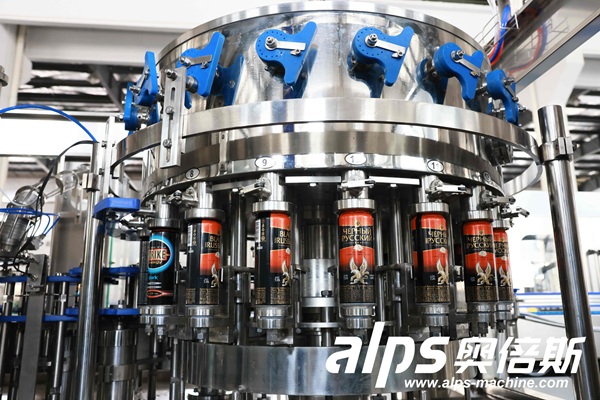
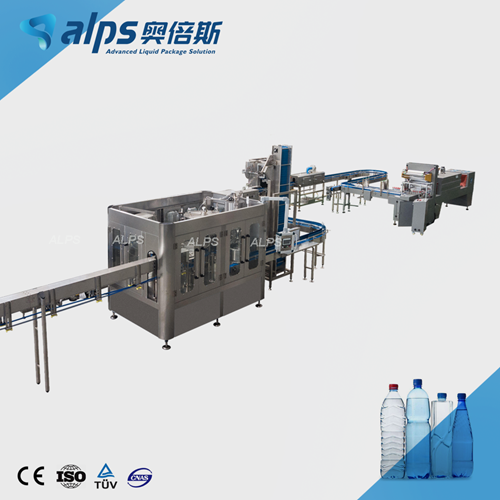
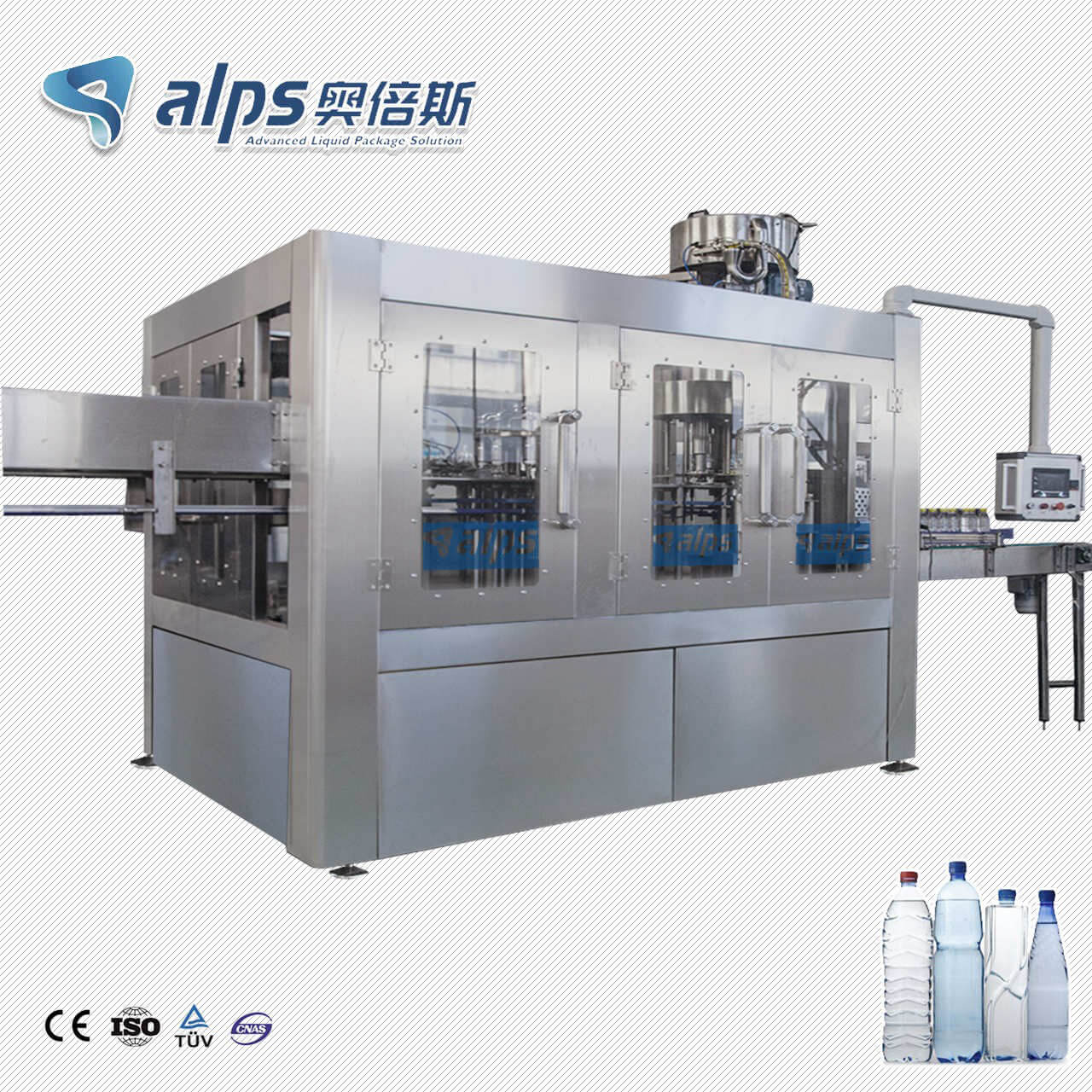
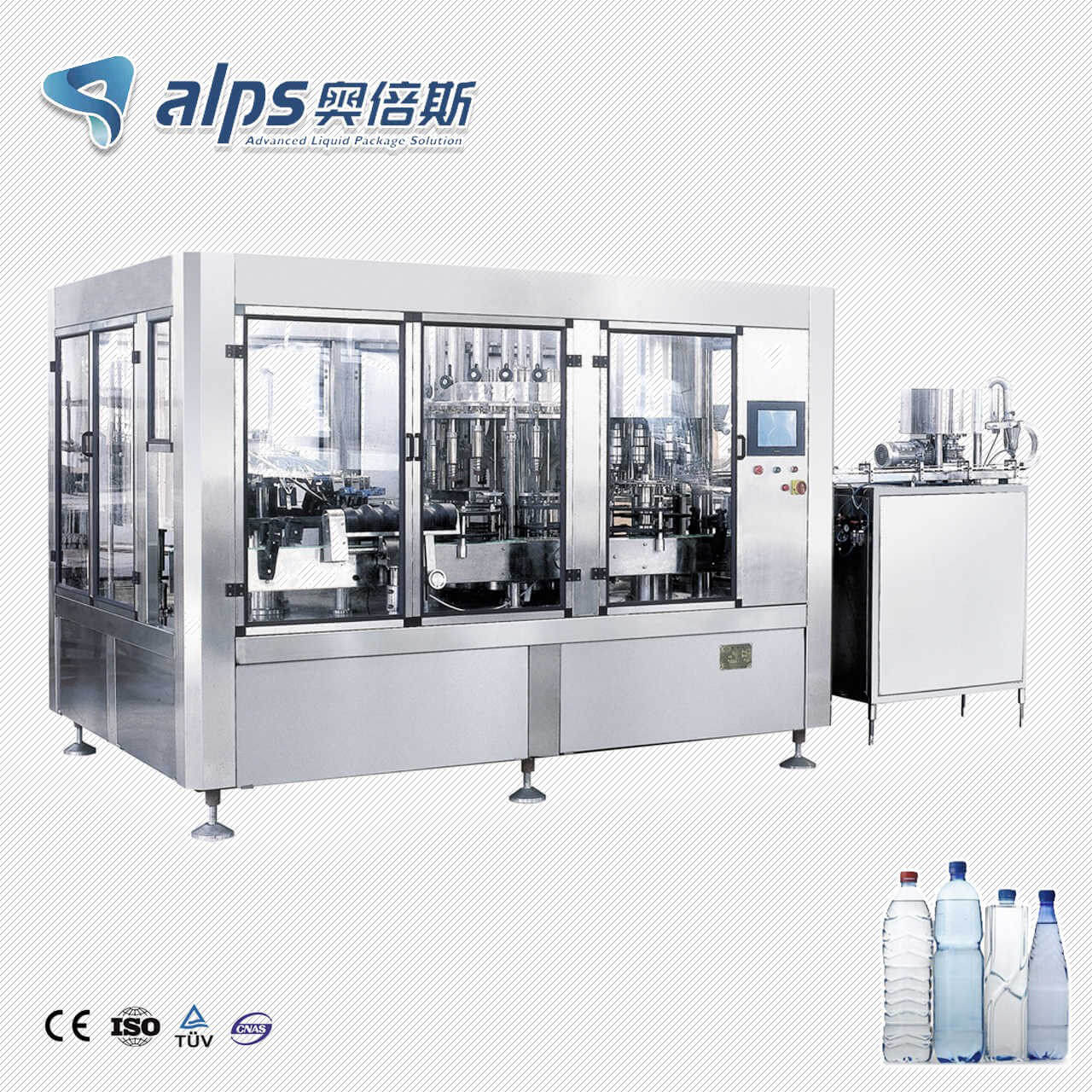
Filling moves the beverage into PET bottles, glass bottles, or cans, and the method must match the product type. Choosing the right beverage filling machine is important because water, juice, carbonated drinks, and canned beverages require different filling and sealing systems, including normal pressure filling, hot filling, isobaric filling, or a can filling machine.
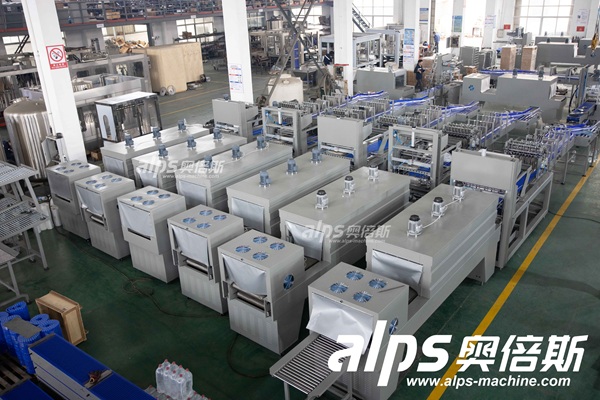
After sealing, the product moves to labeling, packing, and palletizing for storage and shipment. Shrink wrapping, carton packing, and palletizing should be planned with the filling line so the whole production flow remains stable and efficient.
Production Stage | Main Equipment | Function |
Water treatment | Sand filter, carbon filter, RO system, UV/ozone sterilizer | Purifies water and improves product consistency |
Preparation | Mixing tank, syrup melting tank, beverage preparation system | Dissolves sugar, flavors, additives, and functional ingredients |
Processing | Homogenizer, pasteurizer, UHT system, carbonated beverage mixer | Stabilizes product quality or adds CO₂ |
Container preparation | Bottle blowing machine, bottle rinser, can rinser | Prepares PET bottles, glass bottles, or cans before filling |
Filling and sealing | Beverage filling machine, capping machine, can seamer | Fills and seals the beverage into its final package |
Packaging | Labeling machine, shrink wrapper, carton packer, palletizer | Prepares finished products for storage and shipping |
Cleaning | CIP system | Cleans tanks, pipelines, and filling equipment |
For a deeper equipment-by-equipment explanation, see our full guide to beverage production equipment.
Beverage Type | Key Process | Typical Filling Method | Production Line Focus |
Bottled water | Water treatment, bottle blowing, rinsing, filling, capping | Normal pressure filling | Water quality, hygiene, speed |
Juice drinks | Mixing, sterilization, hot filling or aseptic filling | Hot filling / aseptic filling | Flavor stability and shelf life |
Carbonated drinks | Syrup mixing, carbonation, isobaric filling | Counter-pressure filling | CO₂ retention and foam control |
Energy drinks | Mixing, optional carbonation, bottle or can filling | Depends on formula | Ingredient stability and packaging |
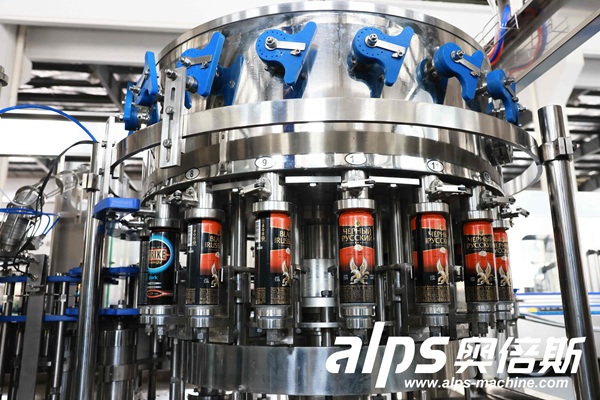
Canned drinks | Can rinsing, filling, seaming, pasteurization | Can filling and seaming | Seaming quality and leakage control |
Beer / sparkling drinks | Processing, carbonation, bottle, can, or keg filling | Pressure filling | Oxygen control and foam management |
When planning a drinks production line, it is useful to define the beverage type first, then confirm the bottle or can size, target capacity, filling temperature, carbonation level, and packaging format. These details help determine whether the line should be designed for normal filling, hot filling, aseptic filling, pressure filling, or can filling.
Beverage type: water, juice, CSD, tea, energy drink, beer, or canned drinks
Packaging format: PET bottle, glass bottle, aluminum can, or large bottle
Capacity: small, medium, or large-scale production
Filling method: normal pressure, hot filling, aseptic filling, or isobaric filling
Processing needs: pasteurization, UHT, carbonation, CIP cleaning, or sterilization
Automation level: semi-automatic, automatic, or full turnkey line
Get a Custom Drinks Production Line Configuration
Challenge | Why It Happens | How to Reduce the Risk |
Unstable water quality | Raw water changes by source, season, or local conditions | Use proper filtration, RO, UV, or ozone treatment |
Powder clumping | Sugar, citric acid, or functional powders are not fully dissolved | Use suitable powder feeding, mixing, and filtration |
Foam in carbonated drinks | CO₂, pressure, or temperature is not controlled well | Use stable carbonation control and isobaric filling |
Inaccurate filling volume | Filling method, pressure, or product viscosity is not matched | Match the filler to the beverage type and filling conditions |
Leakage after capping or seaming | Cap torque or can seaming is unstable | Use matched sealing equipment and regular inspection |
High downtime | Line layout, cleaning, or machine connection is poorly planned | Improve line integration, CIP design, and maintenance planning |
For carbonated beverages, foam is one of the most common production problems because it can slow filling, increase product loss, and affect startup efficiency. For juice, tea, and functional drinks, mixing quality and heat treatment are often more important because they affect flavor stability and shelf life.
Beverage type: water, juice, carbonated drinks, tea, beer, or canned beverages
Bottle or can size: small bottles, large bottles, glass bottles, PET bottles, or aluminum cans
Capacity requirement: low, medium, or high-speed production
Filling technology: normal pressure, hot filling, aseptic filling, or isobaric filling
Processing system: water treatment, sterilization, carbonation, UHT, or pasteurization
Packaging automation: labeling, shrink wrapping, carton packing, and palletizing
Factory layout: available space, utilities, conveyor design, and installation conditions
After-sales needs: local installation, operator training, spare parts, and maintenance support
To estimate a suitable line, suppliers usually need to know your beverage type, container size, hourly capacity, formula characteristics, and preferred automation level. These details help build a practical configuration instead of giving a rough machine price that may not fit the project.


By continuing to use the site you agree to our privacy policy Terms and Conditions.