Advanced Liquid Package Solution
Any question?
Get in touch


Water is a critical resource in industries such as beverage production, food processing, pharmaceuticals, and manufacturing. However, raw water from natural sources often contains suspended solids, microorganisms, and dissolved impurities. These contaminants can affect product quality and safety. Therefore, a reliable water treatment system is essential to ensure a clean and stable water supply. Many people ask a simple question: how many steps are involved in the water treatment process? The answer depends on the application and required water quality.
In general, the standard water treatment process for drinking water includes five main steps. These steps are widely used because they effectively remove most contaminants and ensure safe water quality. However, in industrial applications such as beverage production lines or pharmaceutical manufacturing, additional steps may be required. Advanced systems often include membrane filtration technologies such as reverse osmosis (RO) or ultrafiltration (UF). Therefore, while five steps form the foundation, modern industrial water treatment systems may include more stages for higher purification.
First, the process begins with coagulation. In this step, chemicals such as aluminum or iron salts are added to the water. These chemicals help small particles stick together, forming larger particles. As a result, impurities that are difficult to remove become easier to handle in later stages. This step is essential for improving the efficiency of the entire water purification process.
Next, the water moves into the flocculation stage. During this step, the water is gently mixed to allow the small particles formed in coagulation to combine into larger clusters called flocs. These flocs are heavier and easier to separate. This stage plays a key role in preparing the water for solid-liquid separation.
After that, sedimentation takes place. In this stage, the flocs settle to the bottom of the tank due to gravity. This process removes most of the suspended solids from the water. As a result, the water becomes much clearer before entering the next stage of treatment.
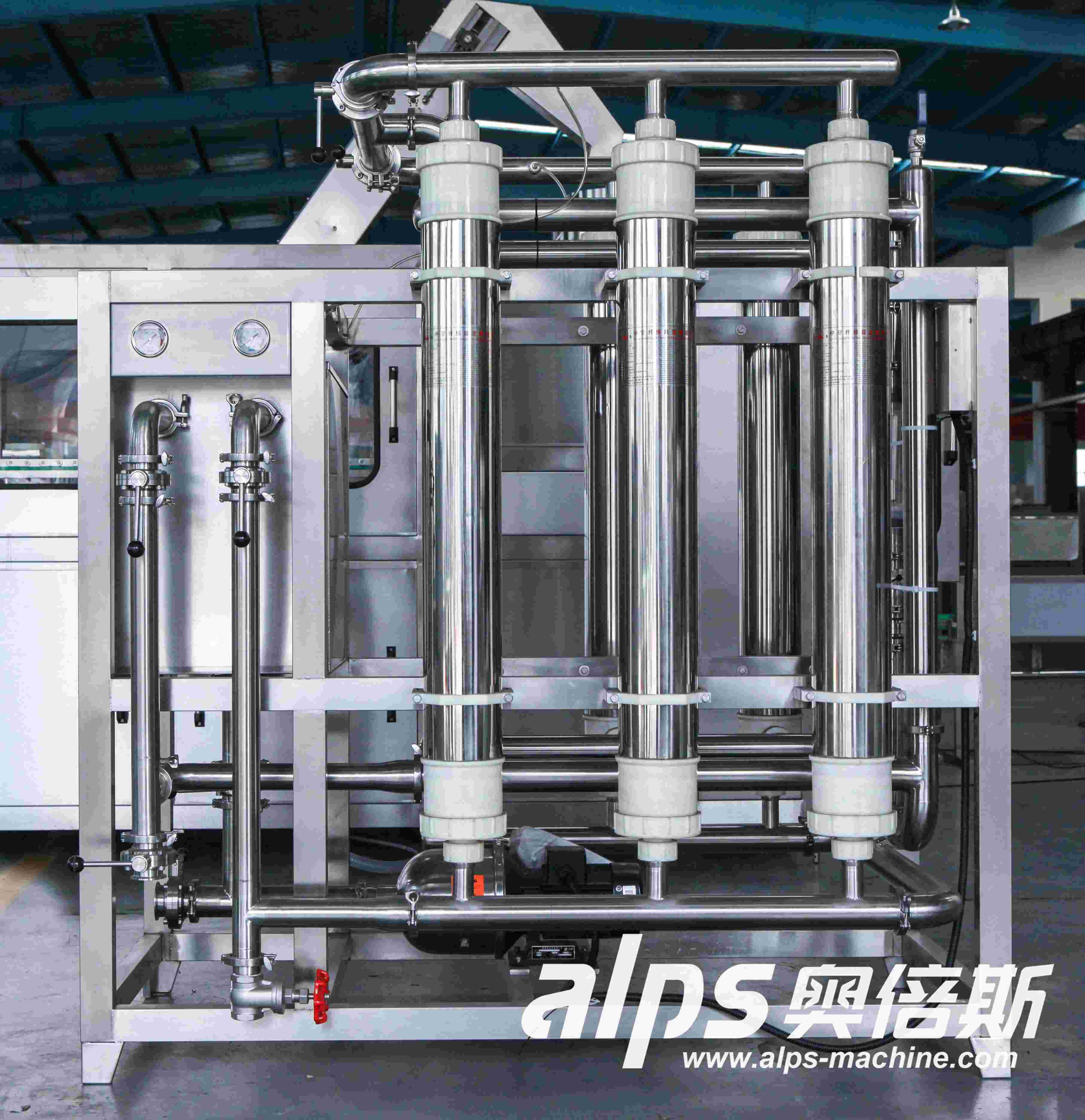
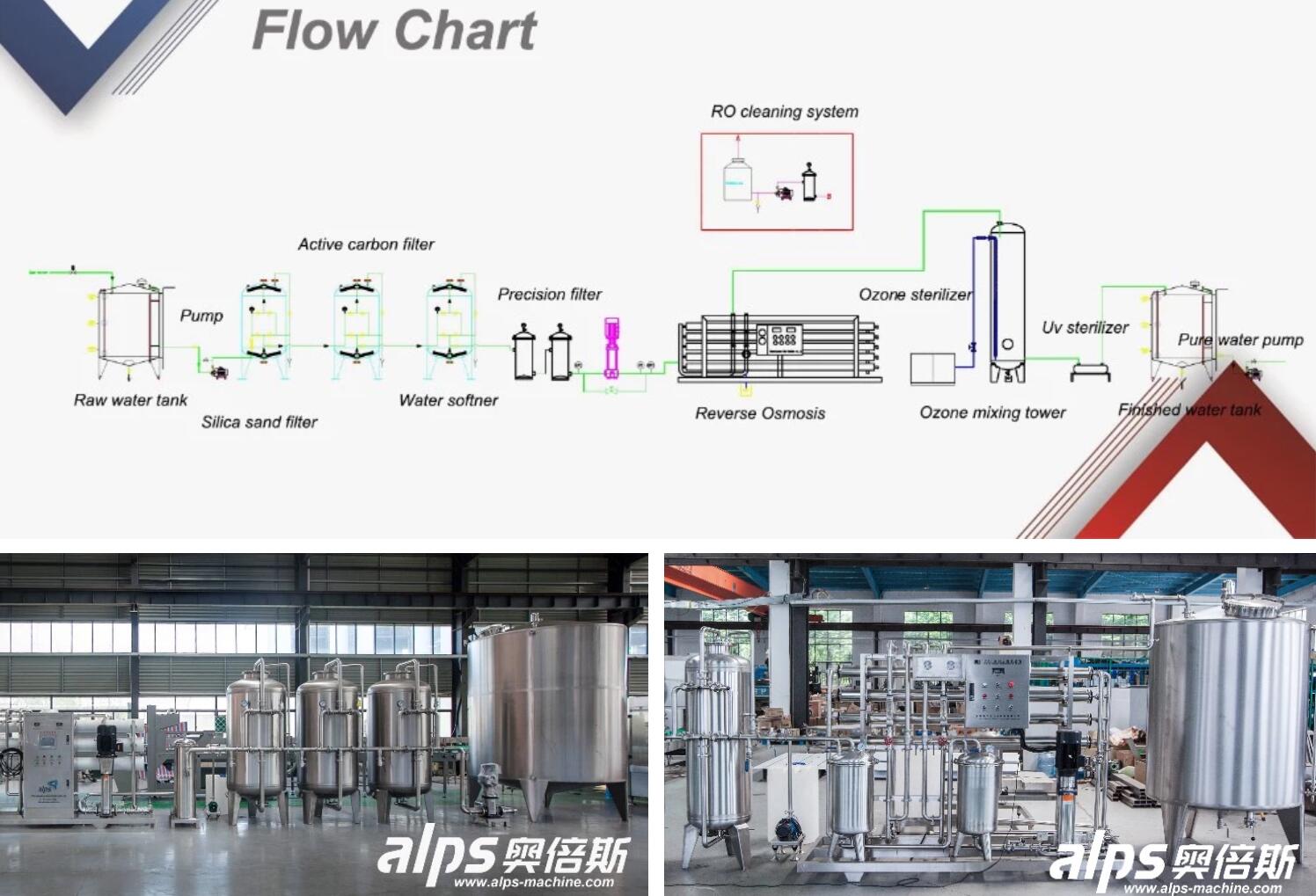
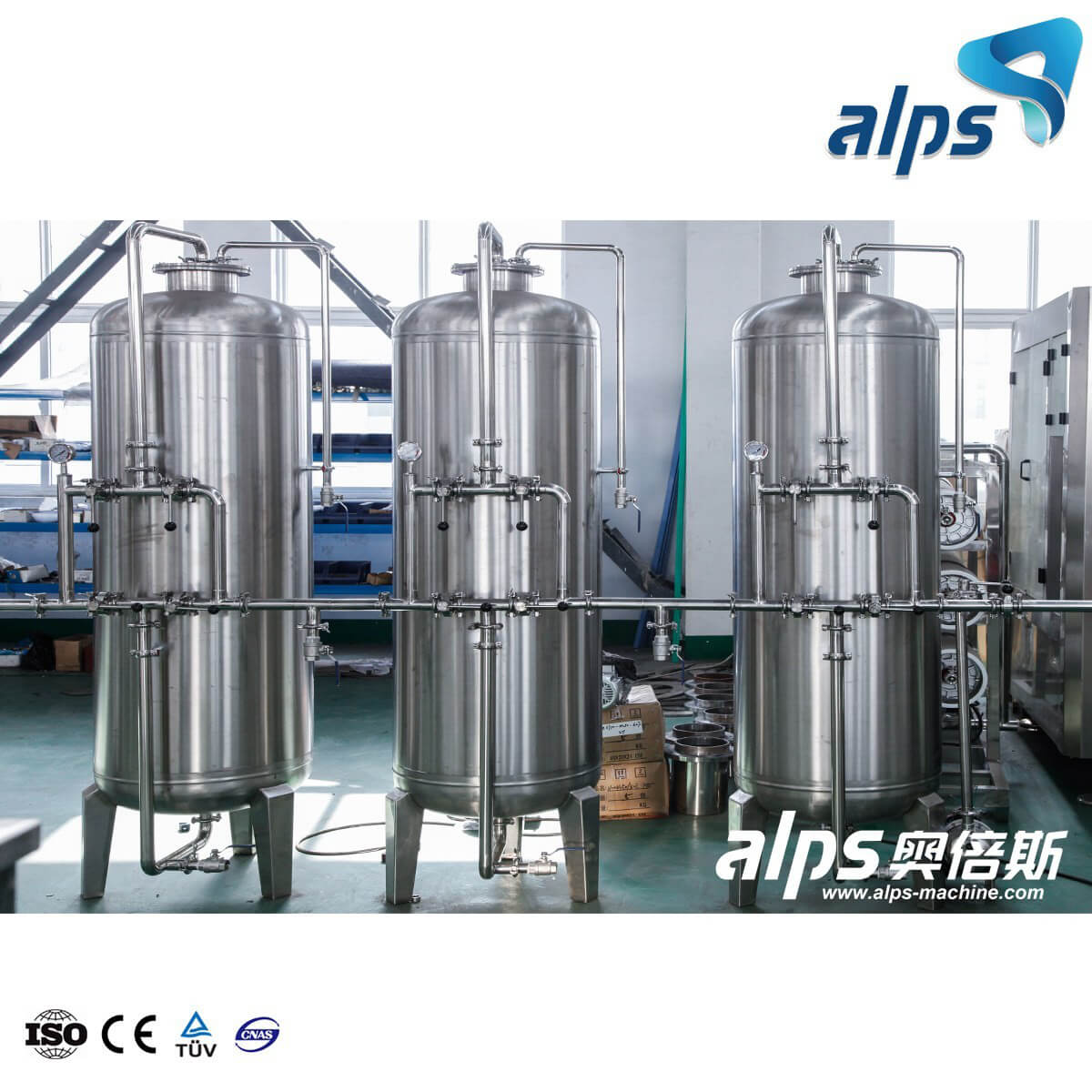
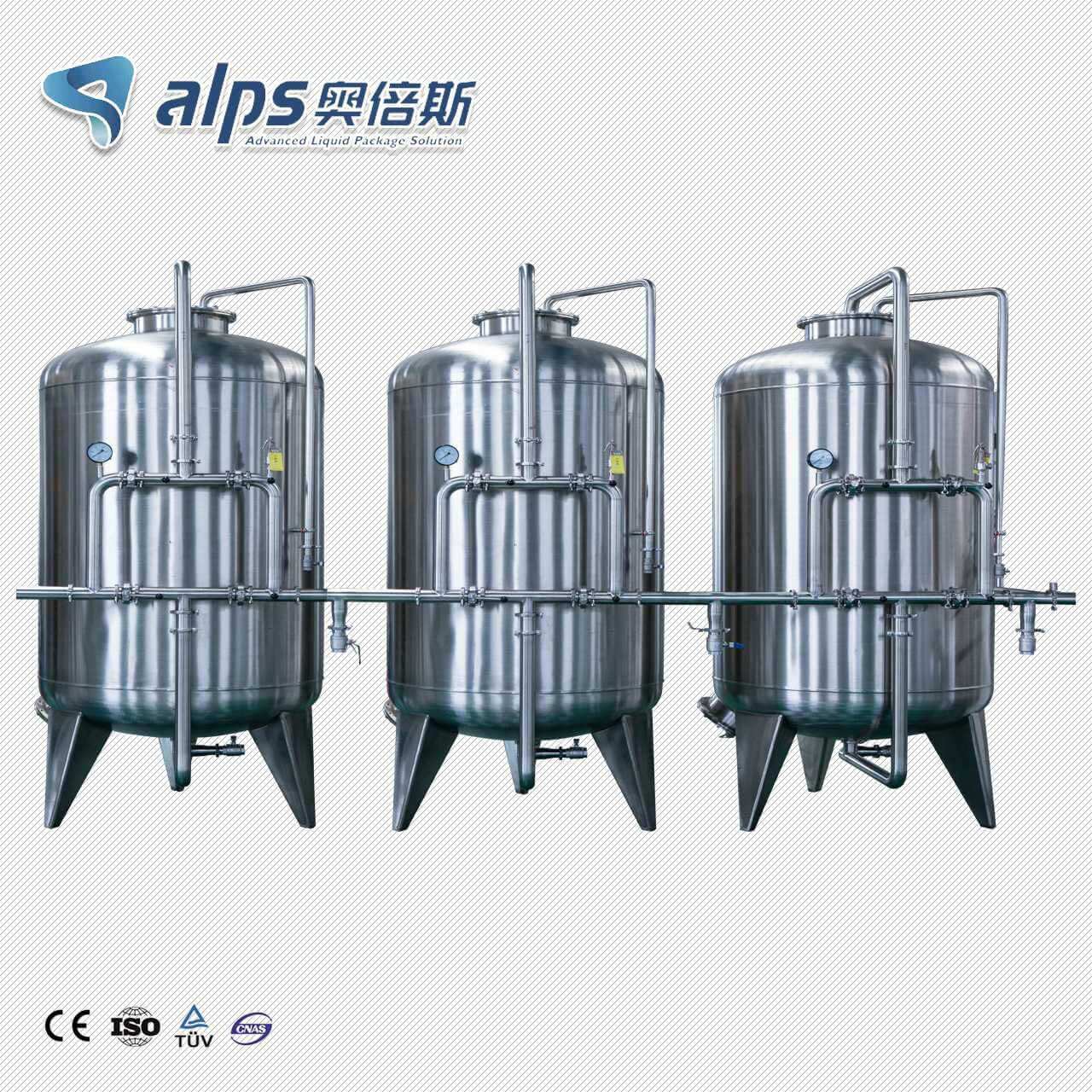
Then, the water goes through filtration. It passes through layers of materials such as sand, gravel, and activated carbon. These filters remove smaller particles, bacteria, and some chemicals. In addition, activated carbon helps remove unpleasant odors. In modern water treatment systems, advanced filtration methods such as ultrafiltration may also be used to improve water quality further.
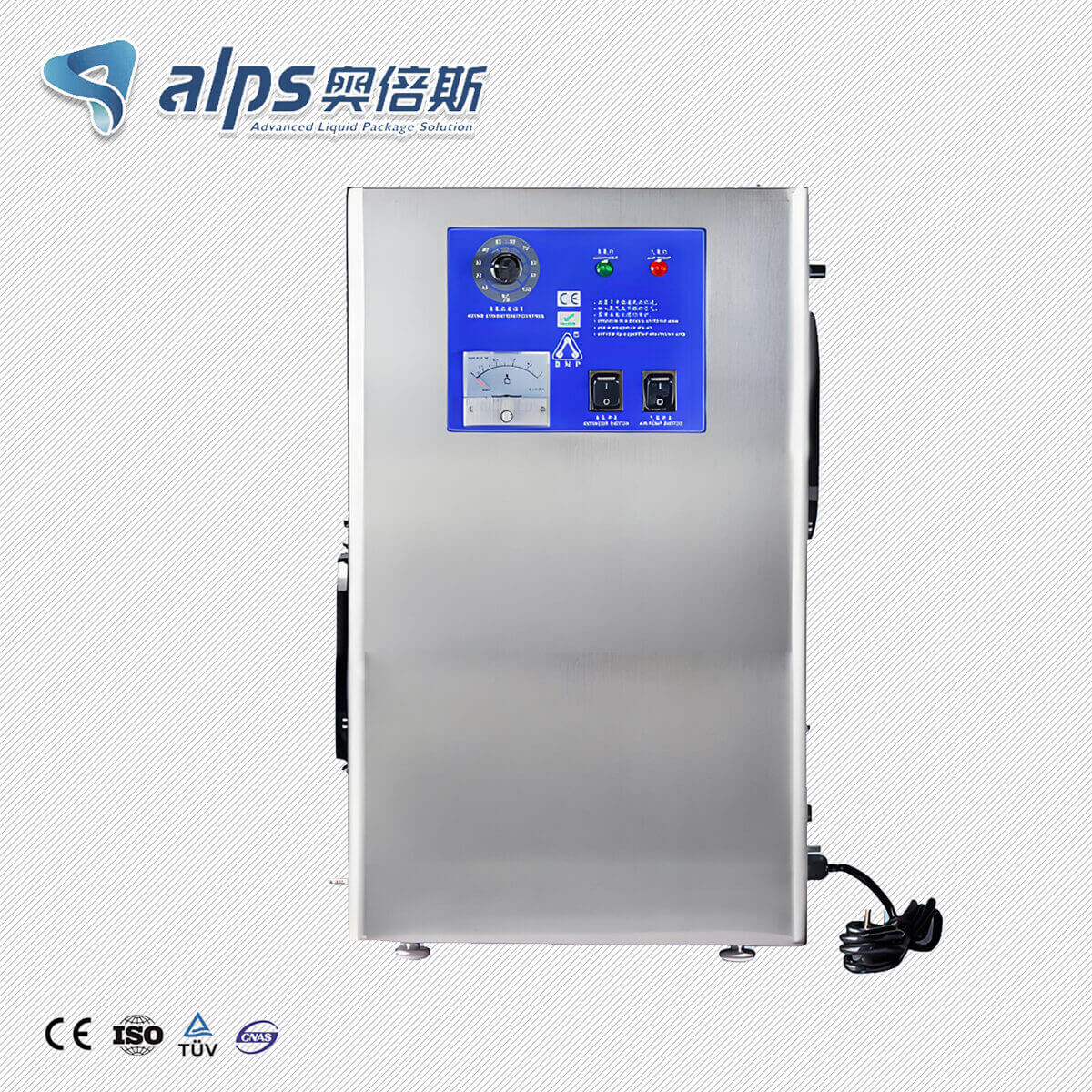
Finally, disinfection is carried out to eliminate any remaining microorganisms. Common methods include chlorine dosing, ultraviolet (UV) treatment, and ozone sterilization. This step ensures that the water is safe for consumption and remains protected during distribution. Disinfection is a critical step in every water treatment process.
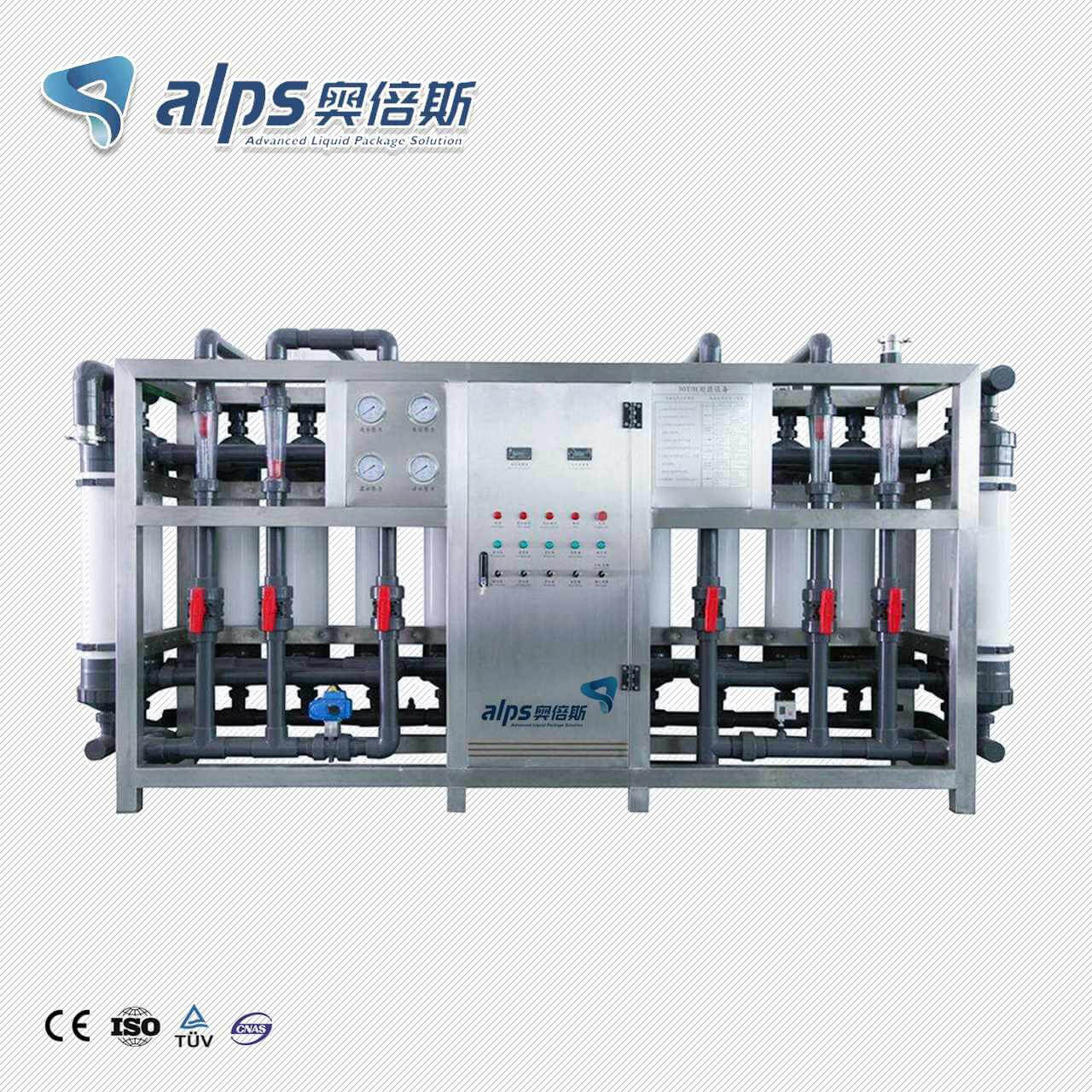
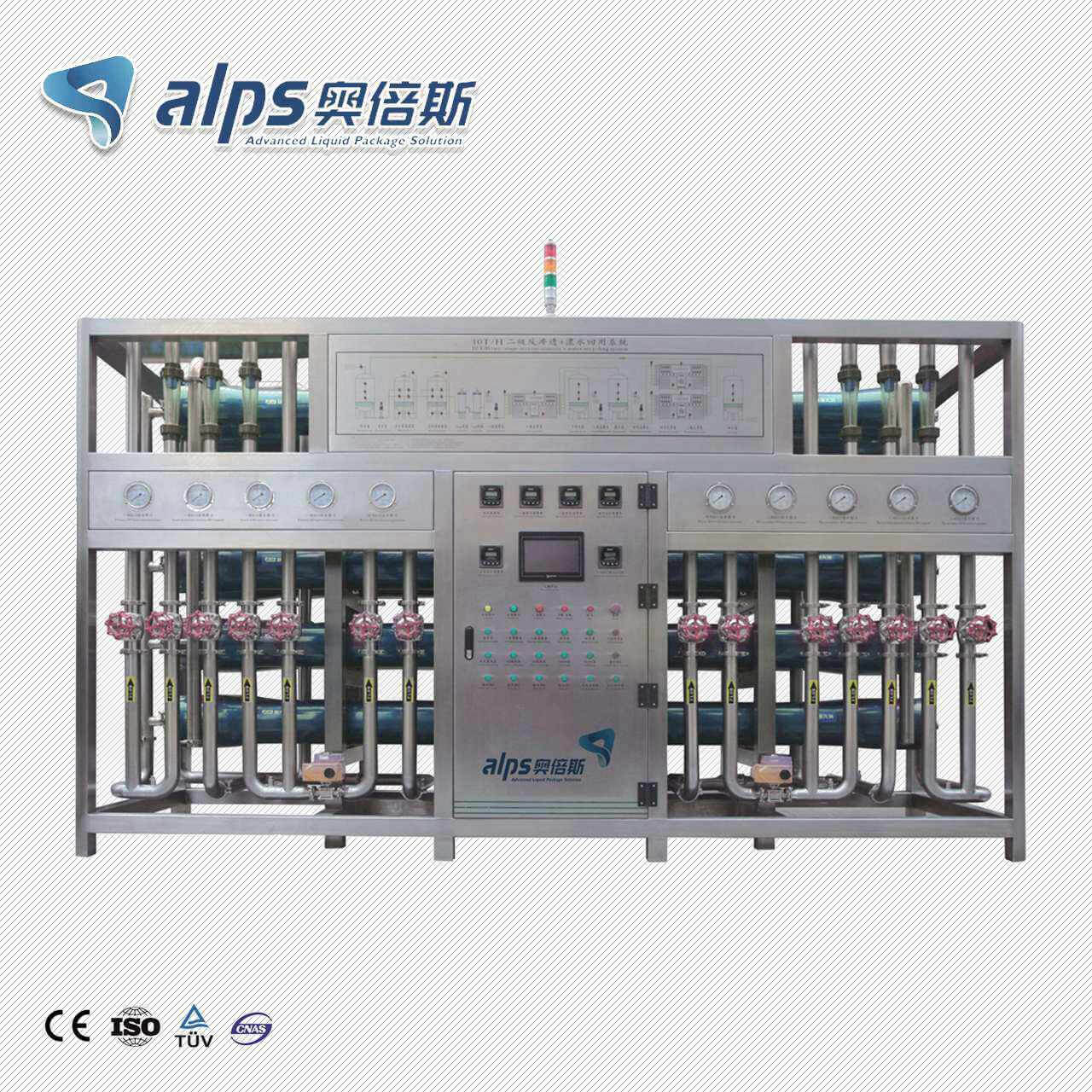
In addition to the five main steps, advanced industrial water treatment systems often include extra stages. For example, reverse osmosis (RO) is used to remove dissolved salts and achieve high-purity water. Nanofiltration (NF) can partially remove salts and organic compounds, while ultrafiltration (UF) removes colloids and microorganisms. Other processes such as softening and deionization may also be included depending on the application. These additional steps are especially important in industries that require high-quality water, such as electronics, pharmaceuticals, and water treatment for beverage production.
The number of steps in a water treatment system varies depending on the application. For drinking water, the standard five-step process is usually sufficient. However, in bottled water production, additional filtration and purification steps are often required to meet higher quality standards. In industrial applications, multi-stage systems are commonly used to ensure stable and consistent water quality. For example, a water treatment system for bottling plants typically includes pre-treatment, membrane filtration, and disinfection.
Several factors determine how many steps are needed in the water treatment process. First, the type of water source—such as groundwater, surface water, or seawater—affects the treatment requirements. Second, the desired water quality plays an important role. For example, drinking water, industrial water, and ultra-pure water all require different treatment levels. In addition, production capacity and automation level can influence system design. Therefore, each water purification system is usually customized based on specific needs.
Using multiple steps in water treatment is important because different contaminants require different removal methods. For example, coagulation removes small particles, filtration removes fine impurities, and disinfection eliminates microorganisms. By combining these steps, a water treatment system can achieve higher efficiency and more stable results. This multi-stage approach ensures that water meets safety standards and supports reliable production processes.
In modern factories, the water treatment system is often integrated into a complete production line. For example, in a beverage factory, treated water is supplied directly to the filling machine. This integration ensures a continuous and stable production process. As a result, the entire beverage production line operates efficiently and produces consistent, high-quality products.
In conclusion, the standard water treatment process typically includes five main steps: coagulation, flocculation, sedimentation, filtration, and disinfection. However, depending on the application, additional steps such as RO, UF, or NF may be required. By understanding these steps, businesses can choose the right water treatment system and ensure high-quality water for their operations.
If you are looking for a professional water treatment system supplier, Zhangjiagang Alps Machine Co., Ltd. is your trusted partner. We provide advanced water treatment systems and complete beverage production line solutions, including system design, equipment manufacturing, and turnkey project support. Contact Alps Machine today to get customized water treatment solutions and improve your production efficiency with reliable and high-performance systems.


By continuing to use the site you agree to our privacy policy Terms and Conditions.