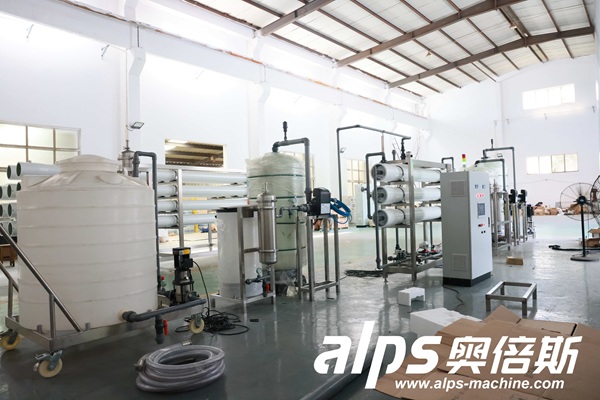
A water treatment process flow is the sequence of treatment stages that converts raw water into safe, high-quality bottled water. It determines the order of equipment, ensures stable water quality, and helps the entire production line operate efficiently. Since raw water quality varies, there is no single bottled water treatment process flow that suits every project.
This guide focuses on the practical design of a water treatment flow. If you're looking for a broader introduction to the water treatment system process, including the purpose of each treatment stage, you can start with our complete guide. Here, you'll find a complete water purification process flow chart, the function of each treatment stage, and recommended process flows for municipal water, well water, spring water, and high TDS water. It also explains how process design changes based on production capacity and application requirements.
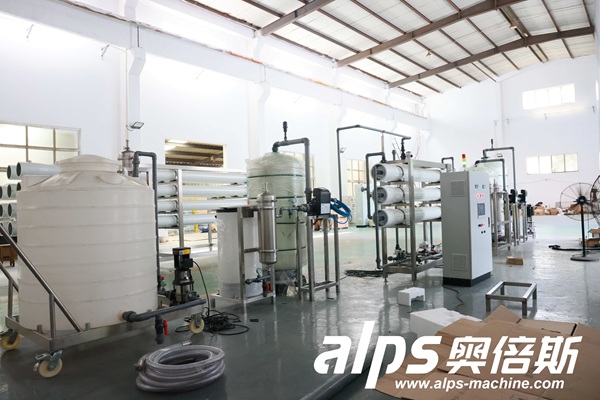
Standard Bottled Water Treatment Process Flow
A standard water treatment process flow combines pre-treatment, membrane filtration, disinfection, and water storage into a complete system. While the configuration may vary with raw water quality, the following bottled water treatment process flow is commonly used for bottled water production.
Standard Process Flow
| Stage | Equipment | Purpose |
| 1 | Raw Water Tank | Stores raw water and provides a stable water supply. |
| 2 | Raw Water Pump | Delivers water through the treatment system at a constant flow rate. |
| 3 | Multi-Media Filter | Removes sand, rust, suspended solids, and other large particles. |
| 4 | Activated Carbon Filter | Removes residual chlorine, odors, color, and organic matter. |
| 5 | Water Softener / Anti-Scaling System | Reduces hardness or prevents scale formation before membrane filtration. |
| 6 | Precision Filter | Removes fine particles to protect UF or RO membranes. |
| 7 | UF / RO System | Performs the main purification by removing microorganisms or dissolved salts. |
| 8 | Pure Water Tank | Stores treated water and stabilizes the supply to the filling line. |
| 9 | UV Sterilizer | Provides instant microbial disinfection before filling. |
| 10 | Ozone System | Maintains microbial control in the water tank and pipelines. |
| 11 | Filling Machine | Fills treated water into bottles under hygienic conditions. |
The first six stages are mainly used for pre-treatment, removing suspended solids, chlorine, and hardness while protecting the membrane system. Proper pre-treatment extends membrane life and improves overall system stability.
The UF or RO system is the core of the complete water treatment system process. UF is commonly used when mineral retention is required, while RO is preferred for high TDS water or purified water production.
After membrane filtration, water is stored in the pure water tank and passes through UV and ozone for final disinfection before entering the filling machine. The following sections explain how this water treatment process flow changes for different raw water sources.
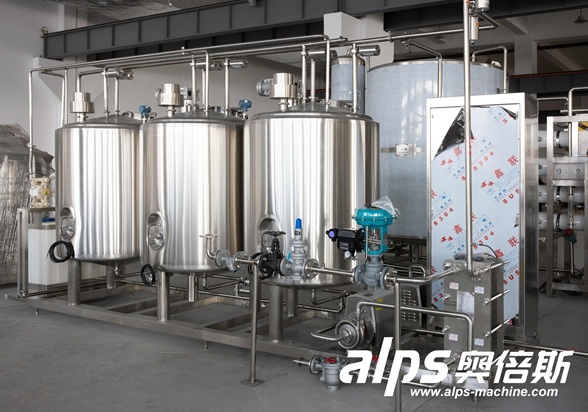
Water Purification Process Flow Chart Explained
The following water purification process flow chart shows the function of each stage in a typical bottled water treatment system. Although the equipment configuration may vary, every stage has a specific purpose and prepares the water for the next treatment step.
| Stage | Equipment | Main Function |
| Water Storage | Raw Water Tank | Stabilizes the raw water supply. |
| Feeding | Raw Water Pump | Delivers water into the treatment system at a constant flow rate. |
| Pre-filtration | Multi-Media Filter | Removes sand, rust, and suspended solids. |
| Taste & Chlorine Control | Activated Carbon Filter | Removes chlorine, odor, color, and organic matter. |
| Hardness Control | Water Softener / Antiscalant | Reduces scaling risk before membrane filtration. |
| Final Protection | Precision Filter | Protects UF or RO membranes from fine particles. |
| Main Purification | UF or RO System | Removes microorganisms or dissolved salts, depending on the application. |
| Treated Water Storage | Pure Water Tank | Stores purified water before final disinfection. |
| Final Disinfection | UV Sterilizer | Inactivates microorganisms immediately before filling. |
| Tank & Pipeline Sanitation | Ozone System | Prevents microbial growth in storage tanks and pipelines. |
| Production | Filling Machine | Fills treated water into bottles under hygienic conditions. |
Raw Water Preparation
The raw water tank provides temporary storage, while the raw water pump delivers water into the treatment system at a stable flow rate. Consistent pressure helps ensure reliable operation of all downstream equipment.
The pre-treatment stage includes the multi-media filter, activated carbon filter, water softener or antiscalant, and precision filter. These units remove suspended solids, residual chlorine, and hardness while protecting the membrane system from fouling and scaling.
As the foundation of the
water treatment process flow, proper pre-treatment directly affects membrane performance and operating costs. Learn more about th
e pre-treatment system in process flow and how each unit contributes to stable system operation.
Main Purification
The membrane system is the core of the complete water treatment system process. Depending on the raw water quality and finished water specifications, the system uses either UF (Ultrafiltration) or RO (Reverse Osmosis) as the primary purification technology.
UF (Ultrafiltration): Removes suspended solids, bacteria, and most microorganisms while retaining beneficial minerals. It is commonly used for spring and mineral water.
RO (Reverse Osmosis): Removes dissolved salts, heavy metals, and other fine contaminants. It is typically selected for purified water and high TDS water.
Water Storage and Final Disinfection
After membrane filtration, treated water enters the pure water tank, which balances production and filling capacity. A properly sized storage tank helps maintain a continuous water supply during production.
Before bottling, the water passes through a
UV sterilizer for instant microbial inactivation and an
ozone system to maintain hygiene inside storage tanks and pipelines. Using both technologies together helps reduce the risk of secondary contamination before filling. For a detailed comparison of the
UV and ozone disinfection stage, including their working principles and applications, see our dedicated guide.
Process Flow for Municipal Water
Municipal water is generally more consistent than well water or surface water because it has already undergone basic treatment. However, residual chlorine, pipe sediments, and trace organic matter can still affect the final product. Before selecting equipment, it is recommended to perform a
raw water analysis before process design to confirm the actual water quality and treatment requirements.
Recommended Process Flow
| Water Source | Recommended Process Flow |
| Municipal Water | Raw Water Tank → Activated Carbon Filter → Precision Filter → RO or UF → Pure Water Tank → UV → Ozone → Filling Machine |
Compared with other water sources, municipal water usually requires a simpler bottled water treatment process flow. An activated carbon filter removes residual chlorine, odors, and organic compounds, while a precision filter captures fine particles from the distribution pipeline before the water enters the membrane system.
The choice between UF and RO depends on the target bottled water product. UF is suitable when the goal is to retain natural minerals while improving microbiological safety. If producing purified water or if lower TDS is required, RO is the preferred option. After membrane filtration, the water passes through the pure water tank, UV sterilizer, and ozone system before entering the filling machine, completing the drinking water purification process flow for municipal water.
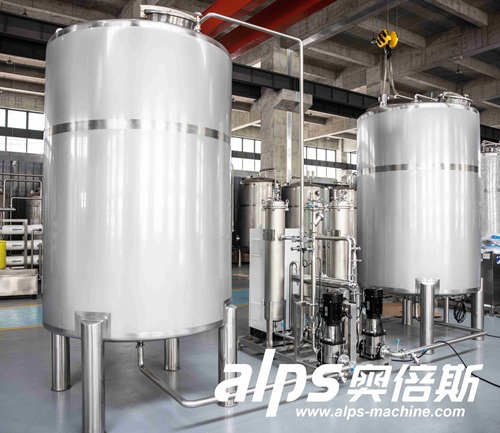
Process Flow for Well Water or Underground Water
Well water and underground water usually require a more complex bottled water treatment process flow than municipal water. Although these sources are less affected by surface pollution, they often contain high levels of hardness, iron, manganese, dissolved minerals, and suspended solids. Before selecting equipment, it is recommended to perform a raw water analysis before process design to identify water quality issues and determine the appropriate treatment configuration.
Recommended Process Flow
| Water Source | Recommended Process Flow |
| Well Water / Underground Water | Raw Water Tank → Multi-Media Filter → Activated Carbon Filter → Water Softener / Anti-Scaling System → Precision Filter → RO System → Pure Water Tank → UV → Ozone → Filling Machine |
The additional pre-treatment stages are designed to protect the membrane system. The multi-media filter removes sand and suspended solids, while the activated carbon filter reduces organic compounds and residual odors. A water softener or antiscalant dosing system minimizes hardness and helps prevent scale from forming on the RO membranes.
For most well water applications, an RO water treatment process flow is recommended. Reverse osmosis effectively removes dissolved salts, heavy metals, and excess minerals that cannot be eliminated by conventional filtration alone. After RO treatment, the purified water is stored in a pure water tank, disinfected by UV and ozone, and then transferred to the filling machine for bottling.
Process Flow for Spring Water or Mineral Water
Spring water and mineral water generally require a simpler bottled water treatment process flow because they often contain naturally balanced minerals. The treatment goal is not only to ensure safety but also to preserve the water's natural taste and mineral composition whenever possible.
Recommended Process Flow
| Water Source | Recommended Process Flow |
| Spring Water / Mineral Water | Raw Water Tank → Multi-Media Filter → Precision Filter → UF → Pure Water Tank → UV → Ozone → Filling Machine |
Unlike purified water production, spring water does not always require reverse osmosis. A multi-media filter removes suspended solids, while a precision filter provides additional protection before membrane filtration. In many cases, UF (Ultrafiltration) is the preferred option because it removes bacteria and other microorganisms while retaining most naturally occurring minerals.
After UF treatment, the water is stored in the pure water tank and passes through UV and ozone for final disinfection before bottling. This drinking water purification process flow helps control microbial risks without significantly changing the mineral content or taste of the water. However, if the raw water has high TDS or excessive dissolved contaminants, an RO system may still be required instead of UF.
Process Flow for High TDS or Brackish Water
High TDS and brackish water contain elevated levels of dissolved salts that cannot be removed by conventional filtration alone. Most projects rely on a dedicated
RO water treatment process to reduce TDS and produce water that meets bottled water quality standards. As a result, the
RO water treatment process flow is the most common solution for these water sources.
Recommended Process Flow
| Water Source | Recommended Process Flow |
| High TDS / Brackish Water | Raw Water Tank → Multi-Media Filter → Activated Carbon Filter → Anti-Scaling System → Precision Filter → RO System → Pure Water Tank → UV → Ozone → Filling Machine |
A reliable water treatment process flow for high TDS water starts with effective pre-treatment. The multi-media filter removes suspended solids, the activated carbon filter eliminates chlorine and organic compounds, and the anti-scaling system helps prevent mineral deposits from damaging RO membranes. A precision filter then captures fine particles before the water enters the RO unit.
The RO system is the core of the bottled water production line water treatment flow for brackish water. Its recovery rate, membrane configuration, and operating pressure should be selected according to the raw water analysis to achieve stable performance and reasonable operating costs. After RO treatment, the purified water is stored in the pure water tank, disinfected by UV and ozone, and then transferred to the filling machine for hygienic bottling.
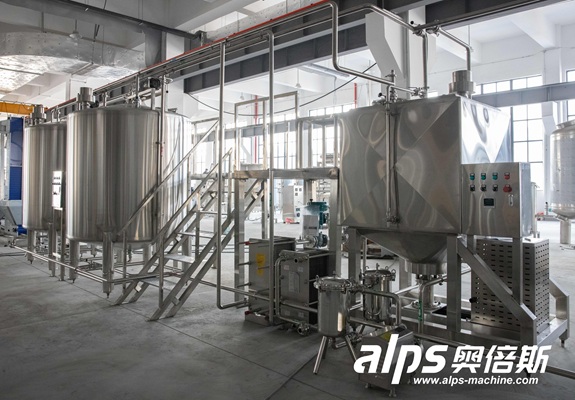
How Capacity Affects Process Flow Design
A water treatment plant flow diagram should be designed according to both the raw water quality and the production capacity. As capacity increases, the system must deliver a stable water supply while matching the speed of the bottling line. Bottle size, filling speed, and daily production targets also influence the overall bottled water production line water treatment flow.
| Production Capacity | Design Considerations |
| Small Production Line | Simpler process layout, smaller storage tanks, basic control system, lower flow demand. |
| Medium to Large Production Line | Larger raw water and pure water tanks, stable flow control, automatic valve operation, and continuous production capability. |
| High-Speed Bottling Line | Water treatment output, pure water tank capacity, and filling speed must be fully matched to avoid production interruptions. |
For small bottling plants, a compact system is usually sufficient because water consumption is relatively low. Storage tanks and pumps can be smaller, and the control system is generally less complex, reducing both investment and operating costs.
Medium and large production lines require a more stable water supply. Larger storage tanks help balance fluctuations in water demand, while automated controls maintain consistent pressure and flow throughout the treatment process. This improves production efficiency and minimizes downtime.
For high-speed bottling lines, equipment matching becomes critical. The water treatment system must continuously produce enough purified water to keep pace with the filling machine. If the treatment capacity or pure water tank is undersized, the filling line may have to stop while waiting for water, reducing overall productivity. When designing a complete system, the water treatment plant flow diagram should always be planned together with the filling line capacity rather than as an independent process.
FAQ
What is the standard water treatment process flow for bottled water?
A standard process is: Raw Water Tank → Raw Water Pump → Multi-Media Filter → Activated Carbon Filter → Water Softener or Anti-Scaling System → Precision Filter → UF or RO → Pure Water Tank → UV → Ozone → Filling Machine. The exact configuration depends on the raw water quality and the final bottled water product.
Does every bottled water plant need RO?
No. RO is commonly used for purified water and high TDS water sources. If the goal is to retain natural minerals in spring or mineral water, UF may be a better choice.
Where is UV installed in the process flow?
UV is typically installed after the pure water tank and before the filling machine. It provides instant disinfection immediately before the water enters the bottling process.
Why is ozone used after the pure water tank?
Ozone helps keep the pure water tank and distribution pipelines sanitary. It reduces the risk of microbial growth during storage and transfer before filling.
How does raw water quality change the process flow?
Raw water quality determines whether additional pre-treatment, membrane filtration, or anti-scaling measures are required. Water with higher hardness or TDS usually needs a more advanced treatment process than municipal or spring water.
How do I choose a process flow based on production capacity?
The treatment system should match the output of the filling line. Higher-capacity plants generally require larger storage tanks, higher treatment capacity, and more advanced control systems to ensure continuous production.
Every bottled water project has different raw water conditions and production goals. If you need help selecting the right configuration, read our guide on choose a water treatment process for your plant.