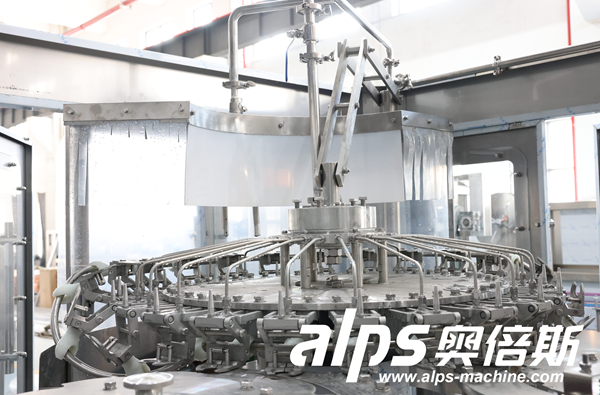
No two juice producers are the same — and no two production lines should be either.
Your juice type, packaging format, target shelf life, and output volume all point to a different equipment configuration. A standard, off-the-shelf setup might get you running, but it rarely gets you running efficiently.
A custom
juice filling line is built around your specific product and production goals — not the other way around. That means fewer compromises on hygiene standards, filling accuracy, and capacity headroom.
The difference shows up quickly: in less downtime, lower material waste, and a line that scales with your business rather than holding it back.
This guide walks you through how to match your juice category to the right filling system, size your capacity correctly, and evaluate the true cost of your equipment investment — so you can configure a beverage production line that works for your operation, not against it.
Why "One-Size-Fits-All" Doesn't Work for Juice Filling Lines
Not every juice is the same — and neither is every juice filling line.
NFC juice requires low-temperature processing to preserve flavor. Concentrated juice suits hot-fill systems. Juice with pulp needs large-diameter valves to prevent blockages. The wrong equipment choice leads to downtime, wasted materials, and costly modifications.
Packaging format also drives line design.
Packaging Format | Key Equipment Requirement |
PET bottles | Blow-fill-cap integration possible |
Glass bottles | Bottle washer + anti-shock conveying |
Aluminum cans | Dedicated seaming unit required |
Carton / Tetra Pak | Licensed aseptic filling system |
Choosing packaging without considering your juice bottling equipment layout is one of the most common — and expensive — mistakes producers make.
Production scale determines automation level.
A 2,000 bph operation and a 15,000 bph facility have completely different needs. Over-automating wastes capital. Under-automating creates bottlenecks that limit growth.
The right beverage filling system matches your current output while leaving room to scale — without rebuilding from scratch.
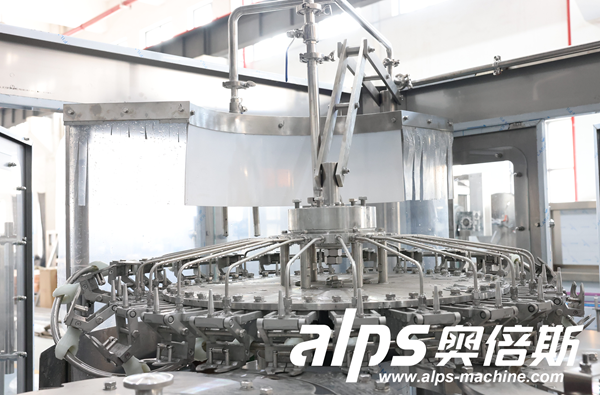
The Core Components of a Juice Filling Line
A well-configured juice filling line is more than just a filling machine. It's a system where every component affects product quality, output efficiency, and long-term operating cost.
Juice Processing & Sterilization
Sterilization method is the most critical decision in your line design. It directly affects shelf life, flavor retention, and equipment investment.
| Method | Temperature | Shelf Life | Flavor Impact | Best For |
| Pasteurization | 75–85°C | Short (refrigerated) | Minimal | NFC, fresh juice |
| Hot Fill | 85–92°C | 6–12 months | Moderate | Concentrated juice |
| UHT | 135°C / 5 sec | 12–18 months | Noticeable | Ambient long-life juice |
Quick decision guide:
Selling through cold chain? → Pasteurization
Need ambient shelf life under 12 months? → Hot fill
Targeting 12+ months without refrigeration? → UHT + aseptic filling system
Choosing the wrong sterilization method cannot be corrected downstream. Get this right first.
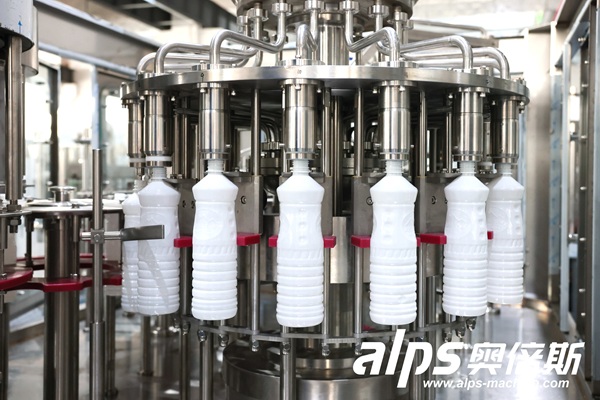
The juice filling machine sits at the heart of your production line. Three common filling methods serve different product needs:
Gravity filling — best for thin, pulp-free juices; simple and cost-effective
Vacuum filling — produces consistent fill levels; suits most standard juice products
Piston filling — ideal for high-viscosity or pulp-heavy juices; highly accurate
Why filling accuracy matters:
At ±5ml deviation, a 10,000 bph line overfills roughly 50 liters per hour of product. At ±2ml, that loss drops by 60%. Over a full production year, the difference in raw material cost is significant.
Always require 316L stainless steel for all product-contact parts. For acidic juices, 304 stainless steel corrodes over time — affecting both hygiene and equipment lifespan.
Capping, Labeling & Downstream Equipment
Downstream equipment is often underestimated during planning. Poor choices here create bottlenecks that limit your entire beverage bottling line.
Capping:
Screw caps → rotary capping machine
Press-on caps → linear pressing unit
Pull-ring lids (cans) → integrated seaming unit
Labeling:
Shrink sleeve labels → suit curved or irregular bottle shapes
Self-adhesive labels → faster changeover, better for multi-SKU operations
Coding, packing & palletizing:
| Function | Semi-Auto | Full Auto |
| Inkjet coding | Manual trigger | Inline continuous |
| Case packing | Hand-load + conveyor | Robotic case packer |
| Palletizing | Manual stacking | Automatic palletizer |
For lines running above 8,000 bph, full automation downstream is strongly recommended. Below that, semi-automatic setups offer a better cost-to-efficiency balance.
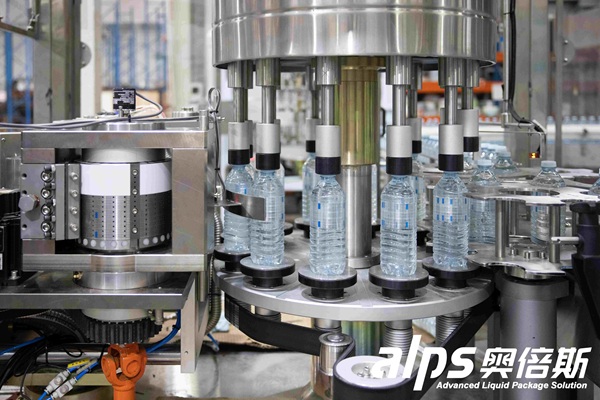
Matching Your Juice Type to the Right Filling System
Your juice category determines your sterilization method, filling equipment, and packaging requirements.
| Juice Category | Fruit Content | Filling Method | Shelf Life |
| 100% Juice (NFC) | 100%, not from concentrate | Cold fill + Pasteurization | Short (refrigerated) |
| 100% Juice (From Concentrate) | 100%, reconstituted | Hot fill (85–92°C) | 6–12 months |
| Juice Drink / Nectar | 25–99% | Hot fill or aseptic fill | 6–12 months |
| Juice Beverage | 10–24% | Hot fill | 6–12 months |
| Functional Juice | Varies | Aseptic cold fill | 12–18 months |
100% Juice — NFC
NFC juice bottling demands strict process control. Low-temperature pasteurization preserves flavor and nutrients, but the filling environment must meet clean-room hygiene standards to prevent recontamination.
100% Juice — From Concentrate
The most widely produced juice category globally. A hot fill juice line at 85–92°C is the standard choice — the high-temperature fill doubles as an in-bottle sterilization step. Heat-resistant bottles are non-negotiable.
Juice Drink / Nectar (25–99%)
Both hot fill and aseptic systems apply here depending on shelf life targets. Products containing pulp require large-diameter filling valves (minimum 12mm) and continuously agitated holding tanks to prevent settling.
Juice Beverage (10–24%)
Lower juice content, but the same sterilization standards apply. Hot fill remains the most practical and cost-effective method for this category.
Functional Juice (Fortified / Cold-Pressed / Probiotic)
The fastest-growing juice segment. Heat-sensitive ingredients — probiotics, vitamins, bioactive compounds — cannot survive hot fill temperatures. Aseptic juice filling at ambient temperature is the only viable method, preserving product integrity while achieving 12–18 months shelf life.
How to Size Your Juice Filling Line: Capacity Planning Guide
Buying more capacity than you need wastes capital. Buying too little creates bottlenecks that are expensive to fix. Getting juice filling line capacity right from the start is one of the most practical decisions you'll make.
Use This Formula to Calculate Your Required Capacity
Required capacity (bph) = Daily output (bottles) ÷ Operating hours × 1.15 buffer
The 1.15 buffer accounts for scheduled cleaning, minor stoppages, and shift transitions — all of which reduce actual run time.
Example:
Daily target: 96,000 bottles
Operating hours: 16 hours (two shifts)
Calculation: 96,000 ÷ 16 × 1.15 = 6,900 bph
Recommended machine size: 8,000 bph (next standard tier up)
Match Your Scale to the Right Setup
| Scale | Output | Recommended Setup |
| Small | <3,000 bph | Semi-automatic line, manual capping |
| Medium | 3,000–10,000 bph | Fully automatic single-line |
| Large | >10,000 bph | High-speed integrated line + MES |
A small scale juice bottling line with semi-automatic equipment suits startups and regional brands well — lower upfront investment, simpler operation, easier maintenance.
Mid-range fully automatic lines offer the best balance of output and cost efficiency for growing producers.
High-speed lines above 10,000 bph benefit from MES (Manufacturing Execution System) integration — enabling real-time output tracking, downtime analysis, and quality data logging.
Always Build in Expansion Room
Even if your current output is modest, ask your equipment supplier to include:
Pre-wired electrical slots for additional filling heads
Conveyor length allowance for future inline equipment
Software capacity for higher-speed operation
Retrofitting a bottles per hour filling machine after installation costs significantly more than planning for it upfront.
5 Things to Confirm Before Buying a Juice Filling Line
Use this juice bottling equipment checklist before signing any purchase agreement. These five criteria separate reliable equipment from costly mistakes.
Filling Accuracy — Demand ±2ml or Better
At ±5ml deviation, a 10,000 bph line loses roughly 50 liters of product per hour. Always request documented test results, not just spec sheet claims.
Material Contact Specs — 316L Stainless Steel and Food-Grade Seals
Fruit juice is acidic. 304 stainless steel corrodes over time, creating hygiene risks. Require 316L on all product-contact surfaces, with silicone or EPDM seals.
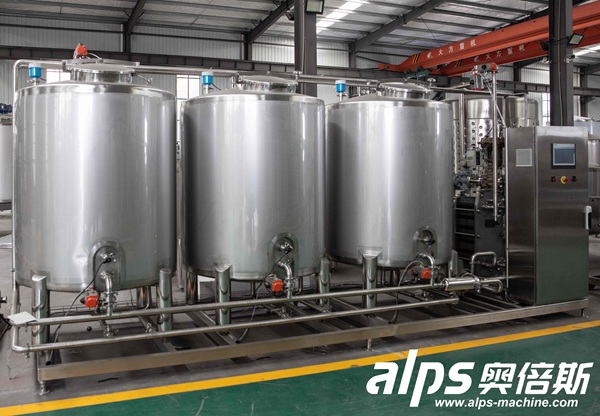
CIP Compatibility — No Dead Zones in Pipework
Confirm all pipework drains fully and cleaning cycles are validated. A clean-in-place system is non-negotiable for any juice production environment.
Spare Parts Availability — Standard vs Proprietary
Proprietary parts mean dependency on one supplier — often at premium prices. Prioritize equipment built around standard components from recognized brands like Siemens or SMC.
After-Sales Response Time — Get Specific Hours in Writing
A reliable juice filling machine support agreement specifies phone response within 4 hours and on-site engineer within 48 hours. Vague commitments are a red flag.
Total Cost of Ownership: Beyond the Equipment Price Tag
The purchase price is only part of your
juice filling line cost. Two lines with a 20% price difference can produce very different outcomes over a 10-year operating period.
The Four Hidden Cost Drivers
| Cost Component | What to Ask |
| Energy consumption | Total installed power (kW)? Electric heat vs steam? |
| Consumables & wear parts | Annual replacement cost? Standard or proprietary parts? |
| Unplanned downtime | Mean time between failures (MTBF)? Hourly production value at risk? |
| Filling inaccuracy loss | Deviation spec? Annual material loss at stated accuracy? |
The 20% Cheaper Equipment Trap
A machine priced 20% lower but running at ±5ml deviation instead of ±2ml costs more than it saves — typically within 18 months.
Here's why:
At ±3ml extra deviation on a 10,000 bph line: 30 liters of overfill per hour
Over a 16-hour production day: 480 liters of wasted product
At an average juice material cost of $1.50/liter: $720 per day, $260,000 per year
The equipment price gap closes fast.
Ready to Configure Your Juice Filling Line?
Choosing the right juice filling line comes down to three core decisions:
Product match — Your juice category and sterilization method must align before anything else
Capacity planning — Size your output correctly from day one, with room to scale
Total cost of ownership — Look beyond the purchase price to what the line actually costs to run
Get these three right, and every other decision becomes easier.
Every production operation is different. The right filling system for an NFC cold-press brand looks nothing like the right setup for a high-volume concentrated juice producer. There is no universal answer — only the right configuration for your specific needs.
Get a Free Line Configuration Consultation
Tell us your juice type, daily output target, and packaging format. Our engineers will recommend a production line setup matched to your product, your facility, and your budget — with no obligation.