Choosing the right
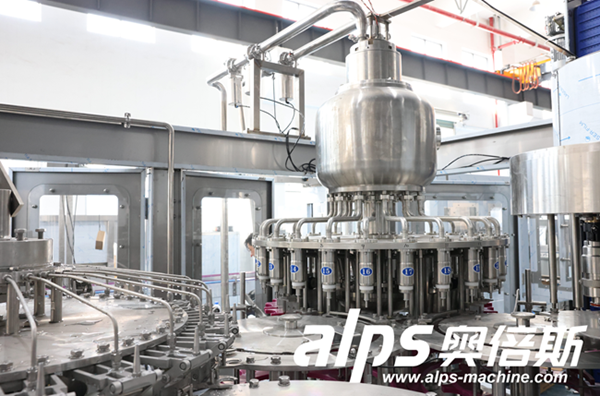
juice filling machine is a critical step for any beverage manufacturer. The cost of this equipment not only affects your initial investment but also influences long-term operational efficiency and production quality. Understanding the price range of different machines helps businesses plan budgets and make informed purchasing decisions.
Several factors impact the cost of a juice filling machine. Production capacity, automation level, brand reputation, and additional features all play a role in determining the final price. By evaluating these aspects carefully, manufacturers can select a machine that balances cost, efficiency, and quality.
Knowing the price of a juice filling machine is especially important for new entrants or expanding factories. It ensures that the investment aligns with production goals and market demands, while avoiding overspending on unnecessary features.
To get the most value from your purchase, consider comparing different machines, exploring advanced technologies, and consulting with experienced suppliers.
Key Factors Influencing Juice Filling Machine Prices
Understanding the cost of a juice filling machine requires considering several key factors. These elements determine not only the purchase price but also long-term operational efficiency and maintenance needs. By evaluating production capacity, automation level, and brand quality, manufacturers can make informed decisions and choose the right equipment for their business.
Production Capacity
The production capacity of a juice filling machine has a direct impact on its price.
Low Capacity (under 6,000 BPH): Prices range from $50,000 to $120,000. Suitable for small-scale production or startups.
Medium Capacity (10,000 – 20,000 BPH): Prices range from $150,000 to $300,000. Ideal for medium-sized factories seeking reliable performance.
High Capacity (over 20,000 BPH): Prices can exceed $300,000 and reach $500,000+. These machines are designed for large-scale operations with high output requirements.
Tip: Consider future growth when choosing capacity. Investing slightly higher now may save costs later by avoiding frequent upgrades.
Automation Level
Automation significantly affects both price and efficiency.
Low Automation: Requires more manual work, lower cost, suitable for small operations.
Medium Automation: Partially automated, moderate price, balances labor and efficiency.
Full Automation: Minimal human intervention, high efficiency, ideal for large-scale production, with higher upfront investment.
Brand and Quality
The manufacturer’s reputation and product quality also influence price.
High-End Brands (e.g., Krones, Sidel): Higher price, excellent durability, and strong after-sales support.
Mid-Range Brands (e.g., GROVE): Cost-effective, stable performance, suitable for medium-sized businesses.
Budget Brands: Lower price, fit for small producers with tight budgets, but may require more maintenance.
Understanding Juice Filling Machine Components and Their Cost Implications
The price of a juice filling machine is not only determined by production capacity or automation level, but also by the quality and functionality of its core components. Key parts such as PLC systems, pumps, and sensors not only affect performance but also define which additional features the machine can support. Choosing higher-end components often enables advanced functions, improves reliability, and reduces long-term maintenance costs.
PLC and Control Systems
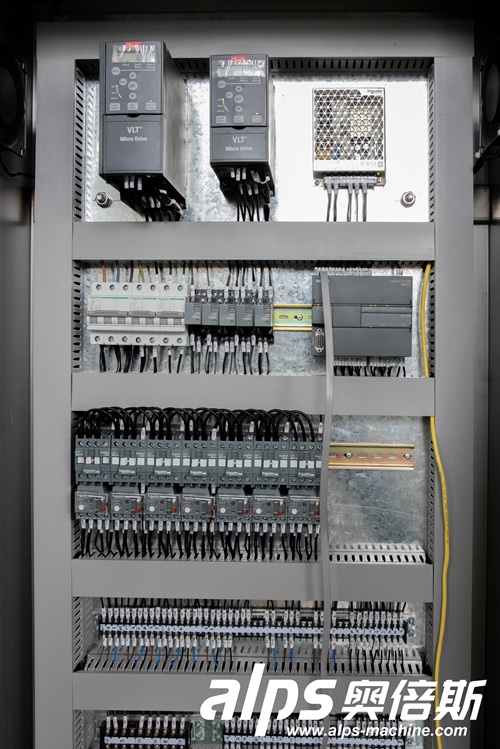
PLC (Programmable Logic Controller) systems control the machine’s operations, from filling speed to temperature and cleaning cycles.
High-End Brands (Siemens, Allen-Bradley): $15,000 - $30,000. Support advanced functions like real-time monitoring, recipe management, and automated fault detection.
Mid-Range Brands (Schneider Electric, Mitsubishi): $7,000 - $15,000. Suitable for moderate automation, can handle multiple bottle types and basic data logging.
Budget Options: $2,000 - $6,000. Provide essential control functions but may lack advanced monitoring and customization features.
Tip: A better PLC allows integration with intelligent monitoring systems and automated cleaning programs, improving production efficiency.
Pumps and Drivers
Pumps move liquid precisely into bottles, and the choice of pump affects both speed and filling accuracy.
High-End Pumps (Verder, Iwaki): $10,000 - $30,000. Support high-viscosity juices, precise volumetric filling, and continuous high-speed operation.
Mid-Range Pumps (Grundfos, GROVE): $3,000 - $10,000. Reliable for standard juices, moderate speed, occasional maintenance required.
Budget Pumps: $1,000 - $4,000. Suitable for low-capacity lines and thin liquids, may struggle with viscous products.
Sensors and Control Valves
Sensors and control valves monitor flow, pressure, and bottle positions, ensuring accurate filling and minimizing waste.
High-End Brands (Sick, Festo): $5,000 - $15,000. Enable precise multi-bottle tracking, automatic fault alerts, and integration with smart data systems.
Mid-Range Brands (Omron, Keyence): $2,000 - $7,000. Provide accurate filling detection and basic error correction.
Budget Options: $500 - $2,000. Functional for simple operations but may require manual adjustments and frequent recalibration.
Summary: The functionality and quality of PLCs, pumps, and sensors not only determine the price of a juice filling machine but also influence which advanced features the machine can deliver. Manufacturers should evaluate components in terms of both cost and operational capabilities to ensure long-term efficiency, product quality, and flexibility for future upgrades.
Advanced Features and Additional Costs
Adding advanced features to a juice filling machine can significantly increase its price, but these enhancements often improve efficiency, product quality, and long-term return on investment. Understanding the cost and benefits of each feature helps manufacturers make informed decisions for their production line.
Price Increase: $50,000 - $100,000
Aseptic filling is designed to extend the shelf life of juices without preservatives. It is ideal for high-end markets and sensitive beverages like cold-pressed juice or fruit blends with pulp.
Function Perspective: This technology maintains product freshness and quality while reducing the risk of contamination, which is crucial for premium juice products.
CIP Cleaning System
Price Increase: $20,000 - $50,000
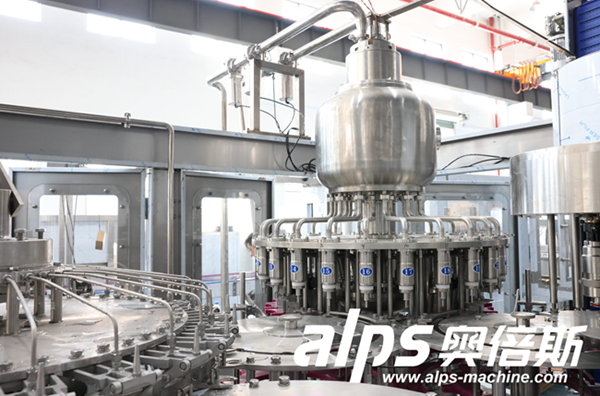
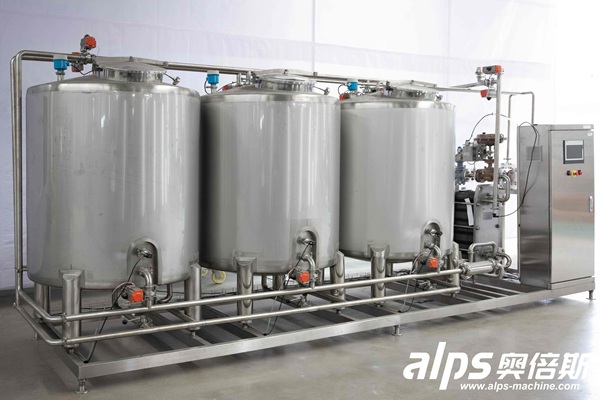
The Clean-In-Place (CIP) system allows automated cleaning of pipes, valves, and tanks without disassembly. It reduces downtime and ensures hygiene compliance.
Function Perspective: A CIP system supports frequent production changes and maintains consistent sanitation standards, essential for beverage safety and regulatory compliance.
Intelligent Monitoring Systems
Price Increase: $10,000 - $30,000
These systems provide real-time data on machine performance, bottle tracking, filling accuracy, and operational efficiency.
Function Perspective: Intelligent monitoring helps detect issues early, optimize production, and reduce waste. For medium to large-scale factories, this feature significantly improves productivity and quality control.
Summary: Advanced features such as aseptic filling, CIP systems, and intelligent monitoring add upfront costs to a juice filling machine, but they enhance efficiency, product quality, and operational safety. Manufacturers should balance budget considerations with long-term benefits to select the right combination of features for their business.
Juice Filling Machine Prices from ALPS
ALPS offers a range of juice filling machines and turnkey production lines that combine advanced technology, flexibility, and high efficiency. Understanding the features and pricing options of ALPS equipment helps manufacturers select the right solution for their specific production needs.
ALPS Core Technology and Advantages
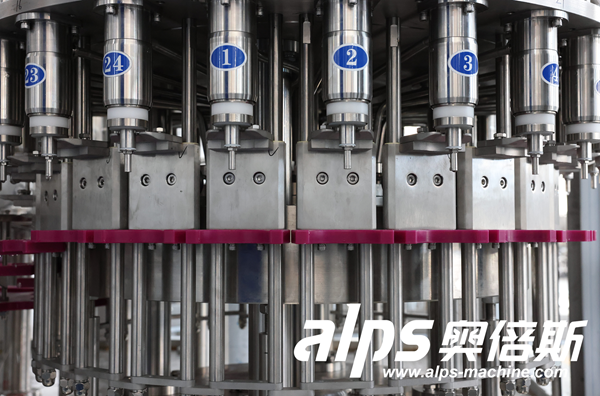
Three-in-One Design: Integrated bottle rinsing, filling, and capping saves space and improves production efficiency.
Micro Pressure Filling Technology: Ensures stable and precise filling, enhancing output and reducing product waste.
Wide Material Compatibility: Handles standard juices as well as high-viscosity beverages with pulp, dairy, or cream content.
Bottle Versatility: Supports PET bottles and other plastic containers, providing flexible production options.
ALPS Full Juice Filling Line (Turnkey Solution)
A-Z Turnkey Solution: Covers the entire process from water treatment, sugar dissolution, mixing, and sterilization to filling, labeling, and palletizing.
Customized Layouts: Factory-specific designs optimize capacity, space utilization, and energy consumption.
High Automation: Minimizes manual intervention, ensuring consistent production and reducing labor costs.
Technical Specifications and Customization
Production Capacity: Models range from 2,000 to 15,000 bottles per hour, meeting small to large-scale production needs.
Intelligent Control Systems: Closed-loop PID temperature control ensures precise and stable operation.
Price Range: Fully customized based on factory size, production capacity, and optional features.
Custom Configurations and Upgrades
Tailor-made line configurations to match specific production goals.
Comprehensive technical support and after-sales service for long-term reliability.
Ensures smooth operation, high efficiency, and reduced downtime over the machine’s lifecycle.
Action Tip: Contact ALPS today to get a personalized juice filling machine quote or consultation. Learn how a customized line can optimize your production efficiency and reduce operational costs.
How to Choose the Right Juice Filling Machine for Your Business
Selecting the right juice filling machine is crucial for achieving efficient production, maintaining product quality, and maximizing return on investment. Understanding your business needs and comparing features, capacity, and costs ensures you make a smart purchasing decision.
Factors to Consider Before Purchasing
Production Capacity: Assess your daily or hourly bottle output requirements to avoid under- or over-investing.
Automation Level: Determine whether semi-automatic, fully automatic, or high-end turnkey solutions best suit your workforce and efficiency goals.
Brand and After-Sales Support: Reliable brands often offer better machine longevity, maintenance, and spare parts availability.
Budget and Long-Term ROI: Consider not just the purchase price but also operational costs, maintenance, and potential production savings.
Finding the Best Value for Your Budget
Balancing Price and Quality: Invest in components and technologies that deliver stability and efficiency without exceeding your budget.
Maintenance and Lifecycle Costs: High-quality components may cost more initially but reduce downtime and repair costs over time.
Comparing Brands and Features: Evaluate different suppliers based on automation, flexibility, compatibility with bottle types, and optional features like CIP or aseptic filling.
Conclusion: Making the Best Decision for Your Juice Filling Line
Choosing the right juice filling machine requires careful evaluation of multiple factors beyond just price. While cost is important, the quality of components, machine stability, and after-sales support play an equally critical role in ensuring long-term production efficiency.
Manufacturers should consider brand reputation, production capacity, automation level, and additional technologies such as aseptic filling, CIP cleaning, or intelligent monitoring. A balanced approach ensures the selected machine meets both current needs and future growth.
Investing in a well-matched juice filling machine can reduce downtime, minimize maintenance costs, and improve product quality, offering better return on investment over time.
Contact ALPS today for a personalized consultation or quote. Explore customized solutions that align with your production goals, maximize efficiency, and provide reliable long-term support.
FAQ Section
Q1: What is the average cost of a juice filling machine?
The price of a juice filling machine varies depending on capacity, automation level, and additional features. Small-scale machines start around $50,000, mid-range models range from $150,000 to $300,000, and high-capacity, fully automated lines can exceed $500,000. Optional technologies like aseptic filling, CIP cleaning, and intelligent monitoring can further increase costs.
Q2: How do I determine the right production capacity for my business?
Assess your daily or hourly bottle output needs before selecting a machine. Consider current production requirements and potential growth. Choosing a machine with the appropriate capacity ensures efficiency, prevents underutilization, and reduces unnecessary investment.
Q3: What is the difference between hot filling and aseptic filling?
Hot filling heats the juice before filling to kill bacteria, suitable for standard shelf-life products. Aseptic filling sterilizes both the juice and the packaging separately, extending shelf life without preservatives. Aseptic systems are more expensive but ideal for premium beverages or products requiring longer storage.
Q4: How does automation affect the price of a juice filling machine?
Automation level significantly impacts cost. Semi-automatic machines are cheaper but require more labor. Fully automatic lines reduce manual intervention, improve speed, and ensure consistent quality, but they come at a higher price. The right balance depends on your production scale and labor availability.