Advanced Liquid Package Solution
Any question?
Get in touch


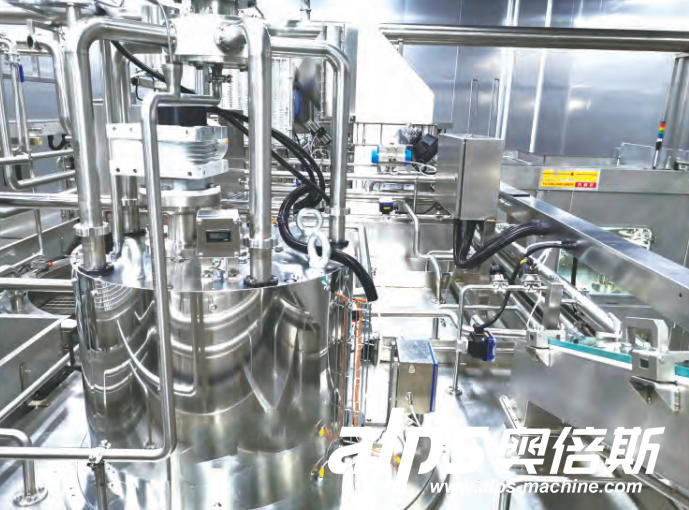
Next, the sterilized juice is transferred into the sterilized packaging in a sterile environment, reducing the risk of contamination during filling. This process extends the juice’s shelf life, making aseptic filling ideal for long shipping and storage. It also keeps taste, color, and nutrition intact.
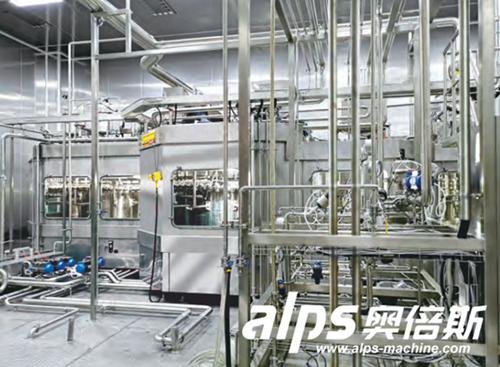
Extended Shelf Life: Aseptic filling greatly increases the shelf life of juice products. It helps them stay fresh for months without refrigeration.
Room Temperature Storage: Unlike traditional juice filling methods, aseptic filling lets juice be stored and shipped at room temperature. This cuts logistics costs and removes the need for cold storage.
Nutritional Integrity. The juice is heated to high temperatures. Then it is packed in sterile containers. This helps keep its nutrients, flavor, and color. This provides a high-quality product for consumers.
Recent advancements in aseptic filling technology have further improved efficiency and product quality. Innovations such as integrated sterilization systems and real-time monitoring allow for greater control over the sterilization process, reducing energy consumption and minimizing the risk of contamination. Additionally, eco-friendly packaging solutions have emerged, helping producers meet sustainability goals while maintaining high product standards.
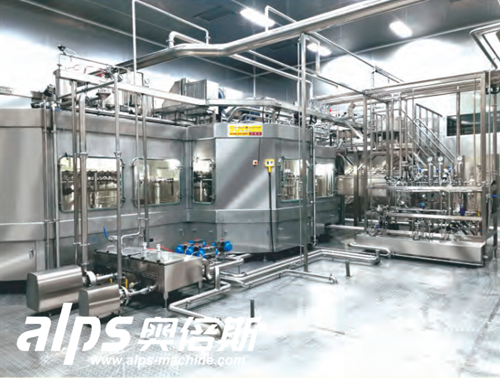
High Initial Investment: The cost of purchasing and installing aseptic filling machines can be significantly higher than traditional filling systems.
Complex Maintenance: Aseptic machines require regular maintenance to ensure that the sterilization process and overall performance remain optimal, which can increase operational costs.
Technical Expertise: Proper operation of aseptic filling machines requires trained personnel to manage the complex sterilization and filling processes effectively.
Once the juice is heated, it is filled into sterilized containers and sealed while still hot. This helps keep the juice fresh longer, making it ideal for markets where refrigeration is not available. Hot filling works well for more acidic juices because heat does not greatly change taste or nutrition.
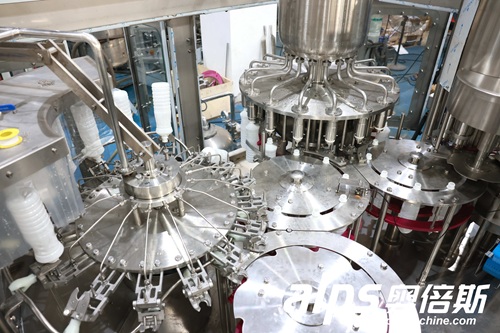
Cost-Effective Production: Hot filling is usually cheaper than advanced filling methods. This makes it popular for large-scale juice production.
Efficient Production Process: The high-temperature process cuts the need for extra preservatives. This helps producers lower costs while keeping product quality.
Extended Shelf Life: The hot fill process helps keep the juice fresh longer. It lowers the risk of spoilage. It also lets products stay on shelves longer.
Temperature and Process: Hot filling uses high heat to sterilize juice. Cold filling often needs pasteurization or preservatives for a similar shelf life.
Product Suitability: Hot filling is ideal for acidic beverages like fruit juices, where the heat does not significantly alter the flavor or quality. Cold filling is typically used for more delicate beverages that require lower processing temperatures.
Precise Temperature Control: Maintaining the correct temperature during the filling process is critical to preserve the juice’s taste and nutritional content.
Frequent Line Changeovers: Hot filling machines require proper cleaning between production runs to prevent cross-contamination and maintain hygiene.
Regular Equipment Maintenance: Routine maintenance ensures that all components of the hot filling system, such as heat exchangers and seals, remain in optimal condition.
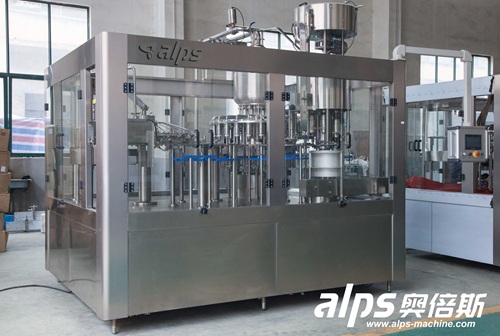
Incorrect Temperature Management: If the juice is heated too much or not enough, it can affect the flavor, color, and nutritional value.
Poor Cleaning Practices: Failure to properly clean the equipment between batches can lead to contamination and spoilage of products.
Inefficient Packaging: Using containers that are not designed for high temperatures can result in breakage or contamination, compromising the product’s integrity.
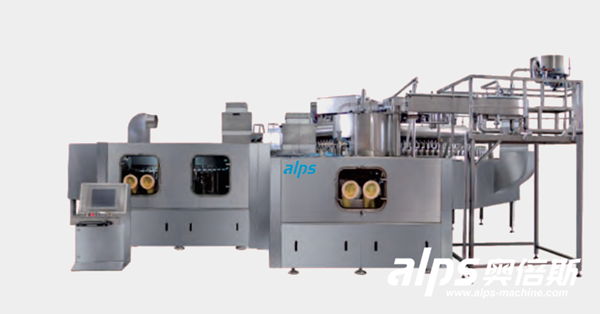
High Hygiene Standards: Ultra clean filling machines maintain a sterile environment to prevent microbial contamination, ensuring product safety.
Prevention of Contamination: These systems use advanced filtration and sterilization techniques to eliminate any particles or microorganisms that could affect the product quality.
Maintaining Nutritional Value: The superior hygiene control helps retain the juice's nutritional integrity and flavor.
Production Volume: Choose a machine that can handle your desired production scale while maintaining the necessary hygienic conditions.
Juice Type: Different juice types (e.g., acidic, pulpy, or smooth) may require specific filling technologies, so ensure the equipment is compatible with the juice's characteristics.
Sterilization Method: Look for machines that use reliable sterilization methods such as UV light, ozone, or hot water, which are essential for maintaining ultra clean conditions.
Compliance with Industry Standards: Ensure the equipment meets food safety standards and regulations relevant to your target market.
Pre-Treatment and Filtration: Before filling, juice undergoes a filtration and pre-treatment stage to remove impurities and reduce microbial contamination.
Container Sterilization: Containers are sterilized using methods like hydrogen peroxide rinsing, hot water treatment, or UV sterilization. This ensures that all packaging is free from contamination before filling.
Filling in a Sterile Environment: Juice is then filled into the sterilized containers in a controlled sterile environment. The entire filling process is conducted under highly regulated conditions to prevent contamination.
Sealing and Packaging: After filling, containers are immediately sealed to preserve the juice’s quality. The sealed containers are then further packaged for storage and distribution.
Regular Cleaning: Consistent and thorough cleaning schedules are crucial. This includes cleaning the filling valves, containers, and any parts that come into contact with the juice.
Routine Equipment Inspection: Regular checks on seals, sterilization systems, and filtration units help prevent potential breakdowns and ensure the system remains efficient.
Lubrication and Calibration: Proper lubrication of moving parts and regular calibration of filling machines are necessary to avoid wear and tear and ensure accurate operation.
Volumetric Filling: This technology fills containers with precise volumes, minimizing waste and ensuring consistency in product quantity.
Piston Filling: Often used for thicker liquids or juices with pulp, piston filling ensures that the product is dispensed smoothly and accurately.
Pressure Filling: This method is often employed for beverages that need to be filled under controlled pressure, such as carbonated juices or juices with sensitive ingredients.
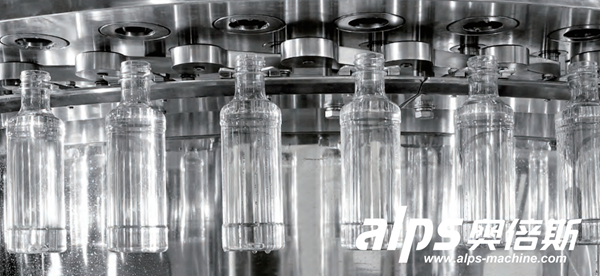
Improved Sterilization Techniques: Advances in UV sterilization and ozone treatment have made the sterilization process more efficient, reducing energy usage while maintaining hygiene.
Smart Sensors: The integration of smart sensors allows for real-time monitoring of the filling process, alerting operators to any discrepancies and improving overall quality control.
Eco-Friendly Materials: With increasing sustainability concerns, many ultra clean filling machines now utilize eco-friendly materials in their design, making them more environmentally conscious.
Advantages:
Extended shelf life without refrigeration.
Retains product quality (flavor, color, nutrients).
Ideal for long-distance transportation and global distribution.
Disadvantages:
High initial investment and operational costs.
Requires specialized packaging materials.
Complex maintenance due to sterilization systems.
Best For: Premium juices, long shelf life products, global distribution.
Advantages:
Cost-effective and simple operation.
Works well with high-acid juices like fruit juices.
Extended shelf life without preservatives.
Disadvantages:
Heat may degrade some flavors and nutrients.
Not suitable for juices with delicate flavors.
Requires a high-energy input for heating.
Best For: Large-scale production of acidic fruit juices, where cost efficiency is a priority.
Advantages:
High hygiene standards, preventing microbial contamination.
Ideal for premium and organic juices.
Retains juice quality while ensuring safety.
Disadvantages:
Higher maintenance requirements.
Suitable for lower production volumes compared to hot filling.
Best For: High-end, organic, or health-conscious juice products where hygiene is critical.
Aseptic Filling: Best for large-scale production with a focus on long shelf life and global markets. The high initial cost can be justified if you are producing for a wide distribution network.
Hot Filling: Suitable for medium to large production scales where cost efficiency is important. Ideal for local or regional markets with shorter shelf life requirements.
Ultra Clean Filling: Best for small to medium production runs, particularly for premium or organic juice products where high hygiene standards are non-negotiable.
Aseptic Filling: Significant investment, but the ability to store products at room temperature and the extended shelf life provide a high return on investment (ROI).
Hot Filling: A more affordable option with lower energy costs compared to aseptic filling. The ROI is high for large volumes, but it may not be suitable for high-quality, high-end juices.
Ultra Clean Filling: Investment costs can be moderate, but the focus on high-quality, contaminant-free juices can command higher prices in the market, especially for organic or premium juice products.
Aseptic Filling: Ideal for long shelf life and global distribution. It offers high product quality but requires significant investment and maintenance.
Hot Filling: Best for large-scale production of acidic juices, offering cost efficiency and ease of operation, though it may affect some product qualities.
Ultra Clean Filling: Perfect for premium or organic juices where hygiene standards are critical. It offers high quality but comes with higher maintenance and moderate production volumes.
Automation and AI Integration: Advanced sensors and AI will enable smarter, more efficient filling processes with real-time monitoring and quality control.
Sustainability: Eco-friendly materials and energy-efficient technologies are expected to reduce environmental impact while maintaining high-quality standards.
Enhanced Sterilization Techniques: Innovations in UV sterilization, ozone treatment, and other technologies will further improve hygiene and shelf life.


By continuing to use the site you agree to our privacy policy Terms and Conditions.