UV and ozone water treatment are two of the most common disinfection methods used in bottled water production, but they work in very different ways. UV provides instant, chemical-free disinfection at a single point, while ozone offers longer-lasting microbial control across storage tanks and pipelines. In this article, you will learn how each system works, where they should be installed, and when to use UV, ozone, or both together—so you can quickly decide which solution fits your bottled water production line.
In bottled water production, filtration is not the final sterilization step. RO removes most dissolved impurities and bacteria, while UF improves clarity and reduces suspended solids.
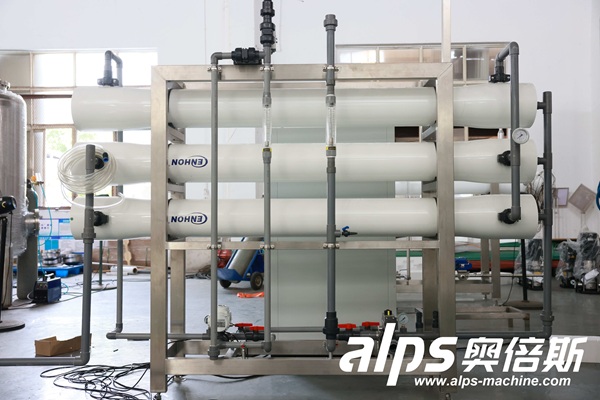
RO water treatment system before final disinfection and UF and RO membrane filtration before disinfection improve water quality significantly, but they cannot guarantee sterile water at the end of the process.
Even after filtration, water can still be contaminated during storage and transfer. Key risk points include storage tanks, pipelines, filling machines, and bottle cap rinsing systems.
Because of this, bottled water disinfection is always required before filling. Filtration alone cannot complete the safety requirement in a water disinfection system for bottled water plant.
final disinfection in water treatment process is used as the last protection step to control microbial risk before water enters the filling machine.
In a UV water treatment system, ultraviolet light damages the DNA structure of bacteria, viruses, and other pathogens. Once the DNA is disrupted, microorganisms lose their ability to reproduce, which effectively stops contamination growth in the water. No chemicals are added during this process, making it a clean and stable disinfection method.
One of the main advantages of UV disinfection is that it does not affect the taste, odor, or mineral composition of water. There is also no chemical residue left behind, which makes it suitable for high-quality bottled water production. The process is instant, meaning water is disinfected as it passes through the UV chamber without holding time.
In a typical UV ozone sterilization bottled water system, UV units are usually installed just before the filling machine. They are often placed at the pipeline terminal point as a final safety barrier to ensure water is disinfected immediately before bottling. This positioning makes UV a critical part of final disinfection before filling machine processes and helps reduce microbial risk right before packaging.
How Ozone Water Treatment Works
Ozone water treatment disinfects water by dissolving ozone gas (O₃) into the purified water. As a strong oxidizing agent, ozone quickly destroys bacteria, viruses, and other microorganisms by damaging their cell walls, making it an effective solution for bottled water disinfection.
System-Wide Microbial Protection
Unlike UV, which disinfects water only as it passes through a specific point, ozone remains in the water for a short period after injection. This residual effect helps control microorganisms throughout the storage tank and circulation pipeline, reducing the chance of bacterial regrowth before bottling. For this reason, ozone sterilization for bottled water is often used to maintain system hygiene rather than only treating a single location.
Where Ozone Is Used in a Bottled Water Plant
Ozone is typically injected into the purified water tank or circulation loop after filtration. As water moves through the storage and transfer system, ozone continues to suppress microbial growth until the water reaches the filling stage. This makes ozone a practical solution for pre-filling sanitation and helps protect the entire process, not just one section of the production line.
In most production layouts, ozone works together with UV rather than replacing it. The overall arrangement is illustrated in UV and ozone in bottled water process flow, showing how ozone provides system-wide protection while UV serves as the final safety barrier before bottling.
UV vs Ozone Comparison Table
Both UV and ozone are effective disinfection methods, but they serve different purposes in a bottled water production line. UV provides instant treatment at a specific point, while ozone protects the storage and distribution system before filling. The comparison below highlights the main differences.
| Item | UV | Ozone |
| Disinfection method | Ultraviolet light | Dissolved ozone |
| Chemical addition | No | Yes (decomposes into oxygen) |
| Installation position | Pipeline / before filling machine | Storage tank / circulation system |
| Residual protection | None | Short-term residual effect |
| Effect on taste | No change | Requires controlled dosage |
| Best use | Point disinfection | System sanitation |
| Role in plant | Final safety barrier | Storage and pipeline hygiene control |
In a typical UV vs ozone water treatment comparison, neither technology is universally better than the other. The right choice depends on where microbial control is needed, and many bottled water plants combine both systems to achieve complete process protection.
When Should You Use UV?
A UV water treatment system is the best choice when water has already been purified and only requires final-stage disinfection before bottling. Because UV light works most effectively in clear, low-turbidity water, it is typically installed after RO or UF treatment.
Ideal Applications for UV
UV is recommended when maintaining the original taste, odor, and mineral composition of bottled water is important. Since no chemicals are added during the process, it provides effective microbial control without affecting water quality.
In most bottled water plants, the UV unit is installed immediately before the filling machine. This allows it to disinfect the water just before packaging, making it the last safety barrier against microorganisms. For this reason, UV is often considered the final guarantee of product safety rather than a system-wide sanitation solution.
For many manufacturers, UV is chosen as the final disinfection step before bottling, especially in systems where water quality is already stable. If you are deciding UV or ozone for bottled water, it is helpful to understand the role of each technology in the overall production line.
When Should You Use Ozone?
An ozone water treatment system is the preferred choice when the goal is to maintain hygiene throughout the entire purified water system, not just at a single point. It is especially effective in controlling microorganisms during water storage and transfer before bottling.
Ideal Applications for Ozone
Ozone is commonly injected into the purified water tank and circulation pipeline, where it helps sanitize equipment and reduce microbial regrowth. Its short-term residual effect allows it to continue protecting the system as water moves toward the filling machine.
This makes ozone particularly suitable for large bottled water production lines with storage tanks, long pipelines, or extended production times. By keeping the circulation system clean, it improves overall process stability and reduces the risk of secondary contamination.
Unlike UV, which acts as a final barrier, ozone functions as a system protection layer. In bottled water disinfection, the two technologies are often used together—ozone maintains hygiene throughout the system, while UV provides final disinfection immediately before filling.
Why Bottled Water Plants Use UV + Ozone Together
Many people compare UV vs ozone water treatment as if they are competing technologies. In reality, they perform different functions and are designed to work together in a complete bottled water production line.
UV Provides Final Point Disinfection
UV is installed just before the filling machine to disinfect water at the final stage. It acts only on the water passing through the UV chamber, providing immediate microbial control without adding chemicals. This makes UV the last safety barrier before bottling.
Ozone Protects the Entire Water System
Ozone is added earlier in the process, usually in the purified water tank or circulation pipeline. Instead of protecting a single point, it helps maintain hygiene throughout the storage and transfer system, reducing microbial regrowth before the water reaches the filler.
In most bottled water production lines, UV and ozone are not standalone systems. They are designed to work after
UF and RO membrane filtration before disinfection to ensure both water quality and microbial safety before the final treatment stage.
A Complete Protection Chain
The combination of UV and ozone provides protection at different stages of production. Ozone offers upstream control by keeping tanks and pipelines sanitary, while UV delivers final point disinfection immediately before filling. Together, they create a complete protection chain from purified water storage to finished product packaging.
For this reason, most bottled water plants use both systems instead of choosing only one. A properly designed UV ozone sterilization bottled water system improves process hygiene, reduces the risk of secondary contamination, and provides more reliable microbial control across the entire production line.
What Affects UV and Ozone Performance?
Both UV and ozone are highly effective disinfection technologies, but their performance depends on proper system design and operating conditions. Optimizing these factors helps maintain stable microbial control in bottled water production.
Factors That Affect UV Performance
A UV system works best when water is clear and has low turbidity, allowing ultraviolet light to penetrate effectively. Flow rate is also important—if water passes through too quickly, exposure time may be insufficient. In addition, lamp aging, quartz sleeve fouling, and incorrect installation position can all reduce disinfection efficiency, making regular inspection and maintenance essential.
Factors That Affect Ozone Performance
The effectiveness of ozone depends on several operating conditions, including ozone concentration, contact time, and water temperature. A well-designed storage tank and circulation system help distribute ozone evenly and improve system sanitation. Because ozone is a strong oxidant, proper safety controls and dosage management are also necessary to ensure effective disinfection while protecting equipment and operators.
Regular maintenance and correct system configuration allow both UV and ozone to perform as intended. When properly designed, the two technologies provide reliable microbial control at different stages of the bottled water production process.
FAQ
What is the difference between UV and ozone water treatment?
UV disinfects water instantly as it passes through the UV chamber, while ozone provides system-wide sanitation by protecting storage tanks and circulation pipelines.
Is UV enough for bottled water production?
Not always. UV is highly effective as a final disinfection step, but many bottled water plants combine it with ozone to reduce the risk of secondary contamination.
Why is ozone used in bottled water plants?
Ozone helps sanitize purified water tanks and circulation systems, reducing microbial regrowth before the water reaches the filling machine.
Does UV change the taste of water?
No. A UV water treatment system does not add chemicals, so it does not affect the taste, odor, or mineral content of bottled water.
Where should UV be installed?
UV is typically installed immediately before the filling machine, where it serves as the final safety barrier before bottling.
Where should ozone be added?
Ozone is usually injected into the purified water storage tank or circulation system, allowing it to sanitize the entire water transfer process.
Can UV and ozone be used together?
Yes. Most bottled water plants use both technologies—ozone for system hygiene and UV for final point disinfection—to achieve more reliable microbial control.