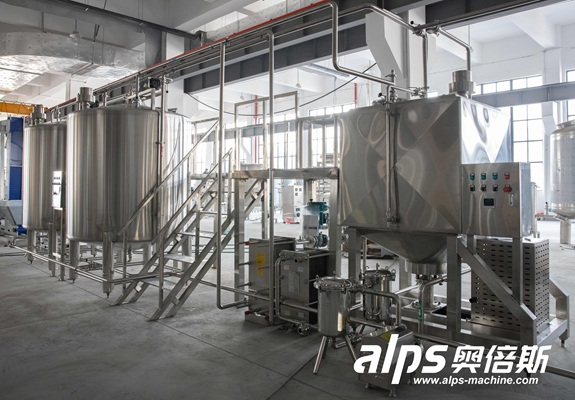
Many bottled water plant buyers start by asking for the price of a water treatment system, but the first question should be about raw water quality. Before choosing RO, UF, UV, activated carbon, or softening equipment, a bottled water raw water test is needed to understand what the water actually contains. Parameters such as TDS, hardness, turbidity, pH, residual chlorine, iron, manganese, and microorganisms can all affect equipment selection. This article explains what to test before water treatment and how the results guide a stable water treatment facility design.
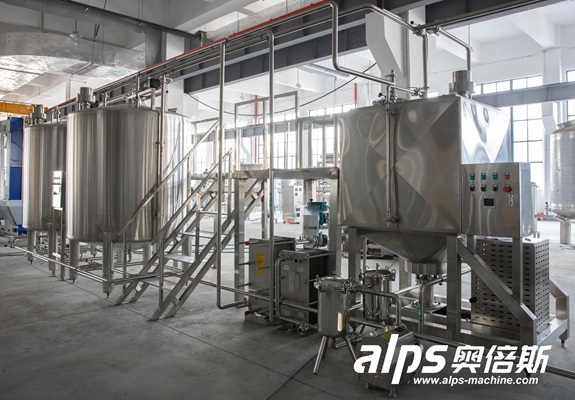
Why Raw Water Analysis Comes Before Water Treatment System Selection
Choosing equipment before checking the raw water is one of the most common risks in bottled water projects. Two plants may have the same capacity, bottle size, and filling output, but their water treatment system can be completely different. Municipal water, well water, spring water, and brackish water each bring different problems, so a raw water test report is the starting point for practical system design.
Without water quality testing before water treatment, the system can easily be over-designed or under-designed. Over-design means the buyer pays for equipment that may not be necessary. Under-design is more serious because it may lead to unstable water quality, frequent filter replacement, RO membrane scaling, microbial control problems, or failure to meet local drinking water standards.
Raw water analysis connects water quality data with actual equipment selection. If TDS is high, RO may be needed. If hardness is high, a softener or antiscalant system may be required. If residual chlorine is present, activated carbon filtration should usually be placed before RO. Turbidity, iron, manganese, and microbial indicators can also affect whether the system needs multi-media filtration, UF, UV, ozone, or precision filters.
In short, a reliable bottled water plant should not start from a fixed equipment list. It should start from a clear
water treatment system process based on real water quality.
Common Raw Water Sources in Bottled Water Production
After confirming that raw water analysis should come before equipment selection, the next step is to understand where the water comes from. A bottled water plant may use municipal water, well water, underground water, spring water, surface water, or brackish water. Each source has different impurities, so the water treatment direction can also be very different.
| Water Source | Common Problems | Possible Treatment Direction |
| Municipal water | Residual chlorine, odor, pipe impurities | Activated carbon filter, precision filter, UV or ozone |
| Well water | Hardness, iron, manganese, dissolved minerals | Multi-media filter, softener, RO system |
| Underground water | High hardness, high mineral content, microbial risk | Pre-treatment, RO or UF, disinfection |
| Spring water | Turbidity, microorganisms, natural suspended particles | UF, UV, ozone |
| Surface water | High turbidity, organic matter, unstable quality | Stronger pre-treatment, UF or RO |
| Brackish water | High TDS and salt content | RO water treatment system |
The water source can give a general idea of possible treatment needs, but it should not replace a bottled water raw water test. For example, two wells in different areas may have completely different hardness, iron, manganese, and TDS levels. The final water treatment system should be based on actual test data, not only on the name of the water source.
A professional water treatment facility should not copy one standard configuration for every project. The system design should match the raw water quality, the target product, and the local drinking water standard. This is why raw water analysis is always the practical starting point for bottled water treatment system design.
The water source can give a general idea of possible treatment needs, but it should not replace a bottled water raw water test. For example, two wells in different areas may have completely different hardness, iron, manganese, and TDS levels. Before RO, UF, or disinfection is selected, the supplier may first design a pre-treatment system based on raw water quality to protect downstream equipment and improve system stability.
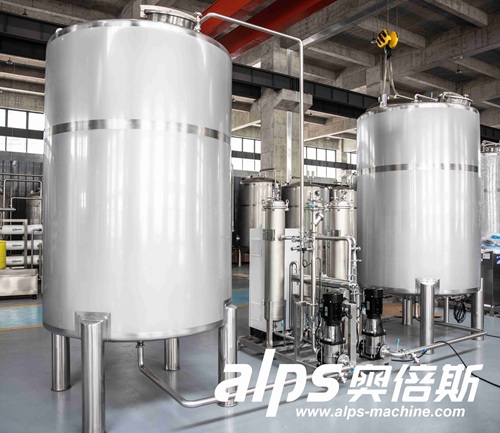
Key Water Quality Parameters to Test Before Water Treatment
A raw water test report should do more than prove that the water looks clear. It should provide measurable data that helps engineers design the right water treatment system for stable bottled water production.
TDS
TDS means total dissolved solids. It refers to dissolved minerals, salts, and other ions in the water. A high TDS value often means the water contains more dissolved substances than simple filtration can remove. In many purified water projects, high TDS is one of the main reasons for using an RO water treatment system.When TDS is high, simple filtration is usually not enough to remove dissolved salts and minerals.
In this case, buyers can further read about an RO water treatment system for high TDS water to understand when RO becomes necessary in bottled water production.
Turbidity
Turbidity shows how cloudy the water is and usually reflects suspended particles, mud, fine sand, or organic matter. Even when water looks acceptable, high turbidity can reduce filtration efficiency and affect UF or UV performance. If turbidity is high, a multi-media filter is often added before advanced water treatment equipment.
Hardness
Hardness mainly comes from calcium and magnesium ions. In a bottled water plant, hard water can create scale inside RO membranes, pipes, pumps, valves, and heating or cleaning sections. This may reduce flow rate and increase maintenance frequency. When hardness is high, the water treatment system may need a water softener or an anti-scaling dosing system before RO.
pH and Conductivity
pH shows whether the raw water is acidic, neutral, or alkaline. Conductivity helps estimate the concentration of dissolved ions in the water. These two parameters are useful for judging water stability, corrosion risk, scaling tendency, and mineral content. For a water treatment facility, they also help engineers decide whether extra adjustment or monitoring is needed.
Iron and Manganese
Iron and manganese are common in well water and underground water. They may cause color changes, metallic taste, stains, sediment, or deposits inside filters and pipelines. If these values are high, the system may need oxidation and filtration before RO, UF, or disinfection. Ignoring them can lead to unstable operation over time.
Residual Chlorine
Residual chlorine is often found in municipal water because it is used for disinfection during public water supply. However, chlorine can damage RO membranes if it reaches the RO stage. This is why activated carbon filtration is commonly placed before RO when municipal water is used as the raw water source.
Microbial Indicators
Microbial indicators show whether bacteria or other microorganisms may be present in the raw water. These results affect the design of UV sterilizers, ozone systems, storage tanks, and sanitary pipelines before filling. For bottled water production, microbial control is not only about safety at one point. It also affects shelf stability after bottling.
How Each Water Parameter Affects Water Treatment System Design
Raw water analysis is useful because each test result points to a design decision. A supplier does not only look at whether the water is “clean” or “dirty.” The report helps decide whether the water treatment system needs filtration, softening, RO, UF, activated carbon, UV, ozone, or other treatment equipment.
| Test Parameter | What It Means | Design Impact |
| High TDS | Dissolved salts and minerals | RO may be needed, especially for purified water production |
| High turbidity | Suspended particles and cloudiness | Multi-media filter or UF may be needed before fine treatment |
| High hardness | Calcium and magnesium | Softener or antiscalant system may be needed to protect RO membranes |
| Residual chlorine | Disinfectant in tap water | Activated carbon filtration is usually needed before RO |
| High microbial risk | Bacteria and microorganisms | UV and ozone disinfection may be required |
| Iron and manganese | Common groundwater minerals | Oxidation and filtration treatment may be needed |
However, one parameter should not be judged alone. A water source with only high TDS may need a different design from water that has high TDS, high hardness, turbidity, iron, and microbial risk at the same time. In real bottled water projects, engineers usually review all test data together before deciding the final water treatment system design.
If the raw water test report shows high turbidity, microbial risk, or moderate mineral content, the choice may not always be RO. In many cases, engineers need to choose UF or RO based on water test report results instead of using one fixed solution for every bottled water plant.
What Information Should You Send to a Water Treatment System Supplier?
Before asking for a quotation, it is helpful to prepare more than the required capacity and bottle size. A water treatment system supplier cannot design an accurate process only from output data. The supplier needs to understand the raw water condition, target product, local standard, and project scope before recommending equipment.
Prepare the following information if possible:
Raw water source, such as municipal water, well water, spring water, or brackish water
Bottled water raw water test report
Target product, such as purified water, mineral water, or spring water
Required capacity, usually in LPH or TPH
Bottle size and bottle material
Filling machine output, such as bottles per hour
Local drinking water standard or bottled water regulation
Automation level, such as fully automatic or semi-automatic
Available space for the water treatment facility
Whether you need only the water treatment section or a complete bottled water production line
The more complete the information is, the easier it is to design a suitable water treatment system. It also helps the supplier estimate investment more accurately and avoid repeated communication. For buyers who are still comparing different solutions, it is useful to review how to choose a water treatment system before finalizing the project plan.
Common Mistakes Before Water Treatment System Design
Many bottled water project problems happen because buyers skip raw water analysis or misunderstand what a water treatment system is supposed to solve.
Only Asking for Price Without Providing a Water Test Report
A price quotation is not only based on capacity. It also depends on raw water quality, process design, equipment material, automation level, and the final water standard the plant must meet.
Thinking Every Bottled Water Plant Must Use RO
RO is important in many purified water projects, but it is not required for every bottled water plant. Spring water or mineral water production may use UF, UV, ozone, or filtration depending on the test report.
Ignoring Hardness and Chlorine Before RO
Hardness can cause scaling on RO membranes and pipelines. Residual chlorine, often found in municipal water, can damage RO membranes if it is not removed by activated carbon filtration.
Only Testing Final Water
Testing should not only happen after treatment. A stable water treatment facility should monitor raw water, pre-treated water, RO or UF outlet water, storage water, and water before filling.
FAQ
Why is raw water analysis important before buying a water treatment system?
Raw water analysis shows what the source water contains. It helps suppliers choose the right treatment process instead of guessing from capacity alone.
What water parameters should be tested before RO?
Before RO, it is useful to test TDS, hardness, turbidity, pH, conductivity, iron, manganese, residual chlorine, and microbial indicators.
Does high TDS always mean RO is required?
Not always. High TDS often points to RO for purified water production, but the final choice depends on the target water type and local standard.
Why does hard water damage RO membranes?
Hard water contains calcium and magnesium. These minerals can form scale on RO membranes, reduce water flow, and increase cleaning frequency.
Can municipal water be used directly for bottling?
Usually not directly. Municipal water may still contain residual chlorine, odor, pipe impurities, or microbial risks that require further water treatment.
What information should I provide for a quotation?
Provide the raw water source, water test report, target product, required capacity, bottle size, filling output, and local drinking water standard.