Advanced Liquid Package Solution
Any question?
Get in touch


A 5-gallon water bottle is a familiar sight in offices, homes, and water delivery services, but the choice of 5 gallons is not random. The size provides a relatively large amount of drinking water while remaining practical for storage, delivery, and handling.
So, why do water bottles come in 5 gallons instead of 3, 6, or 10 gallons? The answer involves more than the weight of the water. Historical usage, delivery efficiency, dispenser compatibility, and industry standardization have all helped make this size common.
This article explains why 5 gallons became a common water bottle size, how 5-gallon bottles are made, what equipment is used for production, and why some applications may choose smaller bottles.
The 5-gallon size provides a relatively large water volume without making the container excessively difficult to handle. Its weight is a key part of why this capacity became widely used.
Using the US gallon, the approximate figures are:
Size | Water Volume | Approx. Water Weight |
3 gallons | 11.4 L | 25 lb |
5 gallons | 18.9 L | 42 lb |
6 gallons | 22.7 L | 50 lb |
The container itself adds additional weight, so the filled bottle weighs more than the water alone.
Larger containers increase the physical demands of:
Loading and unloading
Placing bottles on dispensers
Repeated delivery handling
Therefore, 5 gallons represents a long-established balance between water capacity and practical handling. Actual lifting safety also depends on factors such as posture, distance, and lifting frequency.
Large water containers became common as water delivery developed. Over time, 5-gallon containers became familiar in homes, offices, and delivery services. Water dispensers, bottle designs, and distribution systems then developed around this established size.
The 18.9-liter size comes directly from converting US gallons:
5 US gallons×3.785 L≈18.9 L
So:
18.9 L is the metric equivalent of 5 US gallons.
19 L is a rounded expression.
20 L is a different capacity, not the exact conversion.
This explains why 5-gallon bottles are commonly described as 18.9-liter water bottles.
The 5-gallon format remains practical because it balances water volume with delivery and dispensing requirements.
A larger container can:
Provide more water per delivery
Reduce replacement frequency
Improve transport efficiency for the same water volume
Many water dispensers and delivery systems have been designed around 5-gallon bottles. Bottle necks, support structures, filling equipment, and dispensing methods can therefore work as a connected system. Once these systems become established, changing the standard can require significant adjustments.
Larger bottles can reduce the number of containers and deliveries needed, but they also increase handling weight. The practical choice therefore depends on both delivery efficiency and the physical demands of handling.
A typical PET bottle-making process includes:
PET material→Preform→Heating→Stretch blow molding→Cooling→Inspection
The PET material is formed into preforms, heated, stretched, and blow molded into bottles before cooling and inspection. Compared with 500 ml bottles, 5-gallon bottles are larger and generally designed with greater attention to durability, repeated handling, and cleaning. Different bottle materials and designs may require different forming methods.
Once the bottles are ready, the water production process typically follows:
Cleaning→Rinsing→Filling→Capping→Labeling→Packing
5-gallon production requires particular attention to bottle cleaning, sanitation, filling, sealing, and handling. Therefore, a complete production system needs both bottle-making capabilities and dedicated cleaning and filling equipment.
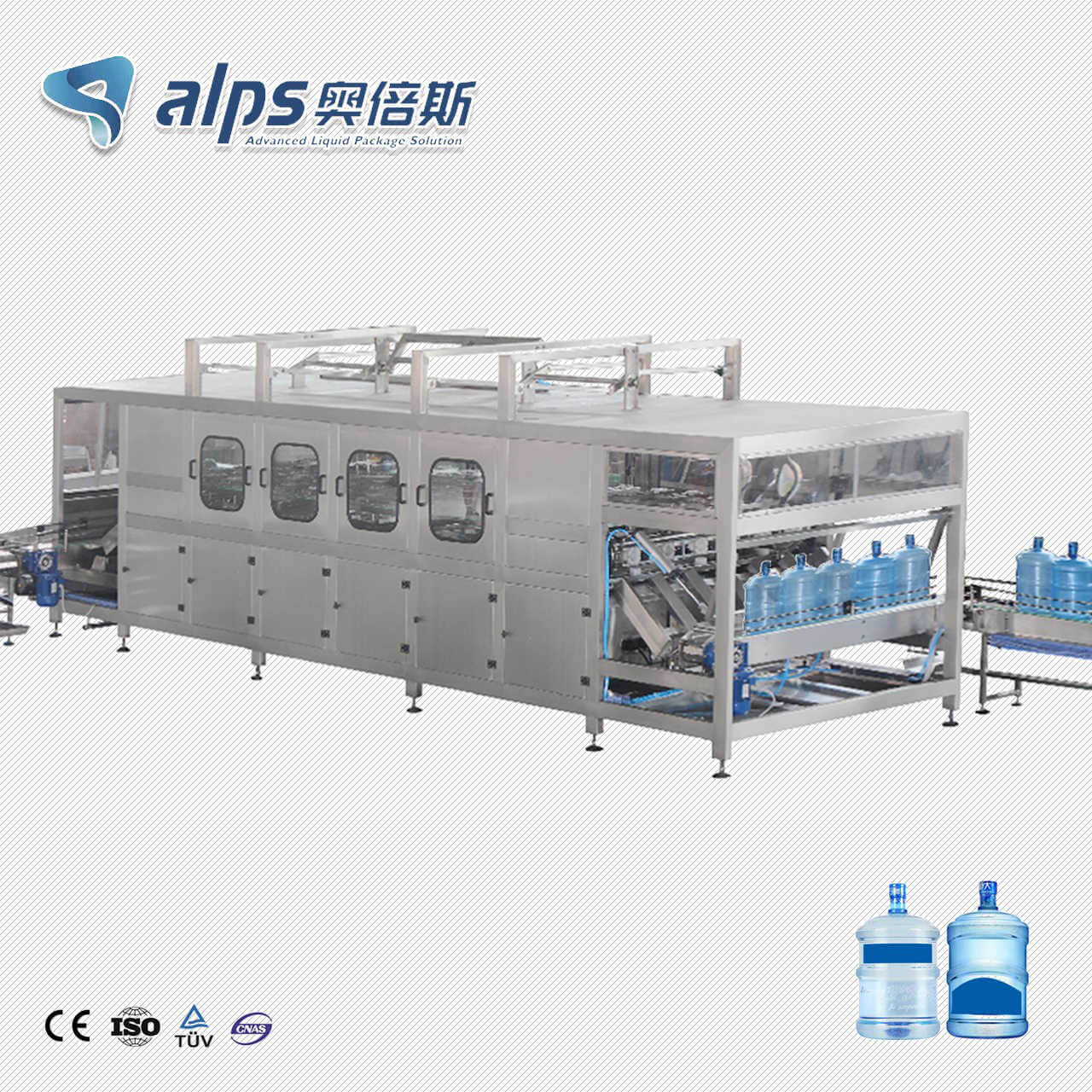
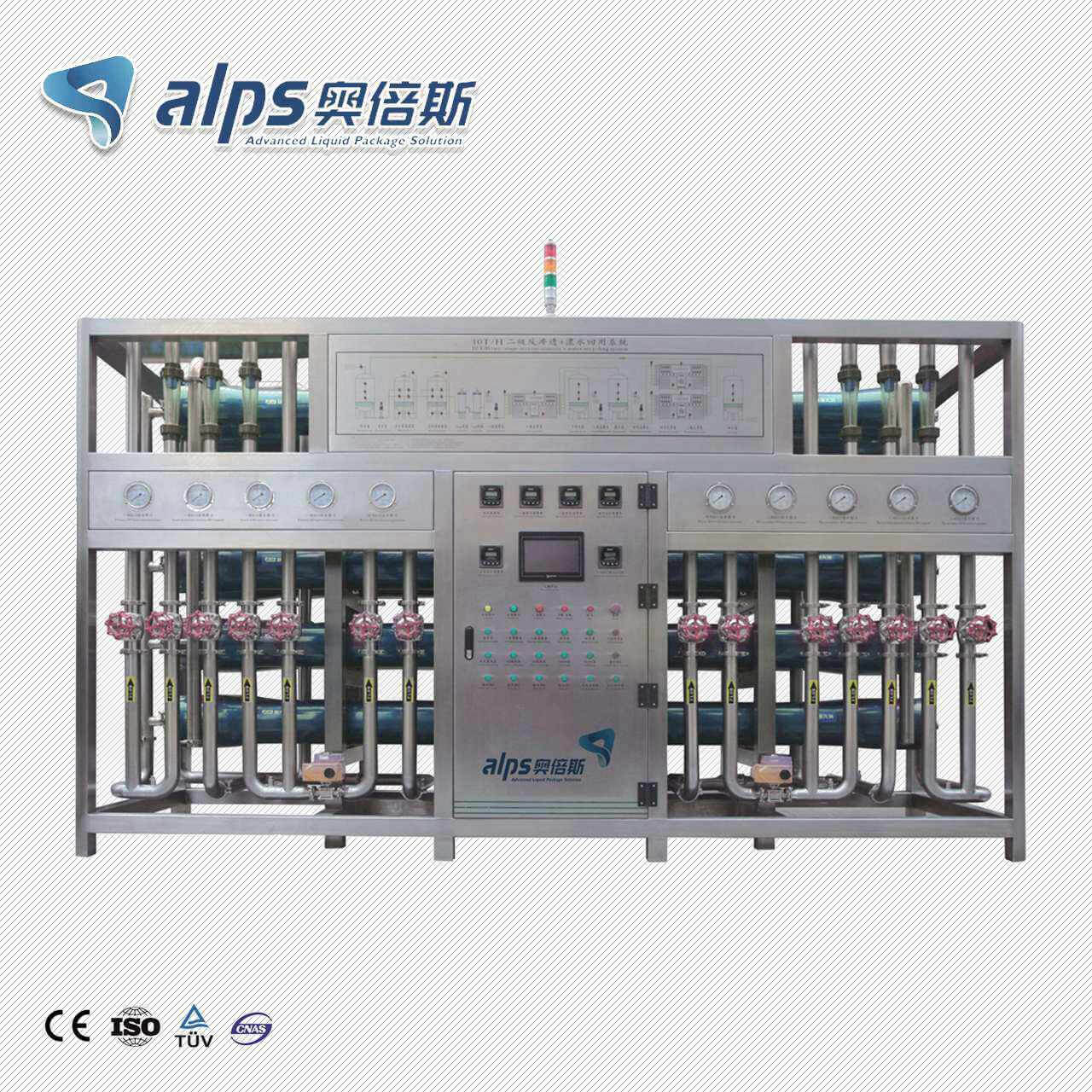
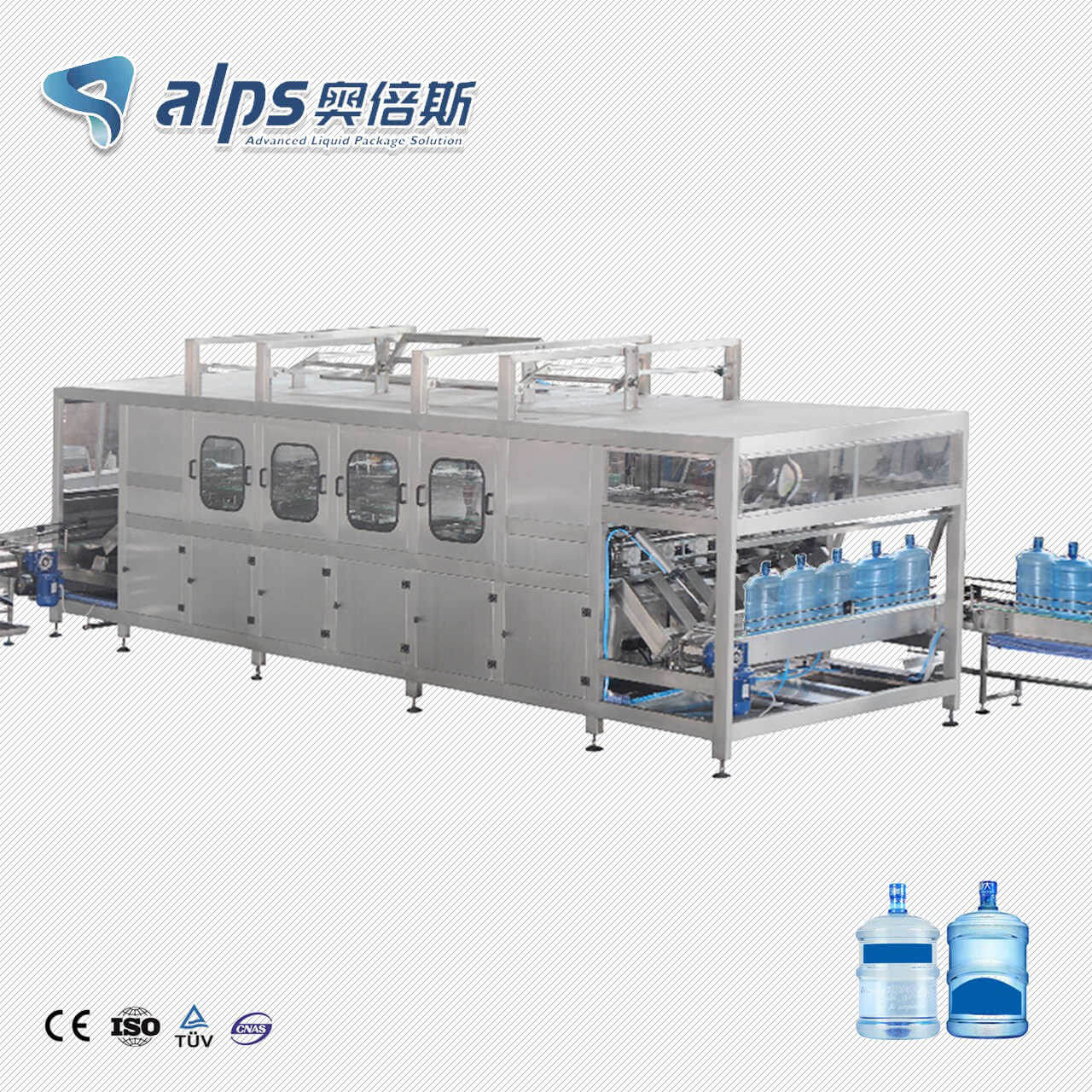
A 5-gallon water production line combines bottle forming, water treatment, cleaning, filling, and packaging equipment:
Equipment | Main Function |
Produces preforms | |
Preform mold | Forms preforms |
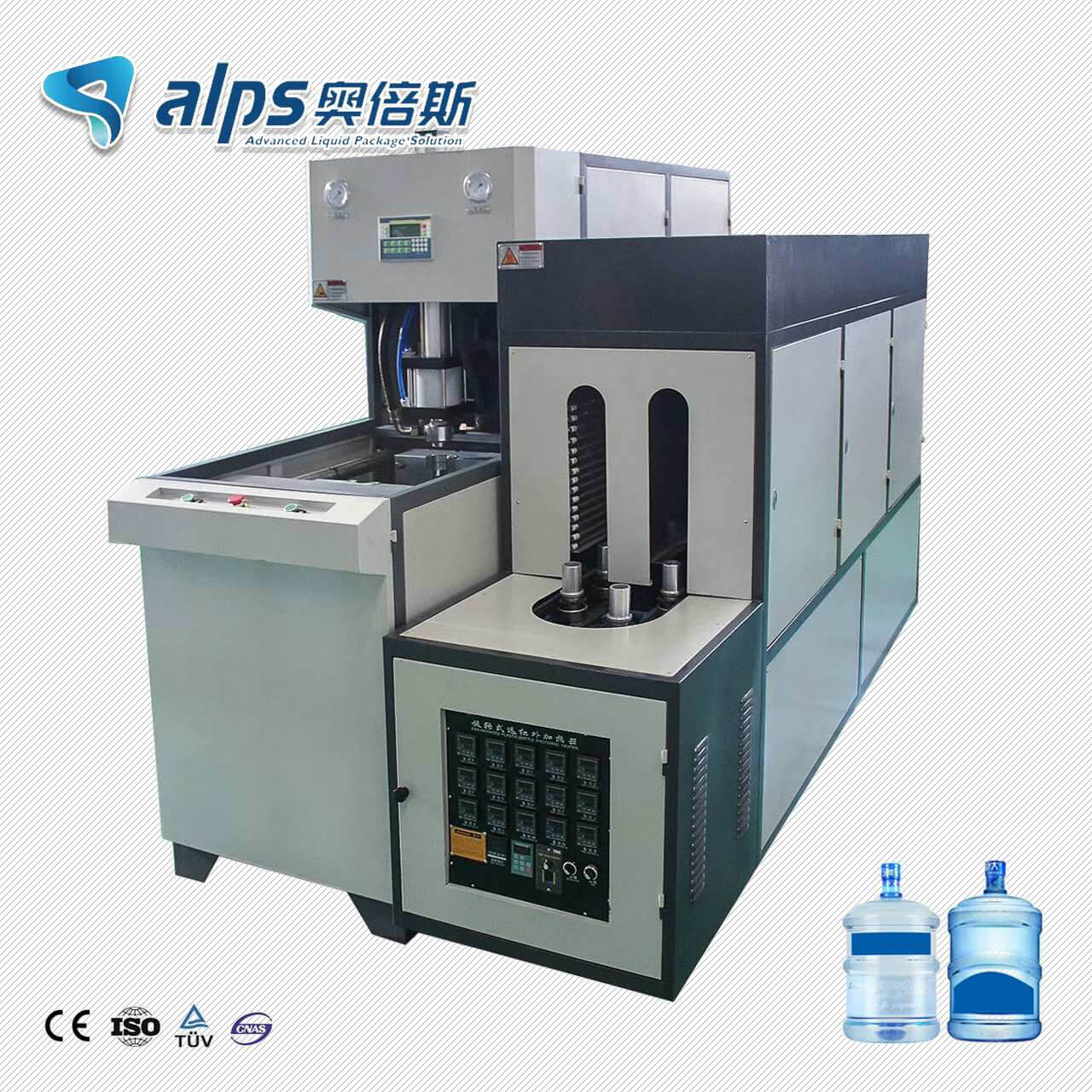
PET bottle blowing machine | Makes 5-gallon bottles |
Air compressor | Supplies blowing air |
Chiller | Cools molds and equipment |
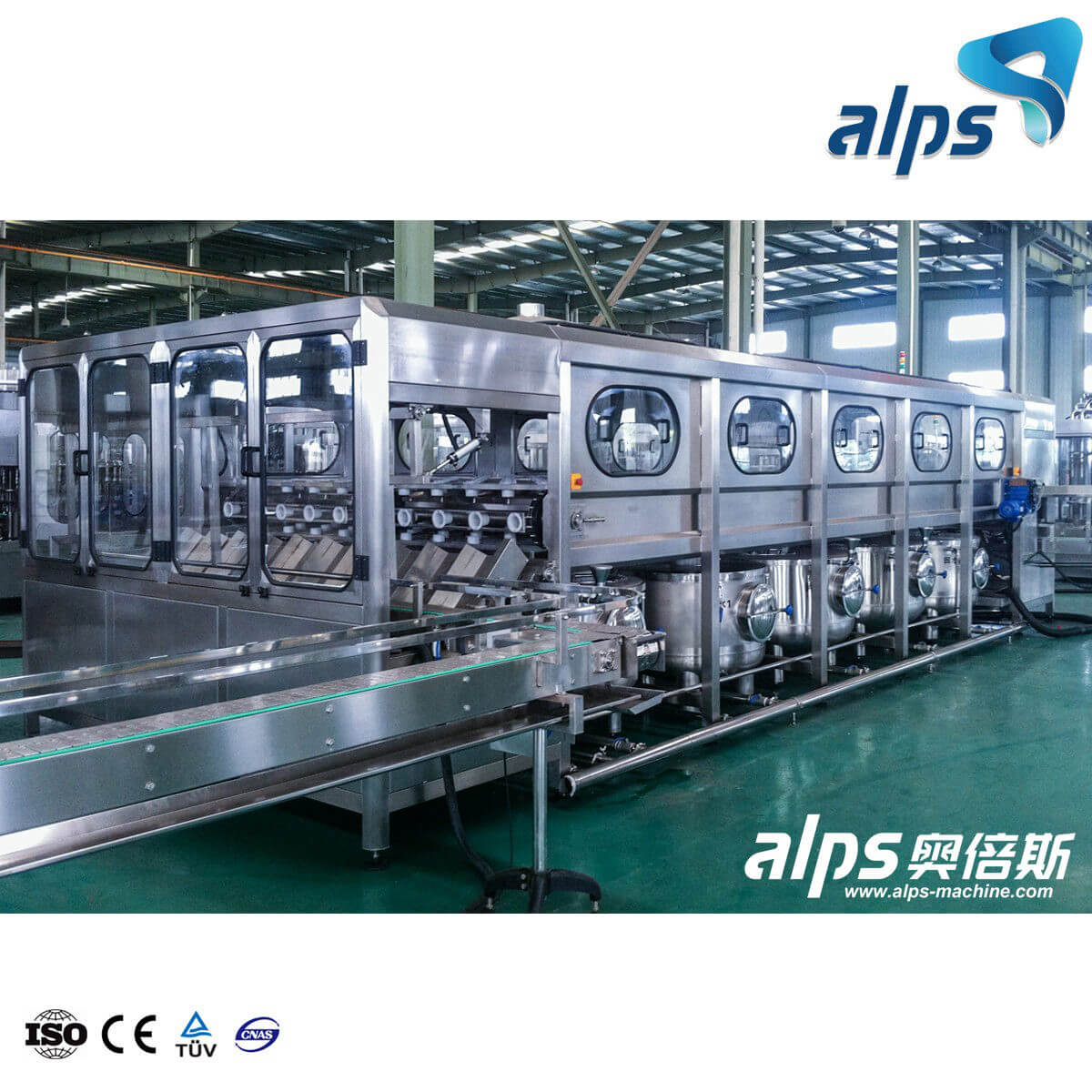
Bottle cleaning system | Cleans and sanitizes bottles |
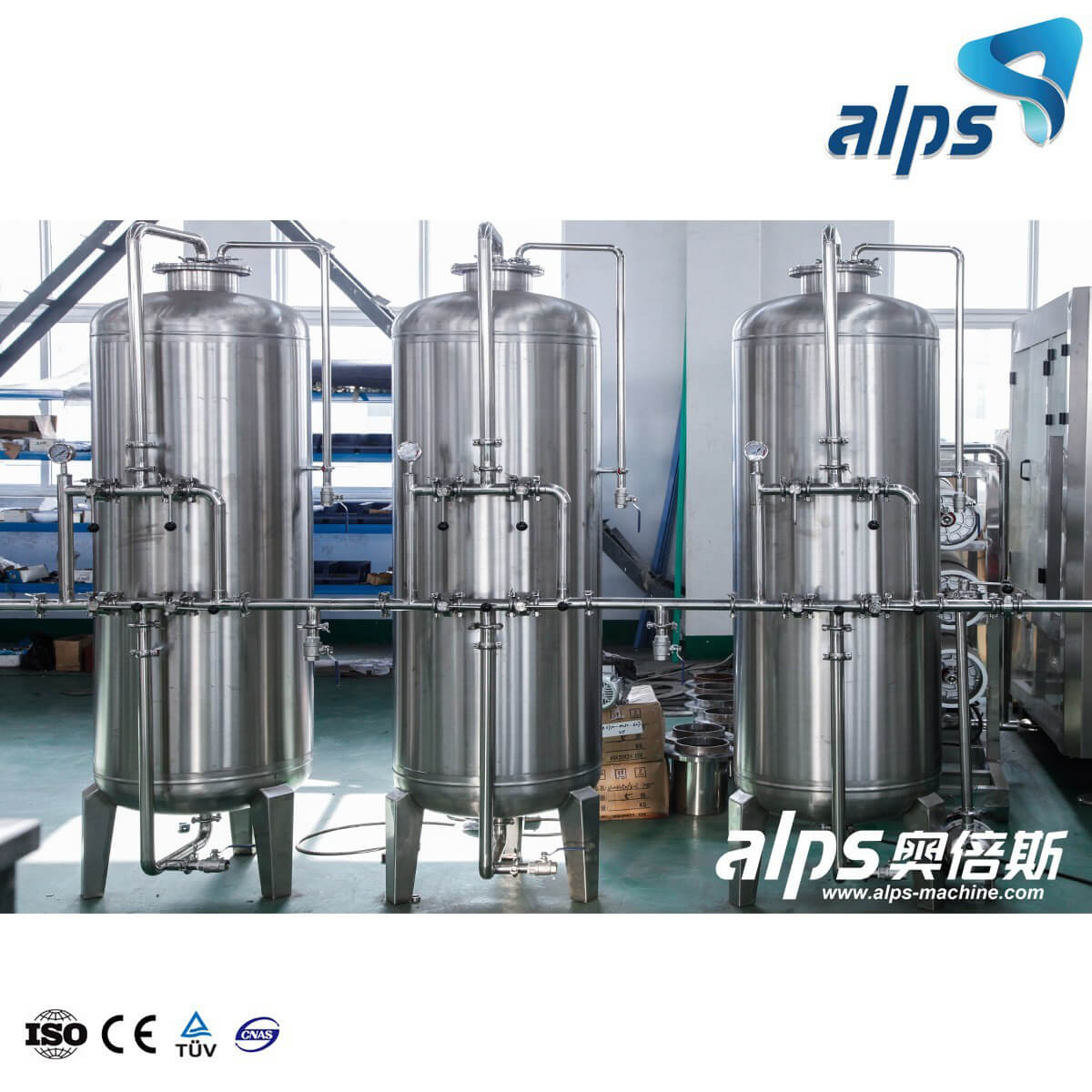
Prepares water for filling | |
Filling machine | Fills treated water |
Capping machine | Seals bottles |
Labeling machine | Applies labels |
Packing machine | Handles finished bottles |
These machines should be planned as one production system. Their capacities, connection requirements, and production speeds need to work together to maintain a continuous flow and reduce potential bottlenecks between bottle making, cleaning, filling, and packing.
The choice between 3-gallon and 5-gallon bottles depends on handling requirements, delivery efficiency, equipment compatibility, and operating costs.
5 Gallons vs 3 Gallons
Factor | 5 Gallons | 3 Gallons |
Water per container | Higher | Lower |
Handling weight | Higher | Lower |
Delivery frequency | Lower | Higher |
Handling difficulty | Higher | Lower |
Dispenser compatibility | Common | Depends on system |
A 5-gallon format provides more water per container and can reduce delivery frequency, while its greater weight may increase manual handling demands.
When Smaller Bottles Make Sense
Smaller bottles may be considered for:
Elderly or mobility-limited users
Locations with frequent manual lifting
Delivery systems designed around lighter containers
A 5-gallon water bottle holds about 18.9 liters, or roughly 42 lb of water. Its widespread use is not based on weight alone. Instead, the size developed through a combination of historical use, delivery efficiency, dispenser compatibility, and industry standardization. While 5-gallon bottles remain practical for many water delivery systems, 3-gallon bottles can be more suitable where lighter handling is needed.
For manufacturers planning a 5-gallon water project, the production line needs to connect bottle making, water treatment, cleaning, filling, capping, labeling, and packing. Alps Machine provides equipment and turnkey solutions for 5-gallon water production lines. Planning a 5-gallon water production line? Contact Alps Machine for a turnkey solution.



By continuing to use the site you agree to our privacy policy Terms and Conditions.