Advanced Liquid Package Solution
Any question?
Get in touch


When you buy a bottle of water, the finished container may look simple, but its production involves several steps. In a bottled water factory, the process may begin with PET resin, which is injection molded into preforms before being heated and stretched into bottles through blow molding.
For many water plants, however, PET preforms are purchased from suppliers and only the bottle blowing process is completed in-house. The production method therefore depends on the factory's scale, equipment, bottle requirements, and production capacity.
This article explains how bottles are made in a bottled water factory, covering preform production, blow molding, bottle inspection, filling, capping, labeling, and packing. It also compares making bottles in-house with buying finished bottles or preforms.
A bottled water factory can source bottles in different ways depending on its production scale and available equipment. Some plants purchase finished containers, while others produce bottles on site from PET preforms or make the preforms themselves.
Model | Starting Point | Factory Process |
Buy finished bottles | Empty bottles | Rinsing and filling |
Buy preforms | PET preforms | Heating and blow molding |
Make preforms | PET resin | Injection molding, then blow molding |
For many plants, purchasing preforms and producing bottles in-house provides a practical balance between investment and production control. Larger integrated facilities may manufacture preforms from PET resin before forming the final containers. The choice depends on output, factory space, equipment investment, logistics, and bottle specifications.
When a factory makes its own PET bottles, production normally involves two main forming stages: preform injection and stretch blow molding.
Preform Injection
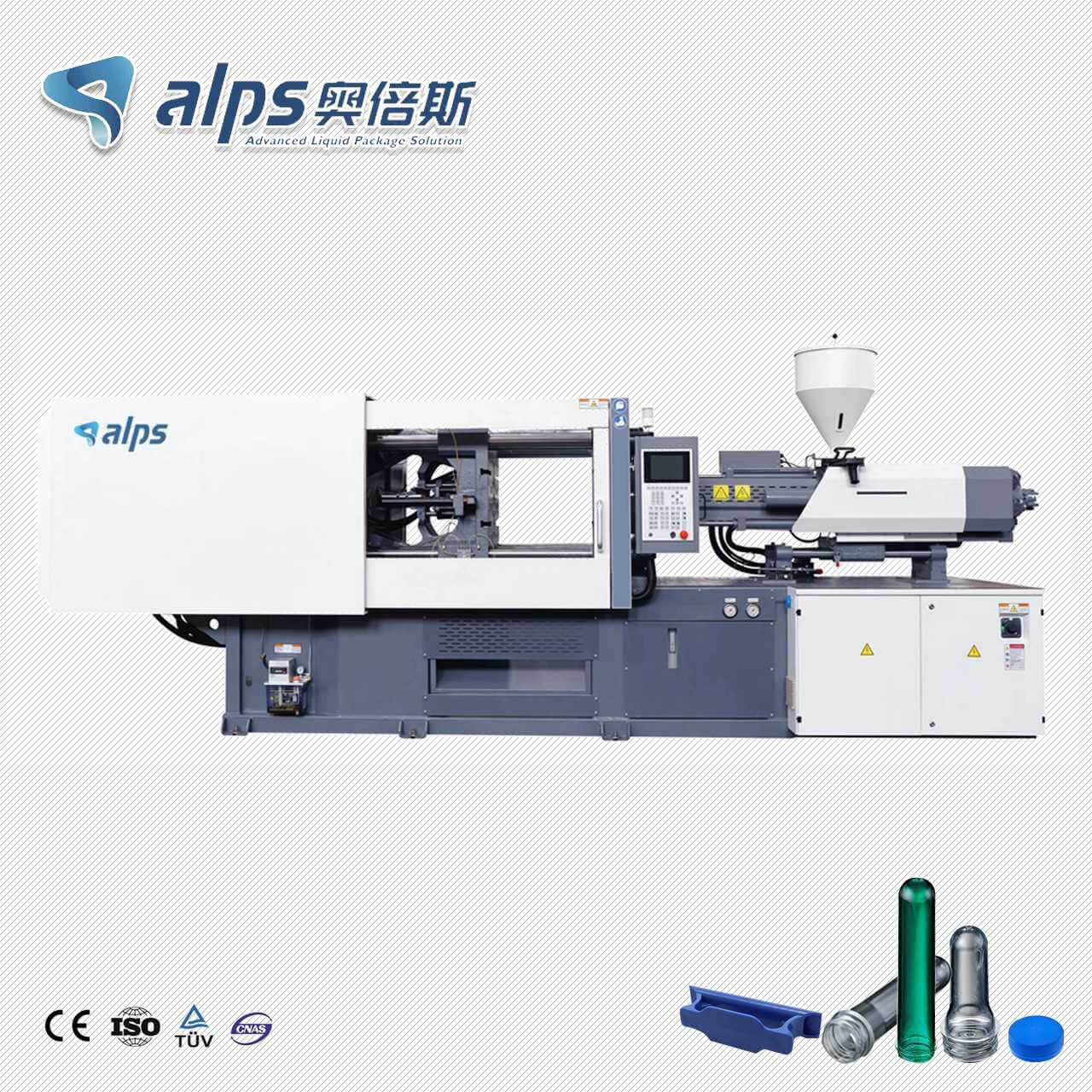
The process follows PET pellets→drying→melting→injection molding→cooling→preform. Dried PET is melted and injected into a preform mold, then cooled into a thick-walled tube-like container. If preforms are purchased, this stage takes place at the supplier.
Blow Molding
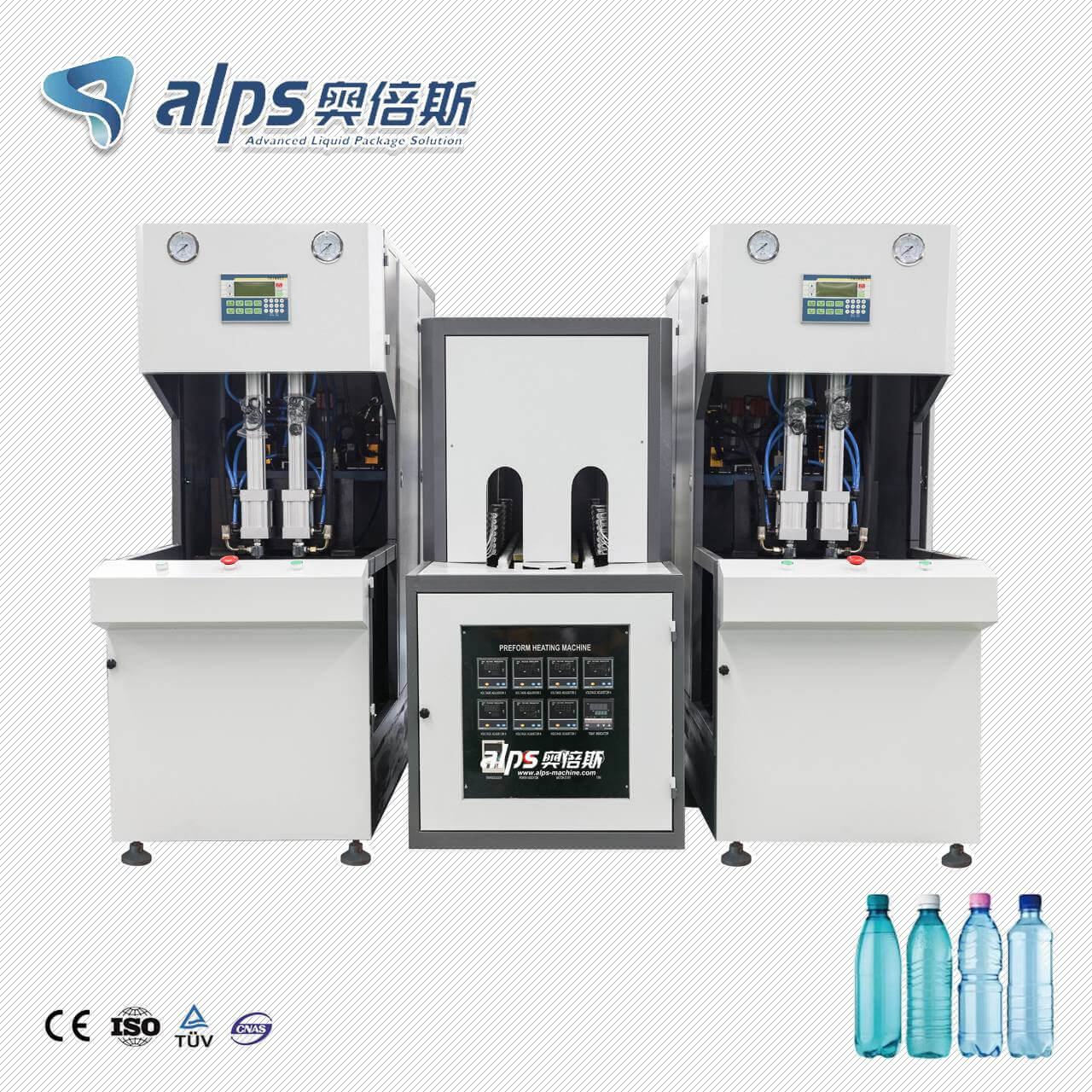
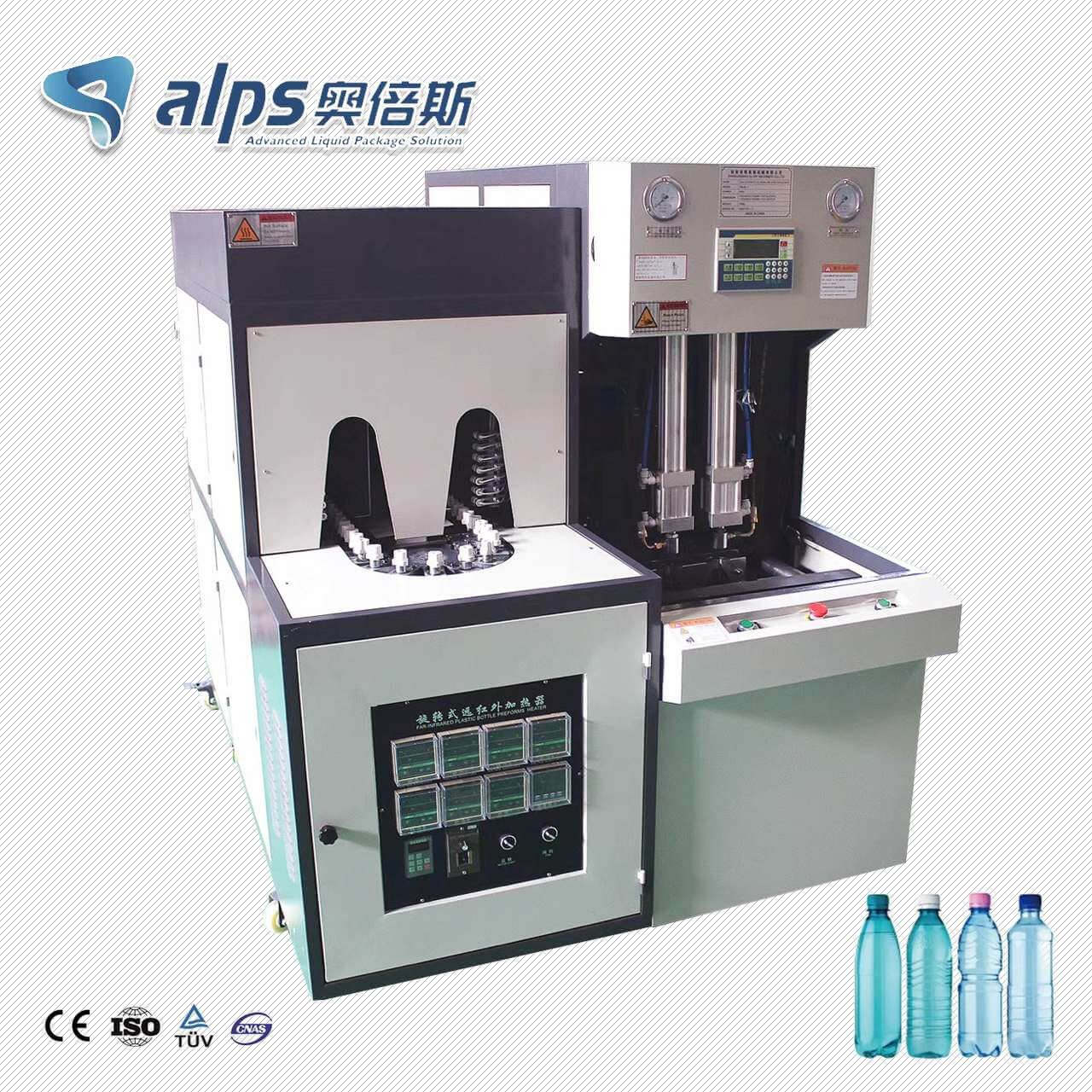
The preform enters a PET bottle blowing machine, where it is heated, stretched with a rod, and expanded against the mold using high-pressure air. After cooling, it takes the final bottle shape.
Inspection
Finished bottles are checked for:
Neck defects
Wall thickness
Cracks or deformation
Appearance and weight
Defects in either stage can affect bottle performance and filling efficiency later in the filling production line.
Once bottles are formed and inspected, they move directly into the bottling process. The two stages are connected to keep bottle handling efficient and reduce unnecessary storage or transport.
Rinsing and Filling
Bottle conveying→rinsing→filling
Empty bottles are conveyed to the filling line, rinsed to remove possible particles, and then filled with treated water. The filling method is selected according to the water, bottle design, and required production speed.
Capping and Labeling
Filling→capping→coding→labeling
After filling, bottles are capped to create a secure closure. Production dates and batch information can then be printed before labels are applied.
Packing
Labeling→shrink wrapping or cartoning→palletizing
The finished bottles are grouped, packed, and prepared for storage or shipment.
Bottle production and bottling require several machines working as one connected system. The main equipment can be grouped as follows:
Equipment | Main Function |
Produces PET preforms | |
Preform mold | Forms preform shape |
PET bottle blowing machine | Converts preforms into bottles |
Air compressor | Supplies blowing air |
Chiller | Cools molds and equipment |
Preform unscrambler | Feeds preforms automatically |
Air conveyor | Transfers empty bottles |
Water treatment system | Prepares water for filling |
Filling machine | Fills treated water |
Capping machine | Seals bottles |
Labeling machine | Applies labels |
Packing machine | Packs finished bottles |
These machines must be matched by capacity and arranged according to the production flow. If one stage runs slower than the others, it can become a bottleneck and reduce overall line efficiency.
The right bottle supply model depends on production scale, available space, and investment capacity. A factory can either produce bottles in-house or purchase bottles or preforms from suppliers.
In-house production can provide more control over bottle production and reduce reliance on external suppliers.
Reduce empty-bottle transportation
Control bottle weight and design
Match bottle output with filling demand
Adjust production more flexibly
Purchasing is often practical for small or new projects with limited resources. It can also avoid the space and equipment requirements of bottle production.
Factor | Buy Bottles | Buy Preforms + Blow | Make Preforms + Blow |
Initial investment | Low | Medium | High |
Transport efficiency | Low | High | High |
Process control | Low | Medium/High | High |
Technical requirement | Low | Medium | High |
Production flexibility | Low | High | High |
Making bottles in-house is not automatically cheaper. Actual costs depend on PET consumption, electricity, labor, depreciation, scrap rate, maintenance, production volume, and transportation distance.
Bottle size and reuse requirements can change both the bottle-making process and the downstream production setup.
Most 500ml water bottles use lightweight PET containers made from preforms. The typical process is:
PET Preform→Heating→Stretching→Blow Molding→Cooling→Filling
This process supports high-speed production and allows the bottle-making stage to connect directly with the filling line.
5-gallon bottles are generally thicker and often designed for repeated use. Depending on the material and bottle design, production may involve injection molding or blow molding.
After forming, the bottles require dedicated handling, including:
Cleaning and sanitizing
Filling
Capping
5-gallon water production therefore needs dedicated cleaning, filling, and handling equipment. The bottle size and reuse requirements directly affect both bottle-making technology and the downstream water production line.
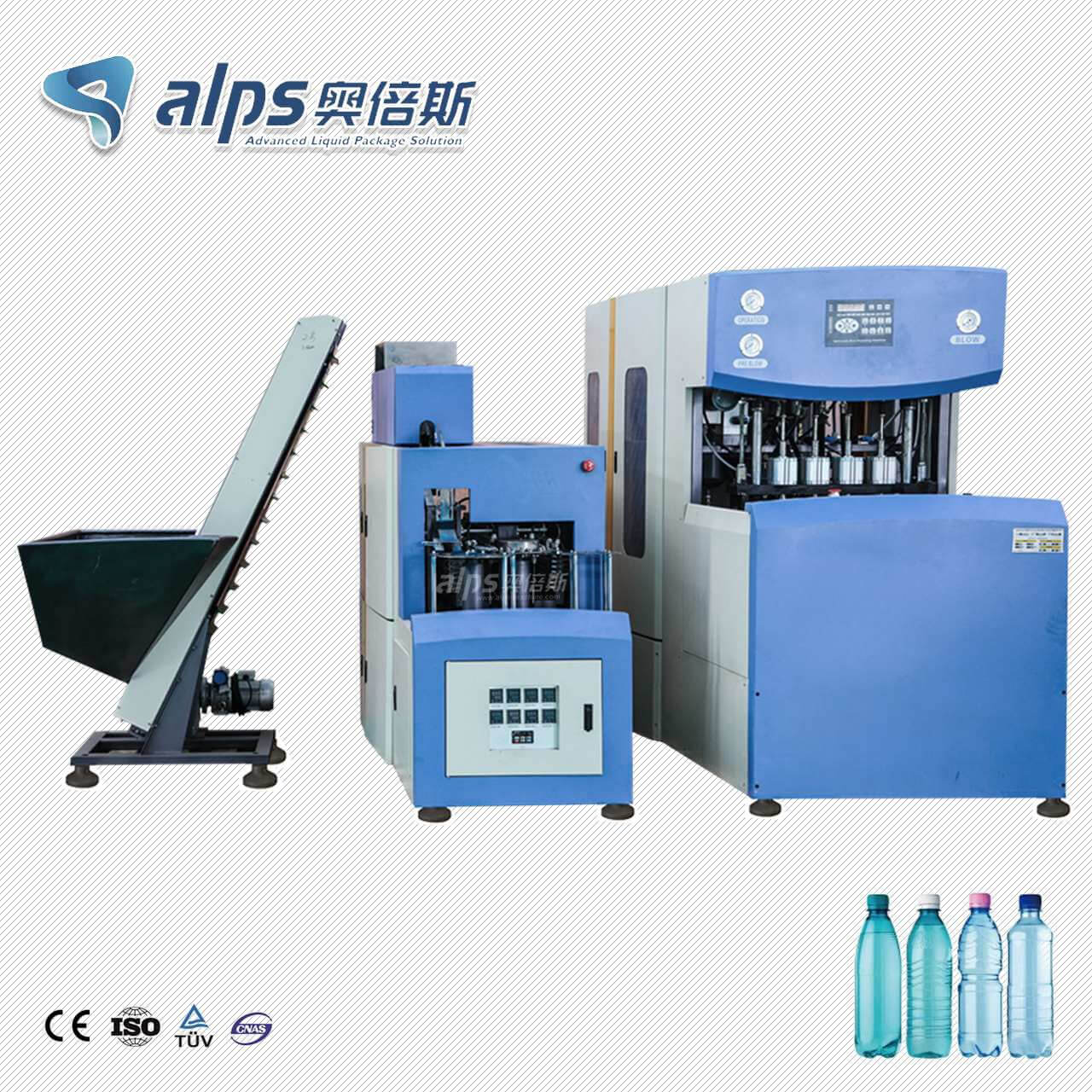
Making bottled water can involve PET pellets→preform→heating→stretch blow molding→inspection→air conveying→rinsing→filling→capping→labeling→packing. Not every water factory makes its own bottles. Buying preforms and blowing bottles in-house is also common, while the right model depends on production volume, investment, transportation, and operating needs.
Alps Machine provides equipment for water treatment, injection molding, PET bottle blowing, mineral water filling, labeling, packing, and 5-gallon water production, supporting complete turnkey bottling solutions. Planning to make your own PET bottles or build a complete bottled water production line? Contact Alps Machine for a turnkey solution.





By continuing to use the site you agree to our privacy policy Terms and Conditions.