Advanced Liquid Package Solution
Any question?
Get in touch


In today’s beverage manufacturing industry, automation has transformed water filling production from a labor-intensive process into a streamlined, precise, and highly efficient operation. From bottle rinsing and filling to capping, labeling, and packaging, automation ensures consistency, speed, and hygiene at every stage. As global demand for bottled water continues to grow, modern filling lines are becoming increasingly dependent on smart automation technologies to stay competitive.
This article explores how automation is reshaping the water filling industry, its benefits, key technologies involved, and how manufacturers can embrace it to achieve maximum efficiency and product quality.
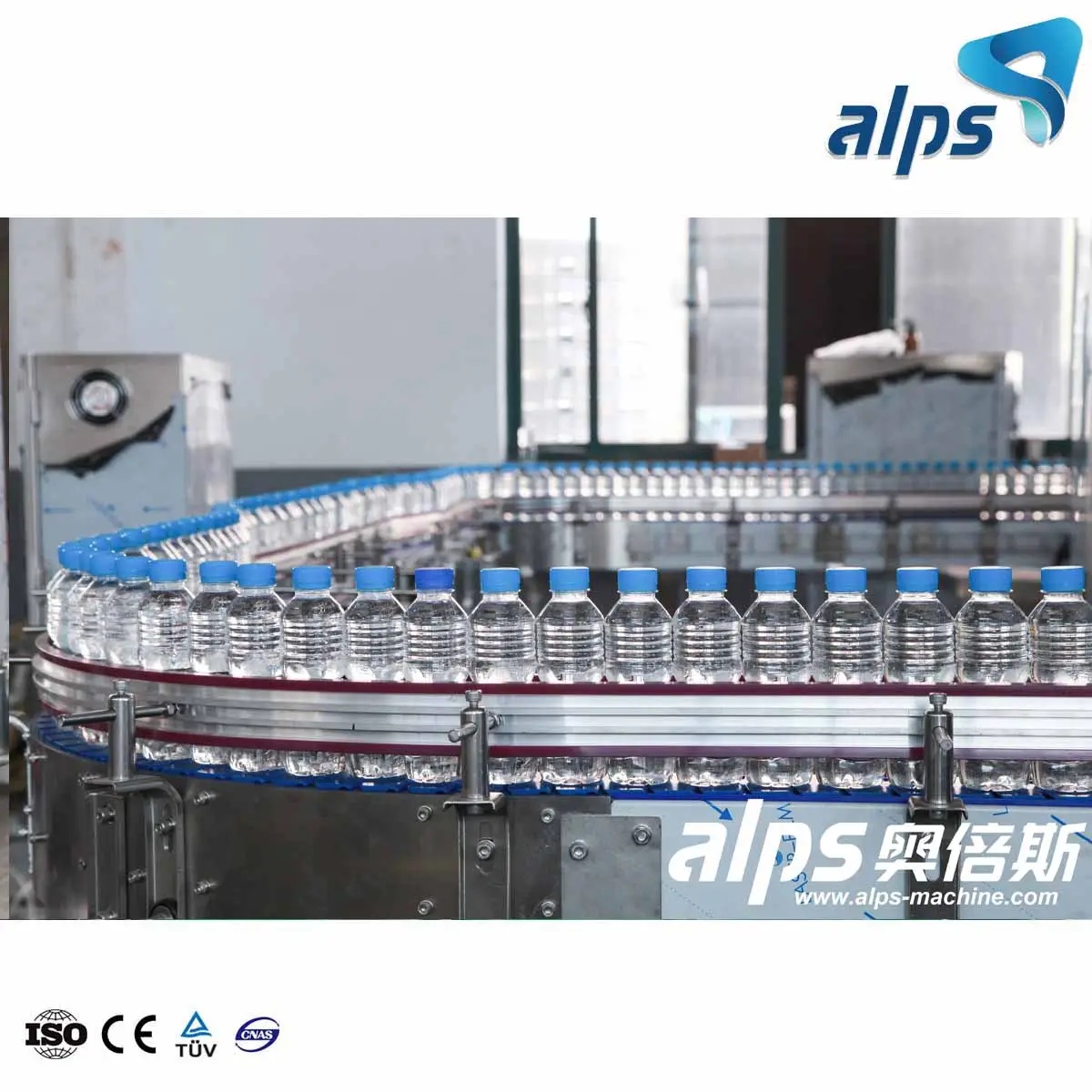
Traditionally, water bottling was a semi-manual process that required significant labor. Operators had to monitor flow rates, manually place caps, and ensure bottles were filled to the correct level. This not only limited production speed but also introduced variability in product quality and hygiene.
Over the past two decades, the introduction of automated filling systems has revolutionized the industry. Automation has replaced manual intervention with computer-controlled processes that handle everything—from bottle sterilization and filling to labeling and palletizing—with minimal human contact.
Modern water filling production lines are now fully integrated systems where mechanical precision, digital control, and real-time monitoring work in harmony. This integration has allowed producers to increase output, reduce waste, and ensure product safety and consistency at an unprecedented level.
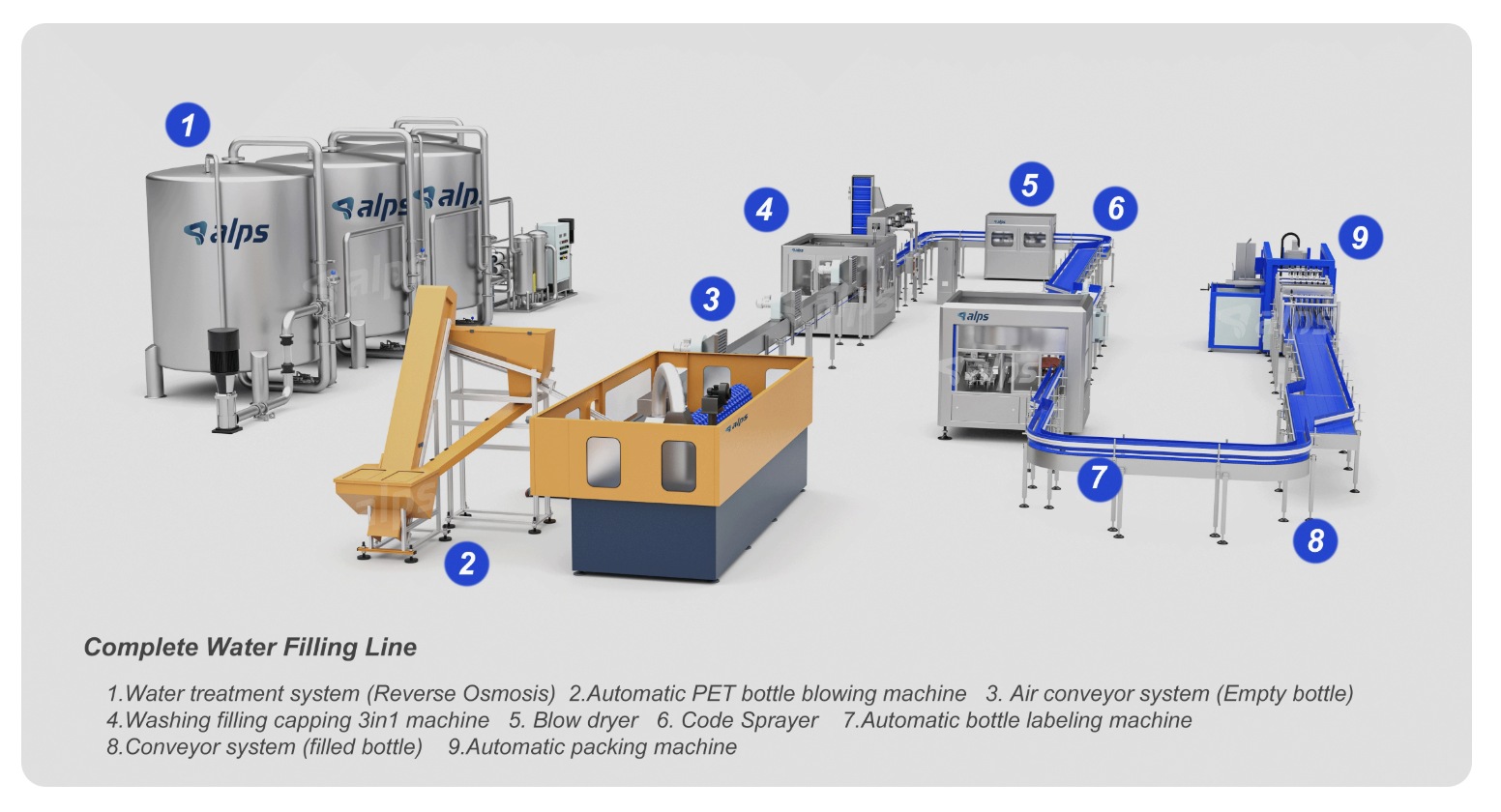
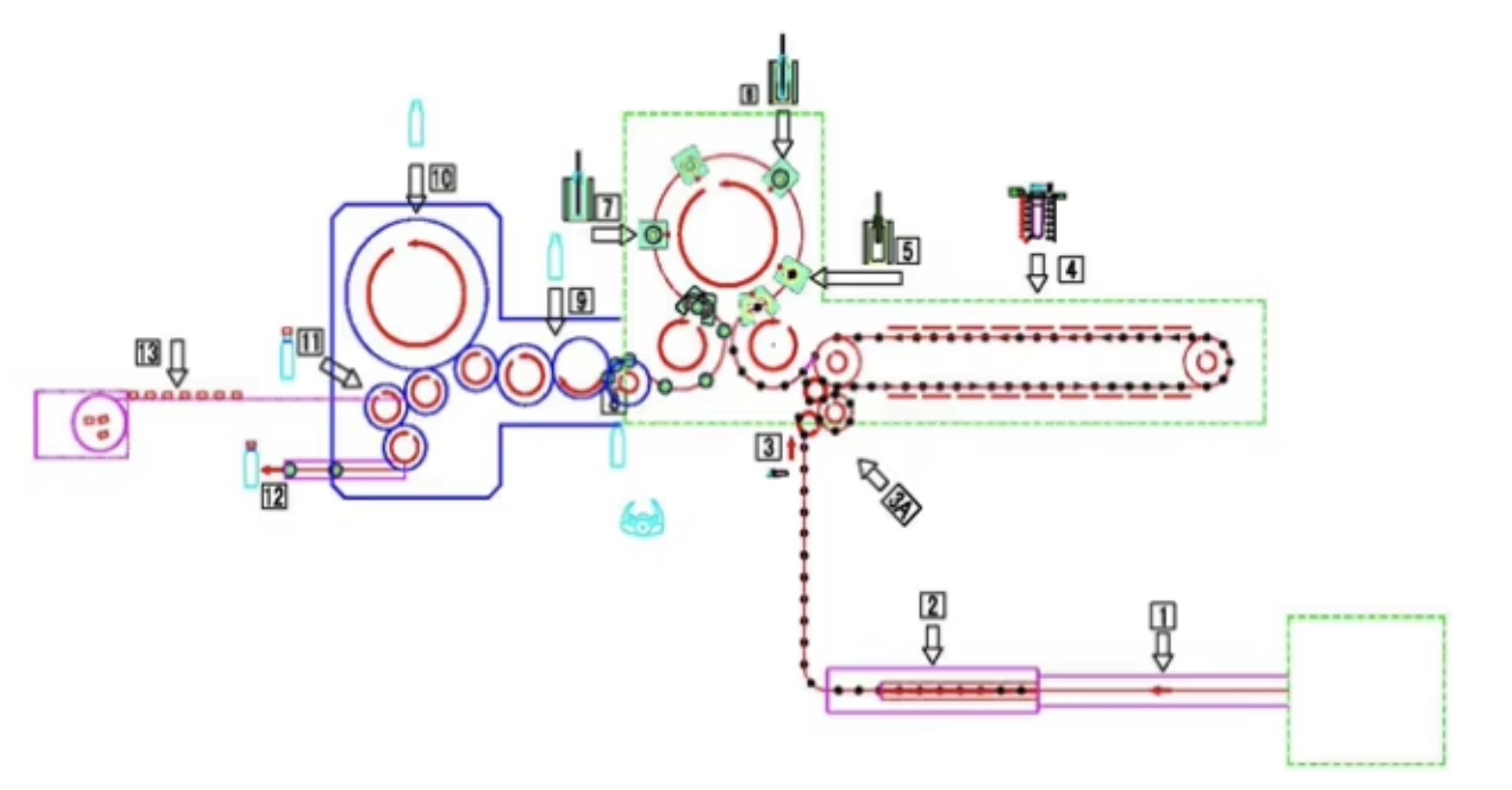
Automation in water filling lines involves a series of interconnected systems working seamlessly together. Each component contributes to overall efficiency, hygiene, and precision.
a. Bottle Feeding and Rinsing
Automation begins at the very start of the production line. Empty bottles are automatically fed into the system through conveyors or air conveyors. Advanced rinsing systems use high-pressure ionized air or sterile water jets to clean bottles internally before filling, ensuring that no contaminants remain.
b. Water Filling Machine
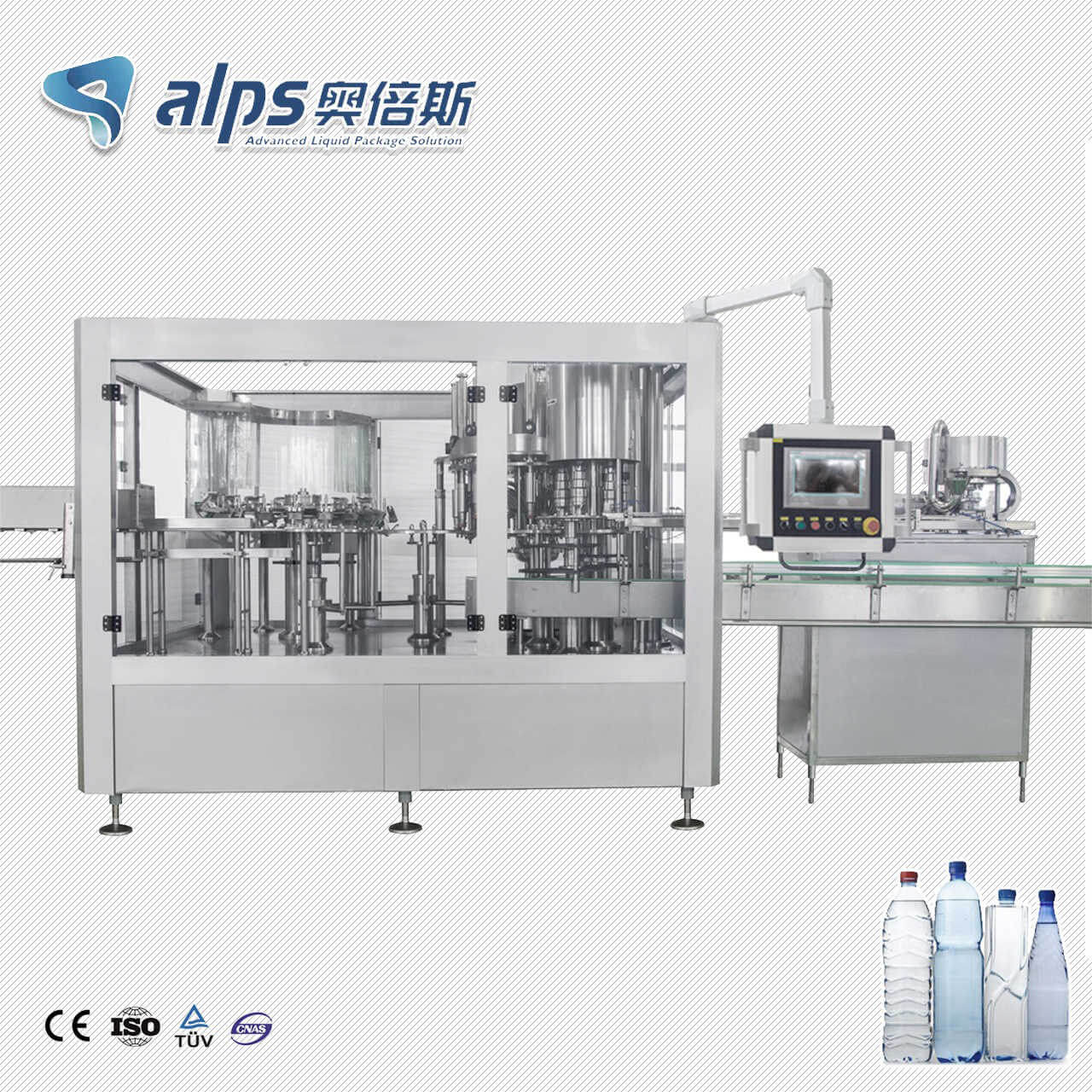
The filling unit is the heart of the system. Automated water filling machines utilize flow meters, sensors, and PLC (Programmable Logic Controller) systems to ensure each bottle is filled with the exact volume of water.
Modern machines can adjust parameters such as temperature, filling speed, and pressure in real time, minimizing spillage and maintaining product consistency.
c. Capping and Sealing
Once filled, bottles move automatically to the capping station, where caps are positioned and sealed using torque-controlled heads. Automation ensures the caps are perfectly aligned and tightly sealed, preventing leaks and contamination.
d. Labeling and Coding
Automated labeling machines apply labels with precision, ensuring alignment and consistency across thousands of bottles per hour. Integration with coding systems allows automatic printing of batch numbers, production dates, and expiration details—essential for traceability and compliance.
e. Packaging and Palletizing
At the final stage, automated packaging systems group bottles into packs using shrink wrap or cartons. Robotic palletizers then arrange the packs efficiently for storage or shipment, significantly reducing labor requirements and minimizing handling errors.
Automation has become the cornerstone of success for modern beverage manufacturers. Here are the main advantages it offers:
a. Increased Efficiency and Throughput
Automated water filling lines can operate continuously with minimal downtime, achieving production speeds that manual systems cannot match. A fully automated line can fill and pack thousands of bottles per hour, ensuring rapid response to market demand.
b. Enhanced Accuracy and Consistency
Automation eliminates the inconsistencies caused by human error. Sensors and control systems ensure every bottle is filled to the same level, sealed properly, and labeled correctly—guaranteeing consistent quality for every batch.
c. Improved Hygiene and Safety
In the bottled water industry, hygiene is paramount. Automation minimizes human contact with bottles and water, reducing the risk of contamination. Many systems also include clean-in-place (CIP) and sterilization-in-place (SIP) features to maintain sanitary conditions automatically.
d. Reduced Labor Costs
By replacing manual labor with automated systems, companies can reallocate human resources to higher-value tasks such as quality control, maintenance, and supervision. Over time, this leads to significant savings in operational costs.
e. Data-Driven Decision Making
Modern filling lines are equipped with smart sensors and data analytics capabilities. Real-time data collection allows operators to monitor production performance, detect bottlenecks, and implement predictive maintenance to prevent breakdowns.
f. Energy and Resource Efficiency
Automation enables precise control over resource use—such as water, power, and air pressure—reducing waste and improving sustainability. Intelligent systems can automatically adjust operation modes to conserve energy during low-demand periods.
As Industry 4.0 continues to evolve, water filling systems are becoming smarter, more connected, and more autonomous. Here are some of the key technologies leading this transformation:
a. Internet of Things (IoT) Integration
IoT-enabled machines can communicate data to centralized systems in real time, allowing operators to monitor multiple production lines remotely. Alerts can be triggered for issues such as temperature fluctuations, equipment malfunctions, or abnormal filling volumes.
b. Artificial Intelligence (AI) and Machine Learning
AI-driven algorithms can analyze production data to optimize filling speeds, predict maintenance needs, and even adjust operational parameters automatically. Machine learning helps identify patterns in equipment wear and tear, reducing unplanned downtime.
c. Robotics
Robotic systems are increasingly used for tasks such as bottle handling, palletizing, and packaging. These robots operate with precision and can adapt quickly to changes in bottle sizes or packaging formats, increasing production flexibility.
d. Human-Machine Interfaces (HMI)
User-friendly touchscreens and digital dashboards make it easy for operators to control, adjust, and monitor the entire filling line. Modern HMIs often include visual alerts and troubleshooting guides, simplifying maintenance and improving uptime.
e. Cloud-Based Production Management
Cloud platforms enable centralized control and analysis of production data from multiple factories. This allows manufacturers to benchmark performance, implement global quality standards, and share real-time insights across their network.
While automation offers numerous advantages, manufacturers should also be aware of potential challenges:
Initial Investment Costs: Setting up an automated water filling line requires significant capital investment in equipment and integration.
System Compatibility: When upgrading existing facilities, compatibility between new and old machines must be ensured to avoid production disruptions.
Training Requirements: Operators and maintenance personnel need proper training to manage and troubleshoot automated systems.
Cybersecurity Risks: As more systems connect to networks, data protection and cybersecurity become increasingly important.
However, these challenges can be mitigated with proper planning, collaboration with experienced equipment suppliers, and ongoing staff development.
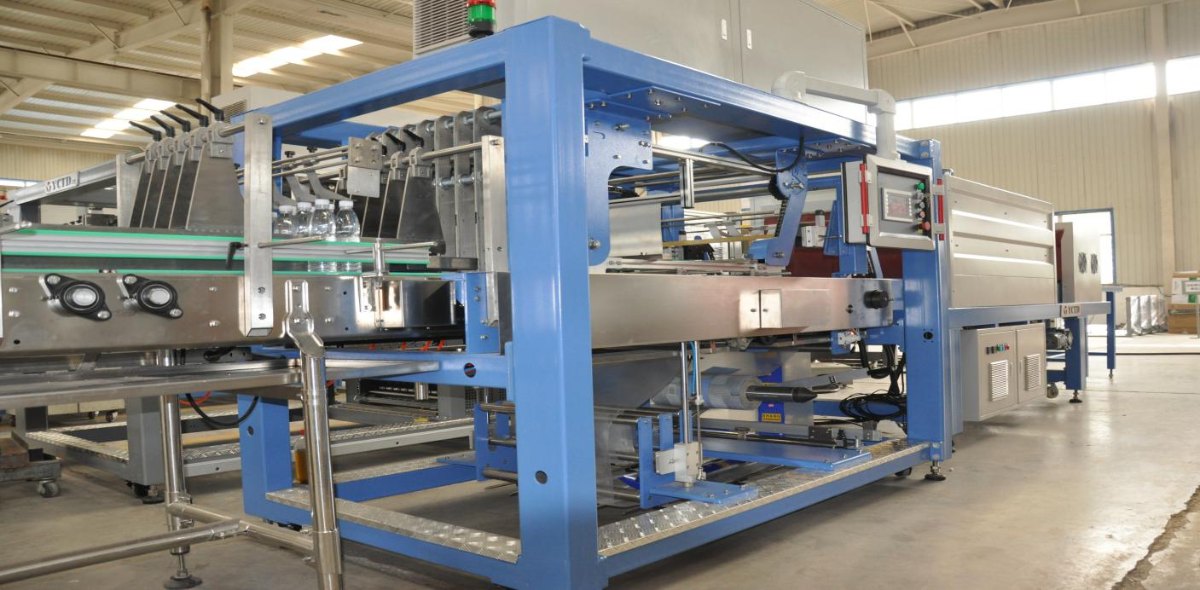
Looking ahead, automation in water filling lines will become even more advanced and intelligent. The integration of robotics, smart sensors, and AI will create fully autonomous factories capable of self-optimizing operations and detecting issues before they occur.
Sustainability will also play a major role, with automated systems designed to minimize water usage, energy consumption, and plastic waste. Cloud-based analytics and real-time monitoring will give companies unprecedented visibility into their operations, improving efficiency and traceability from production to distribution.
In short, automation is not just a trend—it’s the foundation for the next generation of water filling plants.
Automation has completely reshaped how bottled water is produced, improving efficiency, quality, and sustainability. By adopting advanced control systems, robotics, and smart technologies, manufacturers can ensure they remain competitive in a rapidly evolving industry.
Companies that invest in automation today will enjoy higher productivity, better hygiene, and the ability to meet growing global demand for safe, high-quality bottled water.
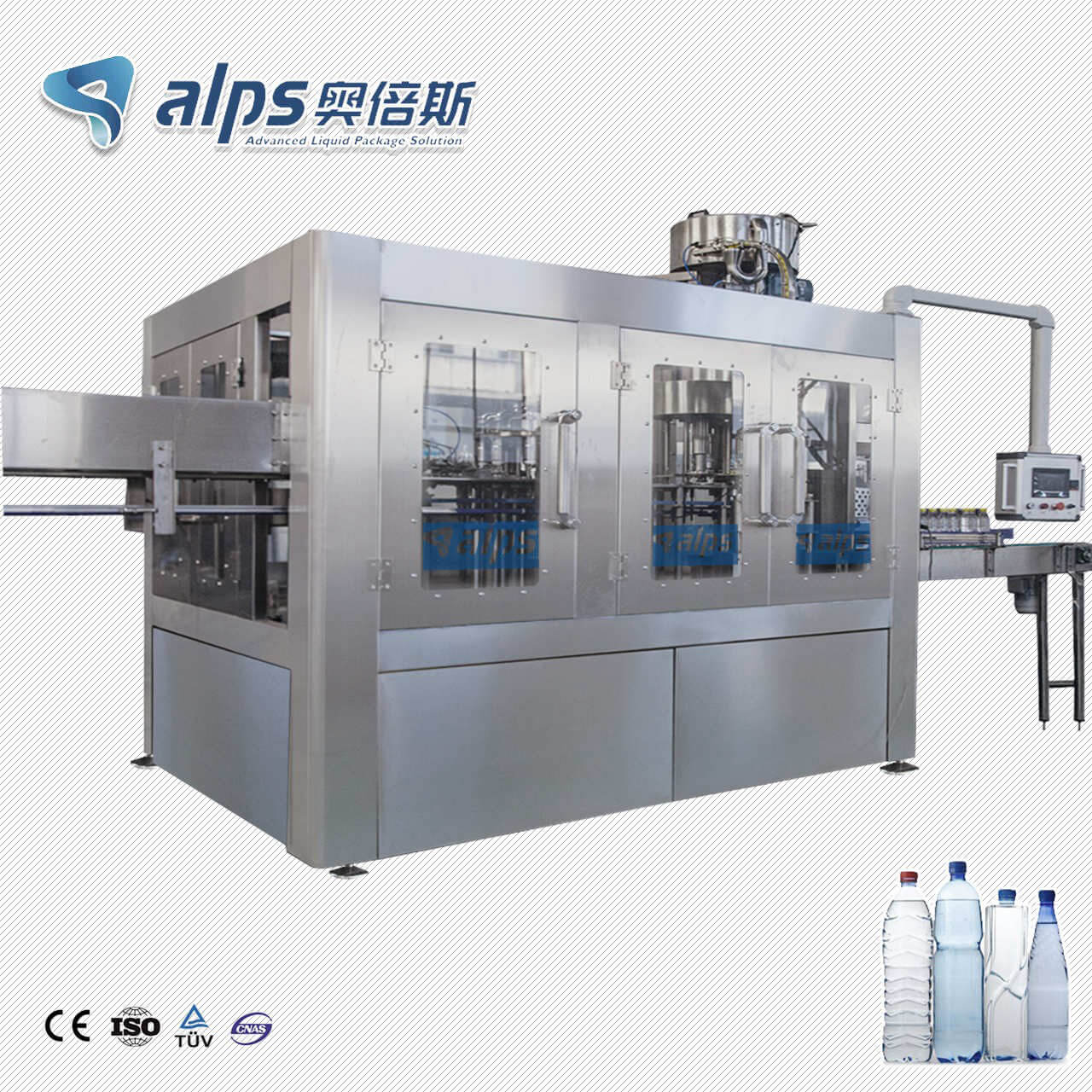
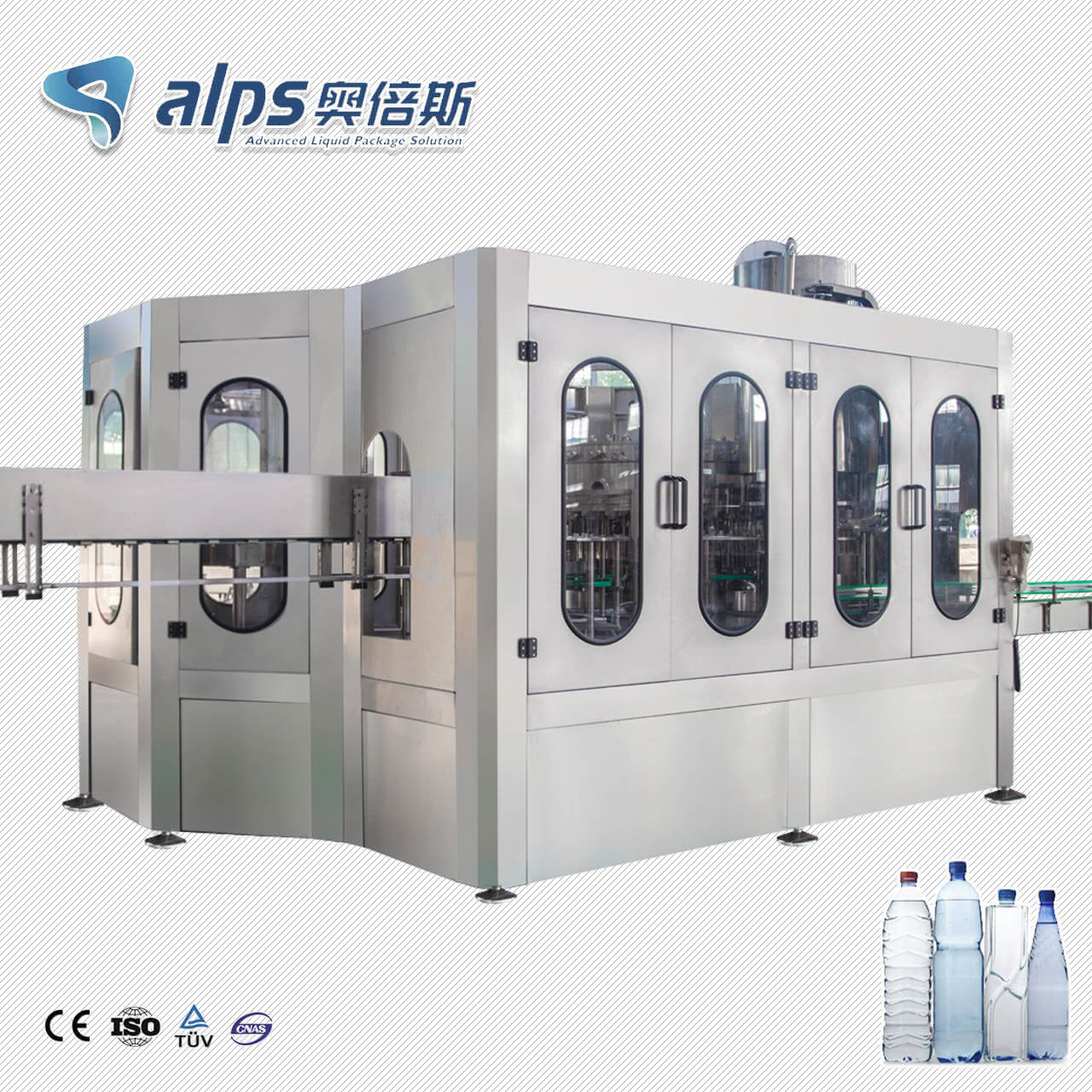
If you’re looking to upgrade your production line or implement a new automated water filling system, ALPS Machine offers state-of-the-art water filling solutions designed to meet the needs of modern beverage manufacturers. With advanced filling technologies, intelligent controls, and complete line integration capabilities, ALPS Machine helps you achieve efficiency, reliability, and long-term success in water bottling production.


By continuing to use the site you agree to our privacy policy Terms and Conditions.