Advanced Liquid Package Solution
Any question?
Get in touch


If you are planning to invest in clean water solutions—whether for residential use, commercial operations, or industrial production—one of the first questions you will ask is: how much does a water treatment system cost?
The answer is not straightforward. Water treatment systems vary widely in price depending on capacity, technology, water quality requirements, and level of automation. A small filtration unit may cost only a few hundred dollars, while a fully integrated industrial water treatment system for a bottled water plant can exceed hundreds of thousands of dollars.
In this article, we will break down the typical cost ranges, key pricing factors, and what you should consider when choosing the right system for your needs—especially if you are involved in beverage or bottled water production.
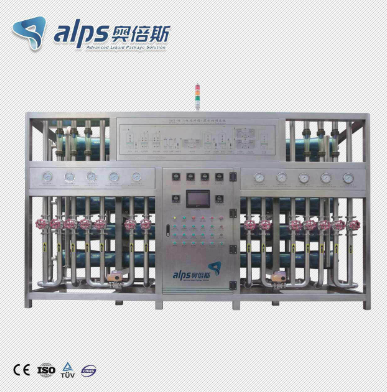
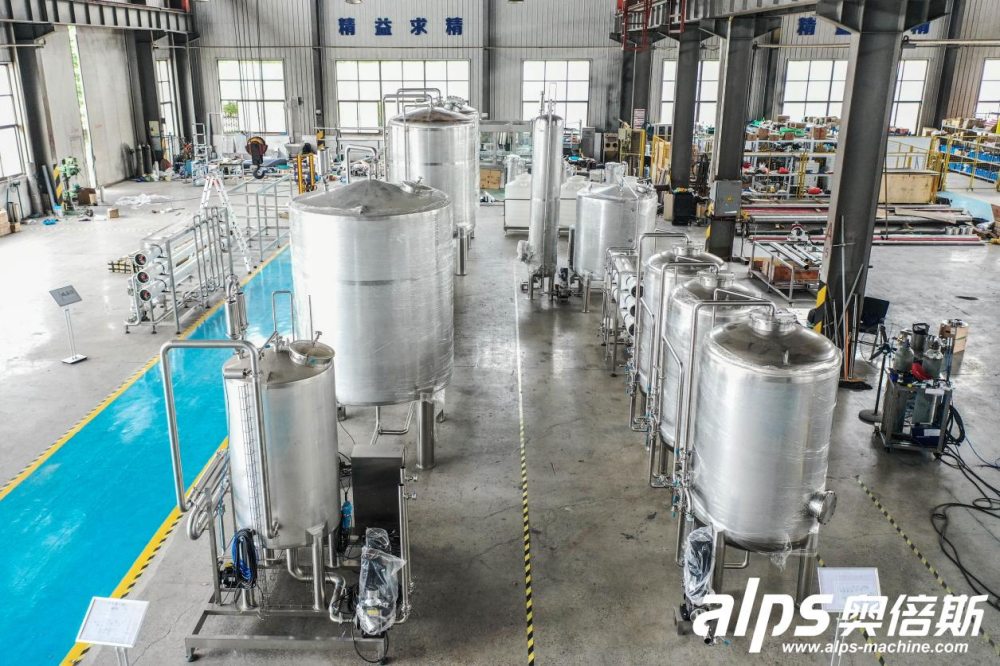
A water treatment system is a combination of equipment and processes designed to remove impurities, contaminants, and harmful substances from water, making it safe for its intended use.
Water treatment systems can be categorized based on application:
Residential systems: Used in homes for drinking water purification
Commercial systems: Used in restaurants, offices, and small businesses
Industrial systems: Used in factories, manufacturing plants, and beverage production lines
A typical water treatment system may include:
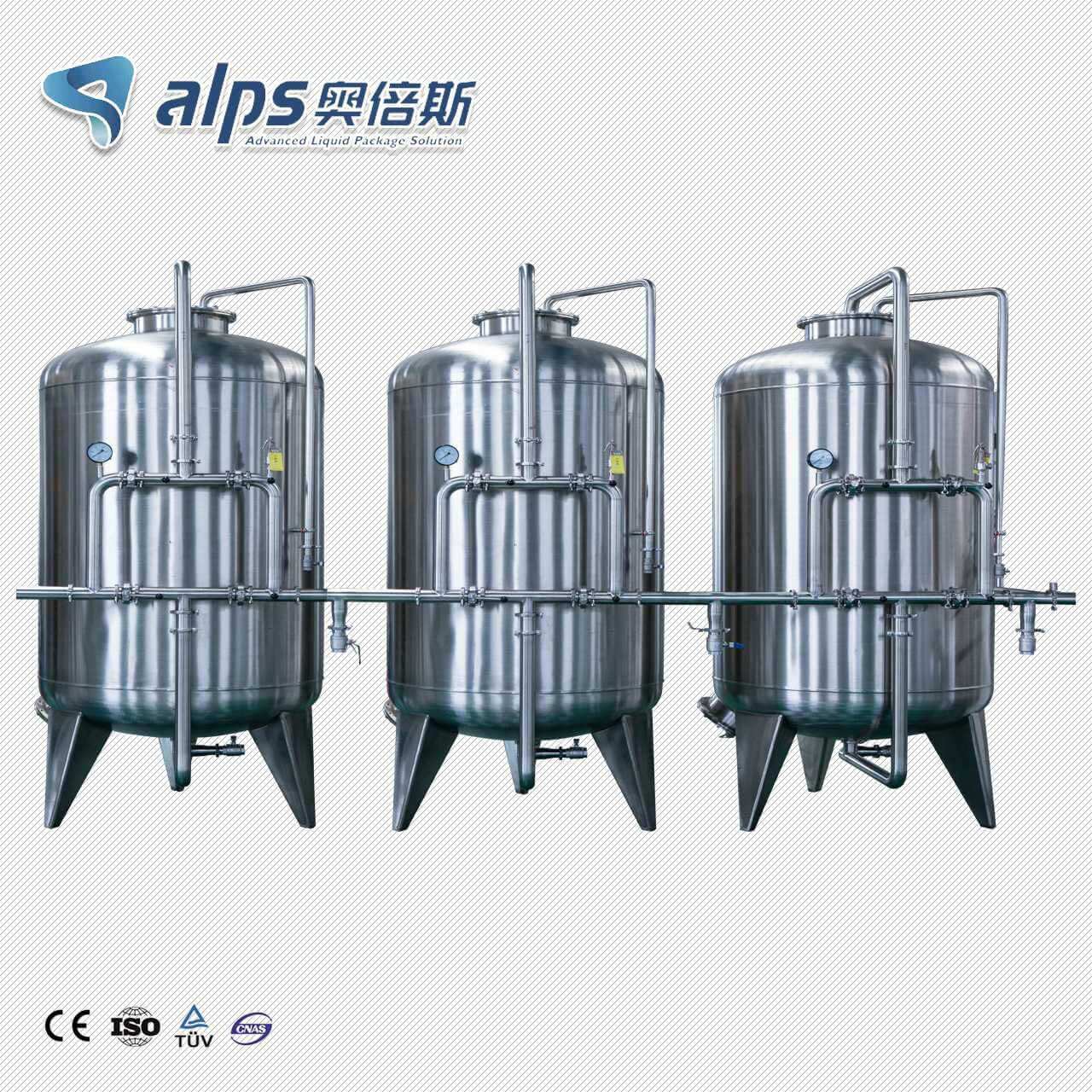
Pre-filtration units (sand filters, carbon filters)
Reverse osmosis (RO) membranes
Ultraviolet (UV) sterilizers
Ozone generators
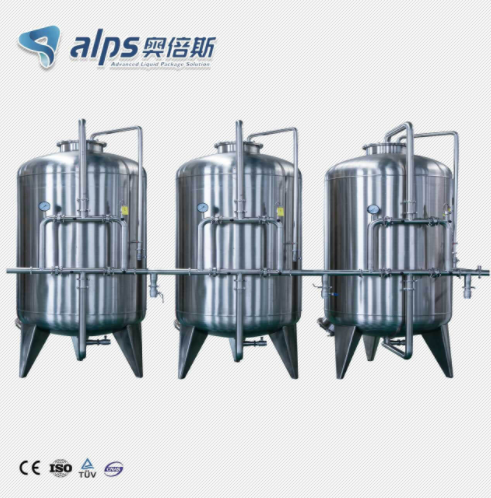
Pumps and storage tanks
Control systems (manual or PLC-based)
The complexity of these components directly impacts the overall cost.
The cost of a water treatment system depends largely on its size and application. Below is a general price breakdown:
These systems are designed for low-capacity use.
Features:
Simple filtration (carbon, sediment filters)
Limited automation
Compact design
Applications:
Small businesses
Laboratories
Household use
These systems offer higher capacity and better performance.
Features:
Multi-stage filtration
Reverse osmosis capability
Moderate automation
Applications:
Restaurants
Hotels
Small manufacturing facilities
These are fully integrated, high-capacity systems.
Features:
Advanced technologies (RO, UF, ozone, UV)
Fully automated control systems
High flow rates (tons per hour)
Applications:
Bottled water plants
Beverage production lines
Large-scale industrial operations
Several factors determine the final price of a water treatment system.
The quality of the incoming water significantly affects system design.
Groundwater (may contain minerals and iron)
Surface water (may contain organic matter and bacteria)
Municipal water (usually pre-treated)
More contaminated water requires more complex treatment, increasing cost.
Higher purity standards require more advanced technology.
For example:
Drinking water → basic filtration + disinfection
Bottled water → RO + sterilization + mineral adjustment
Different technologies come with different costs:
Sand and carbon filtration → low cost
Ultrafiltration (UF) → medium cost
Reverse osmosis (RO) → higher cost
Ozonation and UV → additional cost
Capacity is typically measured in liters per hour or tons per day.
Higher capacity = larger equipment = higher cost
Manual systems → lower cost
Fully automated systems (PLC-controlled) → higher cost
Automation improves efficiency and reduces labor costs.
Industrial systems often use:
Stainless steel (SUS304 or SUS316)
Food-grade materials
Higher-quality materials increase durability but also cost.
When evaluating cost, it is important to look beyond the equipment price.
This includes:
Filtration units
RO systems
Sterilization equipment
On-site setup
System testing
Operator training
Shipping costs
Import duties (if applicable)
Filter replacements
RO membrane replacement
Chemicals for cleaning
Electricity consumption
Water usage
Pump operation
These ongoing costs can significantly impact your total investment over time.
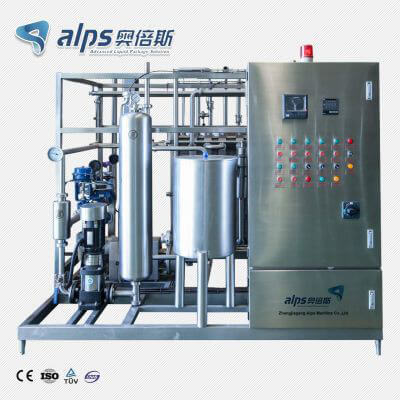
In the beverage industry, water treatment systems are a core component of a complete production line.
A typical bottled water production line includes:
Water treatment → Storage → Filling → Capping → Labeling → Packaging
The water treatment system must deliver consistent, high-quality water to ensure smooth operation of downstream equipment.
For bottled water plants:
Small-scale line: $50,000 – $150,000
Medium-scale line: $150,000 – $300,000
Large-scale turnkey solution: $300,000 – $500,000+
Beverage production requires:
Reverse osmosis (RO) for purity
UV or ozone for sterilization
Mineral adjustment for taste
Any compromise in water quality can affect:
Product taste
Shelf life
Brand reputation
Although the initial investment may be high, a well-designed system offers:
Stable production
Reduced waste
Lower long-term operating costs
Selecting the right water treatment system requires balancing cost and performance.
Daily water consumption
Required water quality
Industry standards
Avoid over-investing in capacity you do not need, but also plan for future expansion.
A cheaper system may result in:
Higher maintenance costs
Lower efficiency
Frequent downtime
Most industrial systems are customized based on:
Water source
Production requirements
Available space
A good supplier should provide:
Technical support
After-sales service
System optimization
So, how much does a water treatment system cost? The answer depends on multiple factors, including system size, technology, water quality requirements, and level of automation. Prices can range from a few hundred dollars for small systems to over $500,000 for large industrial solutions.
For businesses—especially in bottled water and beverage production—water treatment is not just an expense but a critical investment. A well-designed system ensures product quality, operational efficiency, and long-term profitability.
Instead of focusing solely on initial cost, it is essential to consider the total value of the system, including performance, durability, and operating costs. The best approach is to work with an experienced supplier who can provide a customized solution tailored to your specific needs.


By continuing to use the site you agree to our privacy policy Terms and Conditions.