Advanced Liquid Package Solution
Building a fruit juice factory involves several connected decisions, from selecting products and securing fruit supplies to designing the production process and preparing the facility. Each decision affects equipment requirements, production capacity, and startup costs.
Different juice products require different processing methods. Clear juice, pulpy juice, and juice drinks may need different preparation, treatment, and filling configurations. Defining your product range early helps avoid unsuitable equipment purchases and costly changes later.
This guide explains five essential stages of building a juice factory, covering raw materials, production processes, equipment, factory infrastructure, and investment planning.
Choose Your Juice Products
Start by identifying the products you intend to manufacture. Their processing requirements determine the production line configuration.
Product Type | Main Processing Requirements |
NFC juice | Juice extraction and suitable heat treatment |
Concentrated juice | Extraction and evaporation |
Juice drinks | Water treatment, blending, and pasteurization |
Clear juice | Clarification and filtration |
Pulpy juice | Pulp processing and suitable filling equipment |
If you plan to produce several varieties, consider equipment compatibility and product changeover requirements before selecting a juice filling machine.
Assess Raw Material Supply
Evaluate local fruit availability, harvest seasons, supplier reliability, transportation, storage conditions, and price fluctuations. Seasonal supply may require refrigerated storage or supplementary ingredients such as concentrates and fruit pulp.
Set Production Capacity
Estimate output based on expected demand and reliable fruit supplies. Processing capacity, measured in tons per hour, should be distinguished from filling capacity, measured in bottles per hour (BPH).
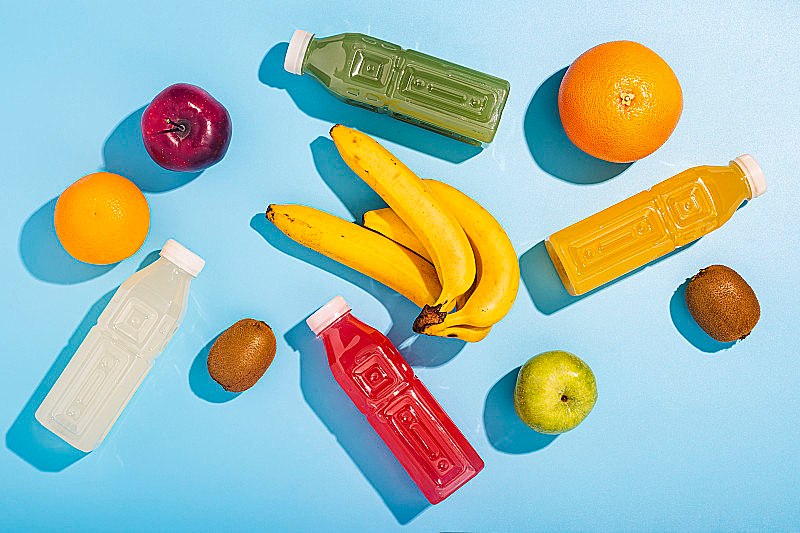
Map out the production process before purchasing equipment. A typical fruit juice line follows these stages:
Fruit Receiving → Washing and Sorting → Crushing and Extraction → Juice Processing → Heat Treatment → Filling and Capping → Labeling and Packaging
The exact process depends on the product. Clear juice may require clarification and filtration, while pulpy juice needs suitable pulp handling. Juice drinks also require water treatment and blending.
Hot filling and aseptic filling serve different production requirements. Hot filling is commonly used for suitable juice and tea drinks, while aseptic filling requires specialized equipment and controlled filling conditions.
Consider product characteristics, desired shelf life, packaging materials, investment, and operating requirements before choosing a hot juice filling machine or an aseptic solution.
Pasteurization or sterilization parameters must also be established according to the product formulation and applicable food safety requirements.
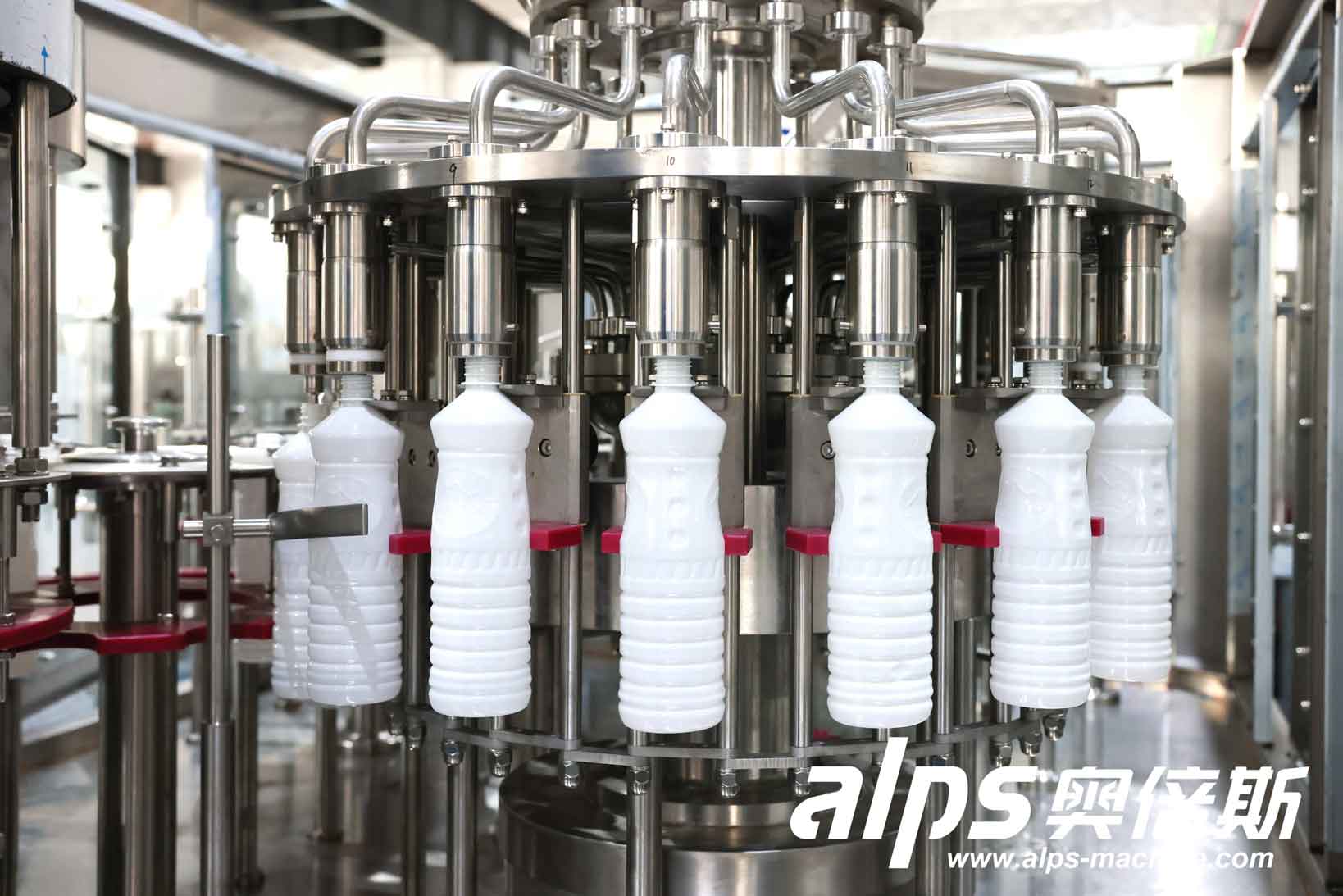
A complete production line needs coordinated equipment from fruit preparation to final packaging. The main equipment categories include:
Production Stage | Main Equipment |
Fruit preparation | Washing, sorting, crushing, and extraction machines |
Juice processing | Filtration, blending, and homogenizing systems |
Heat treatment | Pasteurizers and sterilization equipment |
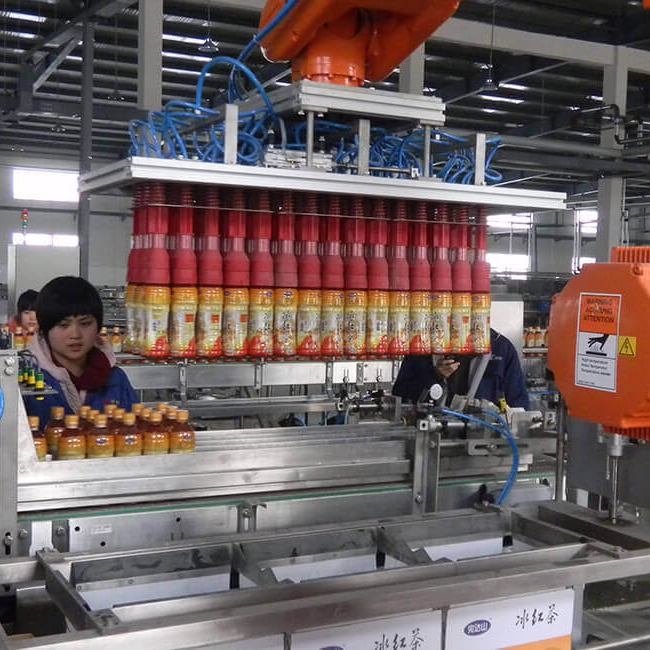
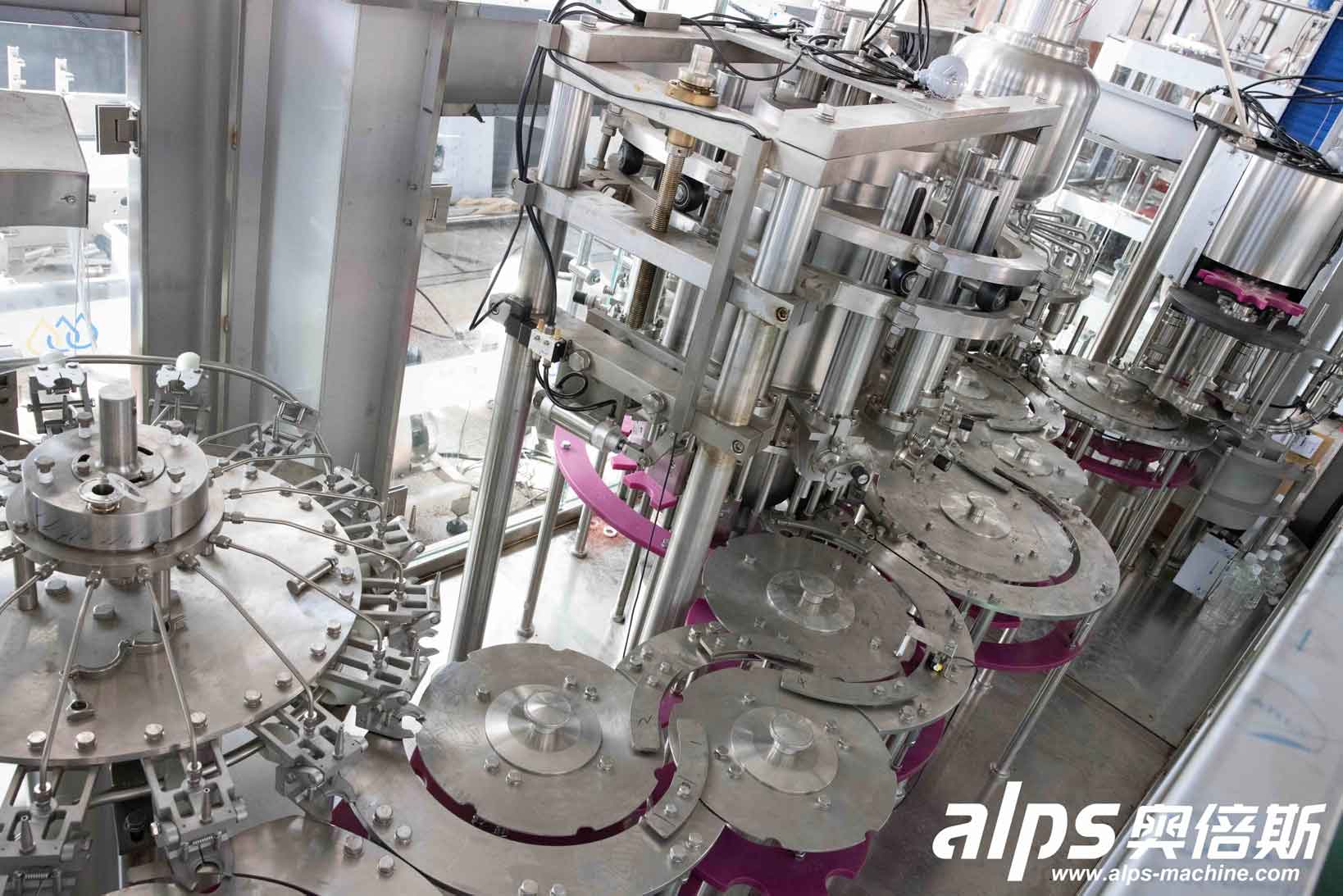
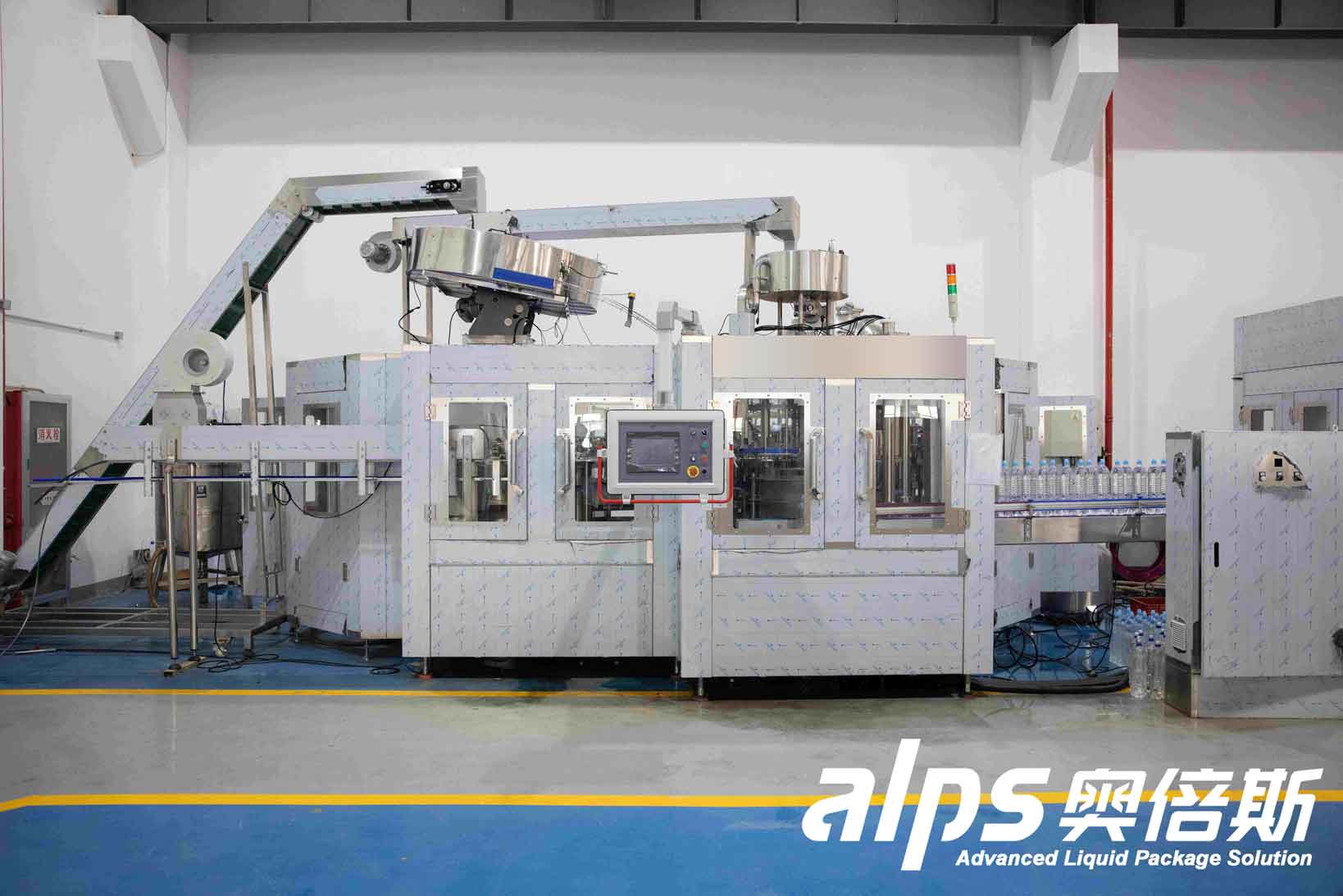
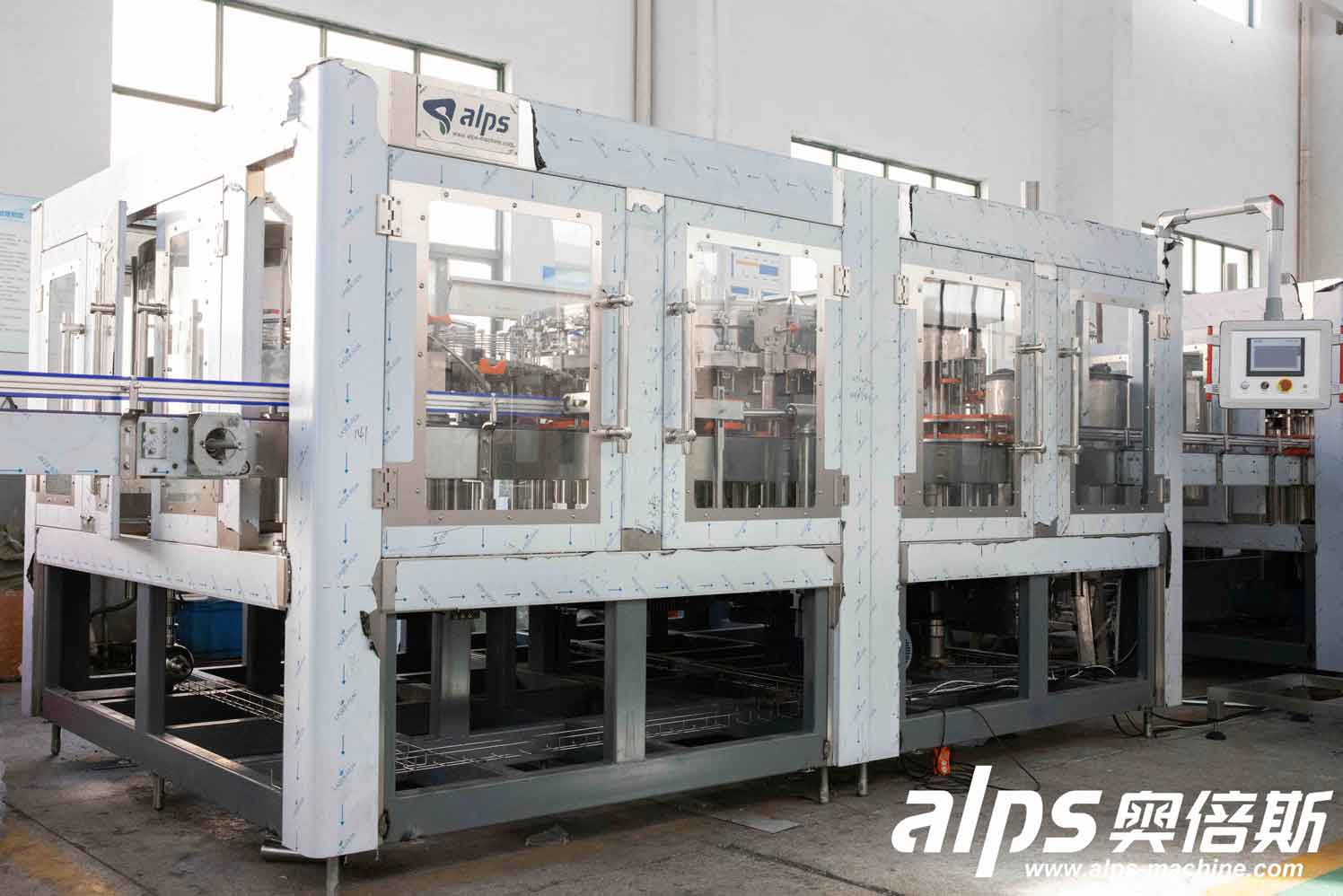
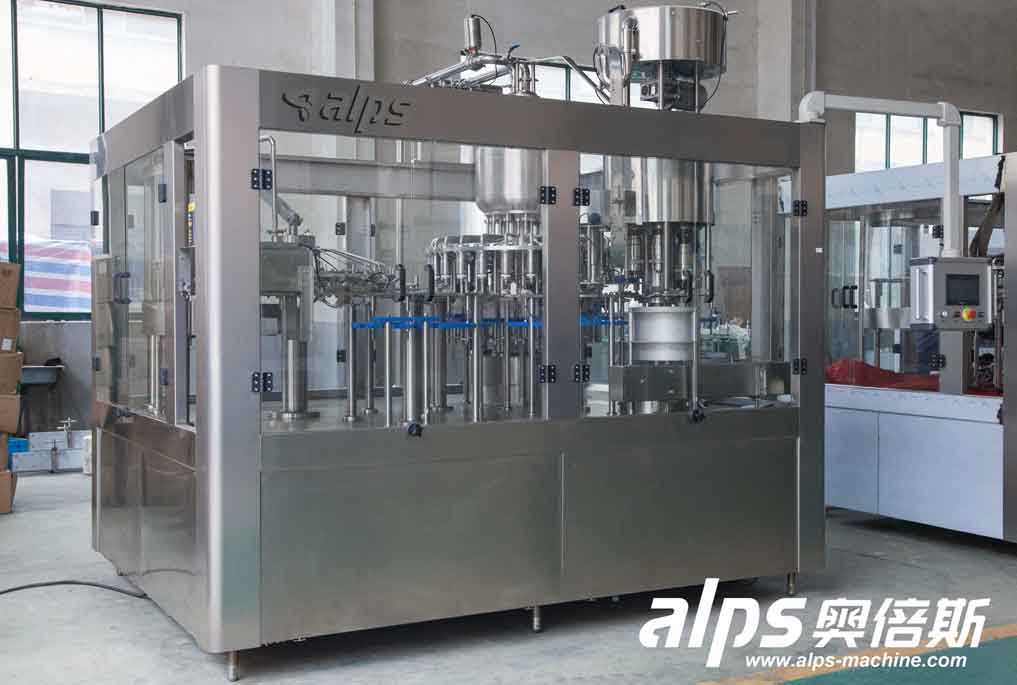
Filling | Filling and capping machines |
Packaging | Labeling, wrapping, and carton packaging machines |
Supporting systems | Water treatment, CIP, compressors, and conveyors |
Choose equipment according to your product range and production targets. Pulpy juice may require specialized filling equipment, while multiple bottle sizes can increase changeover requirements.
ALPS MACHINE supplies automatic juice filling machine configurations, including RCGF models for juice filling and PCGF models for pulpy juice. Its juice solutions also cover water treatment, syrup melting, juice mixing, sterilization, labeling, and packaging. Bottle blowing and injection molding equipment are available when in-house bottle or preform production is required.
A suitable factory layout supports efficient material flow, hygienic production, and equipment maintenance. Plan separate areas for raw fruit receiving, processing, filling, finished goods, storage, and cleaning.
Include the following systems in the facility plan:
Water supply: Process water, cleaning water, and treatment systems.
Steam and electricity: Requirements for heating, sterilization, and production equipment.
Compressed air: Pneumatic equipment and automated operations.
Refrigeration: Fruit storage and process cooling where required.
Wastewater treatment: Treatment of wastewater from fruit processing and cleaning.
Plan for hygienic equipment design, suitable materials, CIP cleaning, raw material inspection, product testing, and batch traceability. HACCP and GMP principles can guide food safety management. Confirm licensing and product requirements in the intended sales markets before construction.
Factory layout and utilities should be coordinated with the selected juice filling and capping machine and other production equipment to reduce installation changes.
A juice factory budget should cover more than machinery. Include equipment, auxiliary systems, factory construction, utilities, raw materials, permits, installation, and initial operating capital.
Compare Equipment Configurations
ALPS MACHINE publishes the following reference configurations for its RCGF juice filling line:
Model | Capacity | Area | Rough Budget |
RCGF14-12-5 | 2,000–3,000 BPH | 400㎡ | $100,000–120,000 |
RCGF24-24-8 | 6,000–8,000 BPH | 800㎡ | $300,000–500,000 |
RCGF40-40-12 | 12,000–15,000 BPH | 1,500㎡ | $800,000–1,200,000 |
These are published rough budgets for the listed configurations. Actual juice filling machine price and total project investment depend on product requirements, equipment scope, and local construction and utility costs.
Before production, arrange installation, commissioning, staff training, trial runs, and quality checks. Also reserve funds for maintenance and future expansion.
Building a fruit juice factory requires careful planning across product selection, raw material sourcing, process design, equipment configuration, factory infrastructure, and investment. Aligning these elements from the beginning helps create a production facility that meets product requirements, supports efficient operations, and can accommodate future business needs.
ALPS MACHINE has a 15,000㎡ facility, a team of 90 employees, and an ISO 9001:2000 quality management system. It also provides turnkey project support, including workshop and machine layout design. Contact ALPS MACHINE with your fruit type, target capacity, and packaging requirements to discuss a suitable juice production line.

Add:NO.529 Yangjing Road,Jinfeng Town,Zhangjiagang City,Jiangsu Province China



By continuing to use the site you agree to our privacy policy Terms and Conditions.