Advanced Liquid Package Solution
A juice production line typically includes fruit washing, sorting, crushing, juice extraction, processing, pasteurization, filling, labeling, and packaging. Each stage prepares the product for the next step and contributes to consistent production quality.
However, clear juice, cloudy juice, pulpy juice, and NFC juice have different requirements for clarification, homogenization, heat treatment, and filling. These differences influence the equipment needed for each production line.
This guide explains the main steps in juice production, introduces the equipment used at each stage, and compares typical production line configurations to help manufacturers understand how to select suitable equipment.
A typical juice production line follows this sequence:
Fruit Receiving → Washing → Sorting → Crushing → Juice Extraction → Juice Processing → Blending (if required) → Pasteurization → Filling and Capping → Secondary Treatment (if required) → Labeling → Packaging and Palletizing
The exact process depends on the final product:·
Clear juice: May require enzyme treatment, clarification, filtration, and deaeration to remove suspended particles.
Cloudy or pulpy juice: Focuses on pulp handling and homogenization, with filling equipment suitable for products containing fruit particles.
Juice drinks: Usually require water treatment, syrup preparation, and blending.
HPP juice: Uses high-pressure processing after filling and sealing.
A suitable juice production line should follow the product formulation, processing method, and packaging requirements.
Fresh fruit is received, inspected, washed, and sorted before processing. Washing removes surface dirt and other contaminants, while sorting removes damaged or unsuitable fruit that could affect product quality.
Common equipment includes bubble washers, spray washers, brush cleaning machines, and sorting conveyors. The cleaning method should match the fruit type. For example, delicate berries require gentler handling than firmer fruits. Proper preparation helps maintain raw material quality and provides a consistent supply for the following stages.
After cleaning, fruit is crushed or processed to release its juice. Depending on the raw material, extraction may involve pressing, pulping, or specialized juicing equipment.
Common options include crushers, screw presses, belt presses, pulpers, and citrus juicers. Equipment selection affects juice yield and product characteristics. Excessive crushing may introduce unwanted compounds from seeds or peel, while insufficient crushing can reduce extraction efficiency. Soft fruits are often processed using pulpers, while apples and pears commonly use pressing systems.
Extracted juice may need additional treatment before heating. Clear juice can undergo enzyme treatment, clarification, and filtration to remove suspended solids. Cloudy and pulpy products may require homogenization or specific pulp handling. Juice drinks also need water treatment, syrup preparation, and blending.
Typical equipment includes enzyme treatment tanks, filtration systems, vacuum deaerators, homogenizers, and mixing tanks. ALPS MACHINE provides a beverage preparation system for juice mixing and related processing requirements. Its water treatment system is selected according to the customer's water analysis and required water quality.
Heat treatment controls microorganisms and helps extend product shelf life. Common methods include pasteurization and high-temperature short-time (HTST) processing, using suitable plate or tubular heat exchangers.
Processing parameters depend on the juice formulation, acidity, packaging, and applicable food safety requirements. For HPP products, high-pressure treatment is applied after filling and sealing.
ALPS MACHINE supplies juice processing and sterilization equipment. Matching the treatment capacity with the filling stage is important for maintaining a balanced production flow.
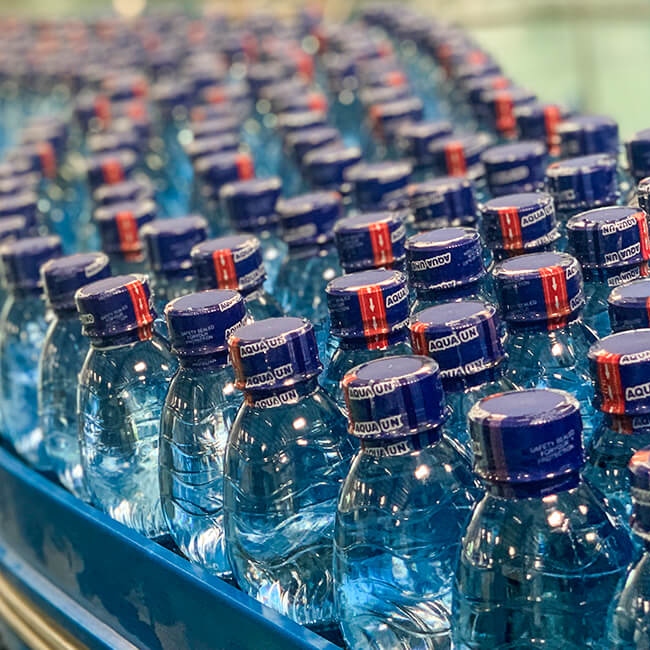
After processing, juice is transferred into bottles or other containers and sealed. Hot filling is commonly used for suitable juice and tea beverages, while aseptic filling and cold filling with HPP serve different product and packaging requirements.
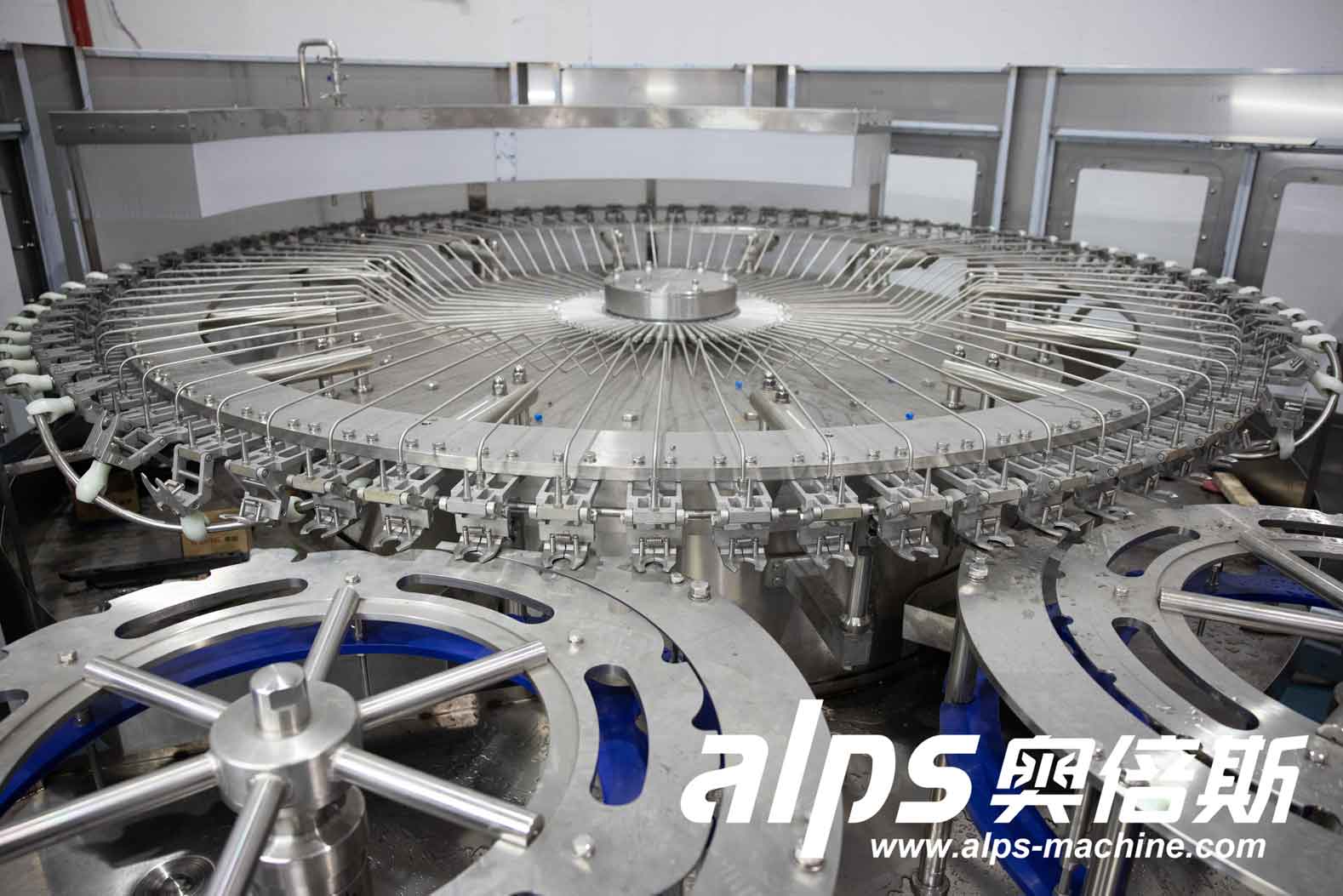
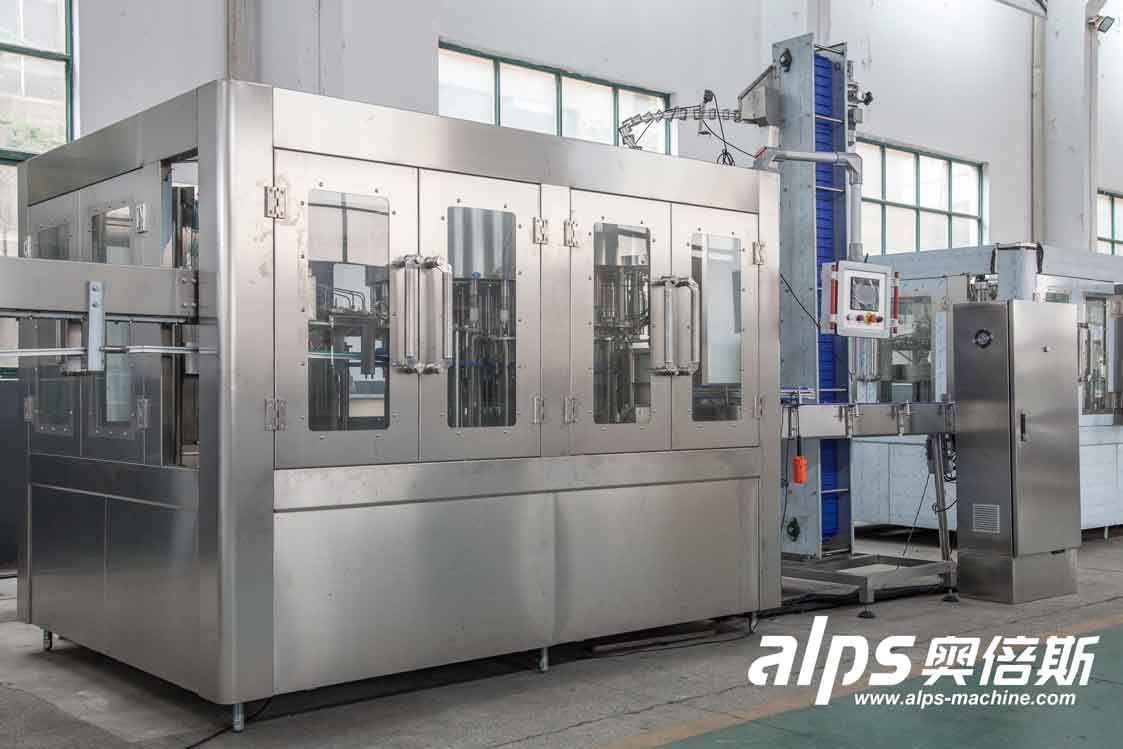
A juice filling machine may combine bottle rinsing, filling, and capping in one automatic unit. ALPS MACHINE offers RCGF series equipment for juice filling and RXGF hot filling machines designed for PET hot-fill bottles. Its PCGF series provides configurations for pulpy juice. The filling method should match the product, container, and preceding heat treatment process.
Some hot-filled products undergo tunnel pasteurization after packaging, followed by cooling. This stage is different from the filling-stage heat treatment and depends on the selected process.
The finished bottles then move through labeling, date coding, and packaging. ALPS MACHINE offers a bottle juice filling machine that can be connected with tunnel pasteurization, labeling, conveyors, and packing equipment. Label options include PVC sleeve, BOPP hot glue, adhesive, and wet glue. Final packaging can use shrink film or cartons, depending on market requirements.
Different juice products require different combinations of processing and filling equipment.
Production Line | Typical Products | Key Process Requirements |
Clear Juice Line | Apple juice, grape juice | Enzyme treatment, clarification, filtration, deaeration |
Cloudy or Pulpy Juice Line | Orange juice, pulpy mixed fruit juice | Pulp processing, homogenization, suitable heat treatment |
HPP Juice Line | Cold-pressed NFC juice | Cold pressing, filling, sealing, high-pressure processing |
The initial stages, including washing, sorting, and extraction, may be shared across these lines. The main differences occur during juice processing, heat treatment, and filling.
ALPS MACHINE offers RCGF configurations for juice filling and PCGF models for pulpy juice. For HPP projects, its equipment can cover relevant preparation, filling, and packaging stages, while the high-pressure processing equipment must be sourced separately.
Selecting equipment requires consideration of the complete production process.
Product type: Match filtration, homogenization, and filling equipment to the juice characteristics.
Production capacity: Coordinate extraction, processing, sterilization, and filling speeds to avoid bottlenecks.
Packaging requirements: Bottle sizes, shapes, caps, and labels affect equipment selection and product changeover.
Cleaning and maintenance: Consider hygienic design, CIP compatibility, equipment materials, and maintenance access.
For example, a 3-in-1 beverage filling machine can integrate rinsing, filling, and capping, while supporting equipment such as conveyors, labeling machines, and packing systems connects the individual stages. Planning these interfaces together helps create a more coordinated production line.
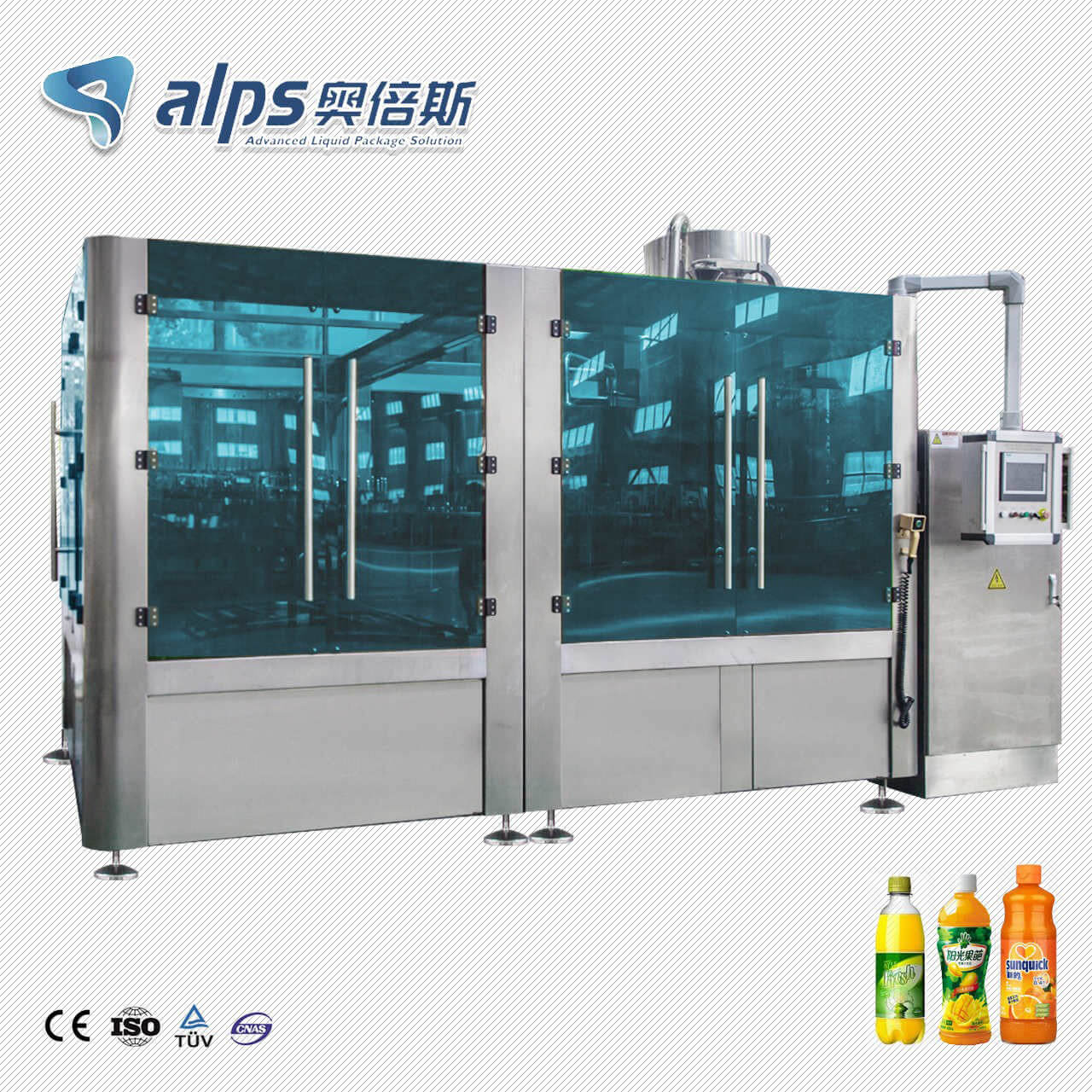
A juice production line typically covers fruit preparation, extraction, juice processing, heat treatment, filling, and packaging. The exact steps and equipment depend on whether the final product is clear, cloudy, pulpy, or cold-pressed juice. Understanding these differences helps manufacturers configure a line that matches their product and production requirements.
ALPS MACHINE provides turnkey beverage production solutions backed by a 15,000㎡ facility, 90 employees, and an ISO 9001:2000 quality management system. Its project support includes workshop and machine layout design. Contact ALPS MACHINE with your juice type, target capacity, and packaging requirements to discuss a suitable production line.

Add:NO.529 Yangjing Road,Jinfeng Town,Zhangjiagang City,Jiangsu Province China



By continuing to use the site you agree to our privacy policy Terms and Conditions.