Advanced Liquid Package Solution
Starting a mineral water plant requires an investment that varies with production capacity, equipment configuration, and local operating conditions. A small-scale facility may need $60,000–$120,000, while a medium-sized plant typically requires $150,000–$400,000. Large industrial projects can exceed $1.5 million.
The actual budget depends on several factors, including automation level, raw water quality, factory infrastructure, and regulatory requirements. Equipment purchases are only part of the initial investment, as installation, licensing, and working capital also need consideration.
This guide breaks down the estimated costs by production scale, equipment category, and additional expenses, helping investors plan a realistic budget before starting a mineral water business.
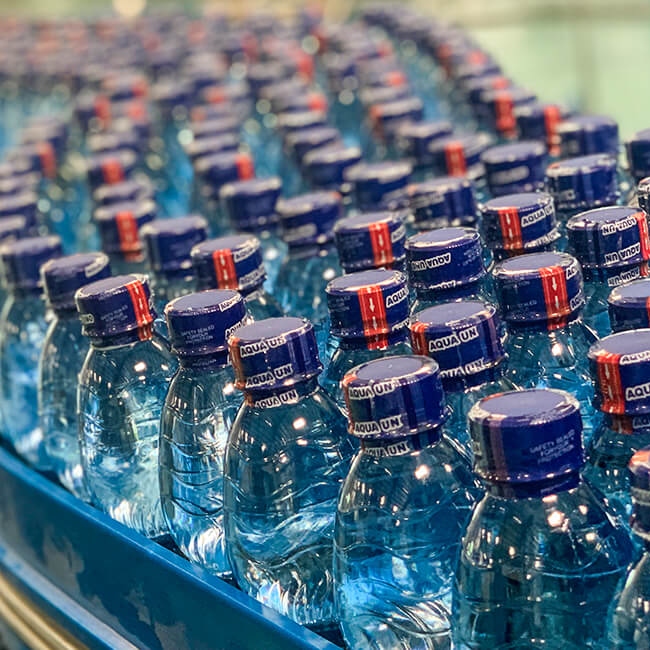
The investment required for a mineral water filling plant depends largely on its expected output and production requirements.
Investment Level | Capacity | Estimated Investment | Suitable For |
Small-scale | 2,000–3,000 BPH | $60,000–$120,000 | Local markets and startups |
Medium-scale | 6,000–12,000 BPH | $150,000–$400,000 | Regional distribution |
Large-scale | 12,000–18,000+ BPH | $400,000–$1,500,000+ | Industrial production and export |
Small plants generally require simpler configurations, while medium and large facilities need higher-capacity equipment and more extensive infrastructure.
These figures are preliminary estimates. ALPS MACHINE offers CGF series filling machines covering 2,000–18,000 BPH, allowing investors to match equipment capacity with current production targets.
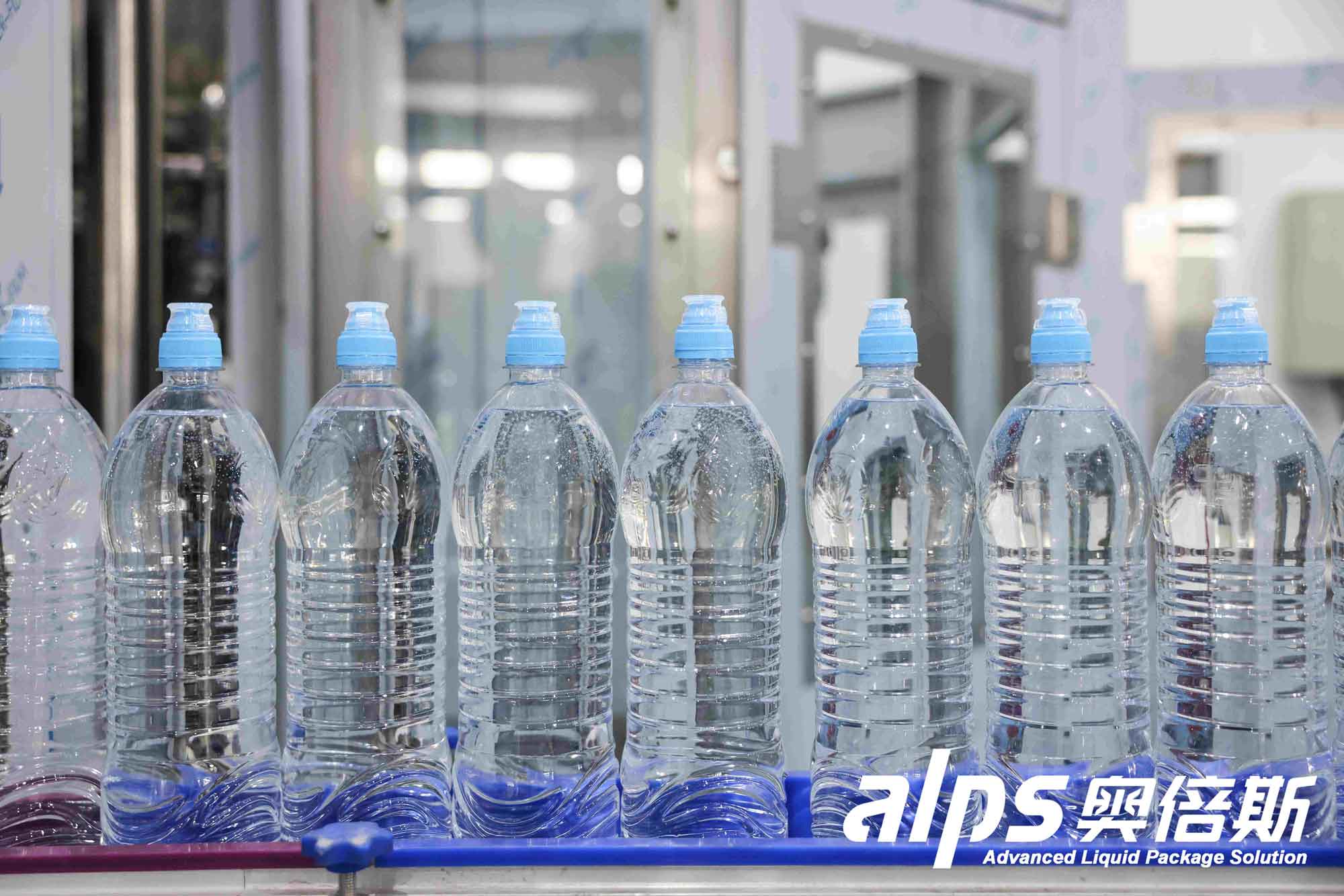
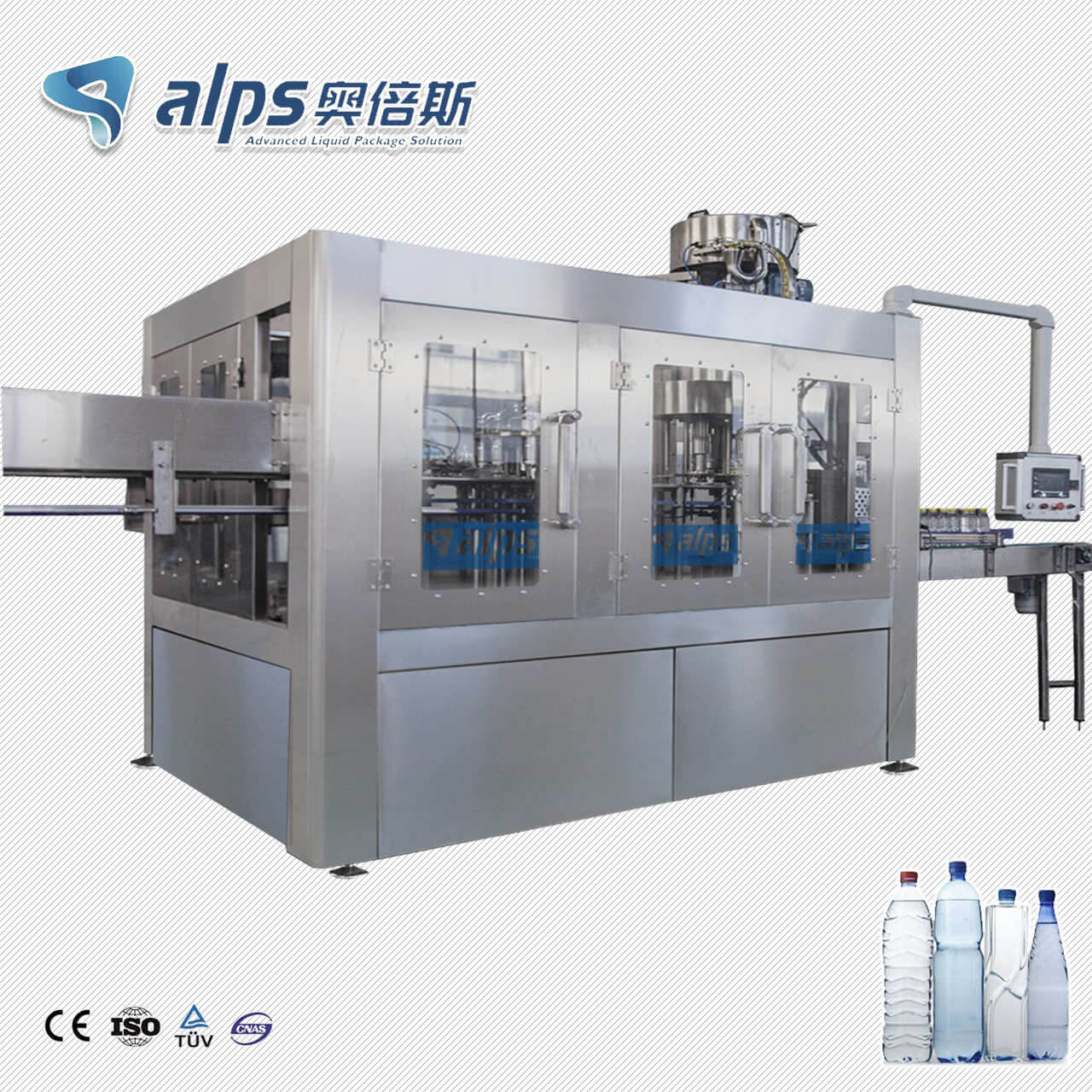
Equipment represents a major part of the initial investment. A complete mineral water filling line typically includes water treatment, bottle production, filling, labeling, and packaging equipment.
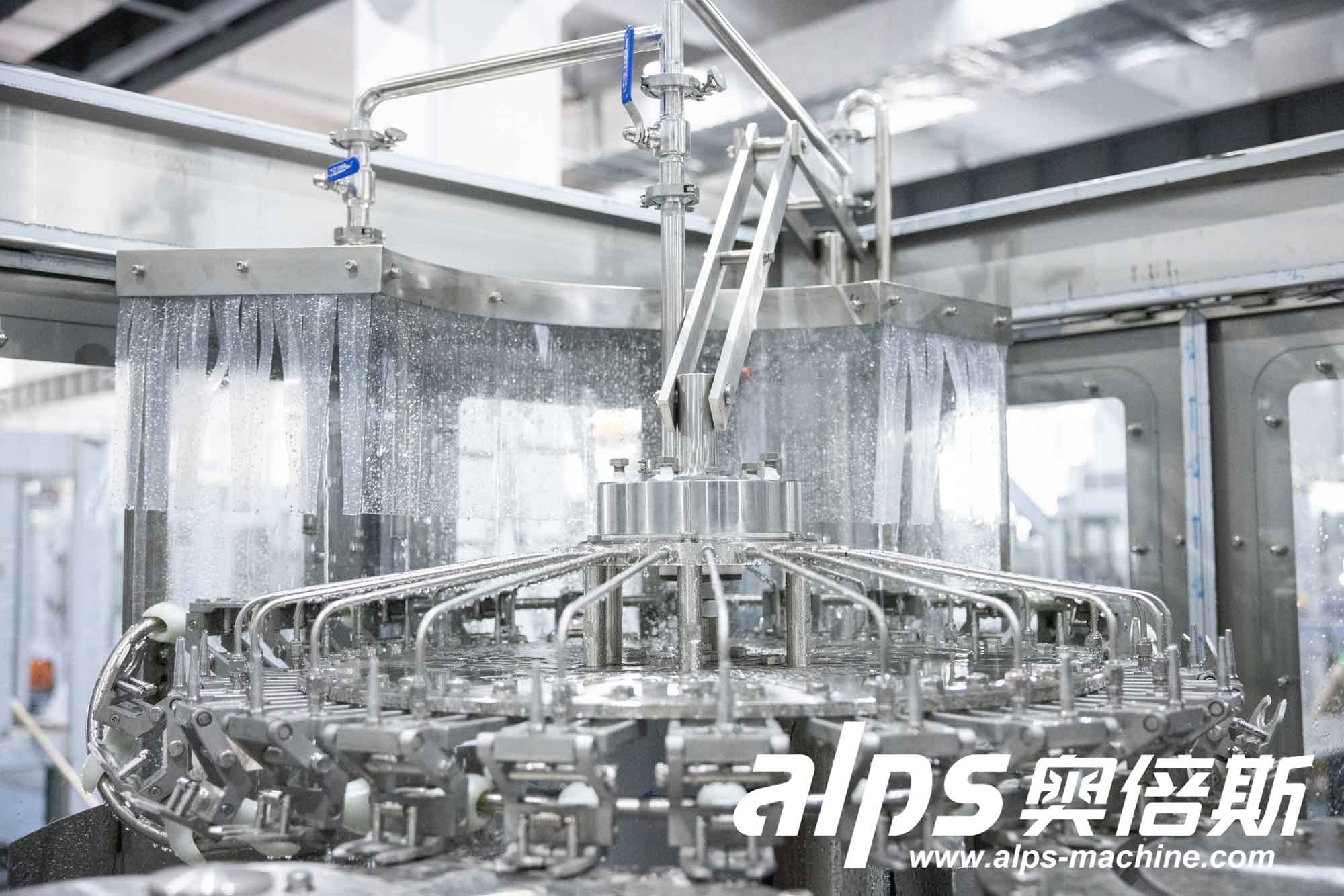
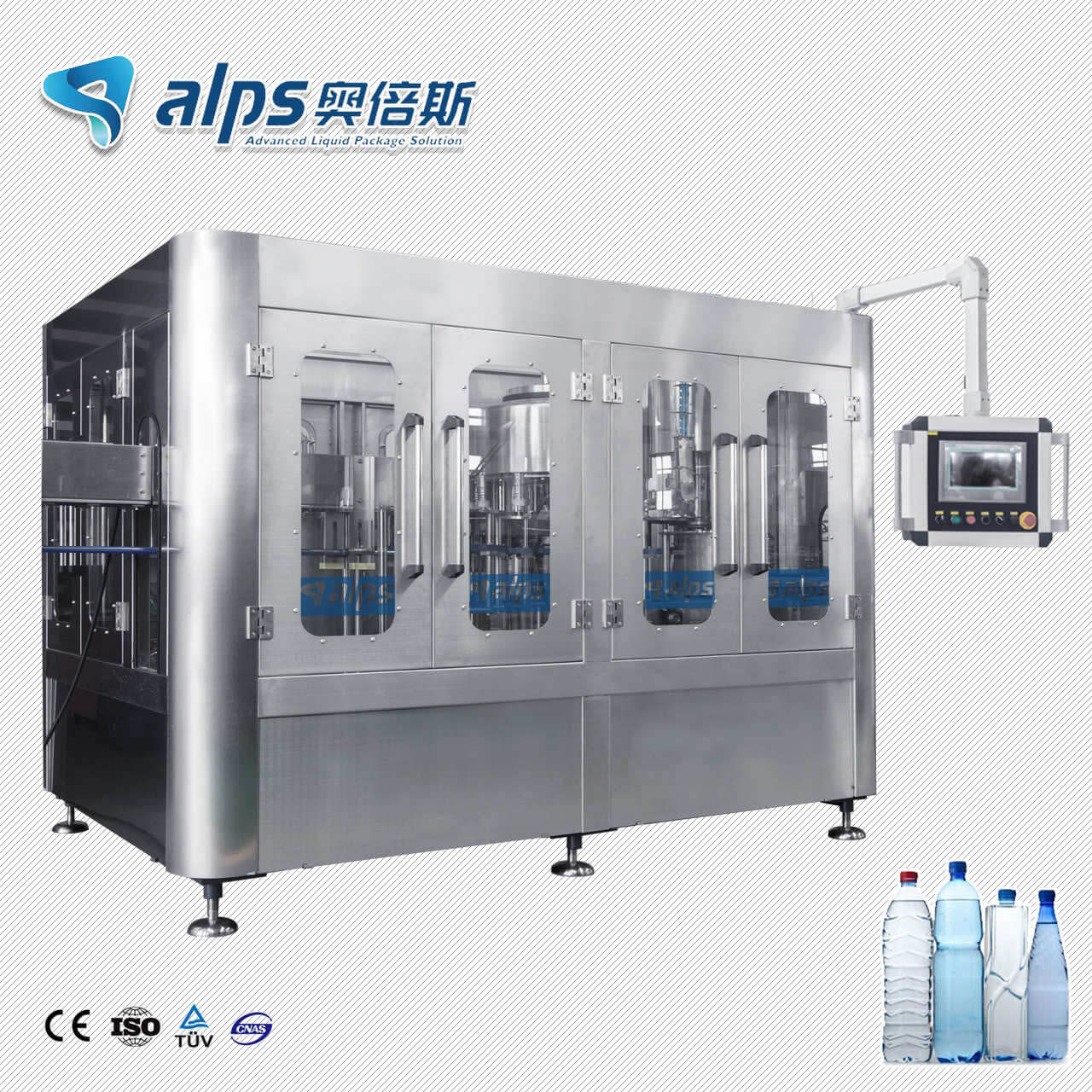
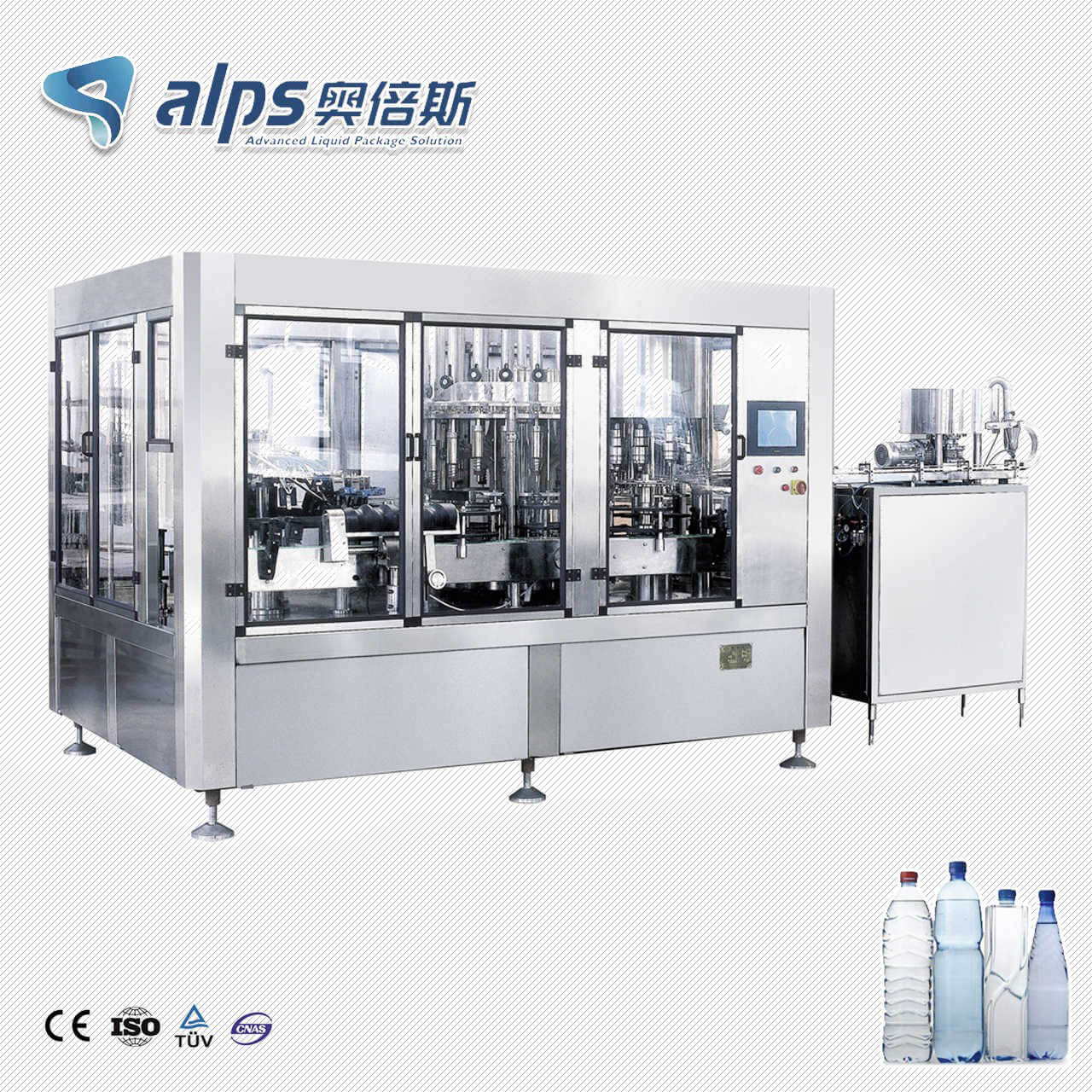
A three-in-one filling machine combines bottle rinsing, filling, and capping. Its price varies according to capacity and configuration.
Model | Capacity | Reference Price |
CGF8-8-3 | 2,000–3,000 BPH | $45,000–$65,000 |
CGF14-12-5 | 3,000–4,000 BPH | $55,000–$70,000 |
CGF16-16-5 | 6,000–7,000 BPH | $160,000–$200,000 |
CGF24-24-8 | 8,000–12,000 BPH | $250,000–$350,000 |
CGF32-32-10 | 12,000–15,000 BPH | $350,000–$450,000 |
CGF40-40-12 | 15,000–18,000 BPH | $450,000–$550,000 |
These are reference equipment prices. Final quotations depend on specifications and purchasing requirements.
Water treatment system: Approximately $8,000–$60,000+, depending on raw water quality and treatment requirements.
Bottle blowing machine: Approximately $15,000–$80,000+ if producing PET bottles in-house.
Labeling machine: Approximately $10,000–$45,000.
Packaging machine: Approximately $8,000–$30,000.
Auxiliary equipment: Air compressors, conveyors, coding machines, and inspection equipment also require budgeting.
A complete production line needs coordinated equipment across these stages. ALPS MACHINE provides integrated solutions covering water treatment, blowing, filling, labeling, and packaging.
Equipment quotations do not represent the entire cost of establishing a factory. Several additional expenses should be included in the initial budget.
Factory space must accommodate equipment installation, raw materials, finished products, and production operations. When planning space for a mineral water bottle filling machine, investors should also consider storage and supporting facilities.
Other expenses include:
Factory rental or construction.
Electrical connections and transformer capacity.
Water supply and drainage systems.
Ventilation, installation, and workshop modifications.
·
Mineral water production must meet local food safety and manufacturing regulations. Depending on the country, requirements may include production licenses, water extraction permits, product testing, environmental approvals, and labeling compliance.
Investors should confirm applicable regulations before purchasing equipment.
Working capital covers expenses before production generates stable revenue, including:
Bottle preforms, caps, labels, and packaging materials.
Employee salaries and utility bills.
Equipment maintenance and spare parts.
Installation, commissioning, and trial production.
A contingency reserve is also advisable to cover unexpected expenses.
A realistic budget starts with matching production requirements to market demand. Choosing equipment based only on maximum capacity can result in unnecessary investment.
Determine Production Capacity
Estimate daily demand and divide it by available production hours to determine the required output in bottles per hour. Allow for maintenance, changeovers, and production downtime.
Match Equipment to Budget
Consider the following before finalizing a mineral water filling production line:
Water source: Test raw water before selecting treatment equipment.
Automation: Compare labor requirements and production targets.
Bottle supply: Decide whether to purchase bottles or manufacture them in-house.
Future expansion: Consider available space and equipment upgrade options.
Avoid three common budgeting mistakes: overlooking auxiliary equipment, underestimating installation and infrastructure costs, and spending the entire budget on machinery without reserving working capital.
ALPS MACHINE can help investors plan equipment configurations according to production capacity, water source, and project requirements.
The profitability of a mineral water plant depends on production capacity, actual sales and operating efficiency.
Capacity utilization: Higher operating rates help distribute fixed costs across more bottles.
Packaging expenses: Bottles, caps, labels, and cartons affect unit production costs.
Operating expenses: Labor, electricity, water treatment, and maintenance influence profit margins.
Market pricing: Wholesale prices and distribution costs determine revenue potential.
A basic investment recovery formula is:
Payback Period = Initial Investment ÷ Annual Net Profit
For example, a plant with a $100,000 initial investment and $40,000 annual net profit would have an estimated payback period of 2.5 years.
This calculation is illustrative. Actual results depend on sales volume, capacity utilization, production costs, and market conditions. Reliable equipment and stable production also help control downtime and operating losses.
Starting a mineral water plant may require $60,000 for a small-scale project or more than $1.5 million for a large industrial facility. The final investment depends on filling capacity, water treatment requirements, factory infrastructure, regulatory compliance, and working capital. Evaluating these expenses together helps investors avoid budget shortfalls and select equipment that matches their business plans.
ALPS Machine, with a 15,000㎡ facility, 90 employees, and ISO 9001:2000 quality management certification, specializes in beverage filling and packaging machinery. If you are planning a mineral water project, contact ALPS Machine to discuss your production requirements and request a tailored equipment proposal.


Add:NO.529 Yangjing Road,Jinfeng Town,Zhangjiagang City,Jiangsu Province China



By continuing to use the site you agree to our privacy policy Terms and Conditions.