Advanced Liquid Package Solution
A soda can on a supermarket shelf looks completely sealed, which raises a natural question: how can manufacturers get the drink inside without opening the can? It may seem as if the beverage must be injected through a sealed container, but that is not how the process works.
In fact, cans enter the filling line with their tops open. Soda is poured into each empty can before a lid is placed over the opening and mechanically sealed.
This article explains how empty cans move through the production line, how carbonated soda is filled while retaining its bubbles, and how the can lid is sealed and inspected before packaging.
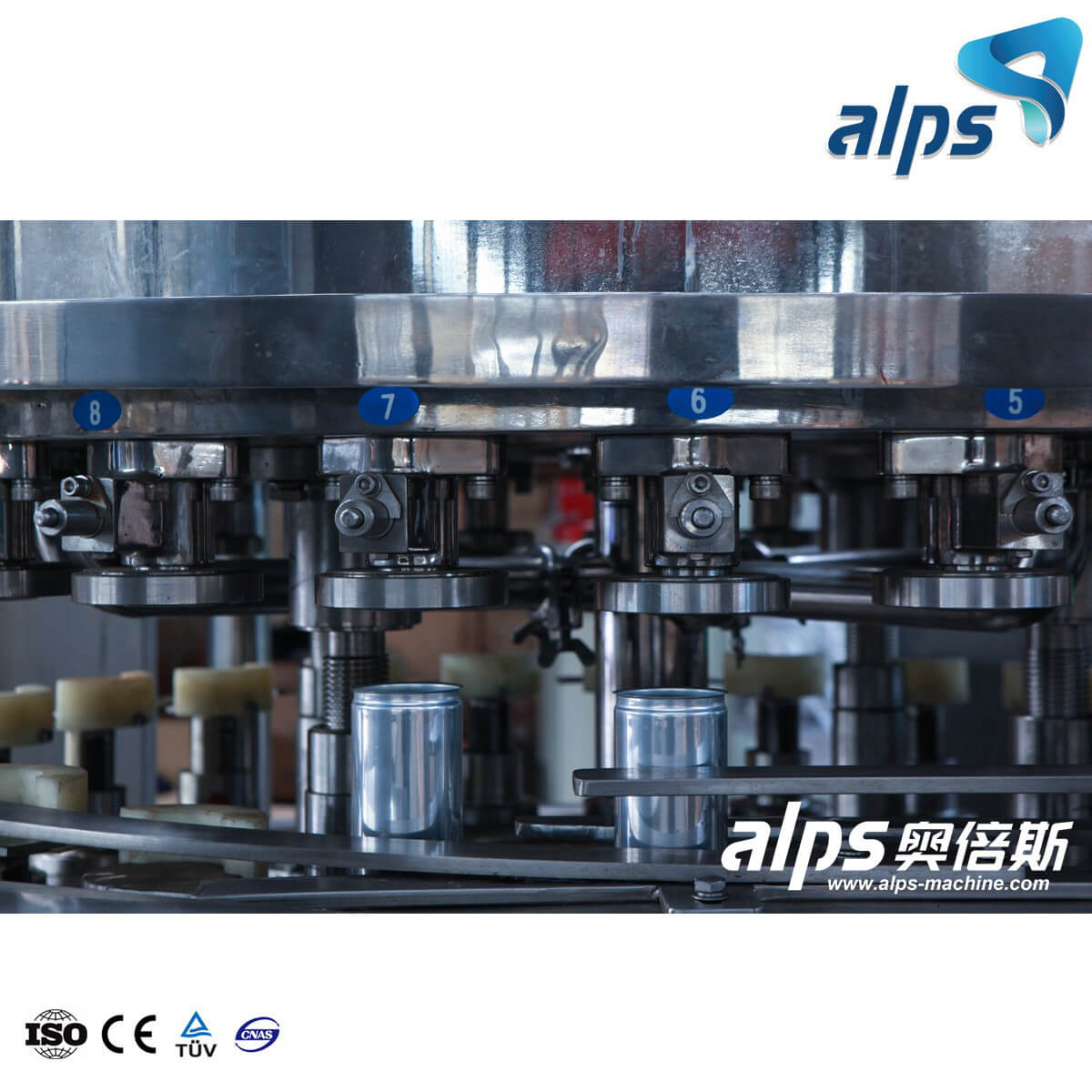
The key is that an empty can is open when it reaches the filling station. A typical can filling machine handles the beverage first and the sealing process afterward.
The basic sequence is:
Empty cans enter the line: Cans are conveyed with their openings facing upward.
Soda is filled: The filling valve delivers the beverage into each open can.
Lids are placed: A separate mechanism positions a can end over the opening.
Lids are placed: A separate mechanism positions a can end over the opening.
Cans are sealed: A seaming machine joins the lid to the can body by mechanically folding and pressing their edges together.
Filling and sealing take place at consecutive stations on the same production line. The can is therefore sealed only after the beverage has entered it. The finished container seen by consumers is the result of these connected operations.
A complete canning line connects several machines to move empty cans through filling, sealing, inspection, and packaging. The exact layout depends on the product and production requirements, but the main stages generally follow this order.
Process Stage | Main Function |
Depalletizing | Transfers empty cans from pallets to the line |
Can Rinsing | Removes dust and foreign particles |
Filling | Delivers soda into open cans |
Lid Placement | Positions can ends over the openings |
Seaming | Forms a sealed double seam |
Inspection | Checks fill levels and sealing quality |
Coding and Packaging | Adds product information and prepares cans for shipment |
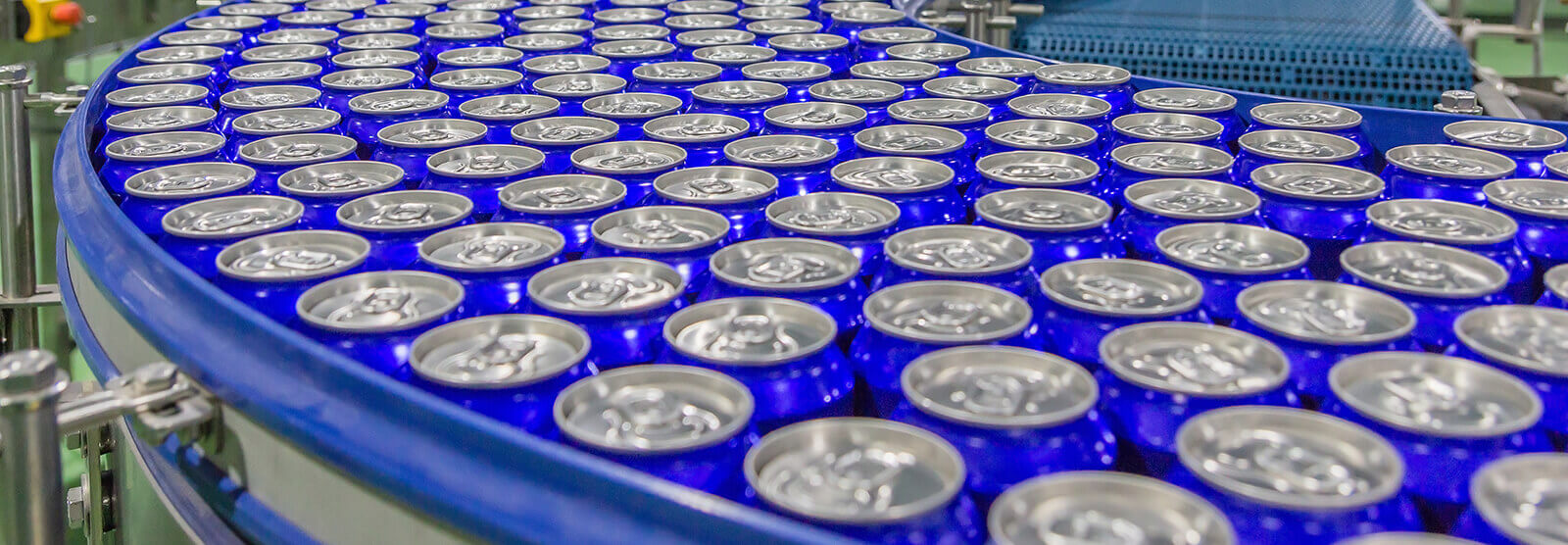
An automatic can filling machine uses conveyors and coordinated equipment to maintain a continuous production flow. Optional equipment, such as liquid nitrogen dosing or a pasteurizer tunnel, can be added when the beverage and processing method require it.
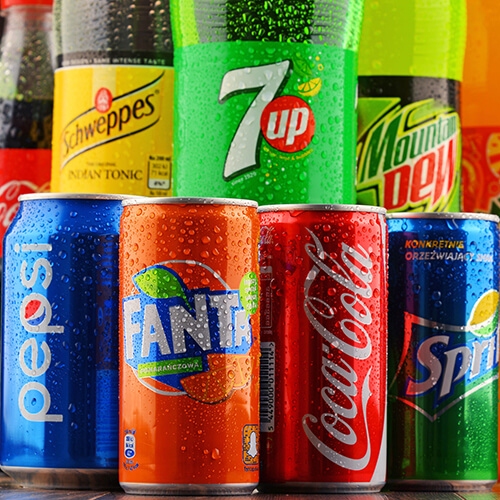
Carbonated drinks contain dissolved carbon dioxide (CO₂). When pressure drops or the beverage becomes warmer, more CO₂ can escape, causing excessive foaming and loss of carbonation. A beverage can filling machine designed for carbonated products therefore controls the filling conditions.
Three factors are particularly important:
Pressure control: Isobaric, or counter-pressure, filling balances pressure between the beverage system and the can. This helps reduce sudden CO₂ release during filling.
Temperature control: Chilled soda generally retains dissolved CO₂ more effectively and produces less foam. ALPS MACHINE lists 0–4°C as the filling temperature for one of its can-line configurations; actual settings depend on the product and equipment.
Filling control: Stable filling speed and accurate liquid-level control help prevent excessive foaming, overflow, and inconsistent fill volumes.
Together, these measures help preserve carbonation and maintain consistent filling quality before the can moves to the seaming station.
After filling, the can end is placed over the can opening. The seaming machine then uses rollers to fold and press the edge of the lid together with the flange of the can body. This creates a double seam, in which the two components are mechanically interlocked and compressed to form a tight closure.
A can filling and sealing machine integrates these operations into a coordinated process, helping maintain consistent filling and sealing performance.
After seaming, inspection helps identify defects before cans leave the line. Checks may include:
Fill level: Confirms that the beverage volume is within the specified range.
Seam dimensions: Checks whether the double seam meets the required specifications.
Leak testing: Identifies cans with inadequate sealing or leakage.
Cans that fail inspection can be removed from the production flow. These checks help maintain package integrity and reduce the risk of leakage during storage and transportation.
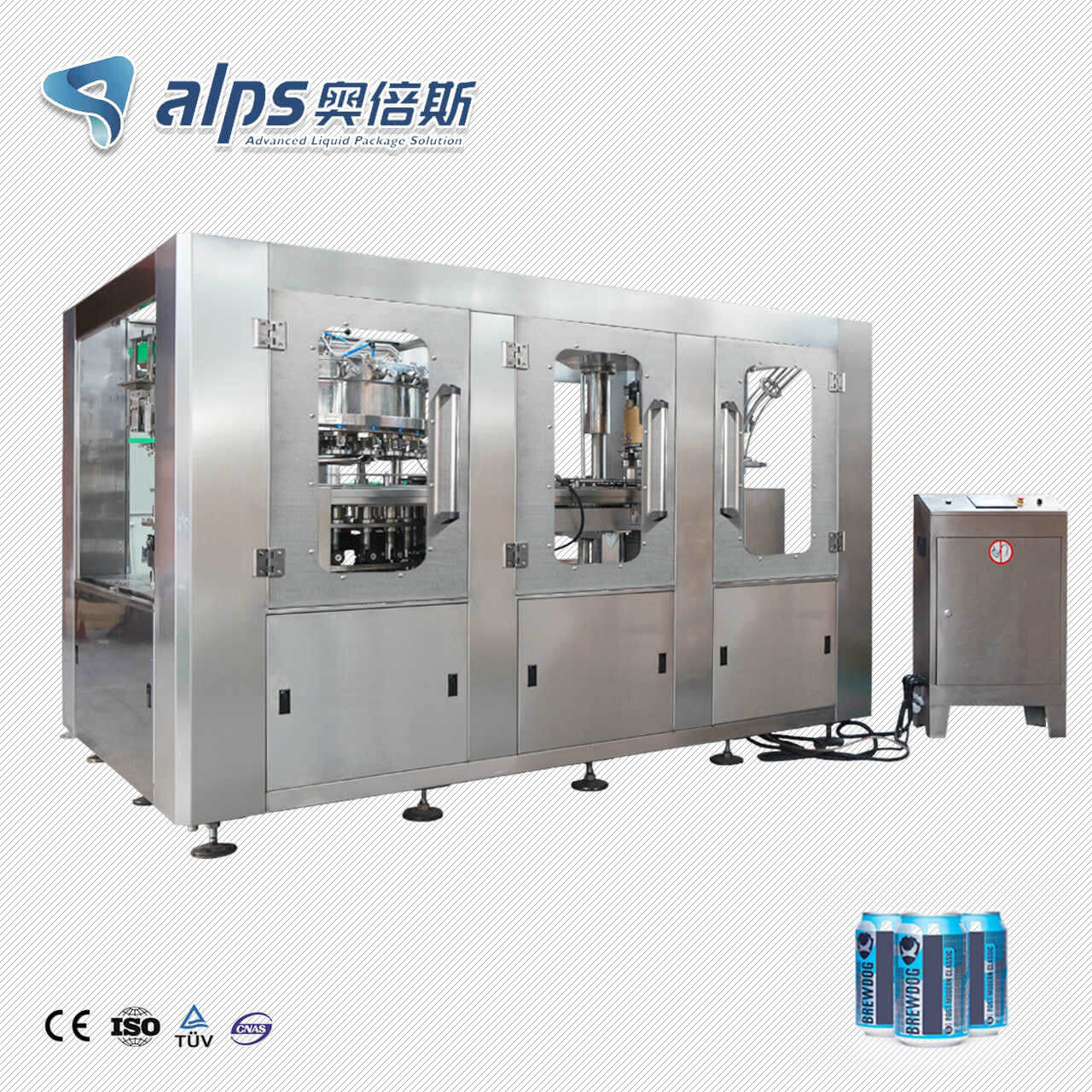
Soda is not injected into a can that has already been sealed. Empty cans enter the line with open tops, receive the beverage under controlled filling conditions, and then have their lids placed and mechanically seamed. Pressure and temperature control help retain carbonation, while seam inspection confirms that the finished cans are properly sealed.
ALPS Machine provides complete soda can filling machine solutions, covering can depalletizing, rinsing, filling, seaming, inspection, and packaging. With a 15,000 m² facility and a range of equipment configurations, the company supports customized production requirements. Contact ALPS Machine with your beverage type and target capacity to discuss a suitable canning line for your project.


Add:NO.529 Yangjing Road,Jinfeng Town,Zhangjiagang City,Jiangsu Province China



By continuing to use the site you agree to our privacy policy Terms and Conditions.