Advanced Liquid Package Solution
Any question?
Get in touch


If you are planning to enter the beverage, food, or liquid packaging industry, one of the first questions you will ask is: how much is a bottle filling machine? The answer is not as straightforward as a single number. Bottle filling machines vary widely in price depending on capacity, automation level, application, and customization.
From small semi-automatic units designed for startups to fully automated high-speed production lines used by large manufacturers, the investment can range from a few thousand dollars to several hundred thousand dollars. In this article, we’ll break down the price ranges, key cost factors, and practical considerations to help you make an informed decision.
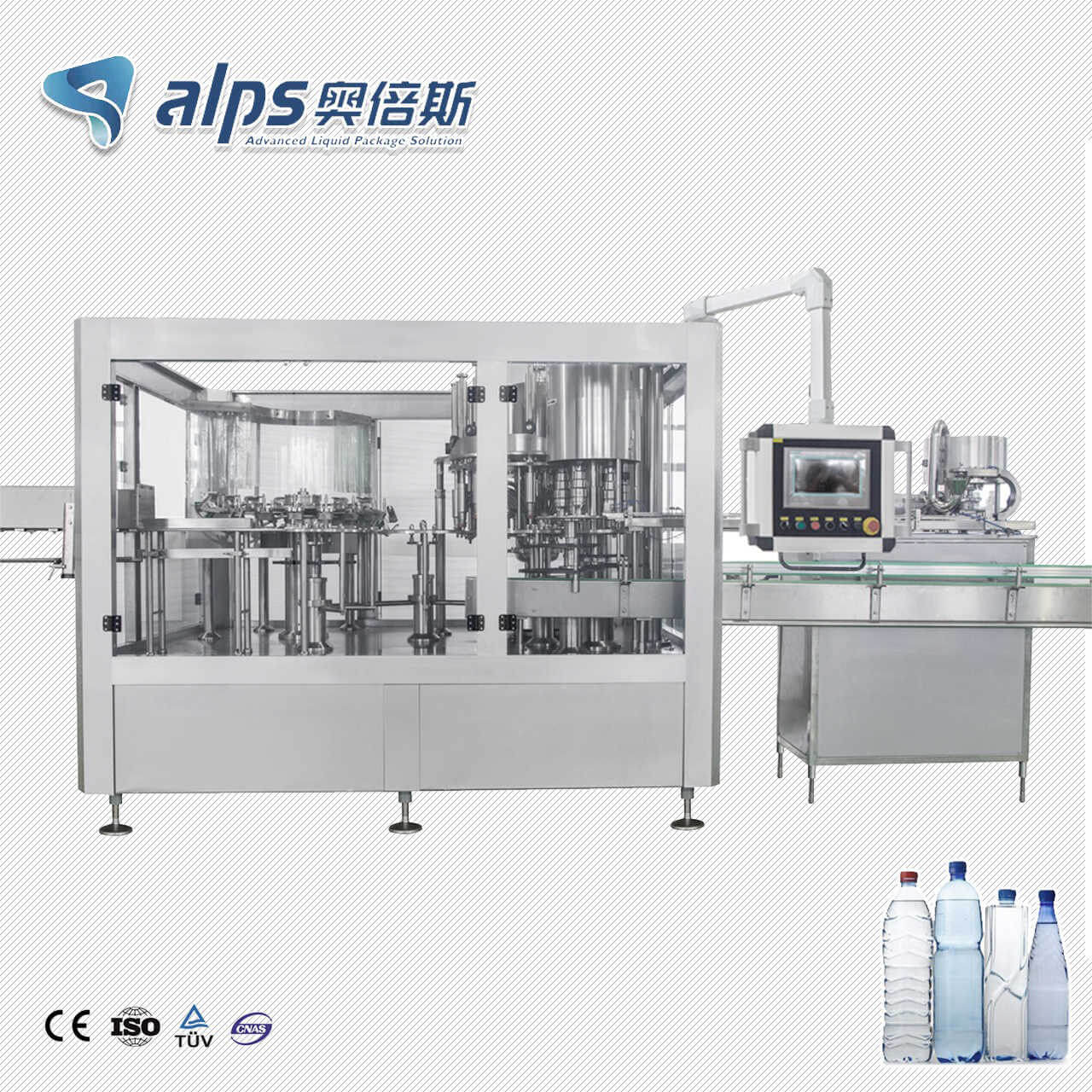
A bottle filling machine is a piece of industrial equipment used to fill liquids into containers such as bottles, jars, or cans. These machines are essential in industries like:
Bottled water and beverages
Juice and dairy products
Edible oils and sauces
Chemicals and pharmaceuticals
A typical filling process may include:
Bottle rinsing or cleaning
Liquid filling
Capping or sealing
In many modern production lines, these functions are integrated into a single system for efficiency and hygiene.
The cost of a bottle filling machine depends largely on its scale and functionality. Below is a general breakdown:
These are usually semi-automatic machines designed for small-scale production.
Features:
Manual or semi-automatic operation
Low production capacity (500–2,000 bottles per hour)
Compact design
Lower initial investment
Best for:
Startups
Small businesses
Pilot production
These machines are typically fully automatic and suitable for growing businesses.
Features:
Automated filling and capping
Moderate capacity (2,000–10,000 bottles per hour)
Improved accuracy and efficiency
Basic PLC control systems
Best for:
Small to medium-sized enterprises
Expanding production lines
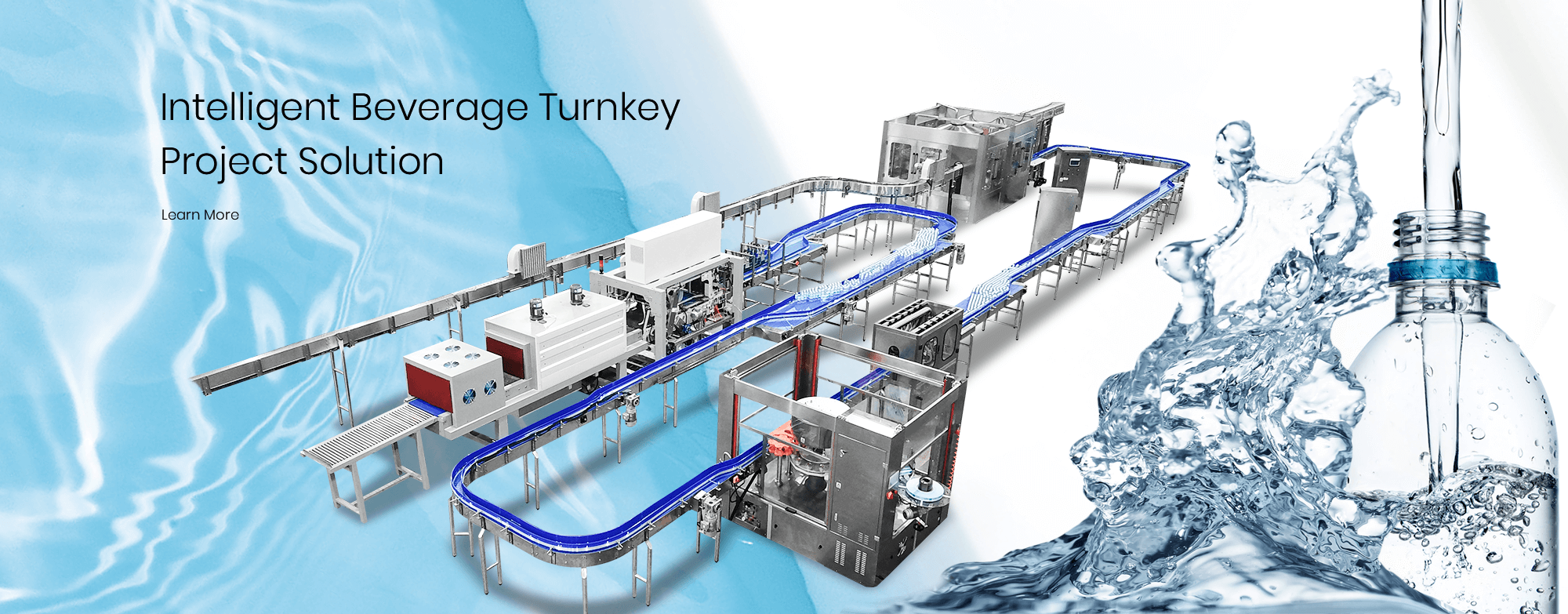
These are fully integrated, high-speed production lines used by large manufacturers.
Features:
High-speed operation (10,000–40,000+ bottles per hour)
Integrated systems (bottle blowing, filling, capping)
Advanced automation and control systems
High-grade stainless steel construction
Best for:
Large-scale beverage factories
Export-oriented production
Understanding what drives the cost of a bottle filling machine can help you choose the right solution.
Capacity is measured in bottles per hour (BPH). Higher output requires more complex engineering and stronger components, which increases the price significantly.
Manual machines: Lowest cost, high labor dependency
Semi-automatic machines: Balanced cost and efficiency
Fully automatic machines: Highest cost, minimal labor
Automation improves productivity but requires a larger investment.
Different liquids require different filling technologies:
Water: gravity filling
Carbonated drinks: pressure filling
Viscous liquids (oil, syrup): piston filling
More complex liquids require more advanced—and expensive—systems.
The type of container also impacts cost:
PET bottles
Glass bottles
Aluminum cans
Machines that support multiple bottle sizes or shapes usually cost more due to added flexibility.
Common filling methods include:
Gravity filling
Pressure filling
Vacuum filling
Piston filling
Each technology has different cost implications depending on precision and application.
Industrial machines are typically made from stainless steel:
SUS304: Standard option
SUS316: Higher corrosion resistance, used for food and pharmaceuticals
Higher-grade materials increase durability but also cost.
Optional components can significantly affect pricing:
CIP (Clean-in-Place) systems
Labeling machines
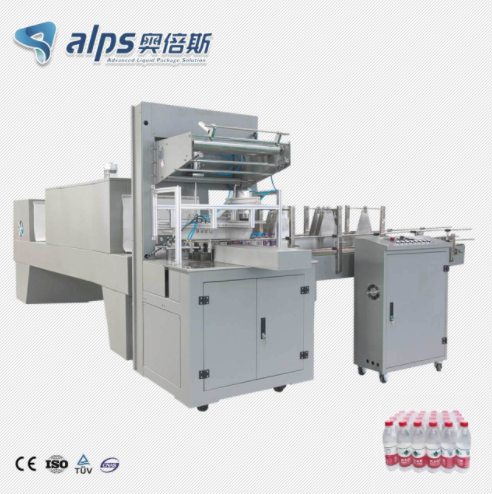
Packaging systems
Touchscreen PLC controls
Remote monitoring
The more integrated the system, the higher the investment.
When budgeting, it’s important to consider costs beyond the machine itself.
On-site installation
Commissioning
Testing
Freight costs (especially for large machines)
Customs duties and taxes
Routine maintenance
Replacement parts
Operator training
Skilled technicians
Electricity consumption
Water usage
Air compressor requirements
These additional costs can add 10%–30% to your total investment.
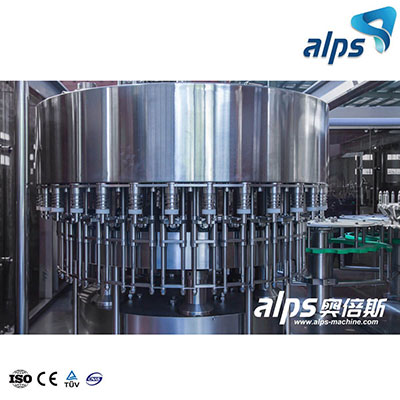
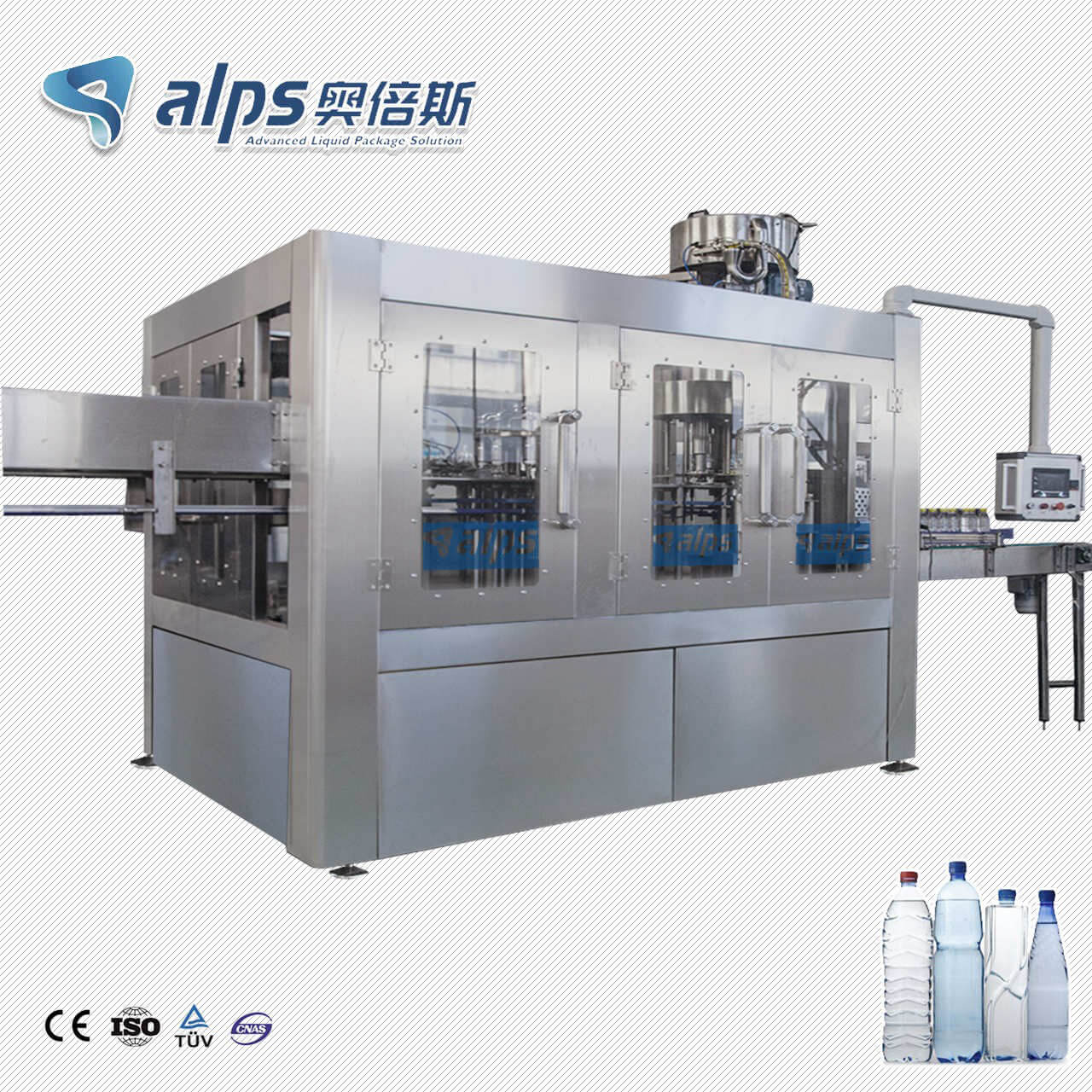
Price: $5,000 – $50,000+
Simpler system, widely used
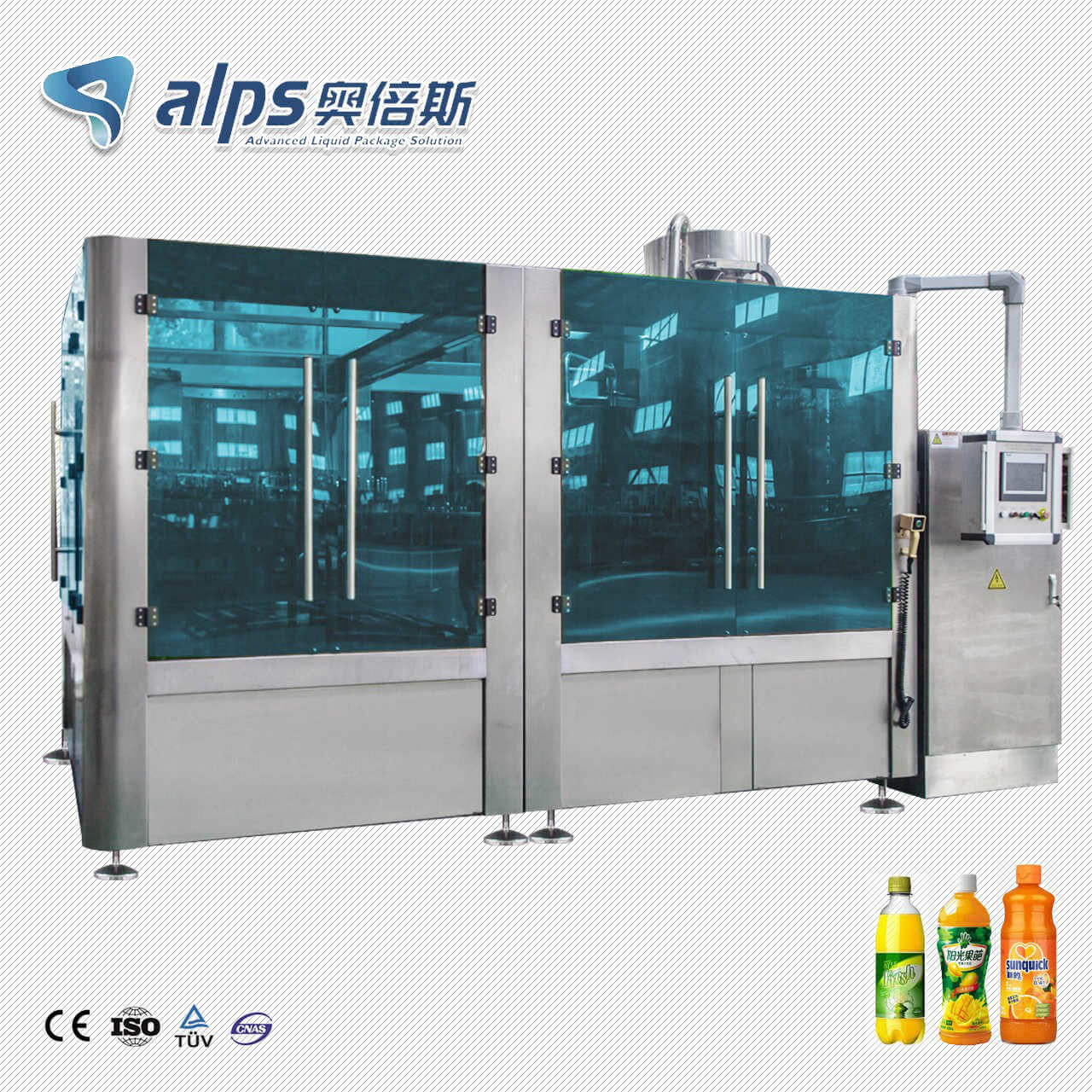
Price: $10,000 – $100,000+
Requires hot filling or aseptic systems
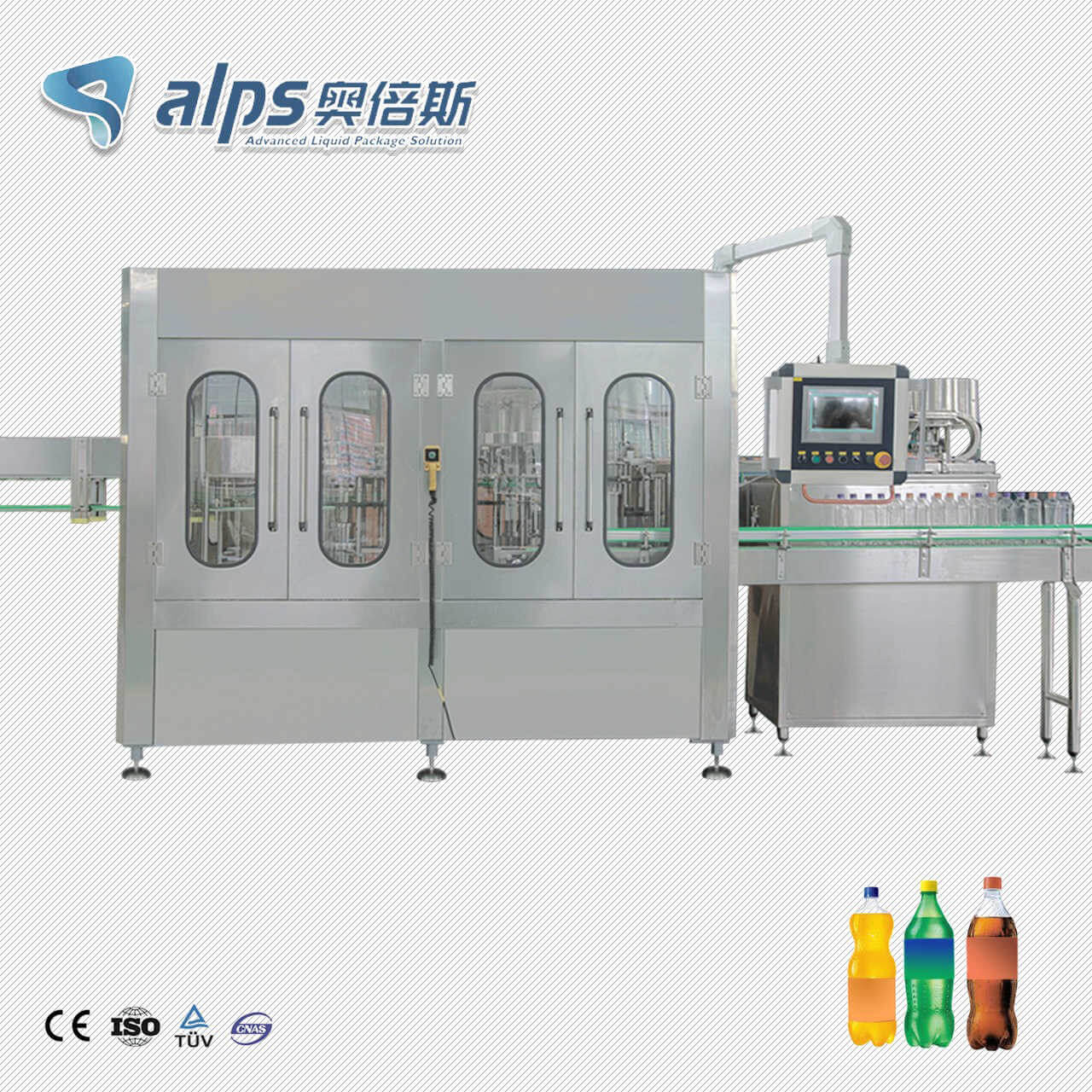
Price: $20,000 – $150,000+
Requires pressure-resistant components
Price: $3,000 – $30,000+
Uses piston or pump filling systems
Pros:
Latest technology
Higher reliability
Warranty support
Cons:
Higher upfront cost
Pros:
Lower purchase price
Cons:
Higher maintenance risk
Limited support
Potential compatibility issues
For long-term production, new machines are generally the safer investment.
To make the right choice, consider the following:
Daily output requirements
Product type
Avoid over-investing in capacity you don’t yet need.
A cheaper machine may cost more in the long run due to inefficiency or downtime.
Look for:
Industry experience
After-sales service
Technical support
Compare multiple suppliers
Avoid unnecessary customization
Consider turnkey solutions
Negotiate after confirming technical details
Typically between $1,000 and $10,000, depending on automation level and features.
Usually ranges from $50,000 to over $200,000, depending on capacity and configuration.
Most businesses achieve ROI within 1–3 years, depending on production volume.
Yes, most manufacturers offer customization based on bottle type, liquid, and capacity.
So, how much is a bottle filling machine? The answer depends on your specific needs. Prices can range from a few thousand dollars for small semi-automatic units to over $200,000 for fully automated industrial lines.
Instead of focusing solely on price, it’s important to evaluate your production goals, product type, and long-term business strategy. By choosing the right machine and supplier, you can maximize efficiency, ensure product quality, and achieve a strong return on investment.
If you are planning to invest in a bottle filling machine, the best approach is to request a customized quote based on your exact requirements.


By continuing to use the site you agree to our privacy policy Terms and Conditions.