Advanced Liquid Package Solution
Any question?
Get in touch


Injection molding is one of the most widely used manufacturing processes for producing plastic components at scale. From automotive parts to consumer goods and packaging materials, this technology enables the mass production of high-precision, consistent products with excellent efficiency.
In the beverage and packaging industry—especially in water bottling production lines—injection molding machines play a critical upstream role. They are used to manufacture PET preforms and plastic caps, which are later processed into finished bottles and sealed products. Understanding how an injection molding machine works is essential for anyone involved in modern manufacturing or beverage production.
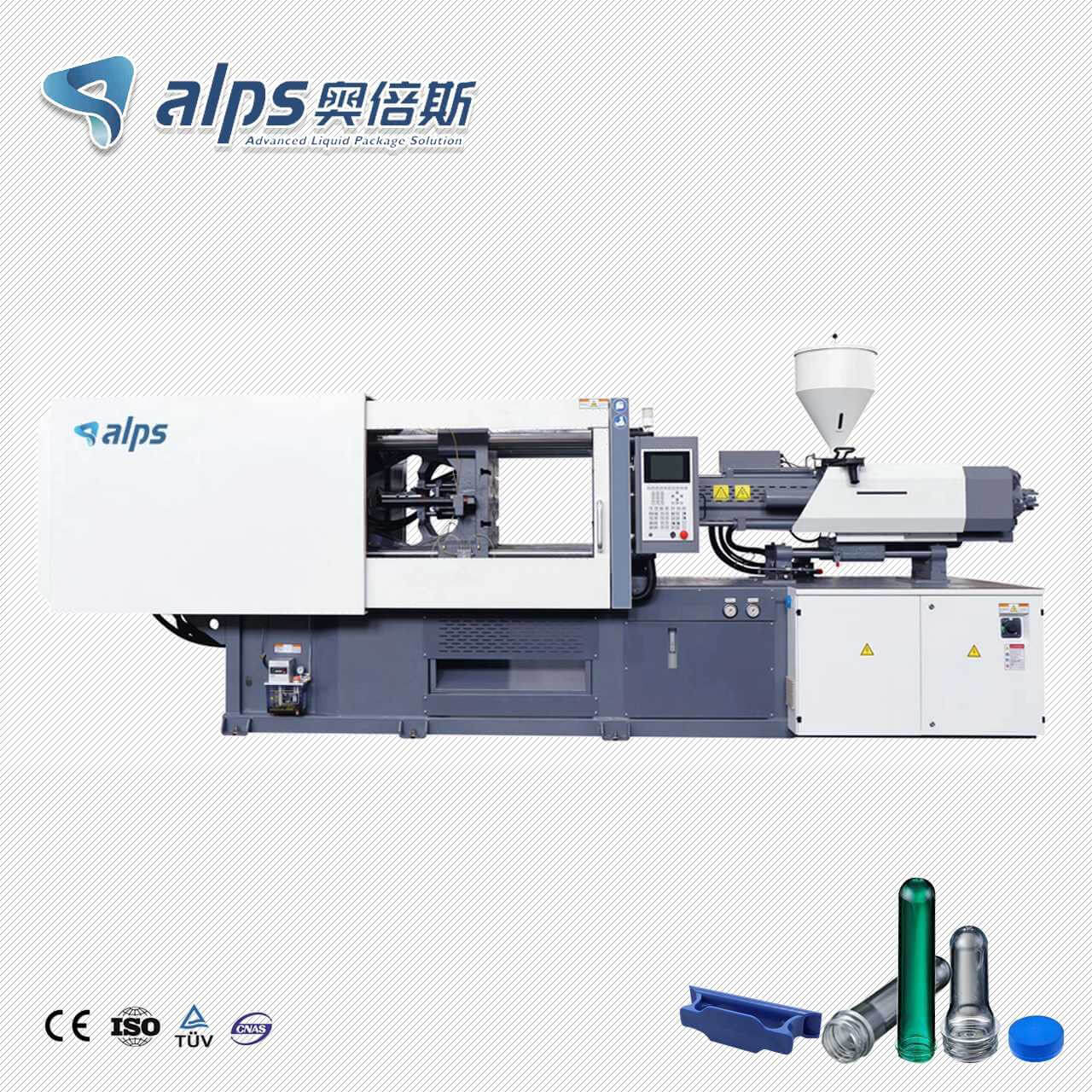
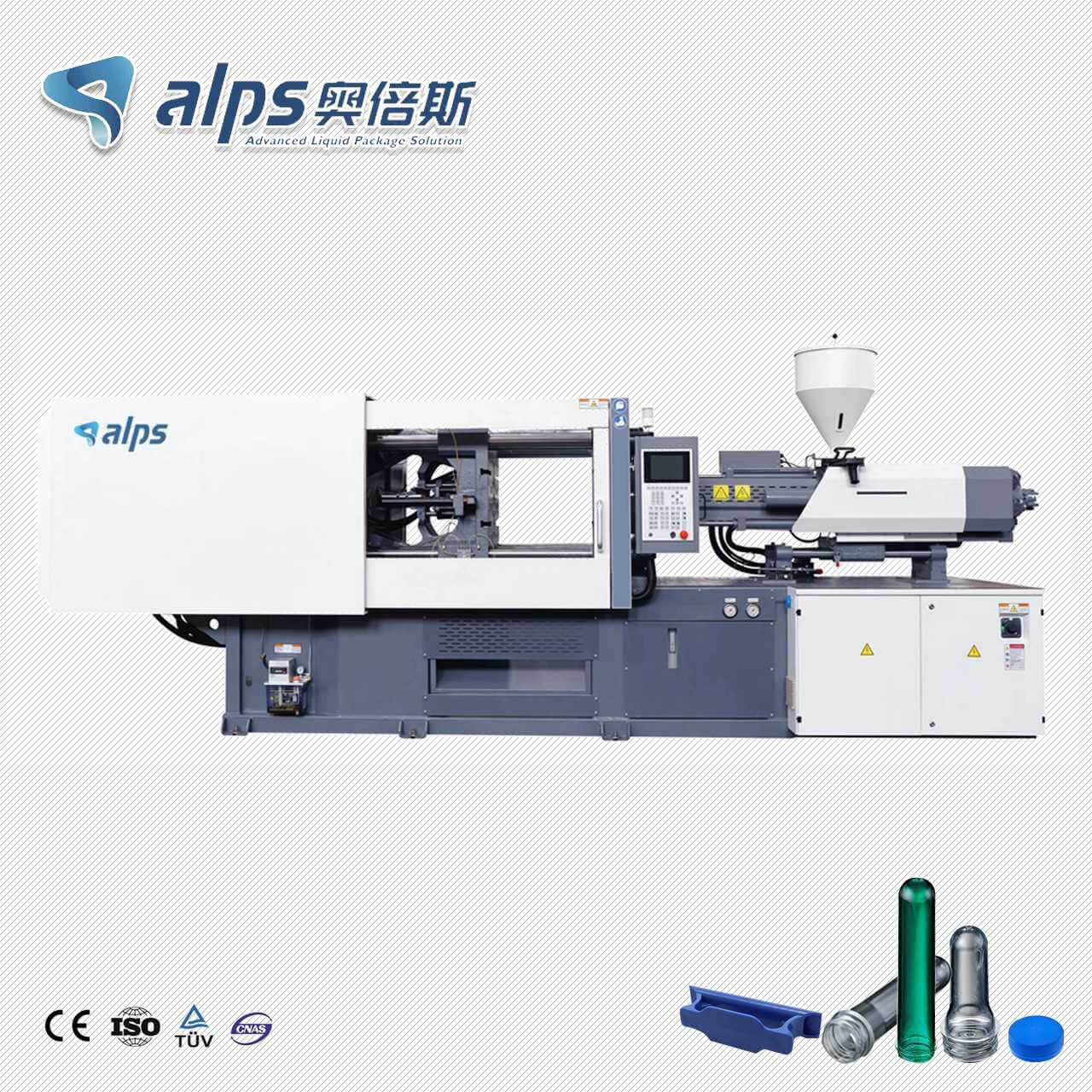
An injection molding machine is a piece of industrial equipment used to produce plastic parts by injecting molten material into a mold. Once cooled and solidified, the material takes the shape of the mold cavity, forming a finished or semi-finished product.
There are three main types:
Hydraulic machines: Known for high القوة and durability, suitable for large parts
Electric machines: Energy-efficient, precise, and ideal for high-speed production
Hybrid machines: Combine the benefits of hydraulic power and electric precision
Injection molding machines can process a variety of thermoplastics, including:
PET (Polyethylene Terephthalate): Used for water bottles and preforms
PP (Polypropylene): Common for caps and closures
PE (Polyethylene): Used in flexible packaging and containers
To understand how the machine works, it is important to know its core components.
The hopper is where raw plastic material (usually in pellet form) is fed into the machine.
Inside the barrel, a rotating screw conveys the plastic pellets forward while heating them. The friction and external heaters melt the material into a uniform molten state.
This unit is responsible for injecting the molten plastic into the mold under high pressure.
The mold consists of two halves:
Cavity: Defines the outer shape of the product
Core: Forms the internal features
The mold is custom-designed based on the desired product.
This unit holds the mold tightly closed during injection and cooling to prevent leakage of molten material.
Modern machines use PLC or computer-based control systems to regulate temperature, pressure, speed, and timing.
The injection molding process follows a precise and repeatable cycle.
Plastic pellets are loaded into the hopper and fed into the barrel.
The pellets are heated by barrel heaters and friction from the rotating screw. They gradually melt into a viscous liquid.
Once enough molten plastic accumulates, the screw moves forward, injecting the material into the mold cavity at high pressure.
The molten plastic cools inside the mold, taking its final shape. Cooling time depends on material type and part thickness.
After cooling, the mold opens, and ejector pins push the finished product out. The machine then resets for the next cycle.
Injection molding machines are a fundamental part of water bottling production systems, even though they are often not located directly on the filling line.
One of the most important applications is the production of PET preforms. These are small, test-tube-shaped plastic pieces that are later heated and stretched in a blow molding machine to form bottles.
Process flow:
Injection molding → PET preform → Blow molding → Bottle → Filling → Packaging
Without injection molding, large-scale bottle production would not be possible.
Injection molding is also used to produce:
Bottle caps
Closures
Tamper-evident seals
These components require high precision to ensure proper sealing and product safety.
In modern water bottling plants, injection molding works closely with:
Stretch blow molding machines
Bottle filling machines
Labeling and packaging systems
This integration enables high-speed, continuous production of bottled water.
For bottled water manufacturers, injection molding ensures:
Consistent preform quality
High production speed
Cost-effective mass production
Injection molding offers several key benefits that make it indispensable in modern manufacturing.
The process produces identical parts with tight tolerances, which is critical for components like bottle necks and caps.
Injection molding can create intricate designs that would be difficult or impossible with other methods.
Once the mold is set up, the machine can produce thousands of parts per hour with minimal variation.
Excess material can often be recycled, making the process more sustainable and cost-effective.
Despite its efficiency, injection molding can encounter technical challenges.
Short Shots
Incomplete filling of the mold.
Causes:
Low injection pressure
Insufficient material
Solution:
Increase pressure or material feed
Warping
Distortion of the final product.
Causes:
Uneven cooling
Poor mold design
Solution:
Optimize cooling system
Adjust mold structure
Flash
Excess material leaking out of the mold.
Causes:
Insufficient clamping force
Worn mold
Solution:
Increase clamping pressure
Repair or replace mold
Regularly calibrate temperature and pressure settings
Maintain consistent material quality
Perform routine maintenance on molds and screws
Monitor cycle times for efficiency
Injection molding machines are at the heart of modern plastic manufacturing, enabling the efficient production of high-quality components across various industries. By understanding how these machines work—from material feeding and melting to injection, cooling, and ejection—you can better appreciate their role in large-scale production.
In water bottling production lines, injection molding is indispensable. It provides the PET preforms and caps that form the foundation of every bottled product. Without it, the efficiency and scalability of modern beverage manufacturing would not be possible.
As technology continues to evolve, injection molding machines are becoming more energy-efficient, automated, and precise. For manufacturers, investing in optimized injection molding processes is key to maintaining competitiveness, ensuring product quality, and achieving long-term operational success.



By continuing to use the site you agree to our privacy policy Terms and Conditions.