Choosing equipment for a bottled water plant can be confusing, especially when suppliers use terms such as combiblock, monoblock, 3-in-1 filling machine, and water filling line in different ways.
Some buyers think a combiblock is the same as a complete production line. Others believe a water filling line only means the main filling machine. In reality, these two terms describe different levels of equipment integration.
A combiblock is usually an integrated machine block that combines several key processes. A water filling line is a broader production system that may include water treatment, bottle blowing, filling, capping, labeling, coding, packaging, conveyors, and inspection equipment.
This guide explains the difference in simple terms. It will help bottled water producers understand how each solution works, when to choose a combiblock, and when a modular water filling line may be the better option.
Why Buyers Often Confuse Combiblock and Water Filling Line
The confusion often starts with supplier quotations. One supplier may use “combiblock” to describe a blow-fill-cap system. Another may use it for a rinser-filler-capper monoblock. A third supplier may offer a complete water filling line with a combiblock as the core machine.
This is why buyers should not compare names only. They should compare the actual processes included in the machine.
For example, does the quoted combiblock start from PET preforms or empty bottles? Does it include bottle blowing? Does it include rinsing? Are labeling and packaging included? These questions are more important than the label used in the quotation.
A clear understanding can prevent wrong budgeting, poor layout planning, and unexpected equipment gaps after installation.
What Is a Combiblock?
A
combiblock is an integrated equipment block that combines several production steps into one synchronized system. In beverage production, it is mainly used to reduce transfer points between machines and improve line efficiency.
A major equipment manufacturer, Sidel, describes its Combi as an integrated blow-moulding, filling, and capping system inside a PET packaging line. It also states that this concept helps reduce conveying, empty-bottle handling, accumulation, and storage.
However, in the bottled water equipment market, the word “combiblock” is not always used in exactly the same way. That is why buyers should always confirm the machine scope.
Blow-Fill-Cap Combiblock
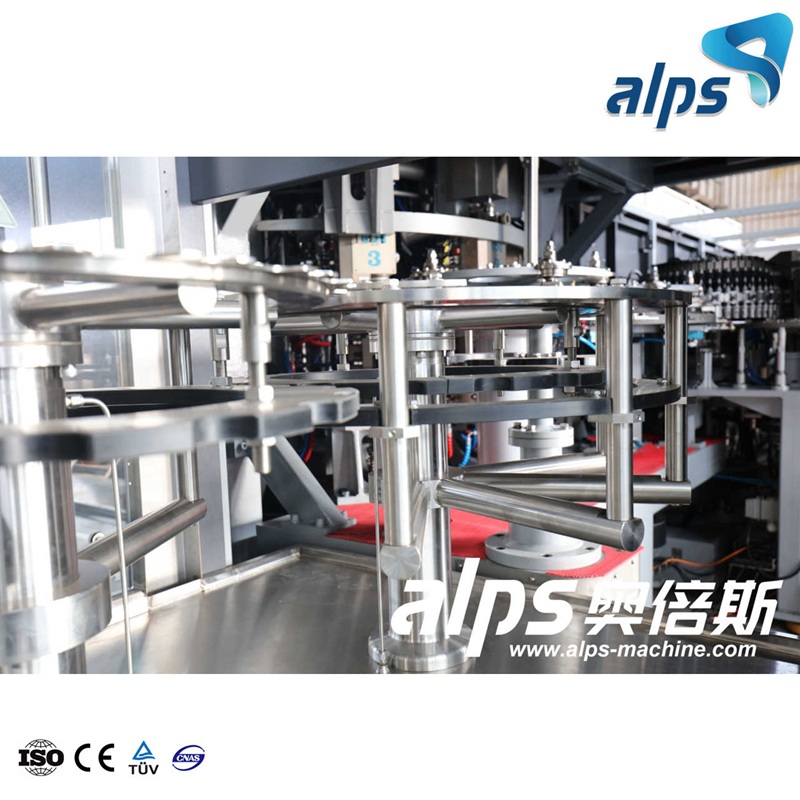
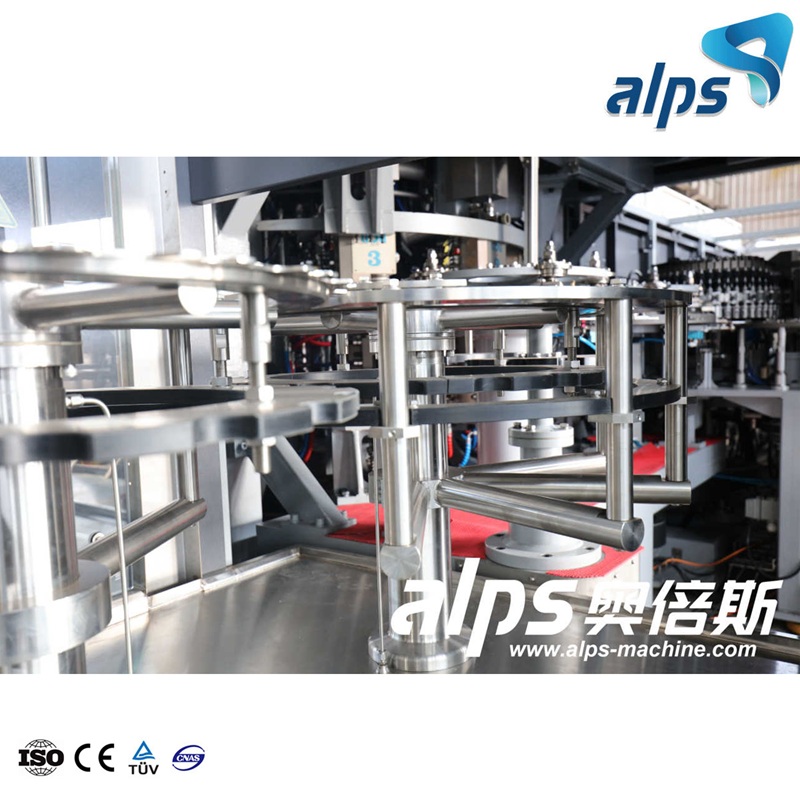
A blow-fill-cap combiblock usually starts from PET preforms. The system blows the preforms into bottles, fills them with water, and caps them in one integrated block.
This design reduces empty bottle conveying. It can also lower the risk of bottle deformation, dust exposure, and bottle jams between separate machines.
This type of combiblock is common in modern PET bottled water plants, especially when the producer wants high automation, compact layout, and stable production.
Rinser-Filler-Capper Combiblock
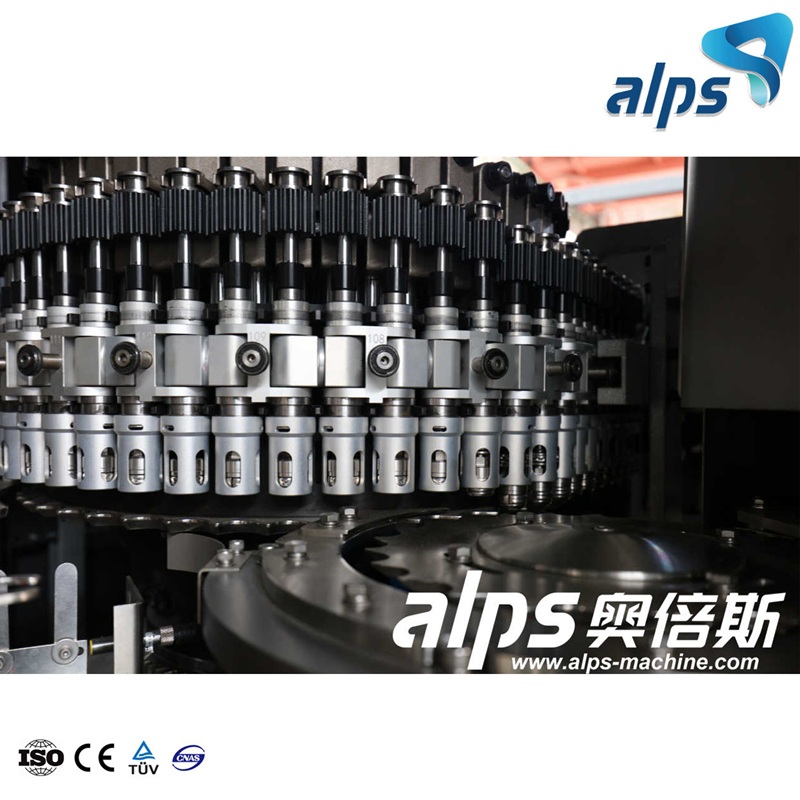
Some suppliers use “combiblock” to describe a rinser-filler-capper system. This is also commonly called a monoblock or 3-in-1 water filling machine.
In this setup, empty bottles enter the machine. They are rinsed, filled, and capped in one unit. The bottle blowing process is separate, or the factory may buy ready-made empty bottles.
This option is common for small and medium bottled water plants. It is easier to understand, easier to operate, and usually more affordable than a full blow-fill-cap block.
Why the Definition Matters
The definition affects price, layout, utilities, and project scope. A blow-fill-cap combiblock needs preform handling, molds, high-pressure compressed air, and bottle design support.
A rinser-filler-capper combiblock needs empty bottle feeding, rinsing water, filling valves, cap sorting, and capping heads.
Both can be useful, but they are not the same. Before signing a contract, ask the supplier to list every included process in writing.
What Is a Water Filling Line?
A
water filling line is not just one machine. It is the complete or semi-complete system used to produce bottled water.
A complete water filling line may include water treatment, bottle blowing, rinsing, filling, capping, labeling, date coding, inspection, shrink wrapping, carton packing, palletizing, and conveyor systems.
KHS, another major beverage equipment company, presents still water line solutions as full production systems that may include PET processing, filling, labeling, packing systems, palletizing, conveyor technology, inspection technology, and digital solutions.
This shows why the phrase water filling line has a broader meaning than a single filling machine.
Typical Equipment in a Complete Water Filling Line
| Section | Common Equipment | Main Purpose |
| Water treatment | Filters, RO system, UV, ozone, storage tanks | Prepare safe product water |
| Bottle production | Preform feeder, bottle blower, air system | Produce PET bottles |
| Main filling section | Rinser, filler, capper, combiblock | Fill and seal bottles |
| Labeling and coding | Labeler, date coder, inkjet printer | Add brand and traceability |
| Inspection | Level checker, cap checker, leak detector | Control product quality |
| Packaging | Shrink wrapper, carton packer, palletizer | Prepare bottles for distribution |
| Conveying | Air conveyor, bottle conveyor, pack conveyor | Connect all machines |
A water filling line can be simple or highly automated. The right configuration depends on capacity, bottle type, packaging format, labor cost, factory space, and future expansion plans.
Is a Combiblock the Same as a Water Filling Line?
No, not always.
A combiblock is usually the core integrated machine block. A water filling line is the larger production system around it.
Think of the combiblock as the heart of the production area. It may handle blowing, filling, and capping, or rinsing, filling, and capping. But the full line may still need water treatment, labeling, packaging, conveyors, inspection systems, and utilities.
This difference is important when comparing supplier quotations. One quotation may include only the main combiblock. Another may include a turnkey water filling line with installation, training, spare parts, and after-sales support.
If the price difference looks large, the scope may not be the same.
Combiblock vs Water Filling Line: Key Differences
The table below explains the difference in a simple way.
| Factor | Combiblock | Water Filling Line |
| Meaning | Integrated machine block | Complete or semi-complete production system |
| Scope | Several key processes in one machine | Multiple machines connected together |
| Common processes | Blowing/filling/capping or rinsing/filling/capping | Treatment, blowing, filling, labeling, packing, inspection |
| Footprint | Usually compact | Depends on full layout |
| Flexibility | Best for stable PET bottle production | Better for different bottle sizes and packaging formats |
| Expansion | Limited by main block design | Easier to upgrade module by module |
| Buying focus | Machine configuration | Complete project solution |
| Best use | Compact, automated PET bottling | Full bottled water plant planning |
The best choice is not always the most advanced machine. It is the system that matches your real production needs.
How Does a Combiblock Water Filling Line Work?
A combiblock water filling line connects an integrated block with upstream and downstream machines. The exact process depends on the type of combiblock.
Step 1: Preform or Bottle Feeding
In a blow-fill-cap combiblock, PET preforms enter the system first. They are heated and blown into bottles before filling.
In a rinser-filler-capper combiblock, empty bottles enter the machine directly. These bottles may come from a separate bottle blower or from purchased empty bottle supply.
Step 2: Bottle Blowing or Rinsing
If the system includes blowing, the bottle is formed inside the block. If the system starts from empty bottles, the bottles are rinsed before filling.
Rinsing helps remove dust and particles from the bottle interior. For bottled water, this step is important because the product has a clean taste and usually contains no strong flavor to hide contamination problems.
Step 3: Water Filling
The filling section transfers treated water into bottles. Still water is commonly filled by gravity, normal pressure, or electronic filling systems, depending on machine design and output.
The goal is stable filling volume, low splash, accurate liquid level, and clean product contact.
Step 4: Cap Sorting and Capping
Caps are lifted, sorted, and sent to the capping area. The capping heads apply the cap with controlled torque.
Good capping is critical. A loose cap may cause leakage. A cap that is too tight may affect customer experience.
Step 5: Labeling and Packaging Connection
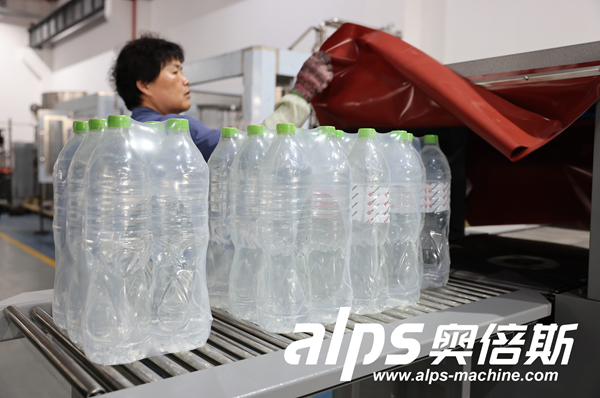
After capping, bottles normally move to labeling, date coding, inspection, shrink wrapping, carton packing, or palletizing.
This is why a combiblock should be planned together with the full water filling line. If the downstream packaging speed is too low, it can reduce the performance of the entire system.
Common Misunderstandings About Combiblock and Water Filling Line
Many purchasing mistakes come from unclear definitions. Here are the most common ones.
Misunderstanding 1: A Combiblock Is Always a Complete Line
A combiblock may be the most important machine in the production area, but it is not always a complete water filling line.
Unless the supplier clearly says so, it may not include water treatment, labeling, packaging, air compressors, conveyors, or installation.
Misunderstanding 2: Every Combiblock Includes Bottle Blowing
Not every combiblock includes bottle blowing. Some systems start from preforms. Others start from empty bottles.
This single difference can change the whole project design.
Misunderstanding 3: A Water Filling Line Means Only Filling
A water filling line usually includes much more than filling. It is a connected production system.
For a real bottled water plant, you also need to consider hygiene, bottle supply, cap supply, label type, packaging method, storage, utilities, and labor.
Misunderstanding 4: Higher Speed Always Means Better ROI
A faster machine is not always a better investment. If the labeler, shrink wrapper, palletizer, or water treatment system cannot match the same speed, the line will still be limited.
The true capacity of a water filling line is decided by the slowest stable process.
Misunderstanding 5: Hygiene Depends Only on the Filling Machine
Hygiene is a full-line issue. Equipment design, water-contact materials, cleaning procedures, container inspection, capping quality, and product testing all matter.
FDA regulations for bottled drinking water require equipment and product water contact surfaces to be suitable, cleanable, and sanitizable. They also address treatment, container sanitation, filling, capping, inspection, and production records.
When Should You Choose a Combiblock?
A combiblock is a strong choice when your production plan is clear and stable.
It is especially suitable for PET bottled water plants that produce a limited number of bottle sizes. If your main products are 330 ml, 500 ml, 1 L, or 1.5 L PET bottles, a combiblock can simplify the production process.
It is also useful when factory space is limited. Because several processes are integrated into one block, the layout can be more compact than a traditional separated system.
Choose a combiblock when you want:
A compact production layout
Fewer transfer points between machines
Stable PET bottle production
Higher automation
Less empty bottle handling
Easier synchronization
A new plant with clear capacity goals
A combiblock is not just about speed. Its value comes from integration, consistency, and simplified operation.
When Should You Choose a Modular Water Filling Line?
A modular water filling line is better when your production needs are more complex.
For example, you may need to handle many bottle sizes, special bottle shapes, glass bottles, sports caps, large bottles, or different packaging formats. In these cases, separate modules can give you more flexibility.
A modular line is also practical for factory upgrades. If you already own a bottle blower, labeler, or packaging machine, you may not need to replace everything. You can upgrade only the bottleneck equipment.
Choose a modular water filling line when you need:
Multiple bottle sizes or shapes
PET and glass bottle production
Frequent product changeovers
Future capacity expansion
Existing equipment integration
Custom factory layout
Complex packaging formats
Step-by-step investment
The modular approach may need more space and more line integration work. But it can offer better long-term flexibility.
How to Choose the Right Solution for Your Bottled Water Plant
The best solution depends on your product, market, budget, and expansion plan. Before comparing prices, answer the following questions.
Confirm Your Bottle Type
Are you using PET bottles, glass bottles, gallon bottles, or barrels? A blow-fill-cap combiblock is mainly designed for PET bottles. Glass bottles usually need a different handling and washing system.
Confirm Your Target Capacity
Capacity is usually measured in bottles per hour, or BPH. A small plant may need 2,000 to 5,000 BPH. A larger factory may need 12,000 BPH or more.
Do not choose capacity based only on today’s orders. Consider seasonal demand, working shifts, distributor requirements, and future growth.
Confirm What Is Included
Ask the supplier whether the quotation includes:
A lower price may simply mean a smaller scope.
Confirm Factory Layout
Machine layout affects production efficiency. You need enough space for equipment, operators, maintenance access, raw materials, finished goods, drainage, and compressed air lines.
A good supplier should provide a layout drawing before production starts.
Buying Checklist for a Combiblock or Water Filling Line
Use this checklist before asking for a final quotation.
| Question | Why It Matters |
| Does the combiblock include bottle blowing? | Defines the real machine scope |
| Does the system start from preforms or empty bottles? | Affects front-end equipment |
| What bottle sizes are supported? | Affects molds, star wheels, and change parts |
| What is the target BPH? | Determines machine model and layout |
| Is water treatment included? | Affects total project cost |
| What label type will be used? | Determines labeling machine selection |
| What packaging format is required? | Affects downstream equipment |
| Is future expansion planned? | Helps choose integrated or modular design |
| Are spare parts included? | Reduces maintenance risk |
| Is installation and training included? | Affects startup success |
FAQ About Combiblock vs Water Filling Line
What is a combiblock in bottled water production?
A combiblock is an integrated machine block that combines several production steps, such as blowing, filling, and capping, or rinsing, filling, and capping.
Is a combiblock the same as a 3-in-1 water filling machine?
Not always. A 3-in-1 machine usually means rinsing, filling, and capping. A combiblock may also mean blowing, filling, and capping, depending on the supplier.
Is a combiblock a complete water filling line?
Usually, no. A combiblock is often the core machine. A complete water filling line may also include water treatment, labeling, coding, packaging, conveyors, and inspection systems.
Which is better, combiblock or modular water filling line?
A combiblock is better for compact, automated, stable PET bottled water production. A modular line is better for multiple bottle formats, factory upgrades, and future expansion.
Can a combiblock be used for glass bottles?
A blow-fill-cap combiblock is mainly for PET bottles. Glass bottle production usually requires separate washing, filling, and capping equipment.
Conclusion: Know the Scope Before You Buy
The phrase Combiblock vs Water Filling Line is attractive because many buyers compare these two terms during equipment research. But they are not equal categories.
A combiblock is usually an integrated machine block. A water filling line is the broader production system around the machine.
Before choosing, confirm your bottle type, capacity, factory layout, hygiene requirements, packaging format, and future expansion plan. Most importantly, ask your supplier to clearly explain what is included in the quotation.
If you are planning a new bottled water plant or upgrading an existing production system, contact our engineering team. Share your bottle size, target capacity, factory layout, and packaging needs. We can help you design the right combiblock or complete water filling line solution for your project.