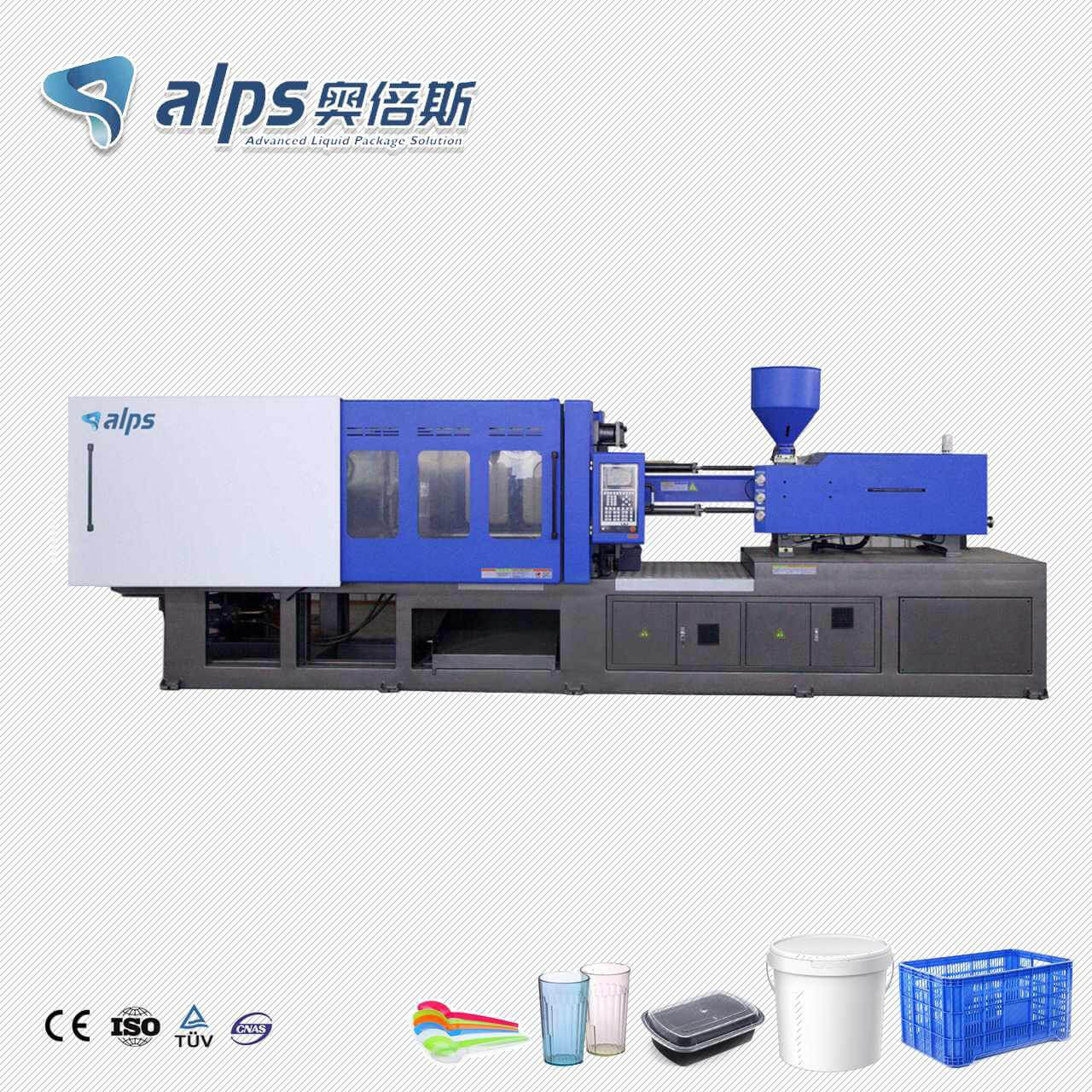
Advanced Liquid Package Solution
Any question?
Get in touch


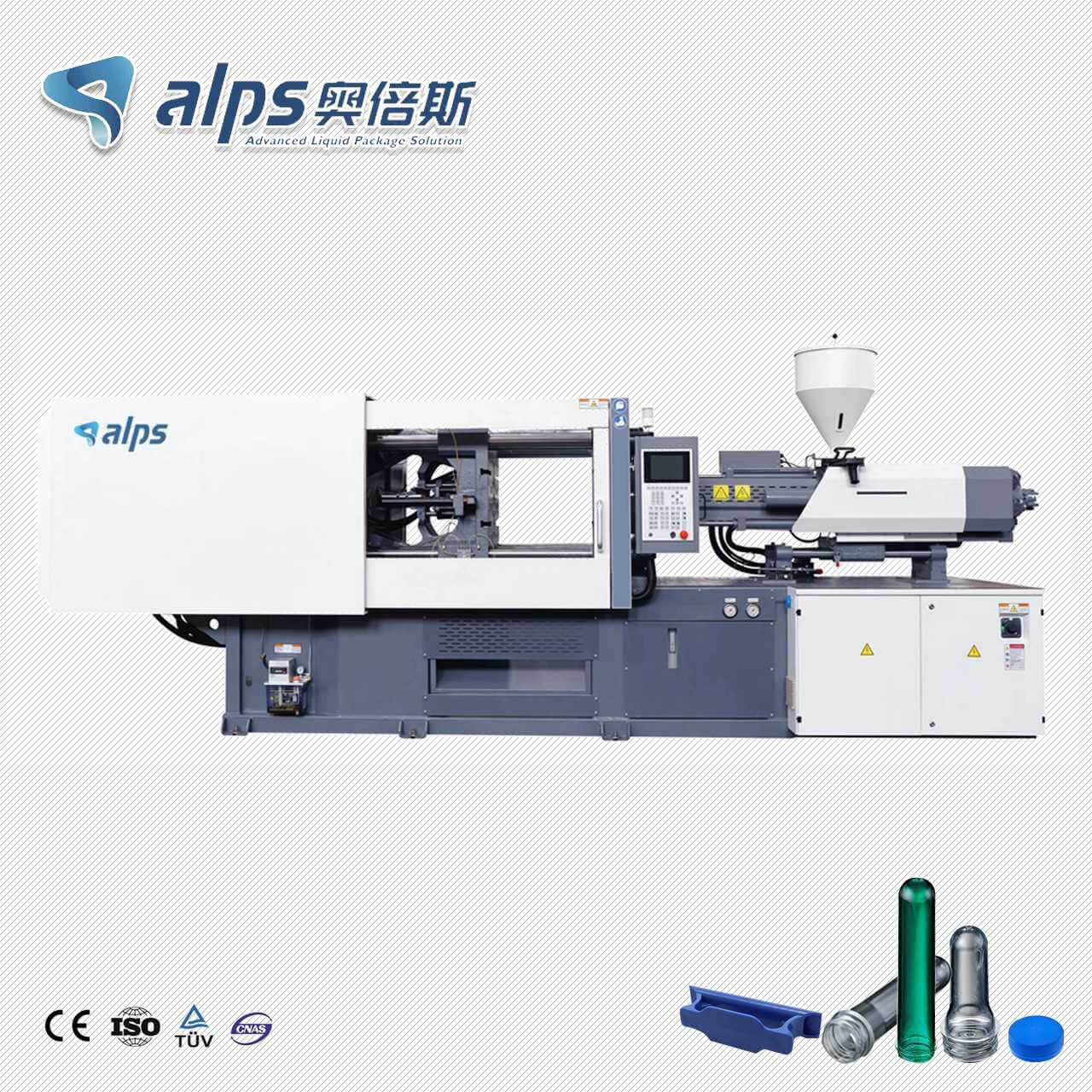
Properly setting up an injection molding machine is critical to achieving consistent product quality, high production efficiency, and long-term equipment reliability. Whether you are producing automotive components, consumer goods, or packaging materials, the setup process directly impacts cycle time, defect rates, and overall operational costs.
Incorrect setup can lead to issues such as short shots, warping, flashing, or even machine damage. In high-demand industries like beverage packaging—especially within water bottling production lines—precision setup is even more important. Injection molding machines are used to produce PET preforms and bottle caps, both of which require tight tolerances and consistent quality to ensure downstream efficiency.
In this guide, we will walk through the complete process of setting up an injection molding machine, from preparation to optimization.
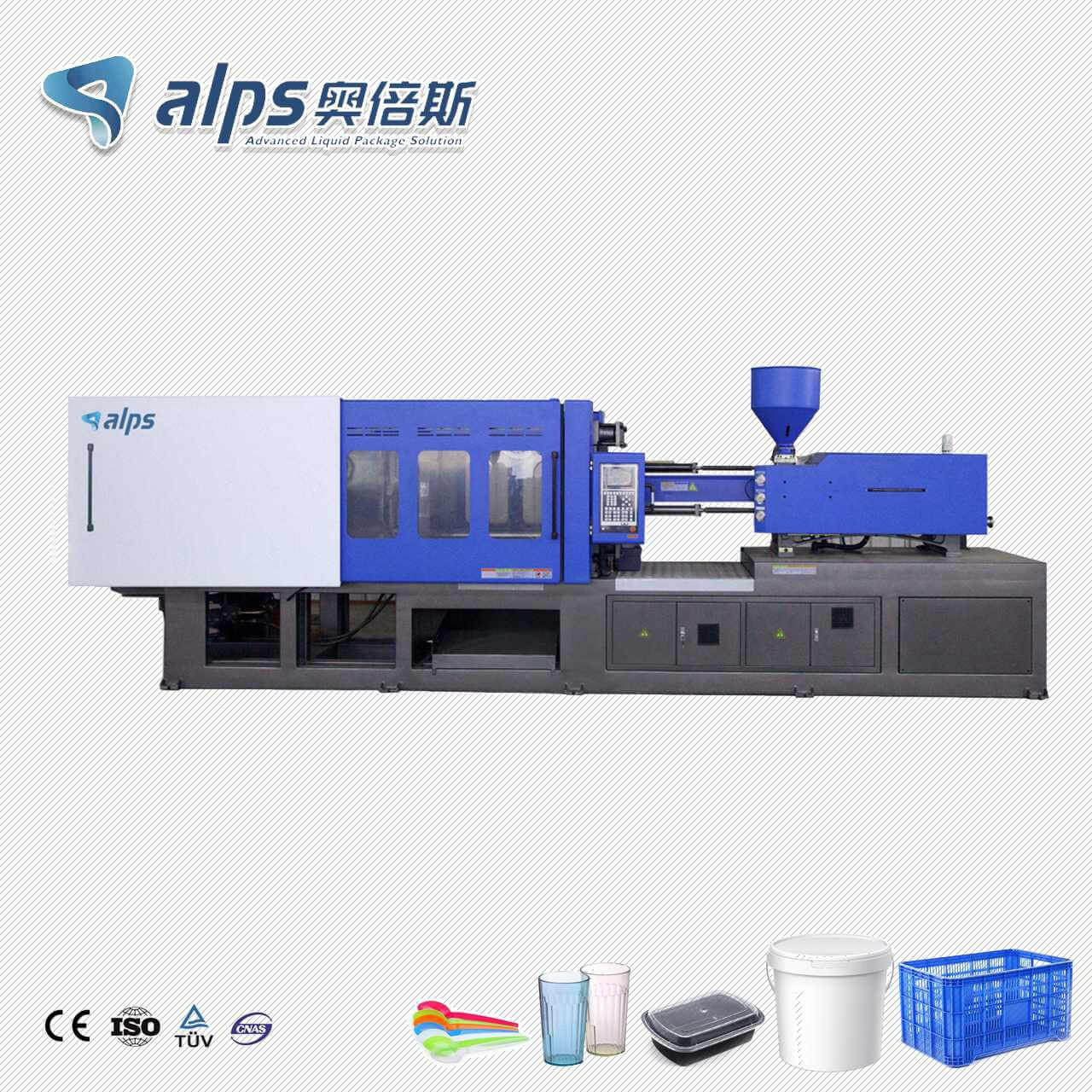
Before starting the setup, it is essential to understand the main components of the machine and how they work together.
Injection Unit: Melts and injects plastic material into the mold
Clamping Unit: Holds the mold securely during injection
Mold System: Shapes the final product
Control System (PLC): Manages temperature, pressure, speed, and timing
The injection molding process follows a cycle:
Plastic material is fed into the barrel
The material is heated and melted
Molten plastic is injected into the mold
The part cools and solidifies
The mold opens and ejects the product
Understanding this workflow helps operators set appropriate parameters at each stage.
Preparation is a crucial step that ensures smooth operation and reduces the risk of errors.
Ensure the machine is clean and free of debris
Verify that all moving parts are properly lubricated
Inspect for wear or damage
Choose the correct plastic material based on the product:
PET: Common for beverage preforms
PP: Used for caps and closures
Ensure the material is properly dried, especially for moisture-sensitive plastics like PET.
Confirm the mold size matches the machine specifications
Check that mounting holes and connections align correctly
Inspect the mold for cleanliness and damage
Injection molding machines require several utilities:
Stable power supply
Cooling water system
Compressed air (if needed)
Proper utility setup ensures consistent machine performance.
The mold is the most critical component in the setup process.
Place the mold onto the clamping unit
Secure it using bolts and clamps
Ensure it is firmly fixed to prevent movement during operation
Proper alignment ensures:
Even pressure distribution
Accurate product dimensions
Misalignment can lead to defects such as flashing or uneven thickness.
Adjust the clamping force based on:
Mold size
Injection pressure
Too low → material leakage
Too high → unnecessary machine stress
Attach water lines to the mold’s cooling system to regulate temperature and improve cycle time.
Once the machine and mold are installed, the next step is to configure process parameters.
Set barrel temperatures for different zones
Adjust mold temperature based on material requirements
For example:
PET requires precise temperature control to avoid degradation
Injection pressure determines how the molten plastic fills the mold
Speed affects flow behavior and surface quality
Holding pressure compensates for material shrinkage during cooling.
Too low → sink marks
Too high → stress and deformation
Cooling time must be sufficient for the part to solidify without deformation.
Too short → warping
Too long → reduced efficiency
Screw speed affects material melting
Back pressure ensures uniform material mixing
Proper adjustment improves product consistency.
After initial setup, trial runs are necessary to fine-tune the process.
Start with small batches to evaluate performance.
Inspect parts for:
Dimensional accuracy
Surface finish
Defects (e.g., bubbles, flash, short shots)
Based on test results, fine-tune:
Temperature
Pressure
Timing
Optimize cycle time to balance:
Production efficiency
Product quality
Continue adjustments until the machine operates consistently with minimal defects.
Injection molding machines play a vital role in water bottling systems.
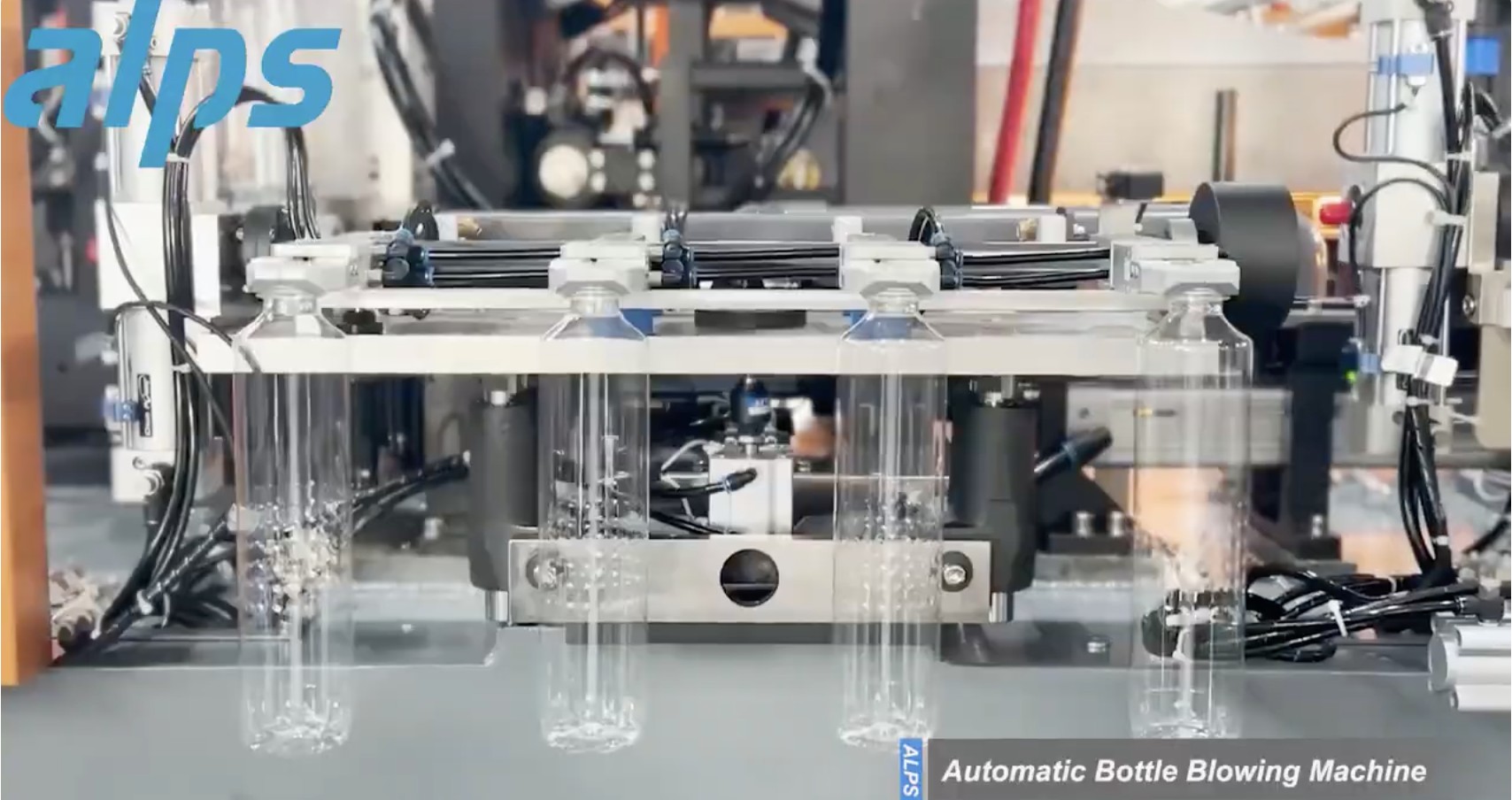
The machine is used to produce PET preforms, which are later transformed into bottles through stretch blow molding.
Importance:
Preform quality directly affects bottle strength and clarity
Precise setup ensures uniform wall thickness and weight
Injection molding is also used to produce bottle caps and closures.
Requirements:
High precision
Tight sealing performance
In a typical water bottling line:
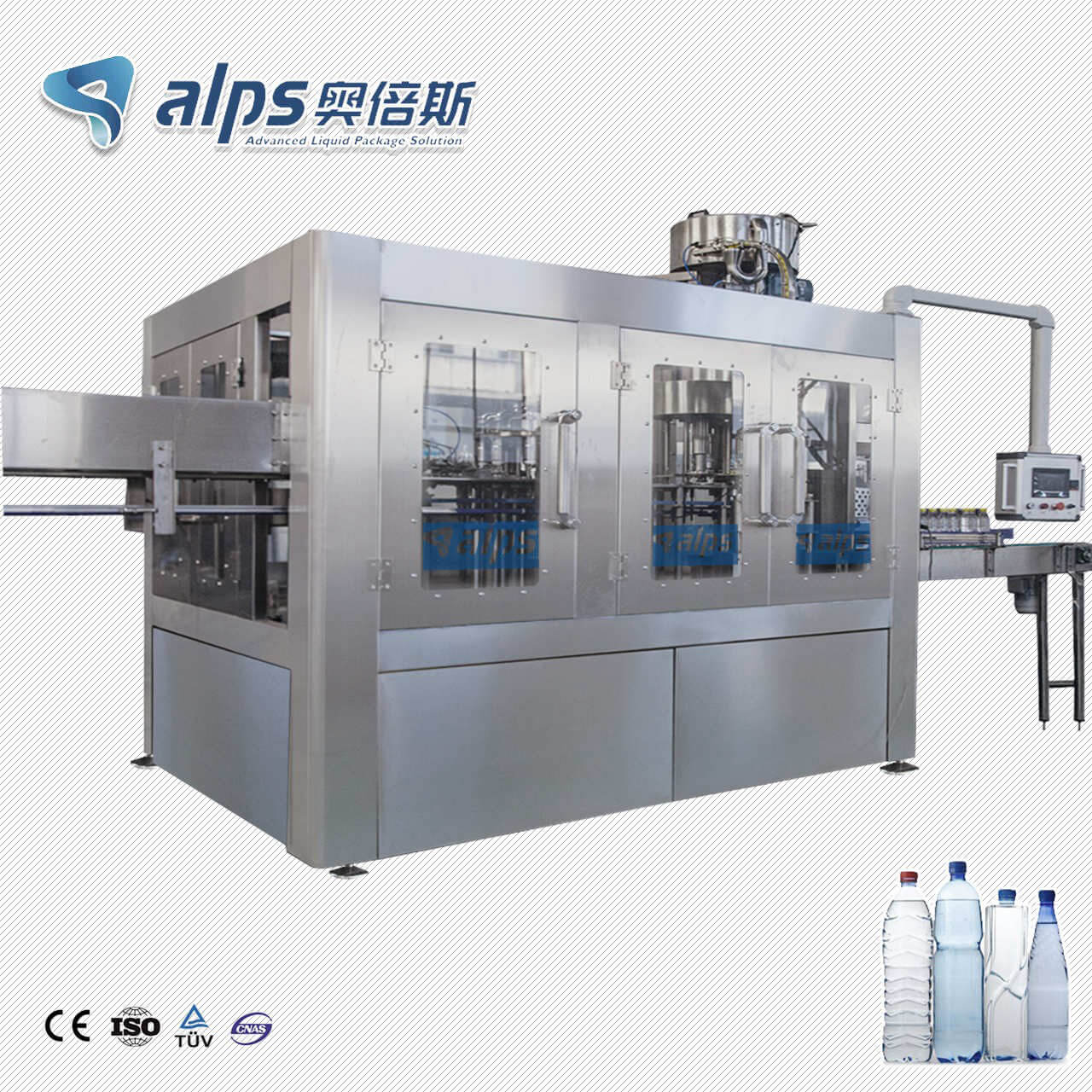
Injection molding → Preform → Blow molding → Bottle → Filling → Packaging
A properly set up injection molding machine ensures smooth downstream operations and high production efficiency.
Safety and maintenance are essential for long-term performance.
Follow proper procedures when handling molds
Avoid contact with high-temperature components
Use protective equipment
Regularly check:
Valves and seals
Heating elements
Hydraulic or electric systems
Clean the machine regularly
Lubricate moving parts
Replace worn components
Be prepared to address:
Material flow problems
Temperature inconsistencies
Mechanical misalignment
Quick response minimizes downtime.
Setting up an injection molding machine is a detailed and technical process that requires careful attention to machine condition, mold installation, parameter configuration, and process optimization. A properly set up machine ensures high-quality products, efficient production, and reduced operational costs.
In industries such as water bottling, where injection molding is used to produce PET preforms and caps, precision setup is especially critical. It directly impacts the performance of downstream processes like blow molding and filling.
By following a structured setup approach and maintaining regular monitoring and maintenance, manufacturers can achieve stable, high-performance production and remain competitive in today’s demanding market.



By continuing to use the site you agree to our privacy policy Terms and Conditions.