Advanced Liquid Package Solution
Any question?
Get in touch


Injection molding is one of the most important manufacturing processes for producing plastic parts at scale. It is widely used across industries such as automotive, electronics, medical devices, and packaging. Because of its versatility and efficiency, injection molding technology has evolved into various machine types designed to meet different production needs.
So, how many types of injection molding machines are there? The answer is not limited to a single number. Injection molding machines can be classified in several ways—by drive system, clamping mechanism, injection unit design, machine orientation, and specialized applications. Understanding these classifications is essential for selecting the right machine, optimizing production efficiency, and controlling costs.
In this article, we will explore the main types of injection molding machines and how they differ in structure, performance, and application.
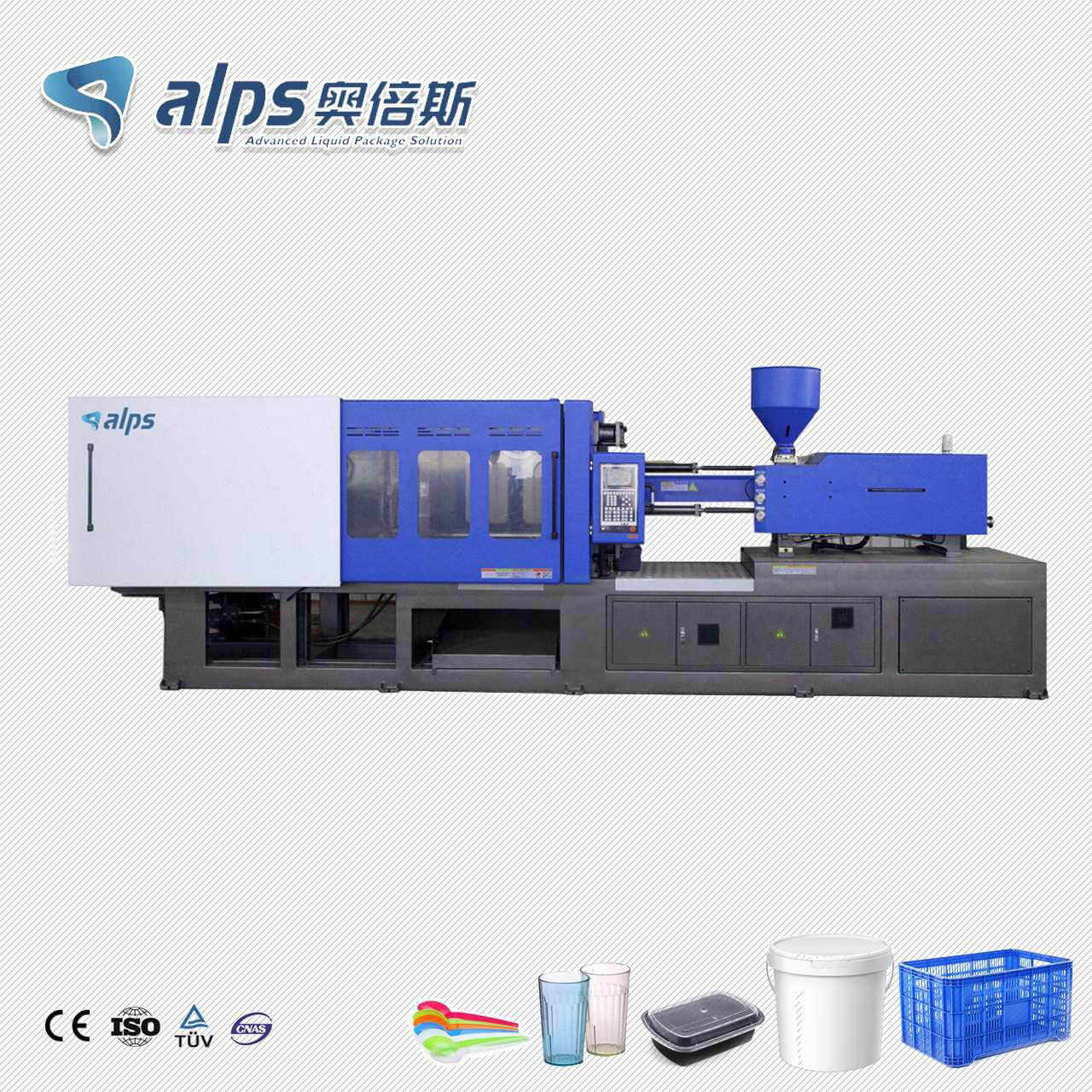
One of the most common ways to categorize injection molding machines is based on their drive system, which determines how the machine generates force and movement.
Hydraulic machines use hydraulic fluid to generate pressure for injection and clamping.
Advantages:
High القوة and durability
Suitable for large and complex parts
Lower initial cost
Disadvantages:
Higher energy consumption
Less precise control compared to electric machines
Electric machines use servo motors to control all movements.
Advantages:
High precision and repeatability
Energy-efficient
Clean operation (no oil leakage)
Faster cycle times
Disadvantages:
Higher upfront cost
Hybrid machines combine hydraulic and electric systems.
Advantages:
Balance between power and precision
Improved energy efficiency compared to hydraulic machines
Suitable for a wide range of applications
The clamping unit is responsible for holding the mold closed during injection. Machines can be categorized based on how this force is generated.
These machines use a mechanical toggle system to generate clamping force.
Features:
Fast operation
Energy-efficient
Suitable for high-speed production
These machines use hydraulic cylinders for clamping.
Features:
Adjustable clamping force
Suitable for large molds
More flexible for different applications
Toggle systems are faster and more energy-efficient
Hydraulic systems offer greater flexibility and القوة
The injection unit determines how plastic material is melted and injected into the mold.
This is the most widely used design.
How it works:
A rotating screw melts and conveys plastic
The screw moves forward to inject molten material
Advantages:
Efficient melting
Uniform material mixing
Suitable for most applications
An older and less common design.
How it works:
A plunger pushes molten plastic into the mold
Limitations:
Less efficient mixing
Lower consistency
Injection molding machines can also be classified based on their physical orientation.
These are the most common type.
Features:
Mold opens horizontally
Easy automation and integration
Suitable for high-volume production
In these machines, the mold opens vertically.
Features:
Ideal for insert molding
Saves floor space
Easier manual operation
Horizontal machines are preferred for mass production
Vertical machines are better for specialized applications
In addition to standard machines, there are specialized types designed for specific applications.
These machines can inject multiple materials or colors into a single product.
Applications:
Consumer goods
Automotive components
Designed for producing extremely small and precise parts.
Applications:
Medical devices
Electronics
Optimized for rapid production cycles.
Applications:
Packaging industry
Thin-wall products
These machines are specifically designed to produce PET preforms.
Applications:
Beverage and water bottling industry
Injection molding machines are used across a wide range of industries.
Producing complex plastic components
High precision requirements
Sterile and high-quality production
Lightweight packaging solutions
Injection molding plays a critical role in water bottling lines.
PET Preform Manufacturing
Machines produce PET preforms, which are later expanded into bottles using blow molding.
Cap and Closure Production
Injection molding is used to manufacture:
Bottle caps
Sealing components
These parts must meet strict standards for safety and performance.
Selecting the right injection molding machine depends on several factors.
Shape and complexity
Material type
Low volume → simpler machines
High volume → high-speed or automated machines
Hydraulic machines → lower cost
Electric machines → long-term savings
Ensure the machine can handle the specific plastic material you plan to use.
So, how many types of injection molding machines are there? The answer depends on how you classify them. By drive system alone, there are three main types—hydraulic, electric, and hybrid. However, when you consider clamping mechanisms, injection unit designs, machine orientations, and specialized applications, the number of types expands significantly.
Each type of injection molding machine is designed to meet specific production needs, from high-speed packaging to precision medical components. In industries such as water bottling, specialized machines like PET preform injection systems are essential for efficient and large-scale production.
Understanding these different types allows manufacturers to make informed decisions, optimize production processes, and achieve better product quality. As technology continues to evolve, injection molding machines will become even more efficient, precise, and adaptable to the demands of modern manufacturing.



By continuing to use the site you agree to our privacy policy Terms and Conditions.