Advanced Liquid Package Solution
Any question?
Get in touch


Water quality plays a critical role in industries such as bottled water production, beverage manufacturing, food processing, pharmaceuticals, and wastewater treatment. To ensure clean and safe water, manufacturers use advanced purification and disinfection technologies. Among these technologies, ozone water treatment has become one of the most effective and environmentally friendly solutions.
Ozone generators are widely used in industrial water treatment systems because ozone is a powerful oxidizing agent capable of killing bacteria, viruses, and microorganisms while also removing odors, color, and organic contaminants from water. Compared with traditional chemical disinfection methods, ozone treatment leaves no harmful chemical residue and provides highly efficient sterilization performance.
In this article, we will explain how ozone generators work in water treatment, the main components of ozone systems, their benefits, applications, and how they are integrated into modern beverage and bottled water production lines.
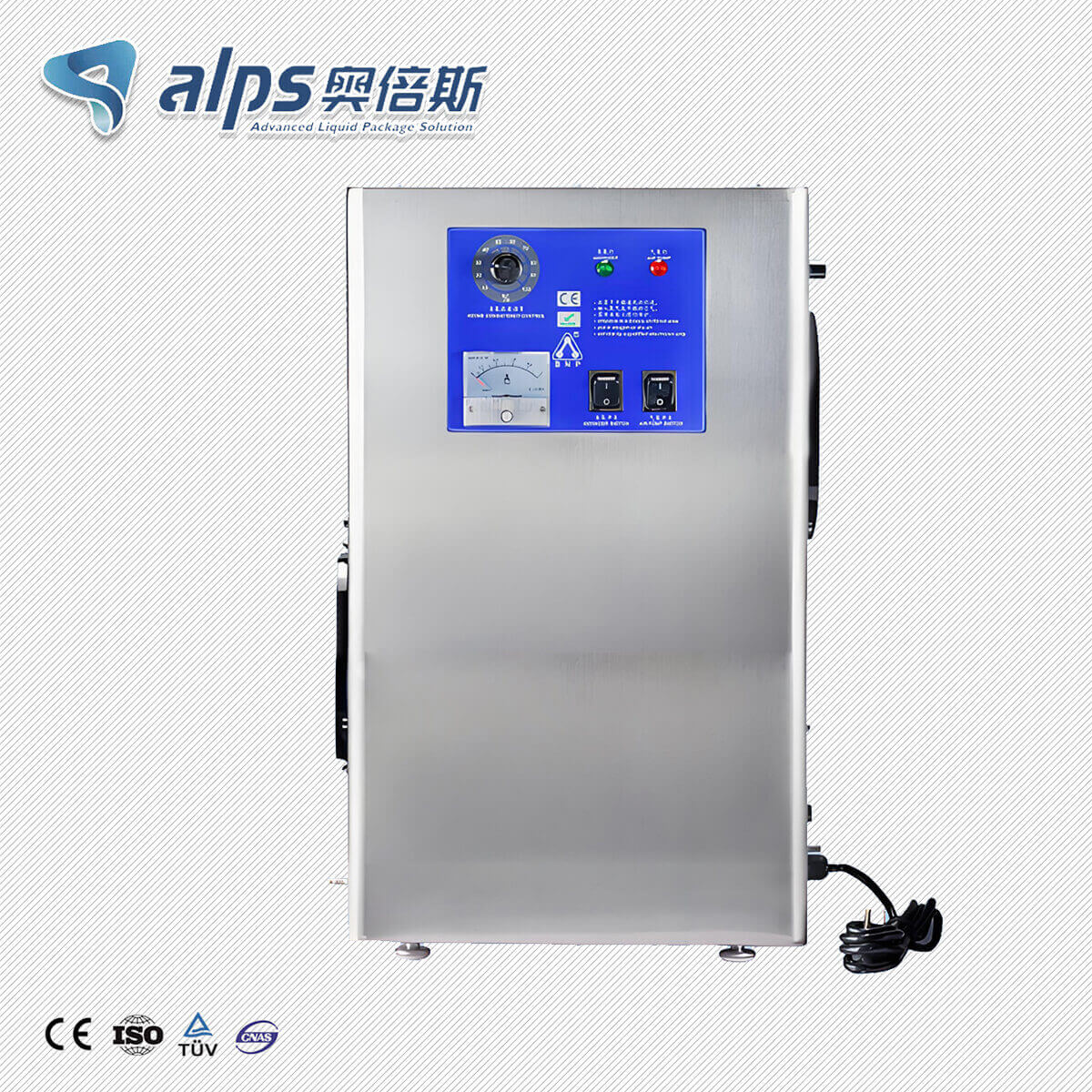
Ozone (O₃) is a gas composed of three oxygen atoms. It is naturally present in the Earth's atmosphere and is known for its strong oxidation properties. In water treatment applications, ozone is generated artificially using specialized ozone generators.
When dissolved into water, ozone reacts quickly with microorganisms, organic matter, and dissolved contaminants. This process disinfects the water and improves overall water quality.
Ozone water treatment is widely used because it:
Provides powerful sterilization
Removes odors and color
Improves water clarity
Breaks down organic pollutants
Reduces chemical usage
Enhances product safety in beverage manufacturing
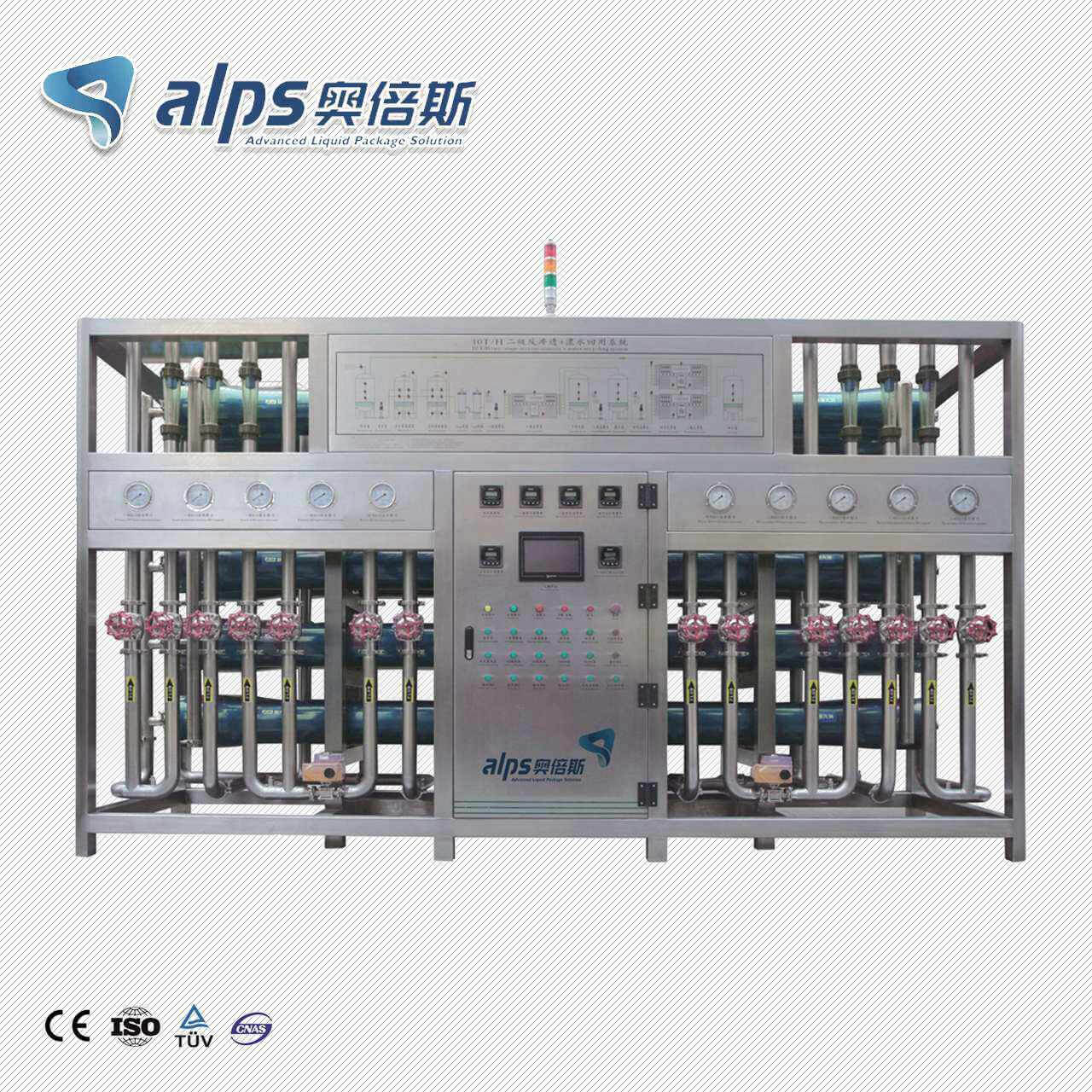
Today, ozone systems are commonly integrated with RO water treatment systems and beverage filling lines to create complete automated production solutions.
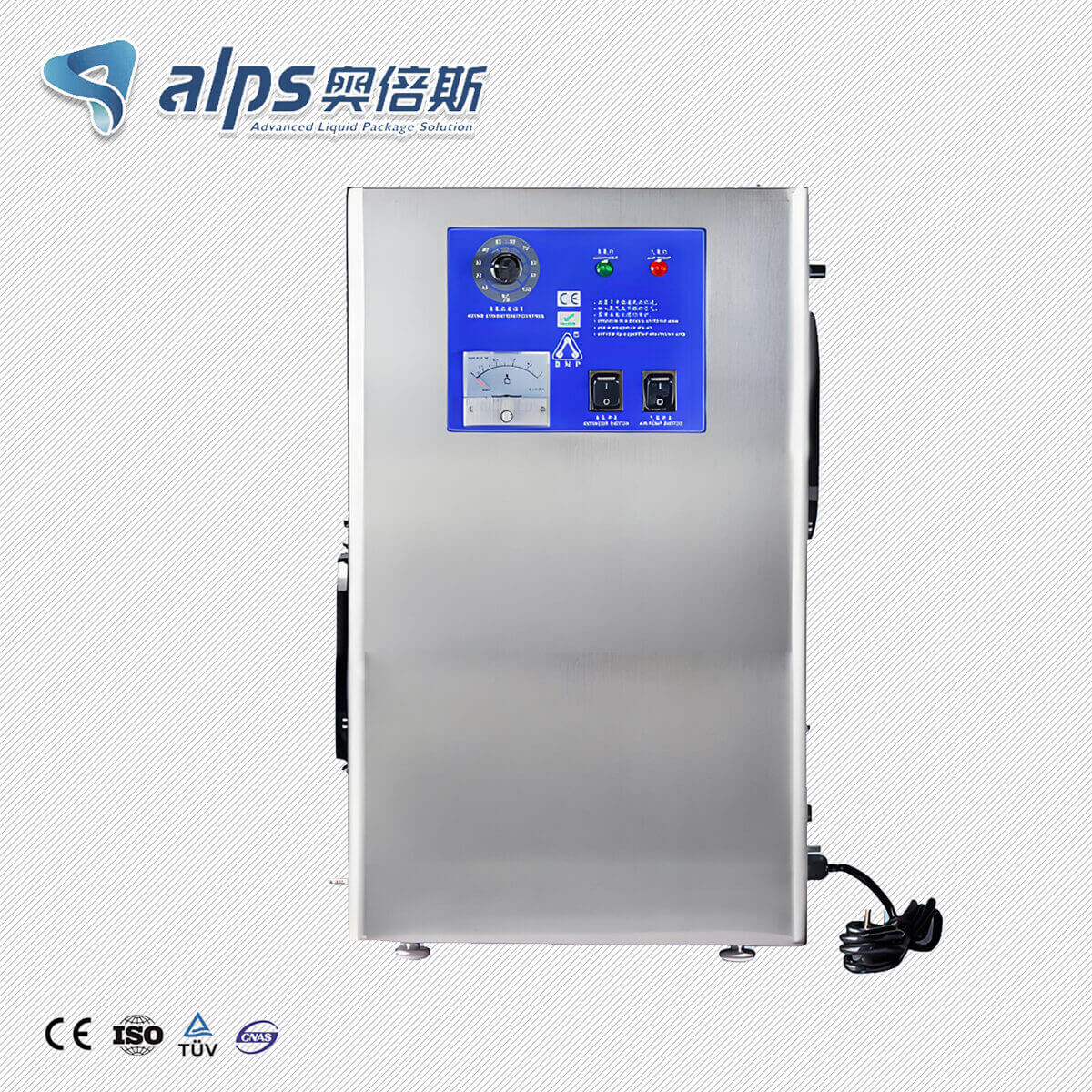
An ozone generator is a machine designed to produce ozone gas from oxygen or dry air. The generated ozone is then injected into water for purification and disinfection purposes.
Unlike chlorine-based systems, ozone treatment does not rely on chemical storage or dosing. Instead, ozone is generated on-site and used immediately because ozone naturally decomposes back into oxygen after treatment.
The basic principle of ozone generation involves splitting oxygen molecules (O₂) into individual oxygen atoms, which then combine with other oxygen molecules to form ozone (O₃).
Industrial ozone generators are commonly used in:
Bottled water production plants
Beverage factories
Swimming pool water treatment systems
Wastewater treatment facilities
Food and pharmaceutical industries
Because ozone is highly reactive, it provides rapid and effective water sterilization while minimizing chemical residue.
The working process of an ozone water treatment system involves several important stages.
The ozone generator first produces ozone gas using either:
Corona discharge technology
Ultraviolet (UV) radiation technology
Among these methods, corona discharge is the most commonly used in industrial applications due to its higher ozone production efficiency.
In a corona discharge system, dry air or oxygen passes through a high-voltage electrical field. The electrical energy splits oxygen molecules into oxygen atoms, which then combine to form ozone gas.
The reaction can be simplified as:
O₂ + electrical energy → O + O
O + O₂ → O₃
The generated ozone gas is then transported to the water treatment system.
Once ozone is generated, it must be dissolved into water efficiently. This is typically achieved using:
Venturi injectors
Static mixers
Diffusers
Mixing pumps
The ozone gas is mixed thoroughly with water to maximize contact between ozone molecules and contaminants.
Proper ozone dissolution is essential because it directly affects sterilization efficiency and oxidation performance.
After ozone enters the water, it begins reacting with microorganisms and contaminants immediately.
Ozone destroys bacteria, viruses, mold, and other microorganisms by damaging their cell walls and internal structures. At the same time, ozone oxidizes dissolved metals, organic compounds, odors, and color-causing substances.
This process significantly improves water quality and clarity.
Because ozone is a stronger oxidant than chlorine, it works faster and more effectively in many industrial applications.
After completing the disinfection process, residual ozone naturally decomposes back into oxygen. This means ozone treatment leaves very little chemical residue in the final water product.
In beverage and bottled water production, this is especially important because it helps maintain product taste and safety.
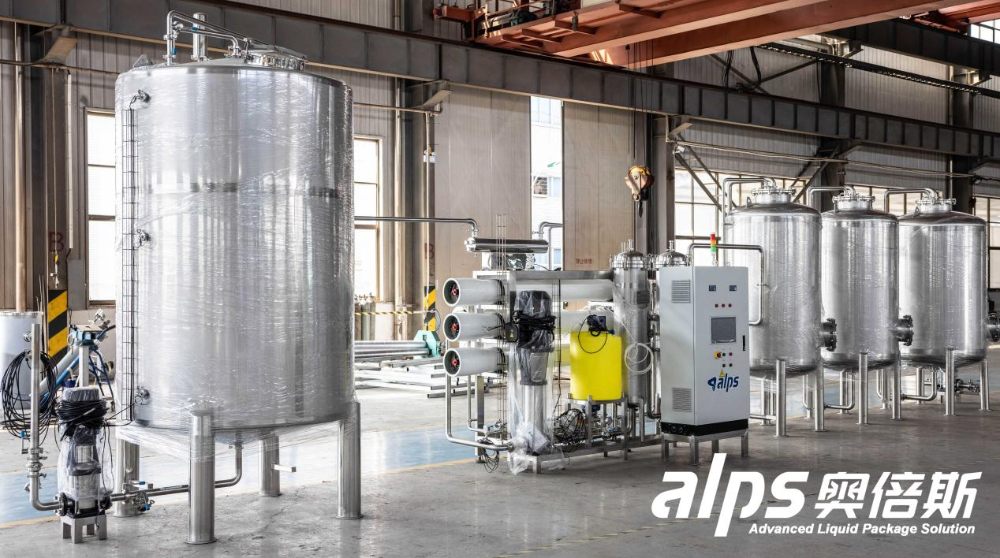
A complete ozone water treatment system consists of several key components.
High-quality ozone production requires dry and clean air or oxygen. Many industrial systems include:
Air compressors
Air dryers
Oxygen concentrators
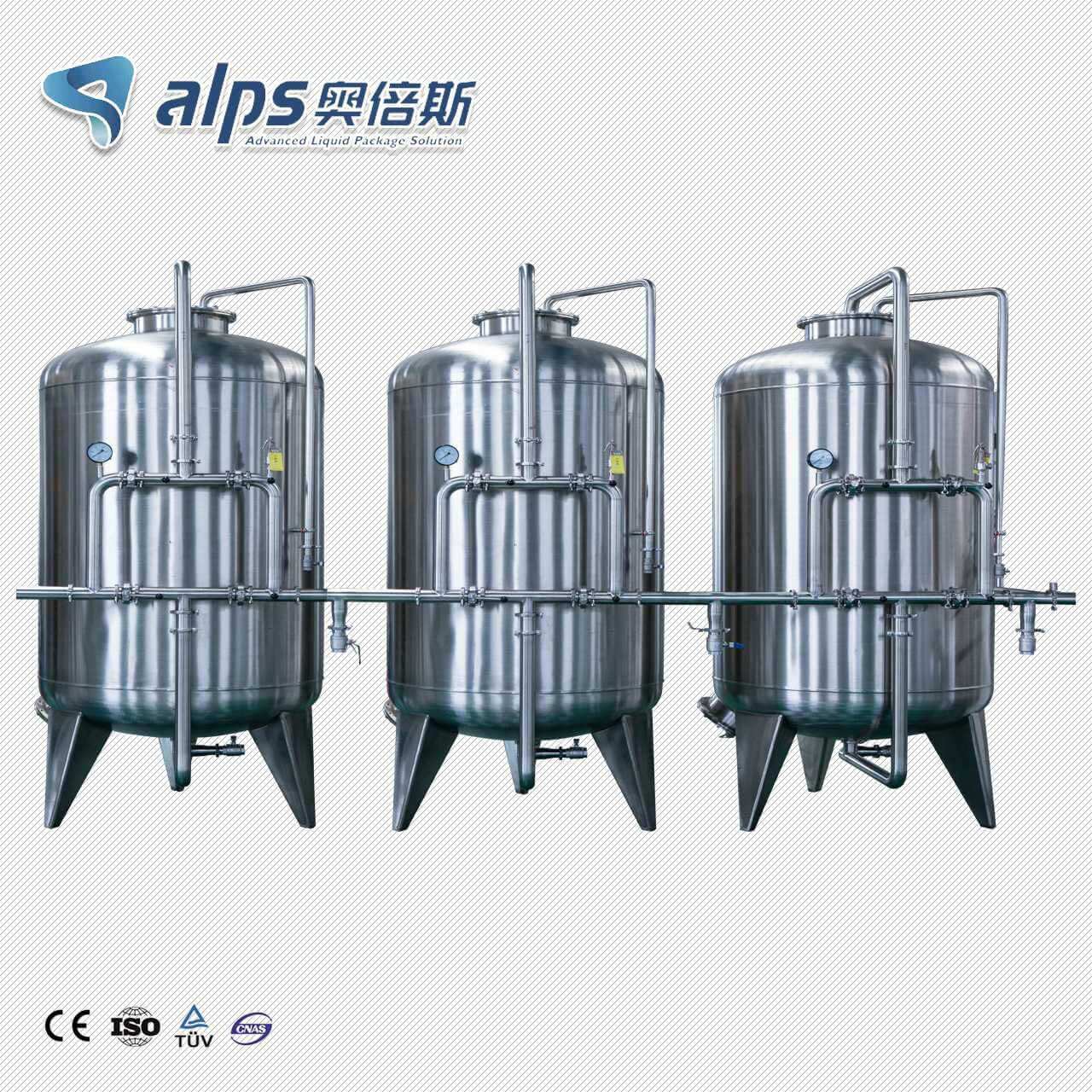
Filtration units
These components ensure stable ozone generation efficiency.
The ozone generator is the core component of the system. It produces ozone gas using corona discharge or UV technology.
Industrial ozone generators are available in different capacities depending on production requirements.
Venturi injectors or mixers are used to dissolve ozone into water efficiently.
The contact tank allows sufficient time for ozone to react with water contaminants and complete the sterilization process.
Unused ozone gas is safely destroyed before release into the environment to ensure workplace safety.
Modern ozone systems often include automated PLC control systems for monitoring ozone concentration, water flow, pressure, and operational status.
Automation improves stability and reduces manual operation.
Ozone treatment offers several major advantages compared with traditional disinfection methods.
Strong Sterilization Ability
Ozone is highly effective against bacteria, viruses, fungi, and microorganisms. It provides rapid and reliable water disinfection.
Chemical-Free Water Treatment
Unlike chlorine, ozone does not leave harmful chemical residues in water.
Improved Water Taste and Odor
Ozone removes unpleasant odors, taste issues, and color-causing substances, making it ideal for bottled water and beverage production.
Environmentally Friendly
Since ozone decomposes into oxygen, it is considered an environmentally friendly water treatment solution.
Better Product Quality
In beverage manufacturing, purified and sterilized water helps ensure stable product taste, quality, and shelf life.
Integration with Automated Production Lines
Ozone systems can be integrated seamlessly with:
Bottle blow molding machines
Beverage filling machines
Packaging systems
This creates fully automated production lines with improved efficiency and hygiene standards.
Ozone generators are widely used across many industries.
Bottled Drinking Water Production
Ozone treatment is commonly used for sterilizing purified water before bottle filling.
Beverage Industry
Juice, carbonated drinks, tea, and dairy beverage manufacturers use ozone systems to improve water quality and sanitation.
Food Processing
Food factories use ozone-treated water for cleaning equipment, raw materials, and processing applications.
Pharmaceutical Industry
Pharmaceutical production requires high-purity water and strict hygiene control. Ozone systems help meet these standards.
Swimming Pool Water Treatment
Ozone improves pool water quality while reducing chlorine consumption.
Wastewater Treatment
Industrial wastewater plants use ozone to oxidize pollutants and reduce environmental impact.
Chlorine is widely used because it is inexpensive and provides residual disinfection. However, chlorine may produce harmful byproducts and affect water taste.
Ozone offers stronger oxidation performance and cleaner water quality without chemical residue.
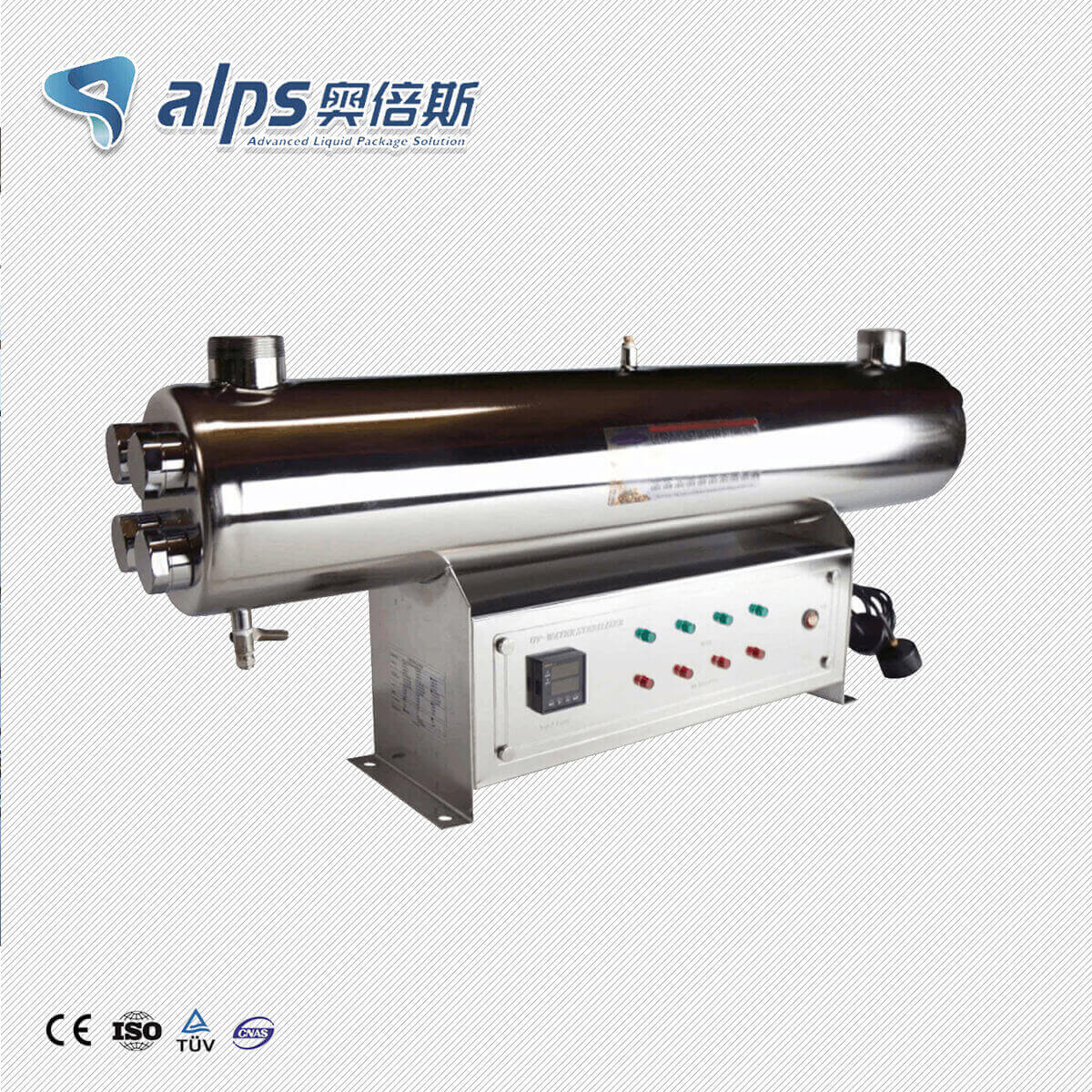
UV sterilization effectively kills microorganisms but does not remove odors, color, or dissolved contaminants.
Ozone provides both sterilization and oxidation functions, making it more versatile.
Many modern factories combine:
RO water treatment
Ozone sterilization
UV disinfection
This multi-stage approach ensures maximum water purity and product safety.
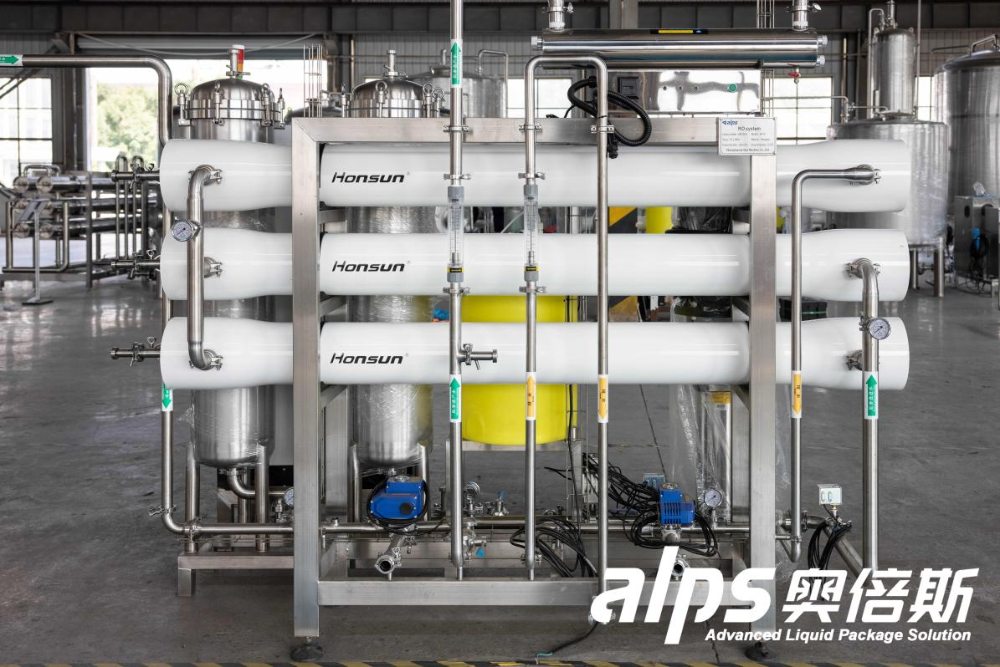
Proper maintenance is essential for stable ozone system performance.
Inspect Equipment Regularly
Operators should routinely inspect:
Ozone generator units
Injectors
Pipelines
Air dryers
Pumps
Maintain Stable Ozone Concentration
Monitoring ozone output helps ensure effective sterilization.
Prevent Ozone Leakage
Since high ozone concentrations can affect human health, proper ventilation and leak detection systems are important.
Clean Injectors and Contact Tanks
Regular cleaning prevents scaling and maintains efficient ozone transfer.
Follow Safety Standards
Industrial ozone systems should comply with workplace safety regulations and operational standards.
Proper maintenance improves equipment lifespan and reduces downtime.
Ozone generators play a vital role in modern water treatment systems. By generating ozone gas and injecting it into water, these systems provide powerful sterilization, oxidation, and purification performance without leaving harmful chemical residues.
From bottled water production to beverage manufacturing and wastewater treatment, ozone technology helps improve water quality, product safety, and operational efficiency. As automation continues to advance, more factories are integrating ozone systems with RO water treatment equipment and automated filling lines to create complete turnkey production solutions.
As a professional machinery manufacturer, Alps Machine provides integrated water treatment systems, ozone sterilization equipment, beverage filling machines, bottle blow molding machines, and complete production line solutions for the bottled water and beverage industry. By combining advanced ozone treatment technology with automated filling and packaging systems, Alps Machine helps customers achieve higher production efficiency, reliable water quality, and long-term operational stability.


By continuing to use the site you agree to our privacy policy Terms and Conditions.