Advanced Liquid Package Solution
Any question?
Get in touch


Labeling plays a key role in product identification, brand presentation, and regulatory compliance. In industries such as food, beverage, pharmaceuticals, and chemicals, accurate labeling is not optional—it is essential. However, manual labeling often leads to low efficiency and inconsistent results. Therefore, many manufacturers rely on an automatic labeling machine to improve speed, accuracy, and overall productivity. With advanced technology, modern labeling systems help businesses maintain consistency and reduce labor costs.
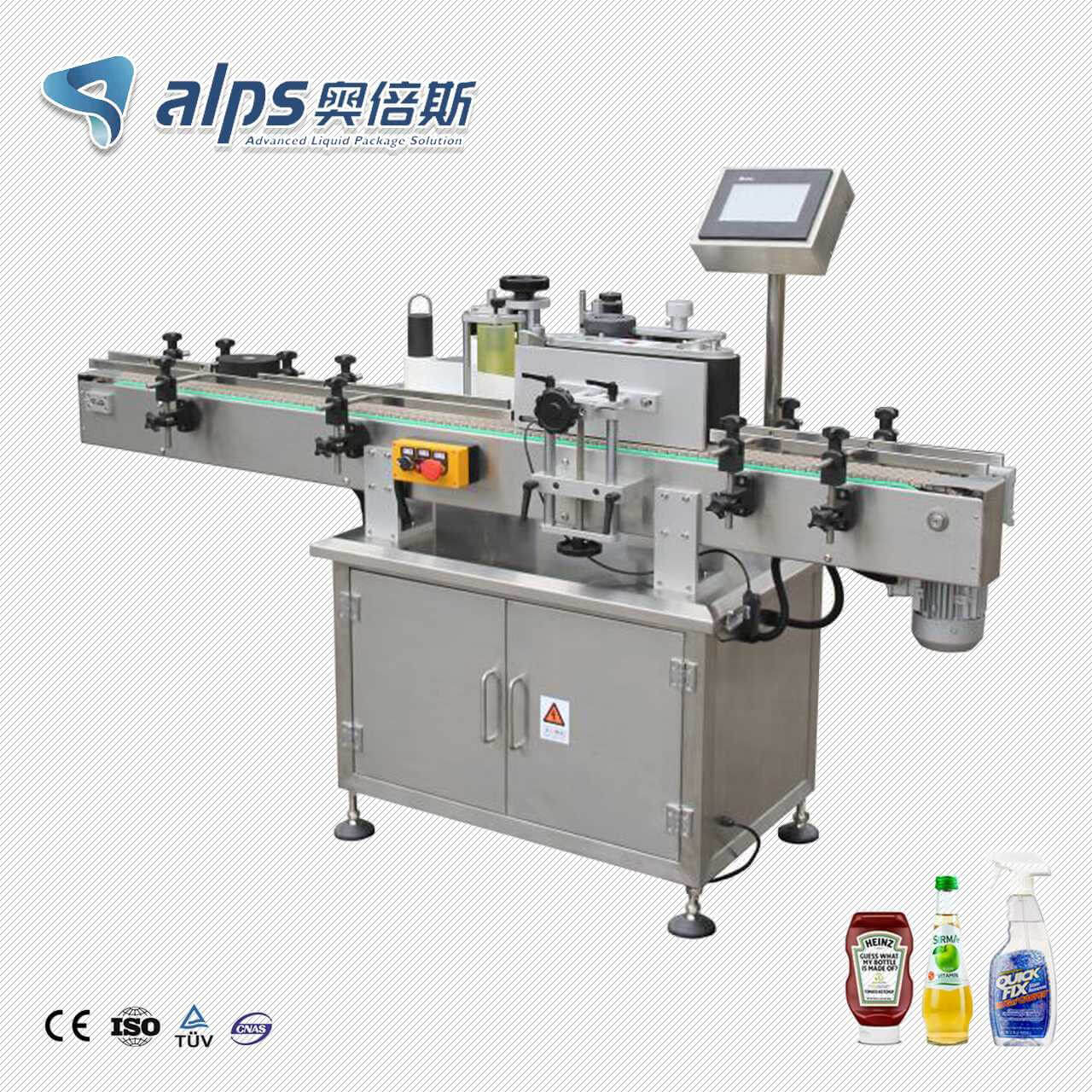
In simple terms, a labeling machine is equipment designed to apply labels onto products or packaging automatically. These labels may include product information, barcodes, or branding elements. Common applications include bottles, cans, cartons, and pouches. Generally, labeling machines are available in manual, semi-automatic, and fully automatic versions. Among them, the automatic labeling machine is widely used in industrial production due to its high efficiency and precision. Understanding how these machines work is important for selecting the right solution.
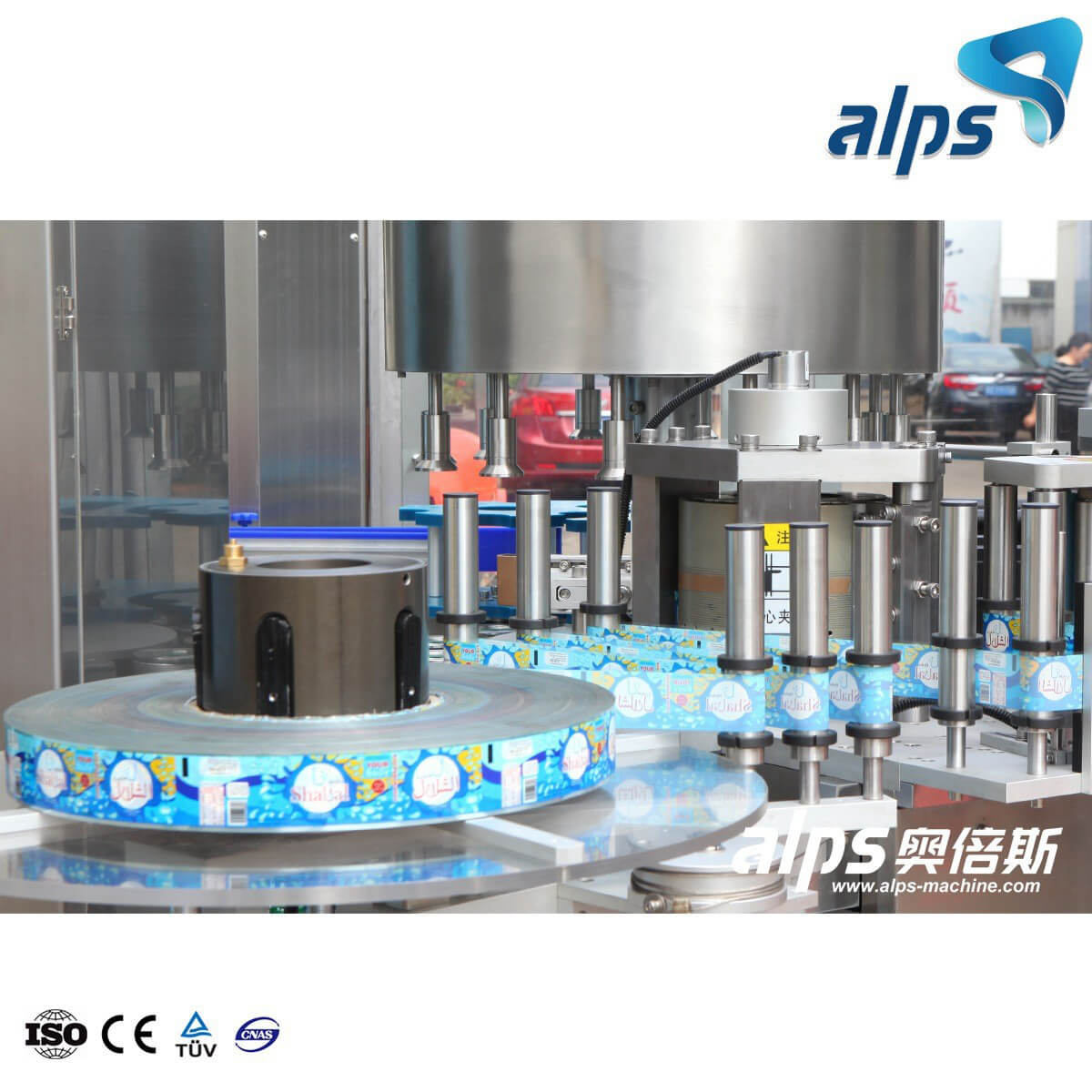
Next, understanding the working process of a labeling machine helps explain its efficiency and reliability. Although designs may vary, most machines follow a similar workflow.
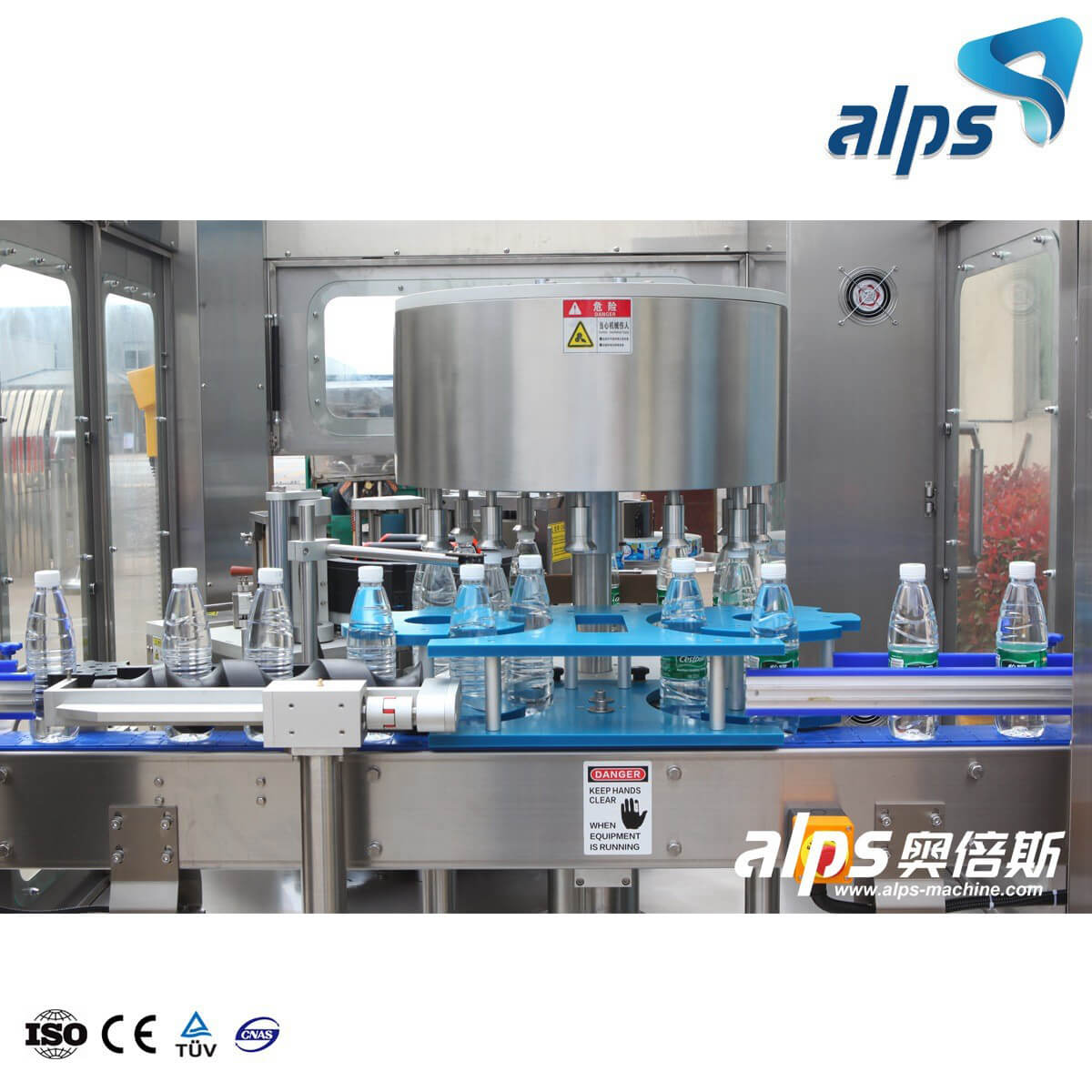
1. First, product feeding takes place. Products are transported into the labeling area through a conveyor system. Sensors detect the position of each item to ensure accurate labeling.
2. Then, label feeding and detection begins. The label roll is unwound and guided through rollers. At the same time, sensors detect the gap between labels to ensure proper positioning.
3. After that, label dispensing occurs. The label is separated from its backing paper using a peel plate, preparing it for application.
4. Next, during label application, the label is applied to the product surface using rollers, brushes, or air-blow systems. This ensures the label is firmly attached without bubbles or wrinkles. Many systems function as an automatic label applicator, providing consistent results at high speed.
5. Finally, product discharge completes the process. Labeled products are transferred to the next stage, such as packing or inspection. This fully integrated process makes the labeling system highly efficient and reliable.
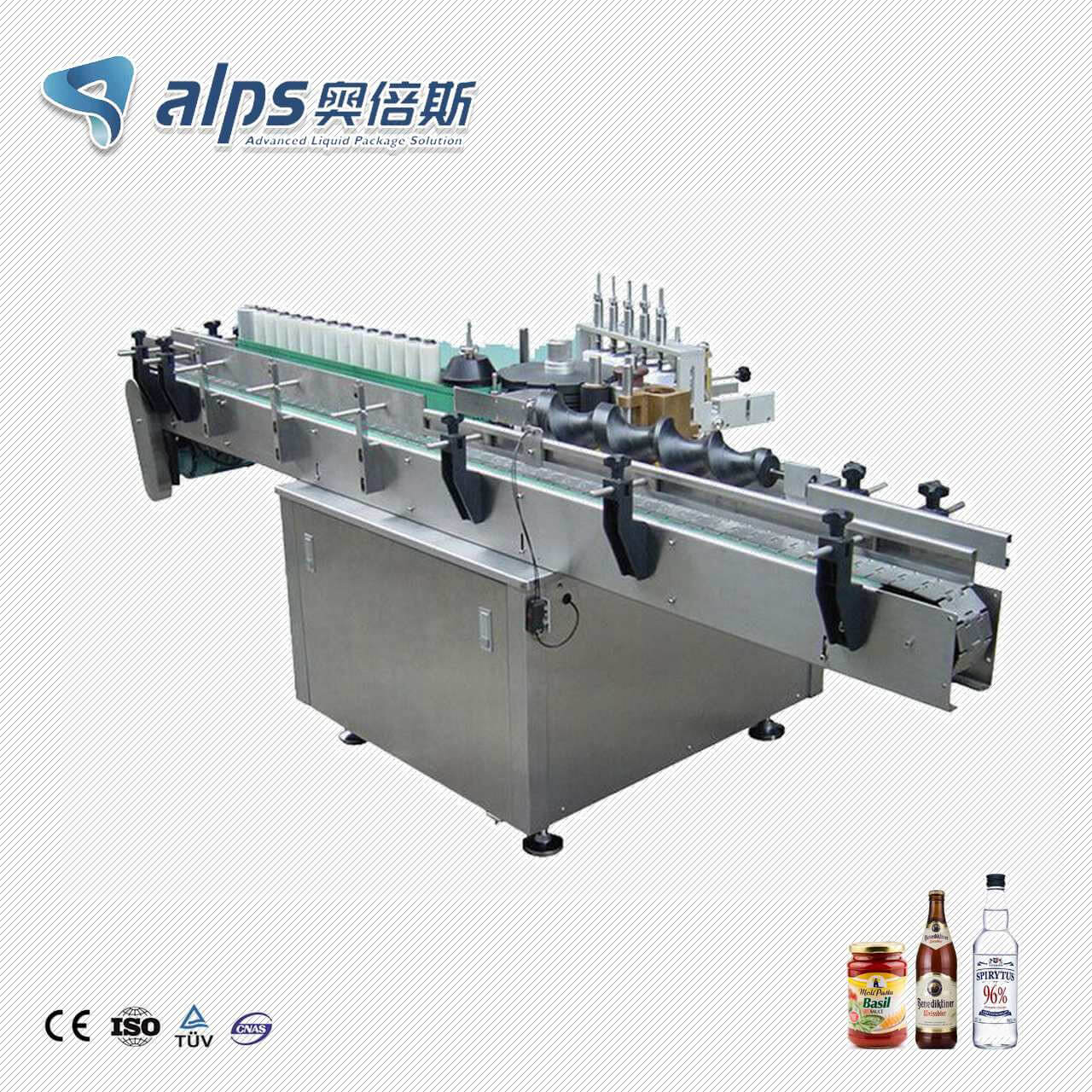
When it comes to different packaging needs, several types of labeling machines are available.
First, the bottle labeling machine is widely used in the beverage industry for round or square bottles. It ensures accurate placement even at high speeds.
Second, the flat labeling machine is suitable for flat surfaces such as boxes, cartons, and pouches
In addition, the double-side labeling machine is designed for products that require labels on two sides, improving efficiency for certain packaging formats.
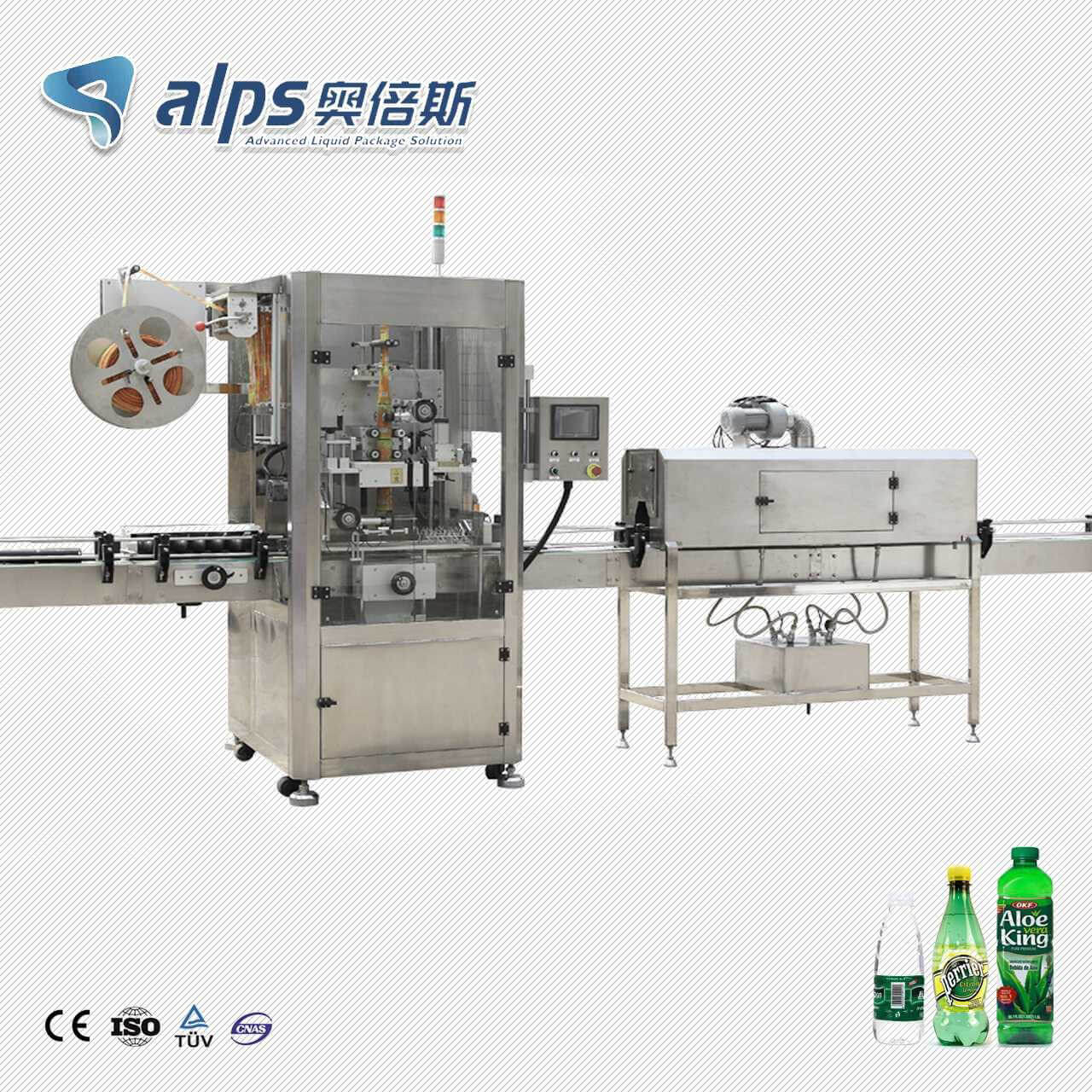
Moreover, the sleeve labeling machine uses shrink sleeves to cover the entire container, offering strong visual impact and tamper evidence.
Finally, the high-speed rotary labeling machine is ideal for large-scale production lines, where continuous operation and high output are required.
In addition to understanding the types, it is important to know the main components of a labeling machine.
First, the conveyor system transports products smoothly through the machine.
Second, the label roll holder supports and feeds the label material.
Third, sensors detect both product position and label spacing to ensure precision.
Furthermore, the control system, usually based on PLC and HMI, allows operators to adjust parameters easily.
Finally, the applicator unit applies labels accurately onto products.
Together, these components ensure that the automatic labeling machine operates with high accuracy and stability.
As production demands increase, automation becomes more important. Modern labeling systems can be integrated with other equipment such as filling machines, capping machines, and packing machines. This creates a complete packaging line integration, where products move seamlessly from one stage to another.
For example, in a beverage factory, a bottle labeling machine works together with a filling line to ensure continuous production. This integration reduces manual handling, improves efficiency, and ensures consistent product quality. Therefore, investing in an automatic labeling system is a smart choice for growing businesses.
Due to their flexibility, labeling machines are used in many industries. In the beverage industry, they are essential for labeling water, juice, and carbonated drinks. In the food sector, they ensure proper labeling of sauces, oils, and packaged goods. In pharmaceuticals, labeling machines provide precise and compliant labeling for medicines. Meanwhile, in chemical industries, they handle labels for detergents, lubricants, and industrial liquids. This wide range of applications highlights the importance of reliable industrial labeling machines.
When selecting a labeling machine, several factors should be considered.
First, the type of product determines the machine configuration. Bottles, boxes, and pouches require different solutions.
Second, production speed should match your output requirements. High-speed lines require advanced automatic machines.
Third, the type of label—such as adhesive labels or shrink sleeves—affects the machine choice.
Finally, automation level and precision are critical for maintaining consistent quality.
By carefully evaluating these factors, businesses can choose the most suitable labeling machine for bottles or other packaging needs.
To ensure long-term performance, proper maintenance is essential. Regularly clean sensors, rollers, and applicators to prevent dust buildup. In addition, check the alignment of labels and inspect mechanical parts for wear. Updating system settings and calibrating the machine can also improve accuracy. With proper care, a labeling machine can operate efficiently and reduce downtime.
Compared with manual labeling, automated systems offer clear advantages. Manual processes are slow and prone to errors, while an automatic labeling machine provides high speed and consistent results. In addition, automation reduces labor costs and improves production efficiency. Therefore, upgrading to a modern labeling system is a practical step for businesses aiming to stay competitive.
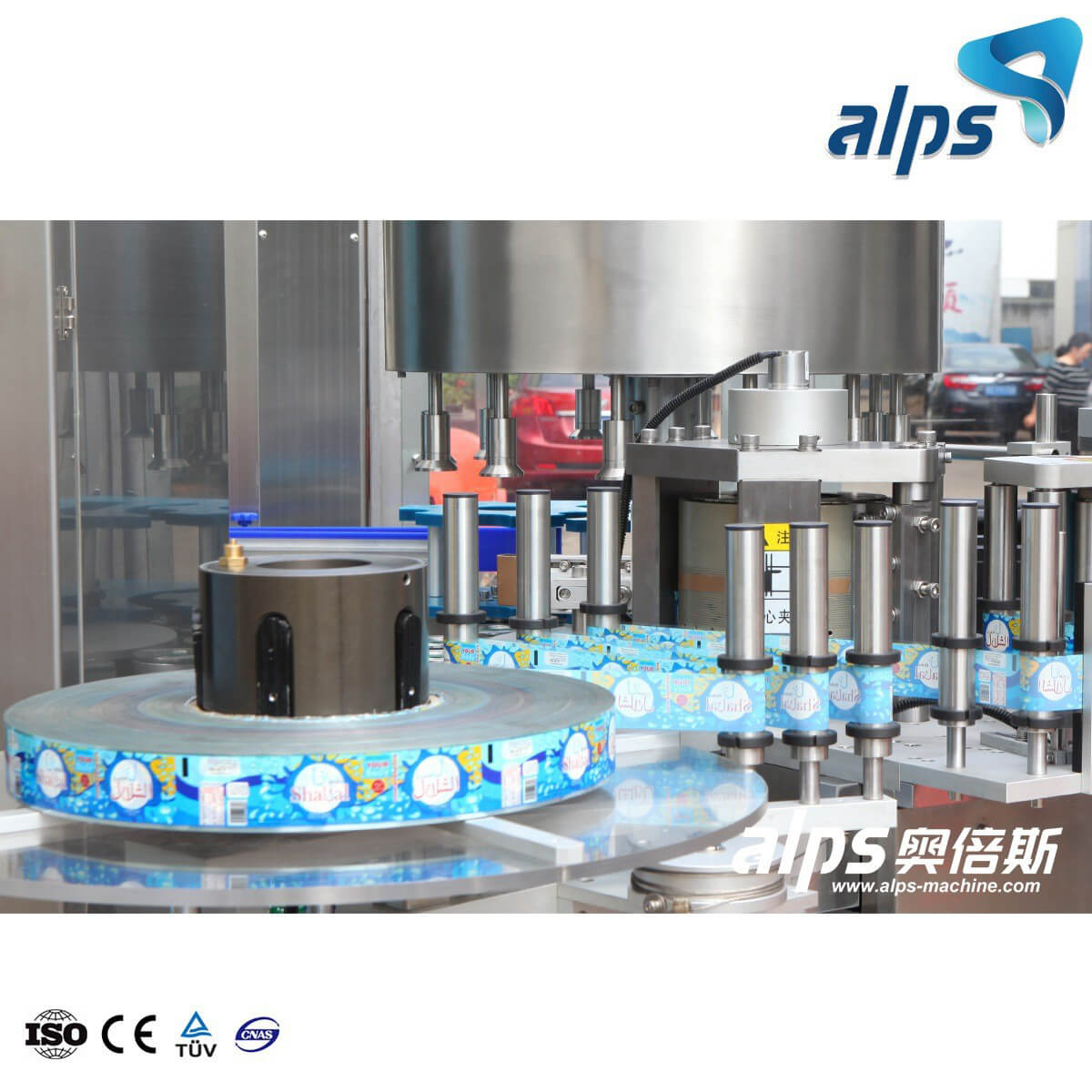
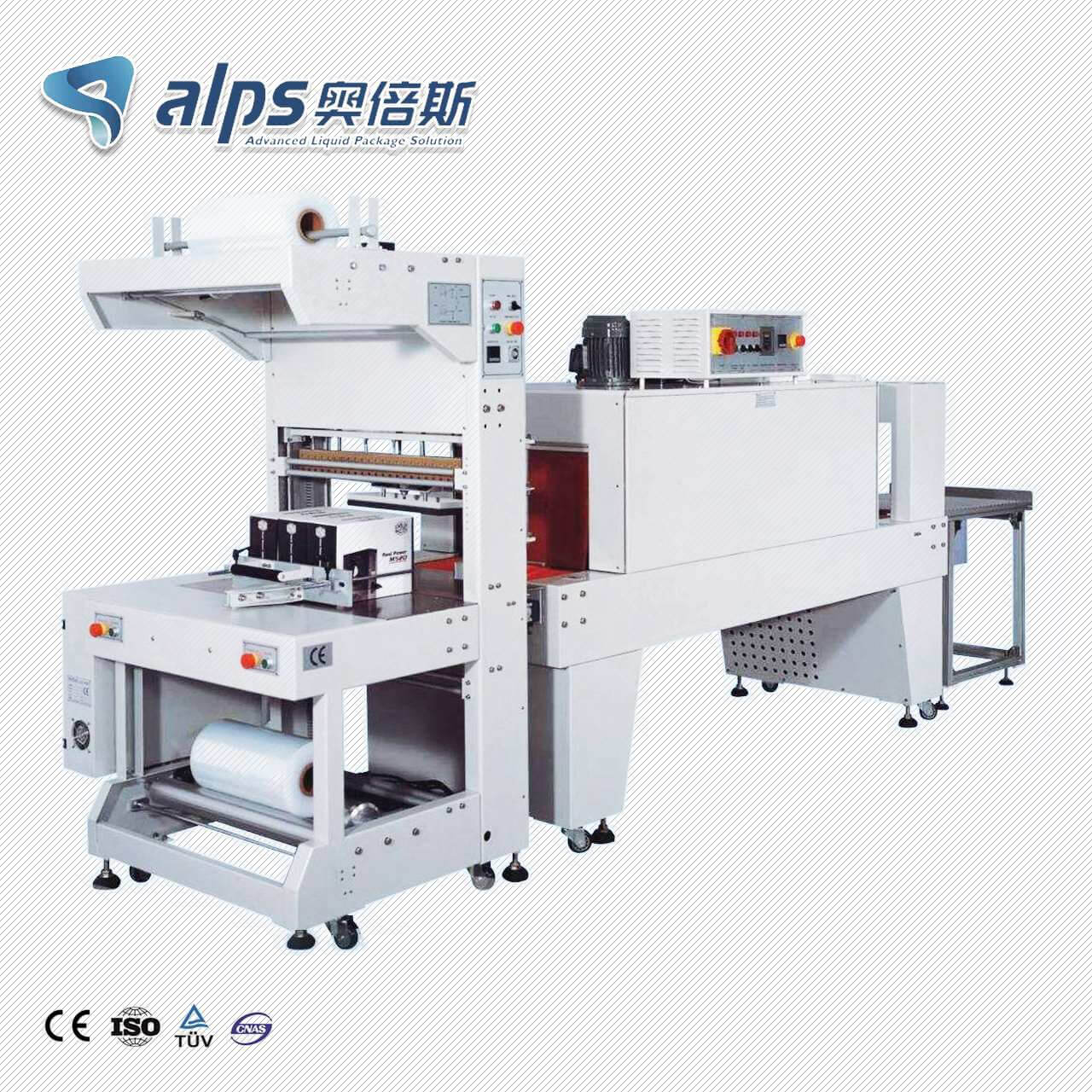
For companies looking for complete solutions, turnkey systems are the best option. Instead of using a single machine, a full production line integrates filling, labeling, and packaging processes. This approach improves efficiency and simplifies management. A professional supplier can also provide factory layout design, equipment selection, and installation support. As a result, businesses can achieve a smooth and reliable production process.
In conclusion, understanding how a labeling machine works helps businesses improve their packaging efficiency and product quality. From product feeding to label application, every step is designed for accuracy and consistency. By choosing the right automatic labeling machine and integrating it into a production line, companies can enhance productivity and maintain a strong market position.
If you are looking for a professional labeling machine manufacturer and complete packaging solutions, Zhangjiagang Alps Machine Co., Ltd. is your trusted partner. We specialize in bottle labeling machines, automatic labeling systems, and full beverage production line solutions. With strong engineering capabilities, we also provide turnkey services, including factory layout design, machine integration, and installation support. Contact Alps Machine today to get customized labeling machine solutions and improve your production efficiency with reliable, high-performance equipment.


By continuing to use the site you agree to our privacy policy Terms and Conditions.