Advanced Liquid Package Solution
Any question?
Get in touch


The global juice processing market is expanding as consumer demand for convenient, high-value beverages continues to grow. However, for producers, this increased market opportunity is accompanied by rising production demands. In addition to higher output, commercial juice production lines require equipment capable of maintaining product quality, processing efficiency, and production stability.
Equipment selection can directly influence yield, product quality, operating costs, and production stability. An unsuitable crushing or extraction system may reduce juice yield, increase oxidation, or cause frequent maintenance issues. Even particle size matters: material that is too fine can restrict downstream filtration or pressing, while material that is too coarse may leave valuable juice trapped in the pulp.
This guide examines six critical systems in a commercial juice production line, from washing and crushing to extraction, mixing and filtration, pasteurization, and filling and packaging.
Commercial juice production is far more than simply putting fruit into a juicer. It is a connected process in which each stage prepares the product for the next:
Raw Material Preparation→Crushing & Pulping→Juice Extraction→Filtration & Clarification→Blending & Homogenization→Pasteurization→Filling & Packaging
The efficiency of each stage depends on the accuracy of the previous one. Poor crushing can reduce extraction efficiency, while inadequate filtration or blending can affect final product consistency. Therefore, equipment selection should focus on the entire juice production system rather than individual machines.
The washing line is the first processing stage after raw fruit arrives at the plant. Its primary purpose is to remove soil, surface residues, and microorganisms before the fruit enters crushing and extraction. The cleaning method should match the characteristics of the raw material:
Bubble washing: Suitable for berries and soft fruits, using gentle agitation to reduce surface damage.
Brush washing: Effective for root vegetables and thick-skinned citrus, removing dirt through mechanical brushing.
High-pressure spraying: Provides a final rinse on an inclined conveyor to remove remaining contaminants and wash water.
Inadequate cleaning can allow contaminants to enter downstream equipment and may increase wear on crushing components. Therefore, a properly designed washing process provides a solid foundation for the entire juice processing line.
After washing, fruit must be reduced to the right particle size before extraction. The crushing stage directly affects juice yield, making proper equipment selection essential.
Equipment | Best For | Key Consideration |
Hammer Crusher | Carrots, beets, and hard roots | Avoid excessive crushing that may clog the press screen. |
Knife Crusher | Apples, pears, and soft fruits | Minimize cutting heat to help reduce enzymatic browning. |
Screw Feeding Crusher | Leafy vegetables, melons, and roots | Combines controlled feeding and crushing to reduce manual handling. |
The key is to maintain a consistent particle size throughout the crushing process. Particles that are too fine can form a paste and clog the press screen, while particles that are too coarse may reduce juice extraction efficiency. For example, when processing different apple varieties, adjustments to the crushing screen may be necessary to maintain consistent pulp consistency and extraction performance.
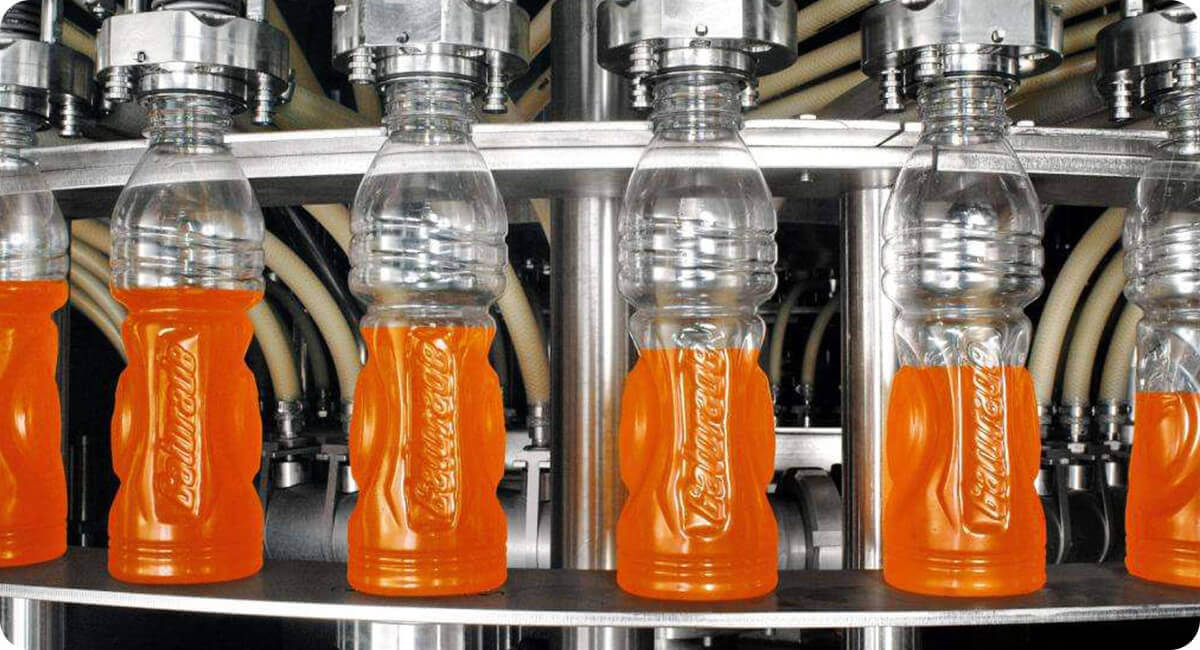
The key to fruit pressing is choosing the right juicer capable of handling the appropriate particle size. Juicing equipment directly impacts juice yield, product quality, and production efficiency.
Extraction Method | Suitable For | Main Advantage | Limitation |
Belt Press | Apples, pears, carrots | Continuous, high-throughput extraction | Frequent screen cleaning |
Screw Press | Grapes, high-fiber fruits | High output for tough cell structures | Friction can generate heat |
Citrus Extractor | Oranges, lemons, limes | Separates essential oils from juice | Sensitive to fruit size and shape |
Frame Press | Premium cold-pressed juice | High yield and clarity | Labor-intensive loading |
Decanter Centrifuge | High-pulp juice, purees | Fast solid-liquid separation | More complex bearing maintenance |
For citrus fruits, a dedicated citrus juicer is essential because traditional pressing methods can release bitter compounds and peel oils, affecting flavor.
After extraction, juice must be standardized to achieve consistent flavor, acidity, sweetness, and texture from batch to batch. Mixing tanks and filtration systems play a key role in this process.
Jacketed stainless-steel tanks: Glycol jackets provide precise temperature control and help prevent unwanted heat buildup.
Agitators: Scraper agitators suit high-pulp juice, while low-shear paddle agitators help keep pulp evenly suspended.
Load cells: Weight-based dosing can provide more accurate ingredient ratios, especially when high pulp content makes flow meters less reliable.
Rotary vacuum drum filters can handle large volumes of heavy juice but require filter aids and waste disposal.
Cross-flow membrane filtration helps reduce fouling by flowing juice parallel to the membrane surface. The membrane pore size is critical, as pores that are too fine may remove color and flavor, affecting the juice's natural characteristics.
Pasteurization is essential for controlling harmful microorganisms and spoilage organisms while helping maintain juice safety and shelf life.
Technology | Process | Best For | Key Consideration |
HTST | Rapid heating, holding, and cooling | Most commercial juices | Plate heat exchangers suit clear juice; tubular units handle high-pulp juice better |
UHT | 135-140℃ for several seconds | Shelf-stable juice | Requires aseptic filling |
HPP | High-pressure processing | Premium cold-pressed juice | Preserves fresh characteristics but requires suitable packaging |
For HTST systems, heat recovery is critical. Properly designed systems can use hot juice to preheat incoming juice, significantly reducing energy consumption. HPP is gaining attention for premium juices because it avoids conventional heat treatment and helps retain fresh flavor and nutrients.
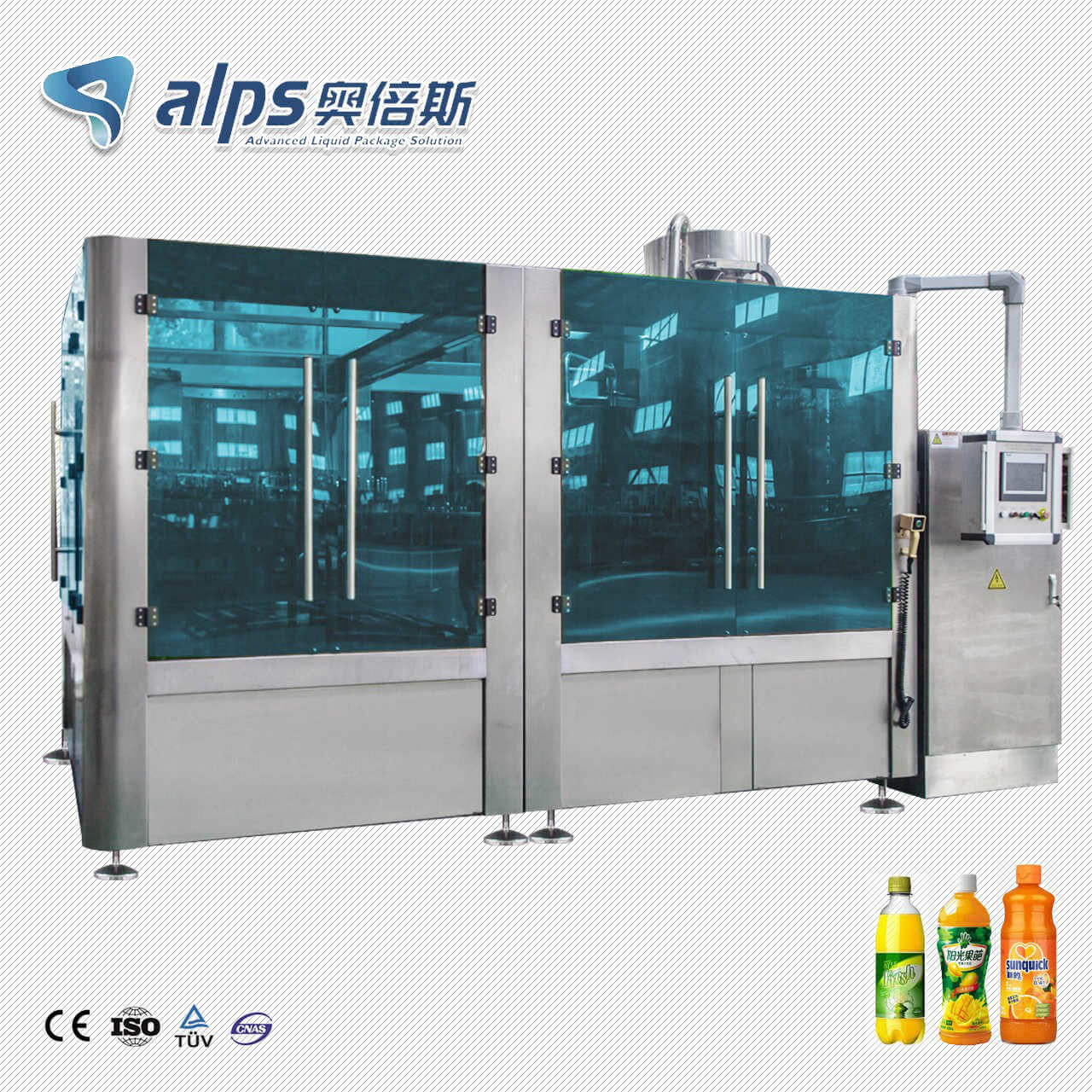
After pasteurization, the juice must be filled, sealed, labeled, and packaged under controlled hygienic conditions. The right filling system depends on product type, container format, production volume, and changeover requirements.
Rotary fillers: Provide high-speed, continuous production and suit large-volume runs with consistent bottle sizes.
Linear fillers: Offer easier changeovers and are suitable for multiple bottle sizes or smaller batches.
Pulp-filled juice: Requires specialized filling valves to prevent clogging and ensure consistent filling.
Bag-in-Box fillers: Suit foodservice and bulk applications, with oxygen transmission rate (OTR) and nitrogen filling capability as key considerations.
CIP should also be integrated into the filling system to maintain hygiene and prevent microbial growth around filling valves. Filling is the final quality checkpoint: every bottle reaching the market reflects the reliability of the entire juice production line.
A successful commercial juice production line depends on six connected systems: washing, crushing, extraction, mixing and filtration, pasteurization, and filling and packaging. Each stage affects the next, so process accuracy matters as much as equipment capacity. Higher speed does not always mean higher profits. The right equipment should match the fruit, product requirements, and production goals.
With a 15,000 m2 facility, a 12,000 m2 standard workshop, 20+ R&D engineers, and 60+ manufacturing staff, Alps Machine provides more than individual machines. Its turnkey solutions cover water treatment, filling, labeling, packaging, PET blowing, and injection molding, supported by workshop layout and utility planning.
Planning a new juice plant or upgrading an existing line? Contact Alps Machine for a complete solution from process design to equipment delivery.



By continuing to use the site you agree to our privacy policy Terms and Conditions.