The global bottled water market was valued at over
USD 283 billion in 2023 and is projected to grow at a CAGR of 6.7% through 2030 (Grand View Research). Behind every bottle on the shelf sits one unsung hero of modern food and beverage manufacturing: the
water filling machine.
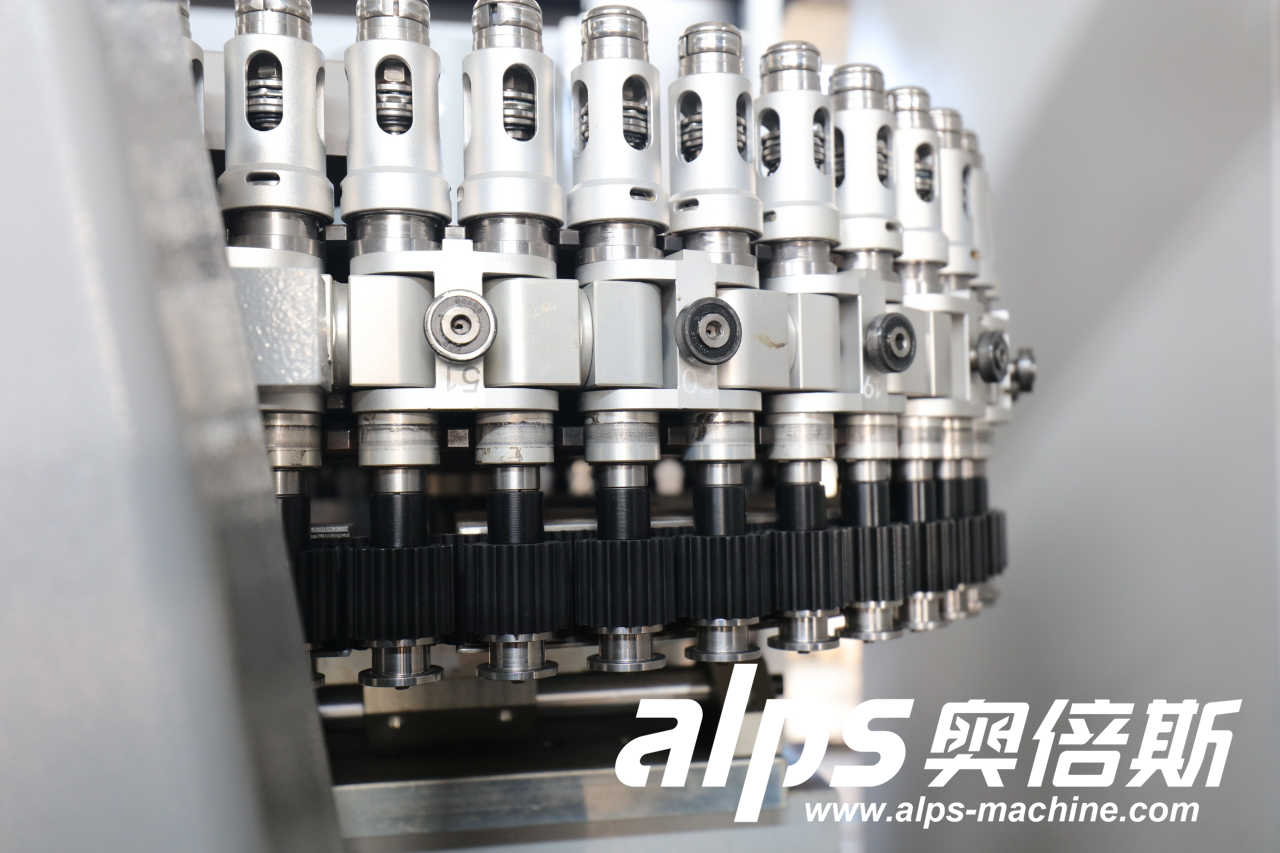
A water filling machine is automated or semi-automated equipment that measures, fills, and seals a precise volume of water into bottles or containers at high speed — with minimal human intervention and maximum hygiene control.
Whether you're launching a small mineral water brand or scaling up an industrial bottled water production line, choosing the right water bottling machine is one of the most critical decisions you'll make. The wrong choice costs you throughput, compliance, and money.
What Is a Water Filling Machine?
A water filling machine is the core equipment in any bottled water production line. It automatically fills containers — from small PET bottles to large 5-gallon jugs — with a precise volume of water, at speeds no manual process can match.
The Role of a Filling Machine in Bottled Water Production
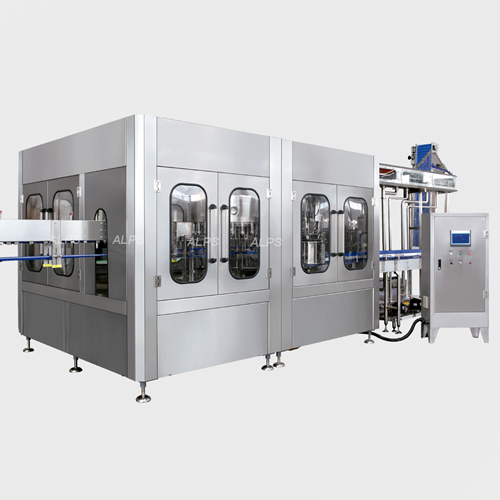
The water filling machine sits at the center of your entire operation. Every upstream process (water purification, bottle preparation) feeds into it. Every downstream process (labeling, packaging) depends on it.
Its core functions:
Deliver a precise fill volume with ±1–2ml accuracy
Maintain hygienic, contamination-free contact throughout
Run at consistent speed, measured in BPH (bottles per hour)
How a Water Filling Machine Works: The Basic Process
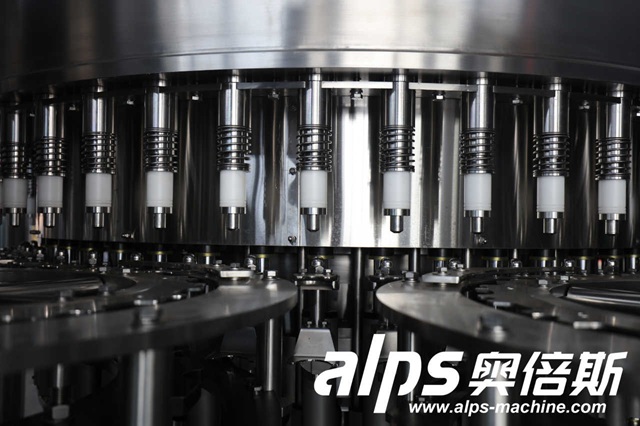
Despite variations in design and capacity, virtually all water bottling machines follow the same four-stage process:
| Stage | What Happens | Key Equipment |
| 1. Bottle Infeed | Empty bottles enter via conveyor or star wheel | Bottle sorter, infeed conveyor |
| 2. Rinsing | Bottles are inverted and flushed with purified water or air | Rinser / washer unit |
| 3. Filling | Nozzles inject a measured volume of water using gravity, vacuum, or counter-pressure | Filling valve, flow meter |
| 4. Capping | Caps are applied and torqued to seal | Cap feeder, capping head |
Each stage is precisely timed and controlled by a PLC (Programmable Logic Controller), which monitors speed, fill levels, and machine status in real time.
Types of Water Filling Machines
Not all filling machines are built the same. The right type depends on your production volume, bottle format, and water product. Here's a clear breakdown.
Automatic vs Semi-Automatic vs Manual
| Type | Speed (BPH) | Labor Required | Best For |
| Manual | 100–500 | High | Startups, trial runs |
| Semi-Automatic | 500–3,000 | Medium | Small-scale production |
| Automatic | 3,000–36,000+ | Low | Industrial bottled water lines |
Automatic water filling machines dominate commercial production. They integrate rinsing, filling, and capping into one seamless cycle with minimal human intervention.
Linear vs Rotary Water Bottling Machine
Linear fillers move bottles in a straight line. They're simple, easy to maintain, and ideal for small to mid-scale operations.
Rotary fillers use a rotating carousel, handling far more bottles per hour. They're the standard choice for high-speed water bottling lines exceeding 10,000 BPH.
| Linear | Rotary |
| Speed | Low–Medium | High |
| Footprint | Compact | Larger |
| Cost | Lower | Higher |
| Best For | Small–mid scale | Industrial scale |
By Bottle Size: Small, 5-Gallon & Large-Format
Small PET bottle filling machine (200ml–2L): most common for retail water brands
5-gallon water filling machine: designed for barreled drinking water dispensers
Large-format filling machine (5L–20L): used in bulk water and catering supply
Each format requires different nozzle sizes, conveyor widths, and capping systems.
By Water Type: Pure, Mineral & Sparkling
| Water Type | Special Requirement |
| Pure / RO water | Standard gravity or vacuum filling |
| Mineral water | Requires stainless steel contact parts, mineral-safe seals |
| Sparkling water | Needs counter-pressure filling to preserve CO₂ |
Matching your machine to your water type is critical — the wrong filling method affects taste, carbonation, and shelf life.
How Does a Water Filling Machine Work?
Modern water bottling machines follow a precise, repeatable sequence. Here's each stage explained.
Step 1: Bottle Feeding & Rinsing
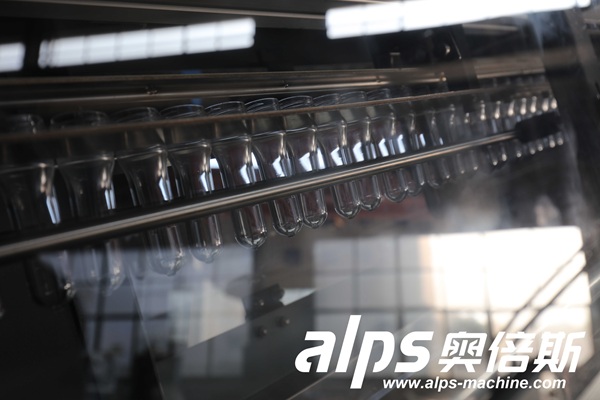
Empty bottles enter the line via a conveyor or star-wheel infeed system. Before filling, each bottle passes through a rinser unit — inverting and flushing it with purified water or sterile air to remove dust and contaminants.
For deep sanitation, most automatic lines use a CIP (Clean-In-Place) system that circulates hot water or sanitizing solution through all product-contact surfaces — without disassembling the machine.
Step 2: Filling Mechanism
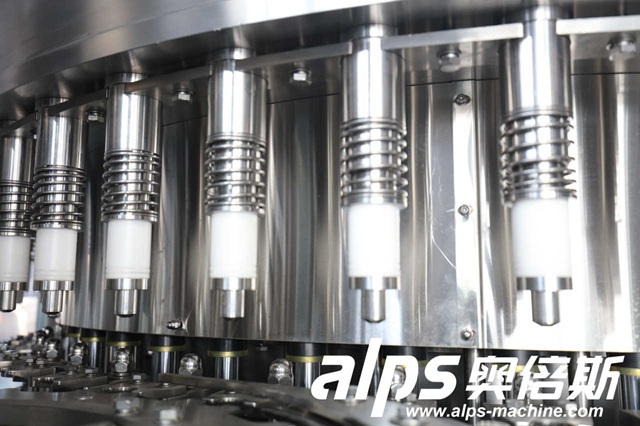
Bottles move to the filling station, where nozzles inject a precise volume of water. Three main methods are used:
| Method | How It Works | Best For |
| Gravity filling | Water flows by weight | Still / pure water |
| Vacuum filling | Negative pressure draws liquid in | Low-viscosity water |
| Counter-pressure | Pressurized filling preserves gas | Sparkling water |
A flow meter or level sensor ensures every bottle receives the exact same fill volume.
Step 3: Capping & Sealing
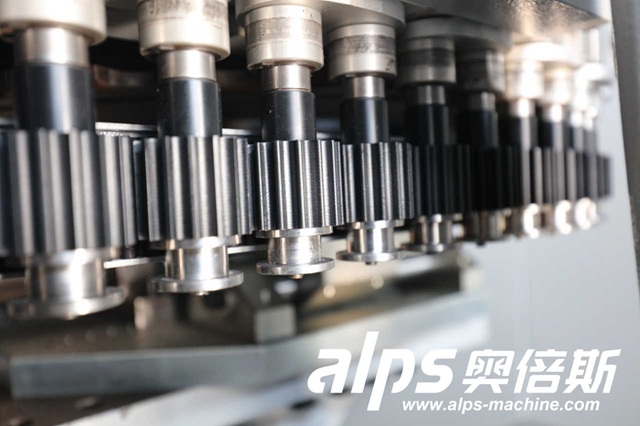
Filled bottles transfer immediately to the capping station. A cap feeder sorts and delivers caps automatically. The capping head applies and torques each cap to a consistent seal — preventing leaks and contamination during transport.
Step 4: Labeling & Date Coding (Optional)
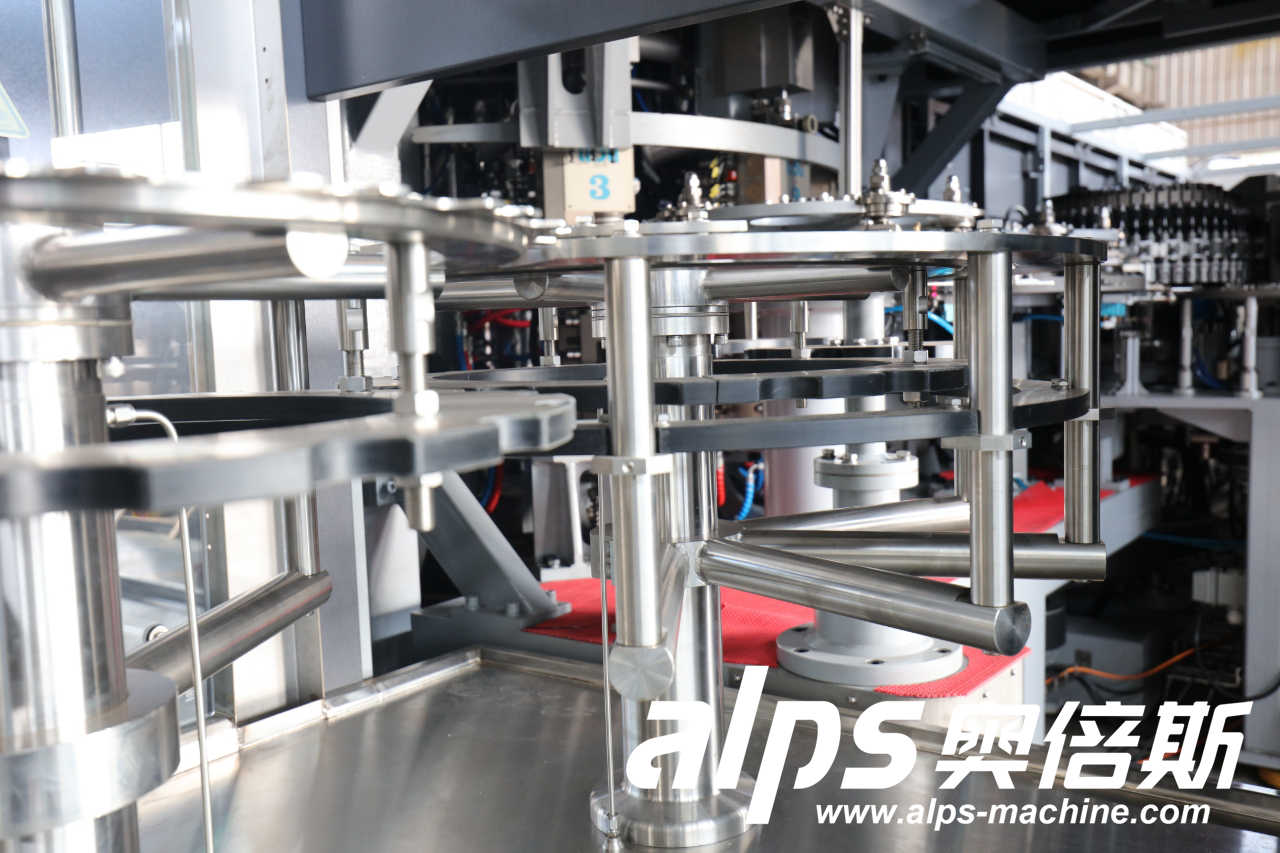
After sealing, bottles can pass through an inline labeling machine and inkjet date coder. This adds brand labels, batch numbers, and expiry dates — completing the package before it reaches the palletizer.
Key Components of a Water Bottling Machine
A filling machine's performance depends on four core components. Here's what matters most.
Water Treatment & Purification Unit
Most production lines integrate a reverse osmosis (RO) system to remove dissolved solids, bacteria, and heavy metals before filling. UV sterilization is typically added as a final stage to eliminate remaining microorganisms.
Filling Nozzles & Valves
Nozzles are the direct product-contact point — hygiene is non-negotiable. Quality machines use 304 or 316L stainless steel nozzles compliant with FDA and CE standards, featuring no-drip valve design and full CIP compatibility.
Conveyor & Bottle Sorting System
The conveyor keeps bottles moving at consistent spacing and speed. A bottle unscrambler or air conveyor orients bottles into the line automatically — supporting multiple formats with minimal changeover time.
PLC Control System & HMI Touchscreen
The PLC synchronizes every stage in real time. Operators monitor and adjust via an HMI touchscreen showing live BPH, fill accuracy, and fault alerts — reducing downtime and improving consistency across every production run.
How to Choose the Right Water Filling Machine
The wrong machine costs you throughput, compliance, and money. Use these five criteria to narrow your decision.
Production Capacity: Match BPH to Your Scale
Start with your target output — bottles per hour (BPH) — then add a 20–30% buffer for peak demand and downtime.
| Production Scale | Recommended BPH |
| Startup / small brand | 500–3,000 |
| Mid-scale operation | 3,000–12,000 |
| Industrial line | 12,000–36,000+ |
Never buy at exactly your current capacity. Your machine should support where you're going, not just where you are.
Bottle Compatibility: PET, Glass & HDPE
Confirm the machine handles your specific bottle material and size range:
PET bottles — most common, lightest, lowest cost
Glass bottles — heavier, requires gentler handling systems
HDPE jugs — common for 5-gallon water filling machines
Check minimum and maximum fill volumes, bottle height range, and neck diameter compatibility before purchasing.
Hygiene Certifications: FDA, CE & ISO 22000
Any water bottling machine entering food-grade production must meet recognized safety standards:
FDA — required for the US market
CE — required for European markets
ISO 22000 — international food safety management standard
Always request certification documentation from the manufacturer. Non-certified machines create regulatory risk and limit your export markets.
After-Sales Support & Spare Parts
A machine is only as reliable as the support behind it. Before committing, confirm:
Local service engineers or authorized technicians available
Spare parts stocked and shipped within 48–72 hours
Remote diagnostics capability via PLC or HMI system
Warranty period — minimum 12 months on core components
Automation Level & Operator Requirements
Higher automation means lower labor cost — but a steeper setup curve. Match the machine's complexity to your team's skill level.
| Automation Level | Operator Skill | Typical Use Case |
| Manual / semi-auto | Low | Small startups |
| Fully automatic | Medium | Established brands |
| Turnkey line | High (or vendor-supported) | Large-scale production |
If your team is new to bottled water production, consider suppliers who offer on-site installation and operator training as part of the package.
Price varies widely depending on capacity, automation level, and configuration. Here's a realistic breakdown to help you budget accurately.
Quick Reference: Price by Machine Type
| Machine Type | Price Range (USD) | Capacity (BPH) | Best For |
| Manual / semi-automatic | $1,500 – $8,000 | 500–3,000 | Startups, small brands |
| Fully automatic | $10,000 – $50,000 | 3,000–12,000 | Growing operations |
| Industrial turnkey line | $80,000 – $300,000+ | 12,000–36,000+ | Large-scale production |
Entry-Level: Semi-Automatic Filling Machines
Semi-automatic water filling machines start from around $1,500 – $8,000. These require an operator to position bottles manually but automate the fill and cap cycle.
Best suited for: small mineral water brands, trial production runs, or markets with lower labor costs.
Mid-Range: Fully Automatic Water Bottling Machines
A fully automatic water bottling machine typically costs $10,000 – $50,000, depending on filling heads, speed, and integration with rinsing and capping modules.
This range covers most growing brands producing between 3,000 and 12,000 BPH with minimal operator involvement.
Industrial Turnkey Lines
A complete turnkey bottled water production line — covering water treatment, bottle blowing, filling, capping, labeling, and packaging — ranges from $80,000 to $300,000+.
These systems are engineered for continuous, high-volume output and include full installation, commissioning, and operator training.
What Affects the Final Price?
Four factors move the price most significantly:
Capacity (BPH) — the single biggest cost driver
Material grade — 316L stainless steel costs more than 304, but lasts longer
Brand & origin — European and US brands command a premium over Asian manufacturers
Certifications — FDA, CE, and ISO 22000 compliance adds cost but opens export markets
Maintenance & Troubleshooting Tips
A well-maintained water filling machine runs longer, breaks down less, and keeps your production costs predictable. Here's what to do — and when.
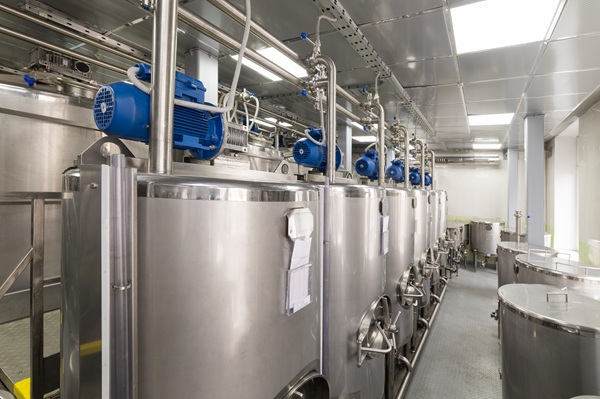
Daily Cleaning & CIP Sanitation
Every production day should begin and end with a cleaning cycle. Most automatic bottle filling machines use a CIP (Clean-In-Place) system that circulates sanitizing solution through all product-contact surfaces without disassembly.
Daily checklist:
Flush all filling nozzles and valves with purified water
Run CIP cycle with food-grade sanitizing solution
Wipe down conveyor belts and external surfaces
Inspect seals and O-rings for residue buildup
Common Faults & How to Fix Them
| Fault | Likely Cause | Fix |
| Underfill | Blocked nozzle or worn flow valve | Clean nozzle; recalibrate fill sensor |
| Liquid leaking | Damaged O-ring or loose valve seat | Replace O-ring; tighten valve connection |
| Crooked caps | Misaligned cap feeder or worn capping head | Realign feeder; inspect capping torque |
| Conveyor jamming | Bottle spacing issue or sensor fault | Adjust guide rails; clean proximity sensor |
Address faults immediately — small issues compound quickly at high BPH speeds.
Preventive Maintenance Schedule
| Frequency | Task |
| Weekly | Lubricate moving parts; check belt tension; inspect nozzle tips |
| Monthly | Replace worn O-rings; calibrate fill volume accuracy; clean RO filters |
| Annually | Full mechanical inspection; replace high-wear components; update PLC firmware |
Following this schedule extends machine lifespan significantly and reduces unplanned downtime — the most expensive problem in any bottled water production line.
Conclusion: Finding the Right Water Filling Machine for Your Business
Choosing the right water filling machine is one of the most important investments in your bottled water production journey.
To summarize what we've covered:
Types matter — match your machine to your bottle format, water type, and production scale
Components define quality — prioritize food-grade materials, certified nozzles, and a reliable PLC system
Price reflects capacity — budget realistically from $1,500 for entry-level to $300,000+ for full turnkey lines
Maintenance protects your investment — a consistent CIP and preventive schedule keeps your line running efficiently
The right water bottling machine doesn't just fill bottles — it builds the foundation for a scalable, compliant, and profitable operation.