Advanced Liquid Package Solution
Any question?
Get in touch


Juice manufacturing involves more than simply pressing fruit to extract its juice. Raw material quality, extraction efficiency, flavor balance, and nutrient retention all affect the final product. Controlling these factors is essential for producing juice that meets quality and safety standards.
From fruit preparation and juice extraction to clarification, preservation, and packaging, each stage contributes to product consistency and shelf life. A juice filling machine plays an important role in the production process, but reliable results depend on how well all processing stages work together.
Understanding the basic principles of juice manufacturing helps producers select suitable processing methods and equipment. This article explores the key stages of juice production, explains their impact on product quality and safety, and highlights the importance of integrated process control from raw materials to finished products.
Fruit maturity affects sweetness, acidity, color, flavor, and juice yield. Overripe or damaged fruit may compromise product quality, while improper transportation and prolonged storage can accelerate deterioration. Therefore, manufacturers should inspect incoming fruit and maintain consistent raw material standards across batches.
Before extraction, fruit should be washed, sorted, and graded to remove dirt, damaged produce, and unsuitable materials. Additional preparation depends on the fruit type:
l Citrus fruits: Remove peel when required by the process.
l Berries: Handle gently to minimize damage.
l Stone fruits: Remove pits before processing.
These steps help ensure consistent extraction and facilitate downstream filtration. Proper preparation also establishes a reliable starting point for beverage production before the juice enters a beverage filling machine later in the processing line.
Crushing breaks fruit tissues, pressing separates liquid from solids, and pulping produces a mixture containing juice and fine fruit particles. The appropriate method depends on fruit structure and the desired product. Clear juice typically requires more separation, while pulpy juice retains more suspended solids.
Enzymes such as pectinase can reduce pulp viscosity and improve juice extraction or clarification under suitable conditions. Controlled heating may soften fruit tissues or inactivate certain enzymes, depending on the fruit and process requirements.
Maximizing juice yield does not always guarantee the best product. Excessive processing or unsuitable heating may damage color, flavor, and heat-sensitive nutrients. Manufacturers should balance three priorities:
l Yield: Recover juice efficiently.
l Flavor: Preserve the fruit's natural taste.
l Nutrient retention: Minimize unnecessary processing.
The right combination depends on the raw materials and desired juice characteristics.
Clear juices typically require more extensive clarification or filtration, while cloudy juices retain suspended particles or pulp. Centrifugation and filtration help achieve the desired appearance and stability. The chosen method should match the product's texture and quality requirements.
Exposure to oxygen can affect juice color, flavor, and certain nutrients. Minimizing unnecessary air contact and using deaeration where appropriate can help preserve quality. Oxidation control should consider the juice formulation, processing conditions, and packaging.
Manufacturers may blend different juice batches or varieties to achieve consistent flavor and balance sweetness with acidity. Any adjustments must comply with applicable food regulations, product standards, and labeling requirements. Before filling, the juice should meet its target specifications to support consistent quality during subsequent processing and storage.
Juice preservation requires appropriate microbial control based on product characteristics and storage goals.
Method | Key Principle |
Pasteurization | Uses controlled heat to reduce microbial risks. |
Refrigeration or freezing | Slows deterioration or preserves juice at low temperatures. |
Aseptic processing | Combines suitable product treatment with sterile packaging and controlled filling. |
High-pressure processing (HPP) | Treats sealed packages or bulk juice under high pressure, depending on the process. |
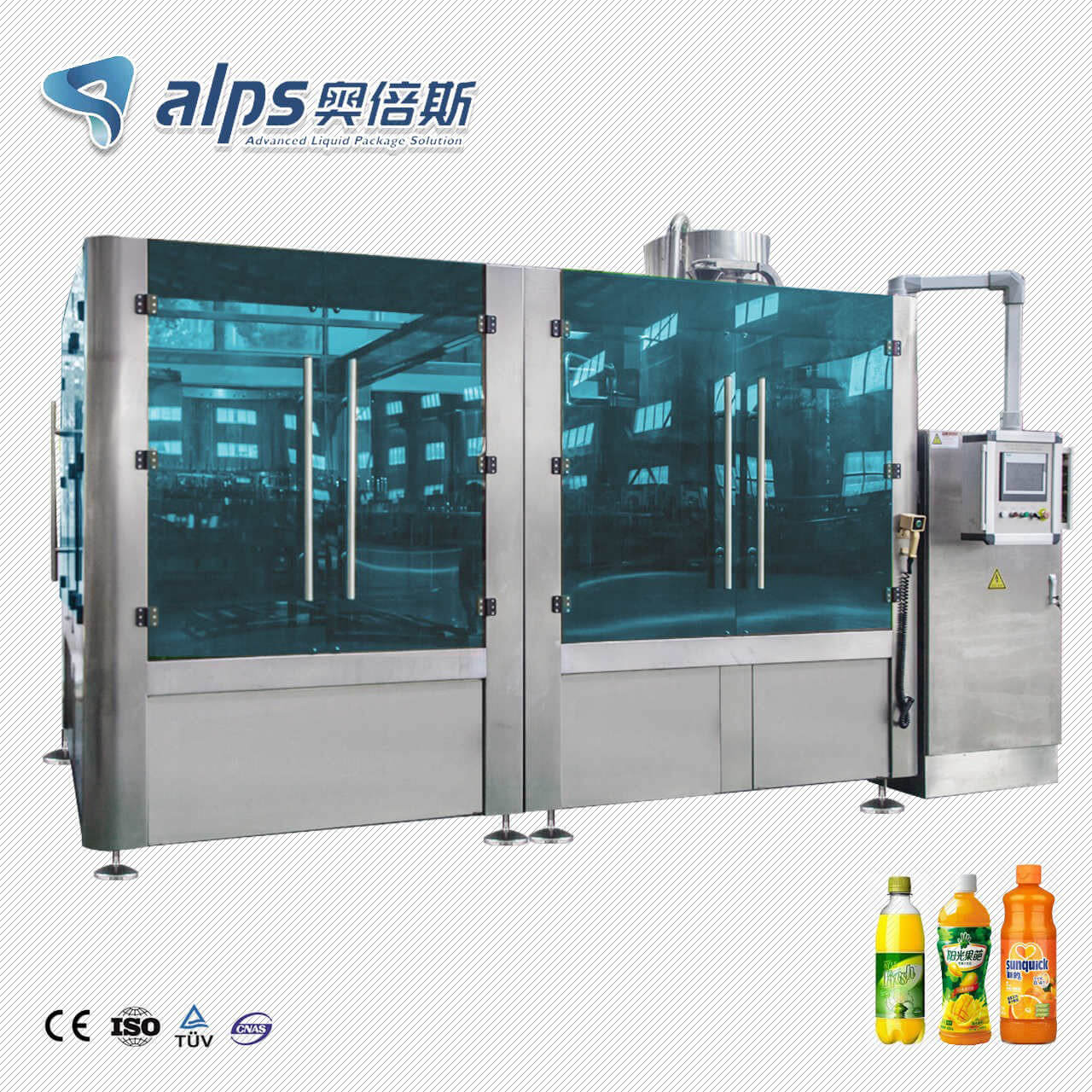
An aseptic juice filling machine is suitable for production lines designed for aseptic processing. Not every juice requires aseptic filling or HPP. Selection depends on formulation, processing conditions, and target shelf life.
Shelf life depends on several interacting factors:
Factor | Effect on Shelf Life |
Microbial load and acidity | Influence microbial growth and treatment requirements. |
Packaging integrity | Helps prevent contamination and oxygen entry. |
Storage temperature | Affects deterioration rates. |
Formulation | Citric acid adjusts acidity, while ascorbic acid can limit oxidation. |
Shelf life should be validated through appropriate product testing under intended storage conditions.
Juice packaging may use glass bottles, PET bottles, metal cans, or cartons. The choice depends on product characteristics, processing methods, and storage requirements. Accurate filling, secure sealing, and hygienic equipment operation help prevent contamination and maintain product stability.
A juice filling and packing machine can coordinate filling and downstream packaging operations. A typical line may include:
l Filling and capping or sealing
l Labeling and secondary packaging
l Conveying and palletizing
Proper equipment layout and synchronized line speeds help reduce bottlenecks and maintain production efficiency.
Line configuration should reflect the juice type, target capacity, packaging format, processing method, and automation needs. Clear juice, pulpy juice, and products requiring aseptic filling may need different equipment configurations to achieve consistent results.
Quality control begins with raw material inspection and continues through processing, filling, and final product testing. Depending on the juice type, manufacturers should monitor:
l Microbial safety and hygiene
l Sugar-acid balance, color, and flavor
l Filling accuracy and seal integrity
Automation helps maintain consistent processing parameters, but it cannot replace sanitation procedures, product testing, or process validation.
Variations in fruit quality can complicate formulation adjustments, while improper extraction or heating may affect flavor. Poor filling hygiene or faulty seals can shorten shelf life. An automatic juice filling machine helps maintain filling accuracy, although performance also depends on equipment configuration, maintenance, and operation. Coordinating processing equipment, packaging systems, and quality checks is essential for producing juice that consistently meets the required standards.
Juice manufacturing relies on a coordinated process, from fruit preparation and juice extraction to quality adjustment, preservation, filling, and packaging. Each stage influences the final product's flavor, safety, consistency, and shelf life. Since different fruits and juice products have different processing requirements, manufacturers must select suitable methods and equipment based on raw material characteristics, target quality, production capacity, and packaging formats.
Alps Machine provides juice production line and filling and packaging solutions tailored to project requirements. Whether you are planning a new juice processing facility or upgrading an existing production line, our team can help you explore suitable equipment configurations and production layouts. Contact Alps Machine to discuss your juice manufacturing needs and find a solution for your production goals.


By continuing to use the site you agree to our privacy policy Terms and Conditions.