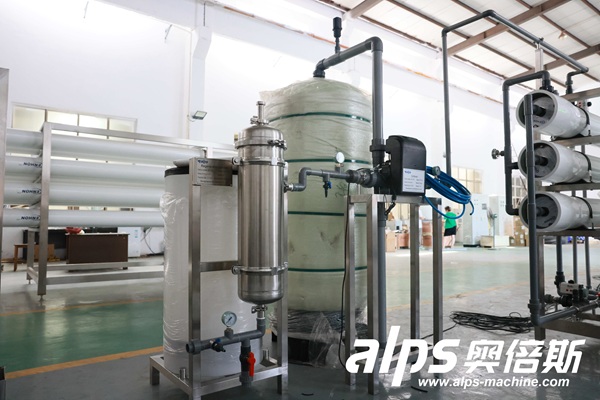
Khi lập kế hoạch cho dây chuyền sản xuất nước đóng chai, nhiều người mua thường tập trung trước tiên vào máy lọc RO hoặc hệ thống lọc UF. Điều này dễ hiểu, vì các thiết bị này thường được coi là thiết bị lọc nước “chính”. Tuy nhiên, hệ thống xử lý nước sơ bộ trước đó thường quyết định độ ổn định của toàn bộ hệ thống xử lý nước.
Trong một nhà máy xử lý nước thực tế, tiền xử lý không chỉ là một bộ lọc tùy chọn ở khâu đầu. Nó bảo vệ màng RO, màng UF, thiết bị UV, bể chứa và đường ống khỏi các hạt, độ đục, clo, độ cứng và nguy cơ đóng cặn. Một hệ thống tiền xử lý RO được thiết kế tốt có thể giảm áp lực bảo trì và giúp nhà máy hoạt động ổn định hơn.
Hệ thống xử lý nước sơ bộ là gì?
Hệ thống xử lý nước sơ bộ là giai đoạn bảo vệ đầu tiên trong một hệ thống xử lý nước hoàn chỉnh. Nó thường được lắp đặt trước các thiết bị RO, UF, khử trùng bằng tia UV, bể chứa và hệ thống phân phối đường ống. Mục đích của nó không phải là trực tiếp sản xuất nước tinh khiết cuối cùng, mà là chuẩn bị nước thô để các thiết bị xử lý chính có thể hoạt động trong điều kiện an toàn và ổn định hơn. Để hiểu được giai đoạn này phù hợp như thế nào trong toàn bộ hệ thống.
quy trình hệ thống xử lý nướcViệc xem xét quy trình từ khâu lấy nước thô đến khâu khử trùng cuối cùng sẽ rất hữu ích.
Trong hầu hết các dự án sản xuất nước đóng chai, nước thô có thể chứa các hạt, cát, rỉ sét, chất rắn lơ lửng, độ đục, clo dư, độ cứng, mùi, màu sắc, sắt, mangan và nguy cơ đóng cặn. Nếu những vấn đề này xâm nhập vào hệ thống RO hoặc UF mà không được kiểm soát, chúng có thể làm tắc nghẽn bề mặt màng lọc, tăng áp suất hoạt động, giảm sản lượng nước hoặc rút ngắn tuổi thọ thiết bị.
Hệ thống tiền xử lý nước đóng chai thường kết hợp nhiều bước lọc và điều chỉnh để giảm thiểu các rủi ro này trước khi nước đến giai đoạn lọc chính. Ví dụ, tiền xử lý nước trước khi lọc thẩm thấu ngược (RO) có thể bao gồm loại bỏ cặn, giảm clo, kiểm soát độ cứng và lọc các hạt mịn. Bằng cách ổn định chất lượng nước đầu vào, tiền xử lý giúp bảo vệ màng lọc, thiết bị khử trùng bằng tia cực tím (UV), bể chứa và đường ống trong toàn bộ nhà máy xử lý nước.
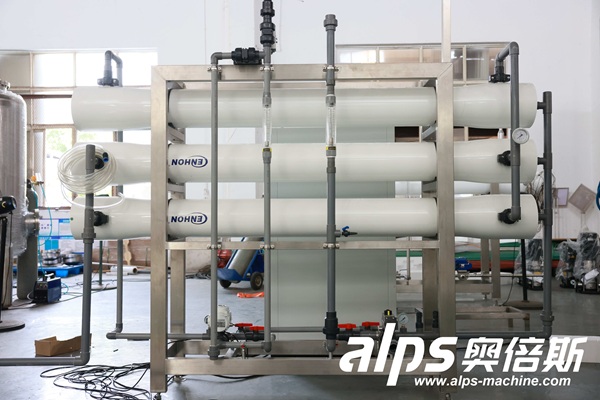
Tại sao xử lý sơ bộ lại quan trọng trước khi lọc thẩm thấu ngược (RO) và lọc siêu lọc (UF)?
Sau khi hiểu được tác dụng của quá trình tiền xử lý, câu hỏi tiếp theo là tại sao nó lại quan trọng đến vậy trước khi đưa vào hệ thống màng lọc.
RO và
UF Thiết bị không thể tự mình xử lý mọi vấn đề về nước thô. Cả hai hệ thống đều phụ thuộc vào chất lượng nước cấp ổn định. Nếu các hạt, độ đục, độ cứng, sắt, mangan, chất hữu cơ hoặc clo dư xâm nhập vào giai đoạn màng lọc mà không được kiểm soát, toàn bộ hệ thống xử lý nước sẽ trở nên kém ổn định hơn.
Đối với hệ thống RO, việc xử lý nước đúng cách trước khi thẩm thấu ngược giúp giảm thiểu hai vấn đề thường gặp: tắc nghẽn màng RO và đóng cặn trên màng RO. Chất rắn lơ lửng và chất hữu cơ có thể làm tắc nghẽn bề mặt màng, trong khi canxi và magie có thể tạo cặn dưới áp suất. Clo dư là một vấn đề nghiêm trọng khác vì nó có thể làm hỏng một số loại màng RO. Một hệ thống xử lý nước thẩm thấu ngược được thiết kế tốt thường cần một hệ thống xử lý sơ bộ RO để giảm thiểu những rủi ro này trước khi nước đến bộ phận màng áp suất cao.
Hệ thống lọc siêu lọc (UF) cũng cần được bảo vệ, mặc dù cơ chế lọc của chúng khác với hệ thống thẩm thấu ngược (RO). Xử lý sơ bộ trước khi lọc UF giúp giảm tải lượng hạt trước khi màng lọc hoạt động và giảm nguy cơ tắc nghẽn sớm. Điều này đặc biệt quan trọng khi nước thô có độ đục cao hoặc chứa nhiều chất rắn lơ lửng không ổn định. Trong các dự án thực tế, cả lọc màng UF và RO đều hoạt động tốt hơn khi nước đầu vào đã được xử lý ở giai đoạn tiền xử lý.
Xử lý sơ bộ kém thường dẫn đến sản lượng nước thấp hơn, áp suất vận hành tăng cao, thay thế lõi lọc thường xuyên, cần vệ sinh bằng hóa chất nhiều hơn và thời gian ngừng hoạt động ngoài dự kiến. Ngược lại, giai đoạn xử lý sơ bộ ổn định có thể bảo vệ màng RO khỏi đóng cặn, hỗ trợ bảo vệ màng UF, kéo dài tuổi thọ màng và duy trì sản lượng ổn định hơn theo thời gian.
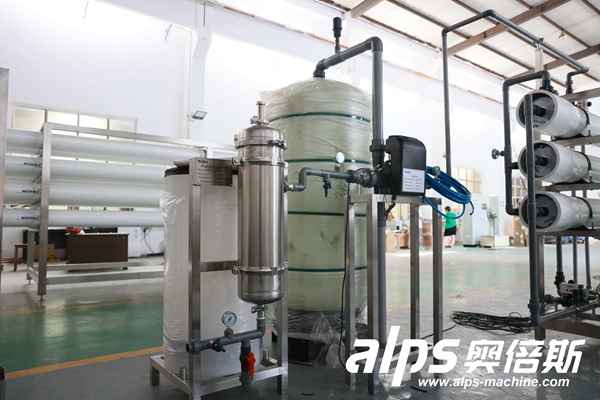
Các thiết bị chính trong hệ thống xử lý nước sơ bộ
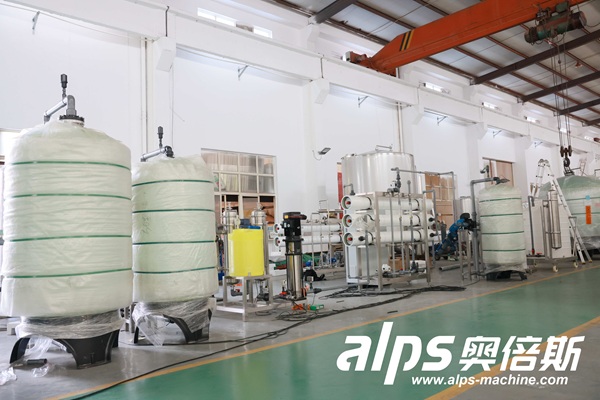
Hệ thống xử lý nước sơ bộ thường được cấu tạo từ nhiều đơn vị, chứ không phải một bộ lọc duy nhất. Mỗi đơn vị xử lý một vấn đề khác nhau trong nước thô trước khi nước đi vào thiết bị thẩm thấu ngược (RO), siêu lọc (UF), tia cực tím (UV) hoặc thiết bị lưu trữ. Sự kết hợp phù hợp phụ thuộc vào nguồn nước, báo cáo kiểm nghiệm nước, công suất sản xuất và các yêu cầu bảo vệ của hệ thống xử lý nước tiếp theo.
Bộ lọc đa phương tiện
Bộ lọc đa tầng thường là thiết bị lọc chính đầu tiên trong hệ thống xử lý sơ bộ nước công nghiệp. Nó sử dụng các lớp vật liệu lọc để loại bỏ cát, rỉ sét, chất rắn lơ lửng, các hạt lớn và một phần độ đục trong nước thô.
Thiết bị này thường được sử dụng cho nước giếng, nước ngầm và nước mặt vì các nguồn nước này thường chứa các tạp chất lơ lửng mịn hoặc có thể nhìn thấy bằng mắt thường. Bằng cách giảm tải lượng hạt ngay từ đầu, bộ lọc đa tầng giúp bảo vệ các bộ lọc chính xác, mô-đun UF và màng RO khỏi bị tắc nghẽn sớm. Trong hệ thống tiền xử lý nước đóng chai, nó tạo ra điểm khởi đầu ổn định hơn cho phần còn lại của quy trình.
Bộ lọc than hoạt tính
Bộ lọc than hoạt tính chủ yếu được sử dụng để loại bỏ clo dư, mùi, màu và một phần chất hữu cơ trong nước. Trong sản xuất nước đóng chai, nó cũng giúp cải thiện vị giác và độ trong của nước đã qua xử lý trước giai đoạn lọc cuối cùng.
Bộ lọc than hoạt tính trước hệ thống RO đặc biệt quan trọng vì clo có thể làm hỏng một số vật liệu màng RO theo thời gian. Vì lý do này, nó thường được lắp đặt sau quá trình lọc đa tầng và trước khi hệ thống tiền xử lý RO đi vào quá trình lọc tinh hoặc tách màng. Nếu không loại bỏ clo đúng cách, ngay cả một hệ thống RO được thiết kế tốt cũng có thể gặp phải tình trạng màng bị lão hóa nhanh hơn và hiệu suất không ổn định.
Làm mềm nước
Máy làm mềm nước được sử dụng khi nước thô có độ cứng cao. Chức năng chính của nó là giảm các ion canxi và magiê, những nguyên nhân phổ biến gây ra hiện tượng đóng cặn do độ cứng trong đường ống, van và màng lọc RO.
Đối với nước giếng hoặc nước ngầm có độ cứng cao, việc sử dụng thiết bị làm mềm nước trước hệ thống thẩm thấu ngược (RO) có thể giúp bảo vệ màng RO khỏi bị đóng cặn và giảm tần suất vệ sinh bằng hóa chất. Điều này rất quan trọng trong một nhà máy xử lý nước, nơi hoạt động ổn định quan trọng hơn việc chỉ đơn thuần giảm chi phí thiết bị ban đầu. Nếu độ cứng của nước không được kiểm soát, hiện tượng đóng cặn trên màng RO có thể dẫn đến lưu lượng thấp hơn, áp suất cao hơn và tuổi thọ màng ngắn hơn.
Hệ thống định lượng chống đóng cặn
Hệ thống định lượng chất chống đóng cặn bổ sung chất chống đóng cặn vào nước cấp trước khi lọc thẩm thấu ngược (RO). Mục đích của nó là kiểm soát sự hình thành cặn trên màng RO, đặc biệt là trong các hệ thống lưu lượng lớn, các dự án RO có hiệu suất thu hồi cao hoặc các nguồn nước có nguy cơ đóng cặn cụ thể.
Thiết bị này thường được lựa chọn dựa trên phân tích nước thô. Trong một số dự án xử lý nước công nghiệp, việc bổ sung chất chống cáu cặn có thể phù hợp hơn so với làm mềm nước, tùy thuộc vào độ cứng của nước, tỷ lệ thu hồi và thiết kế hệ thống. Nó hoạt động như một phần của hệ thống xử lý sơ bộ RO để giảm nguy cơ cáu cặn và hỗ trợ hiệu suất màng lọc ổn định hơn.
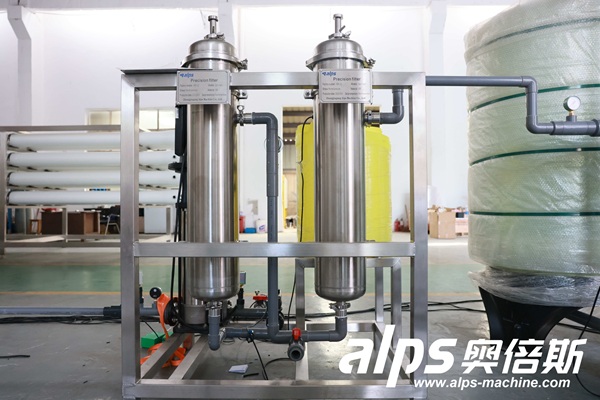
Bộ lọc chính xác
Bộ lọc chính xác là rào cản an toàn cuối cùng trước khi nước đi vào hệ thống lọc siêu lọc (UF) hoặc thẩm thấu ngược (RO). Nó giữ lại các hạt nhỏ có thể lọt qua các bộ lọc phía trước và giúp ngăn chúng xâm nhập vào bình áp suất RO hoặc các mô-đun UF.
Bộ lọc chính xác trước hệ thống RO hoặc UF rất đơn giản nhưng quan trọng. Nó bảo vệ các màng lọc khỏi sự nhiễm bẩn đột ngột của các hạt và cũng có thể ngăn chặn sự rò rỉ vật liệu lọc từ các bộ lọc phía trên. Vì các lõi lọc thu gom các tạp chất nhỏ trong quá trình hoạt động, chúng cần được thay thế thường xuyên. Trong một hệ thống xử lý nước hoàn chỉnh, bộ phận nhỏ này đóng vai trò quan trọng trong việc bảo vệ các thiết bị màng lọc đắt tiền ở phía sau.
Thiết kế hệ thống tiền xử lý cho các nguồn nước khác nhau
Sau khi hiểu rõ các thiết bị chính, bước tiếp theo là điều chỉnh chúng sao cho phù hợp với điều kiện nước thô thực tế. Một nhà máy xử lý nước không nên sử dụng cùng một thiết kế tiền xử lý cho mọi dự án. Nước máy, nước giếng, nước mặt, nước lợ và nước suối đều tiềm ẩn những rủi ro khác nhau, vì vậy hệ thống cần được thiết kế dựa trên dữ liệu thử nghiệm thay vì phỏng đoán. Đây là lý do tại sao
Phân tích nước thô trước khi thiết kế hệ thống xử lý sơ bộ Điều này rất quan trọng để lựa chọn các bước lọc, làm mềm, định lượng hoặc bảo vệ màng lọc phù hợp.
| Nguồn nước thô | Vấn đề chung | Điều trị dự phòng được khuyến nghị |
| Nước thành phố | Clo, mùi | Bộ lọc than hoạt tính + bộ lọc chính xác |
| Nước giếng | Độ cứng, cát, sắt | Bộ lọc đa tầng + bộ làm mềm + bộ lọc chính xác |
| Nước ờ bề mặt | Độ đục cao, chất hữu cơ | Khả năng lọc mạnh mẽ hơn + UF/RO |
| Nước lợ | TDS cao, nguy cơ đóng cặn | Xử lý sơ bộ + chống đóng cặn + RO |
| Nước suối | Độ đục, vi sinh vật | Lọc + Siêu lọc + Khử trùng |
Nước máy thường ổn định hơn, nhưng thường chứa clo dư và có mùi, vì vậy than hoạt tính thường được sử dụng trước khi lọc tinh. Nước giếng có thể chứa cát, độ cứng, sắt hoặc mangan, do đó hệ thống xử lý nước đóng chai thường cần lọc đa tầng và kiểm soát độ cứng. Nước mặt thường cần kiểm soát độ đục và vi sinh vật mạnh hơn, trong khi nước lợ cần kiểm soát cặn bám hiệu quả để xử lý nước trước khi lọc thẩm thấu ngược (RO).
Nước suối có vẻ trong sạch, nhưng độ đục và nguy cơ vi sinh vật vẫn cần được chú ý, đặc biệt là trước khi lưu trữ và khử trùng. Trong một số dự án, xử lý sơ bộ trước khi lọc siêu lọc (UF) được sử dụng để giảm tải cho hệ thống màng lọc. Những lựa chọn này chỉ là một phần của các giải pháp tổng thể.
quy trình xử lý nước đóng chai hoàn chỉnhnhưng chúng lại ảnh hưởng mạnh mẽ đến sự ổn định của toàn bộ hệ thống xử lý nước.
Điều gì sẽ xảy ra nếu việc chuẩn bị trước điều trị không tốt?
Nếu một nhà máy xử lý nước cắt giảm giai đoạn tiền xử lý chỉ để giảm ngân sách ban đầu, chi phí thực sự thường xuất hiện sau này trong quá trình vận hành hàng ngày. Tiền xử lý kém cho phép các chất rắn lơ lửng, khoáng chất gây độ cứng, sắt, mangan, chất hữu cơ hoặc clo dư dễ dàng xâm nhập vào hệ thống màng lọc. Theo thời gian, điều này có thể dẫn đến tắc nghẽn màng RO, đóng cặn trên màng RO, tắc nghẽn màng UF và hiệu suất hệ thống không ổn định.
Một dấu hiệu phổ biến là sản lượng nước giảm. Khi các hạt hoặc cặn bám tích tụ trên bề mặt màng lọc, hệ thống xử lý nước cần áp suất hoạt động cao hơn để duy trì sản lượng. Điều này làm tăng mức tiêu thụ năng lượng và gây thêm áp lực lên máy bơm, bình áp suất, van và lõi lọc. Lõi lọc chính xác cũng có thể bị tắc nhanh chóng, dẫn đến việc phải thay thế thường xuyên hơn và cần nhiều công việc bảo trì thủ công hơn.
Xử lý sơ bộ kém cũng có thể ảnh hưởng đến chất lượng nước cuối cùng. Tổng chất rắn hòa tan (TDS) có thể trở nên không ổn định, mùi hôi có thể vẫn còn trong nước đã xử lý, và khử trùng bằng tia cực tím có thể kém hiệu quả hơn khi độ đục quá cao. Hệ thống xử lý sơ bộ thẩm thấu ngược (RO) đúng cách giúp bảo vệ màng RO khỏi bị đóng cặn và giảm thiểu những rủi ro tiềm ẩn này trước khi chúng phát triển thành những sự cố nghiêm trọng. Nếu không có hệ thống này, nhà máy có thể phải đối mặt với thời gian ngừng hoạt động nhiều hơn, chi phí bảo trì cao hơn, tuổi thọ màng ngắn hơn và sản lượng không thể dự đoán được.
Cách bảo trì hệ thống xử lý nước sơ bộ
Hệ thống xử lý nước sơ bộ cần được bảo trì thường xuyên vì nó xử lý hầu hết các điều kiện không ổn định của nước thô trước khi nước đến giai đoạn lọc thẩm thấu ngược (RO), siêu lọc (UF) hoặc tia cực tím (UV). Nếu bỏ qua khâu đầu này, toàn bộ hệ thống xử lý nước có thể dần phải đối mặt với áp suất cao hơn, tắc nghẽn lõi lọc nhanh hơn và chất lượng nước kém ổn định hơn.
Quy trình bảo dưỡng định kỳ thực tế nên bao gồm các bước kiểm tra sau:
Thường xuyên rửa ngược bộ lọc đa tầng để loại bỏ cát, rỉ sét và các chất rắn lơ lửng bị giữ lại.
Thay thế hoặc tái tạo than hoạt tính khi khả năng loại bỏ clo giảm hoặc mùi khó chịu xuất hiện trở lại.
Kiểm tra mức muối làm mềm nước và đảm bảo chu trình tái tạo hoạt động đúng cách.
Theo dõi sự chênh lệch áp suất đầu vào và đầu ra giữa hai đầu bộ lọc.
Hãy thay thế các lõi lọc chính xác trước khi chúng bị tắc nghẽn nghiêm trọng.
Kiểm tra lượng clo dư trước khi sử dụng màng RO để bảo vệ màng RO.
Kiểm tra độ cứng sau khi làm mềm để xác nhận việc kiểm soát sự hình thành vảy.
Kiểm tra độ đục trước khi lọc siêu lọc (UF) hoặc thẩm thấu ngược (RO), đặc biệt khi chất lượng nước thô thay đổi.
Kiểm tra bơm định lượng và bể chứa chất chống cáu cặn trong hệ thống tiền xử lý RO.
Ghi lại dữ liệu về áp suất hệ thống, lưu lượng và chất lượng nước trong quá trình vận hành.
Đối với hệ thống xử lý nước đóng chai, hồ sơ bảo trì rất hữu ích vì chúng cho thấy vấn đề xuất phát từ sự biến động của nguồn nước thô, sự hao mòn của bộ lọc hay thiết kế hệ thống kém. Nếu cơ sở xử lý nước của bạn thường xuyên gặp phải tình trạng áp suất không ổn định, phải thay thế lõi lọc thường xuyên hoặc màng lọc bị tắc nghẽn sớm, có lẽ đã đến lúc cần xem xét lại cách lựa chọn hệ thống xử lý nước cho nhà máy của bạn.
FAQ
Liệu có cần xử lý sơ bộ trước khi sử dụng RO không?
Đúng vậy. Hệ thống RO cần nguồn nước cấp ổn định. Hệ thống xử lý nước sơ bộ loại bỏ các hạt, clo, độ cứng và nguy cơ đóng cặn trước khi nước đi vào màng RO.
Bộ lọc đa phương tiện loại bỏ những gì?
Bộ lọc đa tầng loại bỏ cát, rỉ sét, chất rắn lơ lửng, các hạt lớn và một phần độ đục trước khi nước đi vào hệ thống lọc tinh hoặc màng lọc.
Tại sao than hoạt tính được sử dụng trước khi thẩm thấu ngược (RO)?
Than hoạt tính loại bỏ clo dư, mùi hôi, màu sắc và một số chất hữu cơ. Nó rất quan trọng trong quá trình xử lý nước trước khi thẩm thấu ngược (RO) vì clo có thể làm hỏng màng RO.
Tôi nên chọn máy làm mềm nước hay chất chống đóng cặn?
Việc lựa chọn phương pháp phụ thuộc vào độ cứng của nước, nguy cơ đóng cặn, lưu lượng dòng chảy, tỷ lệ thu hồi nước RO và phân tích nước thô. Một số dự án sử dụng phương pháp làm mềm nước, trong khi những dự án khác sử dụng phương pháp bổ sung chất chống đóng cặn.
Nên bảo dưỡng các bộ lọc tiền xử lý với tần suất như thế nào?
Việc bảo trì phụ thuộc vào chất lượng nước thô, lưu lượng hệ thống, chênh lệch áp suất và thời gian hoạt động. Các bộ lọc cần được kiểm tra thường xuyên, rửa ngược hoặc thay thế khi cần thiết.
Liệu hệ thống thẩm thấu ngược (RO) có thể hoạt động mà không cần xử lý sơ bộ?
Công nghệ thẩm thấu ngược (RO) chỉ có thể hoạt động an toàn mà không cần xử lý sơ bộ khi nước cấp cực kỳ sạch và ổn định. Đối với hầu hết các dự án nhà máy xử lý nước, phương pháp này không được khuyến khích.