Расширенное решение для упаковки жидких продуктов
Любой вопрос?
Свяжитесь с нами


When you open a can of soda, the familiar hiss and rising bubbles signal carbon dioxide (CO2 ) escaping from the drink. But how does this gas get into the can? Manufacturers do not simply inject CO2 into an empty can before sealing it. Instead, the gas is dissolved into the beverage under controlled conditions before filling begins.
The process involves several coordinated steps. Water and other ingredients are prepared, the beverage is carbonated at a suitable temperature and pressure, and counter-pressure filling helps reduce CO2 loss during transfer into cans. Proper sealing then helps retain the gas and maintain carbonation.
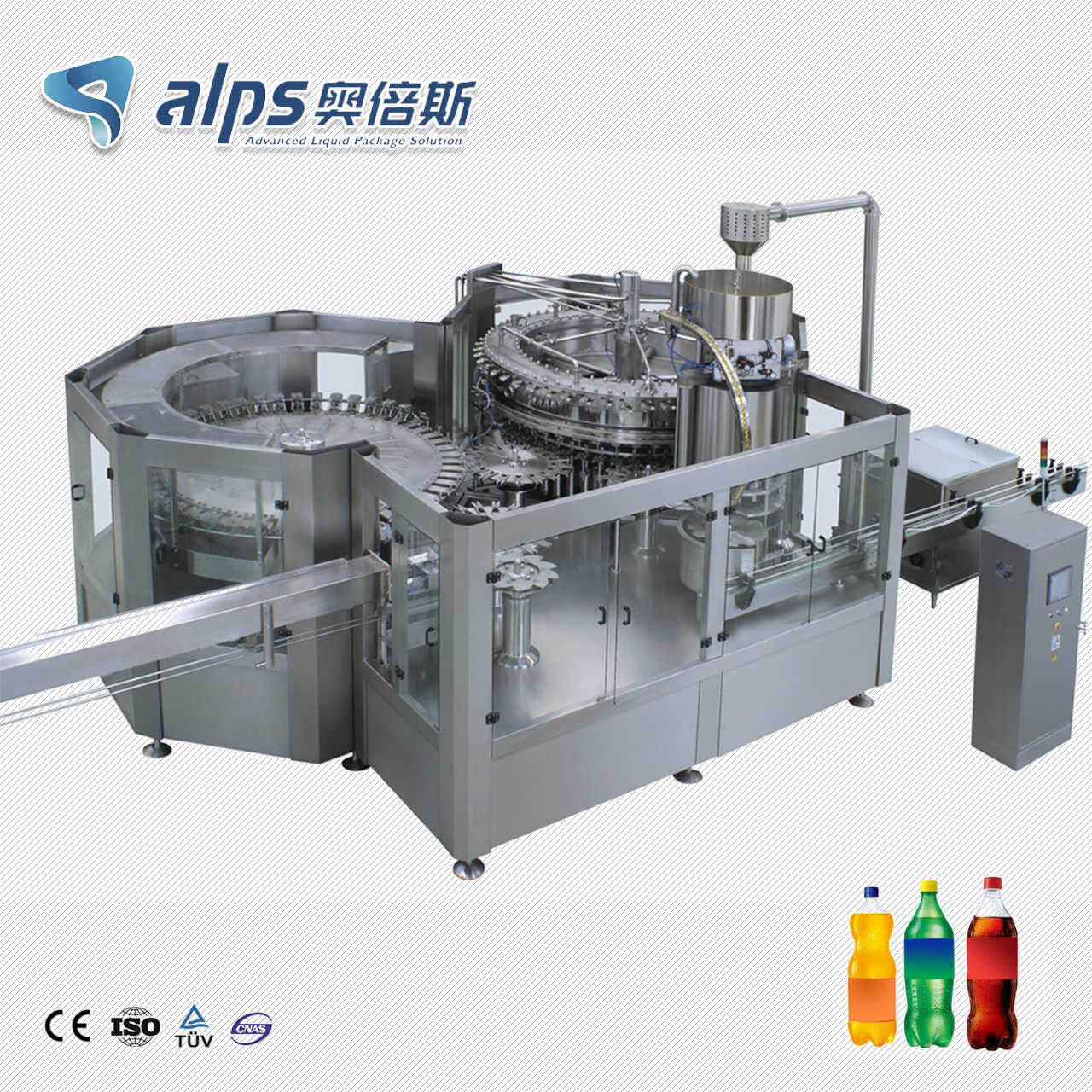
Понимание того, как машины для розлива напитков work alongside carbonation and sealing equipment helps explain how soda companies achieve consistent results. This article explores each stage, from beverage preparation and CO2 dissolution to can filling, sealing, and quality control.
Soda production begins with food-grade carbon dioxide (CO2 ) that meets applicable beverage-use requirements. Suppliers provide relevant quality documentation, while incoming checks help verify gas suitability. The beverage base is prepared according to the recipe, typically combining treated water with sugar or sweeteners, acids, and flavorings. Consistent ingredients and mixing conditions help maintain the desired taste before carbonation.
CO2 dissolves more readily in cold liquids and under suitable pressure. Beverage manufacturers use these conditions to introduce gas into the liquid. The dissolved CO2 creates the characteristic fizz and contributes to soda's refreshing sensation. The final carbonation level depends on several factors:
l Beverage temperature and operating pressure
l Recipe composition and target carbonation level
l Carbonation equipment and process control
Before carbonation, water is treated according to its source quality to control particles, off-flavors, mineral content, and potential microbiological risks. The treated water is then blended with syrup, concentrates, sweeteners, acids, and other ingredients according to the beverage recipe. Consistent preparation helps maintain the intended flavor and supports reliable carbonation. Key checks include:
l Brix: measures soluble solids, often used to monitor sugar concentration.
l Acidity: helps maintain the beverage's intended taste.
l Mixing uniformity: ensures ingredients are evenly distributed.
Dissolved oxygen can contribute to flavor and color deterioration during storage. Removing excess air before carbonation can help reduce these risks and improve process consistency. Vacuum deaeration is one possible method, although the appropriate approach depends on the beverage formulation and production line design. Deaeration performance should be verified against actual process requirements.
Prepared beverage enters a carbonation system, where food-grade CO2 is brought into contact with the liquid under controlled conditions. Lower temperatures generally improve gas solubility, while suitable pressure helps CO2 dissolve and remain in the beverage. Operators monitor carbonation levels and adjust process settings to maintain consistency between batches.
Once carbonation is complete, the beverage moves through a suitable supply system to the filling stage. A carbonated beverage filling machine must accommodate pressurized, gas-containing liquids to minimize CO2 loss during transfer and filling.
l Premix: The beverage is blended and carbonated before packaging.
l Postmix: Syrup and carbonated water are combined at the dispensing point.
Premix is common in packaged soda production, while postmix is typically used for dispensing systems.
After carbonation, soda travels through a controlled supply system to a beverage can filling machine. Counter-pressure filling helps preserve dissolved CO2 by bringing the empty can to a pressure close to that of the beverage before filling begins. This reduces sudden pressure changes that can trigger excessive foaming and gas loss. Consistent results depend on coordinating several operating factors:
l Beverage temperature and filling pressure
l Filling speed and target volume
l Pressure balance during filling
When soda enters a much lower-pressure environment, dissolved CO2 can escape rapidly, causing foam, inconsistent fill levels, and reduced carbonation. Soda therefore requires filling equipment designed to handle pressurized liquids. After filling, cans should move promptly to the seaming stage, minimizing unnecessary delays and pressure fluctuations. Proper coordination between filling and sealing helps maintain carbonation throughout packaging.
After filling, the seaming machine mechanically joins the can end to the can body through a double-seaming process, creating a secure closure. A properly formed seam helps prevent leaks, maintain internal pressure, and preserve the soda’s carbonation. A can filling and sealing machine integrates these stages to support efficient packaging and reduce unnecessary delays.
Manufacturers inspect seam dimensions and use appropriate leak tests and finished-product sampling to verify packaging integrity. Routine checks may include:
l Fill volume and carbonation level
l Seam condition and container appearance
l Compliance with product specifications
Pasteurization or other post-filling treatments depend on the beverage formulation, microbiological risks, and validated processing requirements.
Consistent carbonation depends on coordinated control from beverage preparation to final sealing. Operators monitor temperature, carbonation pressure, CO2 levels, fill volume, and seam quality. Equipment calibration, production records, and routine inspections help identify deviations before they affect entire batches. Variations in beverage formulation, liquid supply, filling conditions, or sealing integrity can all influence the finished product. Each stage must therefore work reliably with the next.
When evaluating carbonated beverage can filling machine manufacturers, buyers should consider production capacity, beverage type, can dimensions, target carbonation, automation, and packaging requirements. A suitable line may integrate:
l Water treatment and beverage blending
l Carbonation system integration and counter-pressure filling
l Can seaming and downstream packaging
Equipment configuration should match actual production needs, with compatibility between stages confirmed during project planning. This integrated approach helps manufacturers maintain product consistency while meeting operational targets.
Carbon dioxide enters soda through a controlled carbonation process, in which CO2 dissolves into the prepared beverage under suitable temperature and pressure conditions. Counter-pressure filling helps transfer the carbonated drink into cans while minimizing gas loss, and reliable seaming keeps the CO2 inside. Consistent results depend on coordinated control of water quality, beverage formulation, temperature, pressure, filling conditions, and seal integrity throughout production.
For businesses planning a new carbonated soft drink (CSD) line or upgrading existing equipment, Alps Machine provides CSD production lines and integrated filling and packaging solutions. Equipment configuration should match the beverage type, target output, and can specifications. Contact Alps Machine to discuss a production line solution tailored to your manufacturing needs.


Продолжая использовать сайт, вы соглашаетесь с нашей политикой конфиденциальности и Условиями использования.