Geavanceerde vloeistofverpakkingsoplossing
Heb je nog vragen?
Contact opnemen


A beverage bottle filling machine is a machine designed to dispense a controlled amount of liquid beverage into bottles. It is widely used in bottled water, juice, tea, carbonated drinks, and other beverage production, helping manufacturers fill containers efficiently and consistently.
The right machine depends on several factors, including beverage characteristics, bottle type, required filling accuracy, production capacity, and hygiene requirements. Different products may require different filling methods, equipment configurations, and levels of automation.
This article explains the definition and main types of beverage bottle filling machines, their working principles and role in a complete bottling line. It also covers key selection factors, routine maintenance, and common filling problems to help you understand how to choose and operate the right equipment.
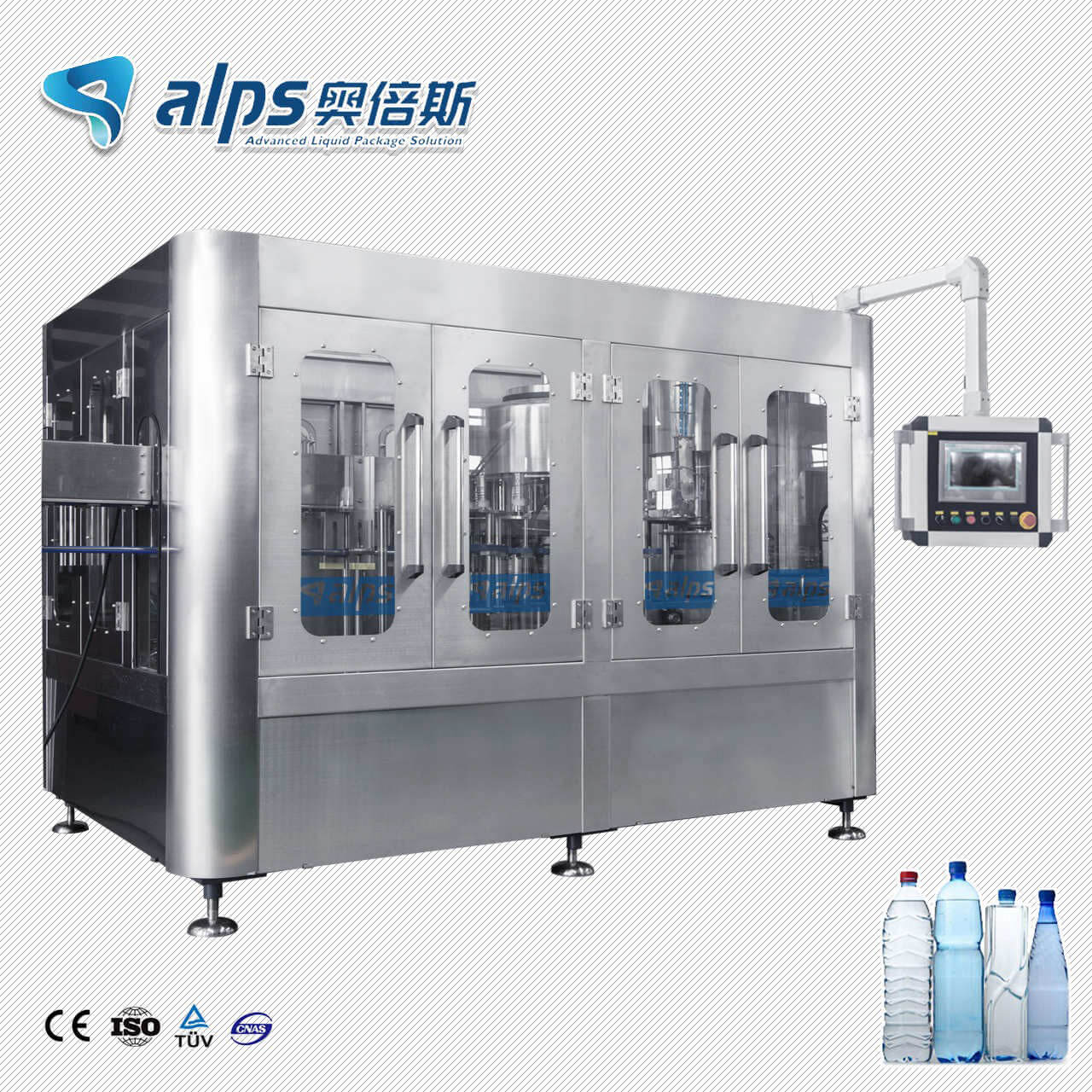
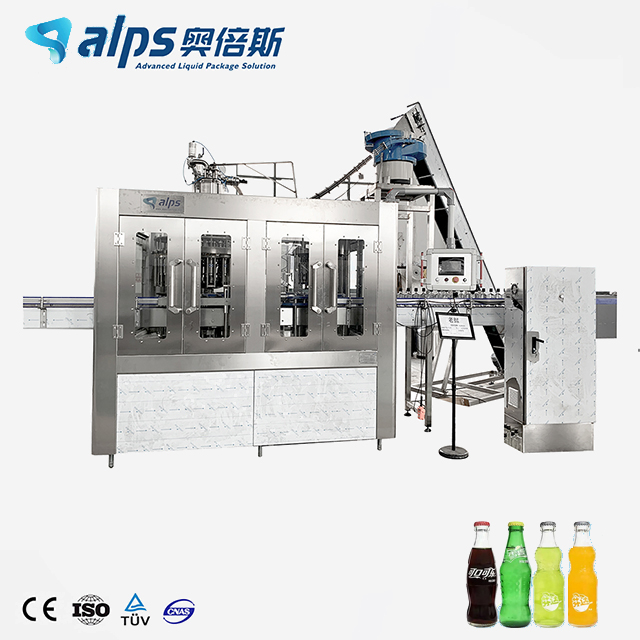
A beverage bottle filling machine is a semi-automated or geautomatiseerde vulmachine that dispenses a controlled amount of liquid into bottles. It is a core part of beverage packaging and is commonly connected with rinsing, capping, labeling, and packing equipment.
punt | Beschrijving |
Hoofdfunctie | Fills bottles with a controlled volume of beverage |
Common beverages | Water, juice, tea, carbonated and functional drinks |
Soorten flessen | PET, glass, HDPE, and other containers |
Belangrijkste vereisten | Filling accuracy, hygiene, speed, and stability |
Lijnpositie | Between bottle rinsing and capping |
The machine configuration varies according to the beverage, bottle design, production capacity, and required hygiene level. These factors determine the suitable filling method and equipment setup.
Different beverages require different filling methods because their viscosity, carbonation, temperature, and hygiene requirements vary. Machines can also be classified by how bottles move through the equipment.
Type | Typisch gebruik | Principe |
Zwaartekracht | Water, low-viscosity drinks | Liquid flows by gravity |
Isobaar | CSD, sparkling drinks | Matches pressure to retain CO₂ |
Vacuüm | Wine, specialty drinks | Pressure difference draws liquid |
Zuiger | Juice, viscous drinks | Piston controls volume |
Draaiend | Productie in grote volumes | Continuous rotary filling |
Lineair | Small or medium production | Bottles fill in a straight line |
monoblock | Water, CSD, other beverages | Combines rinsing, filling, and capping |
Key components include filling valves, product tanks, pumps, sensors, bottle handling systems, PLC/HMI controls, and cleaning systems. During operation, bottles are fed into the machine, positioned, filled, and transferred to capping. The filling method and control system determine how accurately and consistently the beverage is dispensed.
A beverage bottle filling machine works as part of a connected production system rather than as an isolated unit. A typical lijn voor het vullen van flessen follows this sequence:
Water Treatment→Bottle Blowing→Rinsing→Filling→Capping→Labeling→Coding→Packing
The filling machine must match the capacity and operating speed of both upstream and downstream equipment. Bottle size, conveyor layout, utilities, and changeover requirements also affect how the line is configured.
Capacity: Keep equipment speeds balanced.
Bottle flow: Ensure smooth transfer between machines.
Utilities: Plan water, electricity, compressed air, and other connections.
Layout: Allow practical space for operation, cleaning, and maintenance.
Proper integration helps reduce bottlenecks and keeps the bottling process running continuously from bottle preparation to finished-product packing.
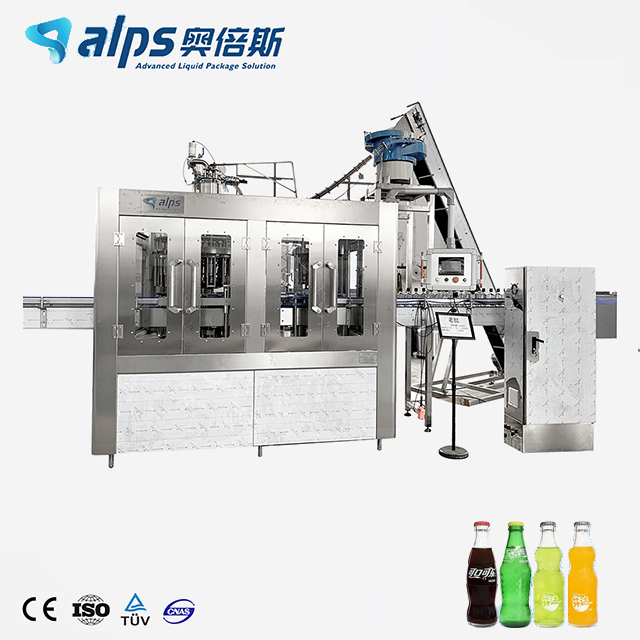
Choosing a beverage bottle filling machine starts with the product and packaging requirements. The filling method, machine capacity, and automation level should match the actual production conditions.
Factor | Wat te controleren? |
Drank | Viscosity, foam, CO2, temperature, particles |
Fles | Material, size, neck, shape |
Hefvermogen | Required bottles per hour |
Vul methode | Gravity, pressure, piston, or volumetric |
Hygiëne | Standard, hygienic, ultra-clean, or aseptic |
Automatisering | Handmatig, halfautomatisch of automatisch |
omschakeling | Bottle and volume change requirements |
Reiniging | CIP-systeem or other cleaning requirements |
Lijncompatibiliteit | Stroomopwaartse en stroomafwaartse apparatuur |
Water commonly requires fast, hygienic filling, while carbonated drinks need pressure-controlled filling to limit CO2 loss. Juice and viscous beverages may require specialized temperature, hygiene, or volume-control systems.
The final choice should balance product characteristics, production scale, bottle specifications, and the requirements of the complete bottling line.
Regular maintenance helps a beverage bottle filling machine maintain stable performance and reduces interruptions caused by worn parts, residue, or incorrect settings. Cleaning should follow the beverage type and the machine manufacturer's procedures.
Item | Focus |
Reiniging | Remove beverage residue from product-contact areas |
Ventielen vullen | Check leakage and filling consistency |
Zegels | Inspecteer op slijtage of schade |
Sensoren | Verify bottle detection and positioning |
CIP-systeem | Check cleaning coverage and operation |
Smering | Follow specified lubrication requirements |
Spare parts | Keep critical replacement parts available |
Uneven filling, dripping, excessive foaming, bottle jams, loose caps, and contamination can result from different causes. Operators should check valve condition, pressure, seals, bottle positioning, product temperature, and line speed before adjusting machine parameters.
A preventive maintenance schedule, trained operators, and timely replacement of worn components can help keep the filling process stable and minimize unexpected downtime.
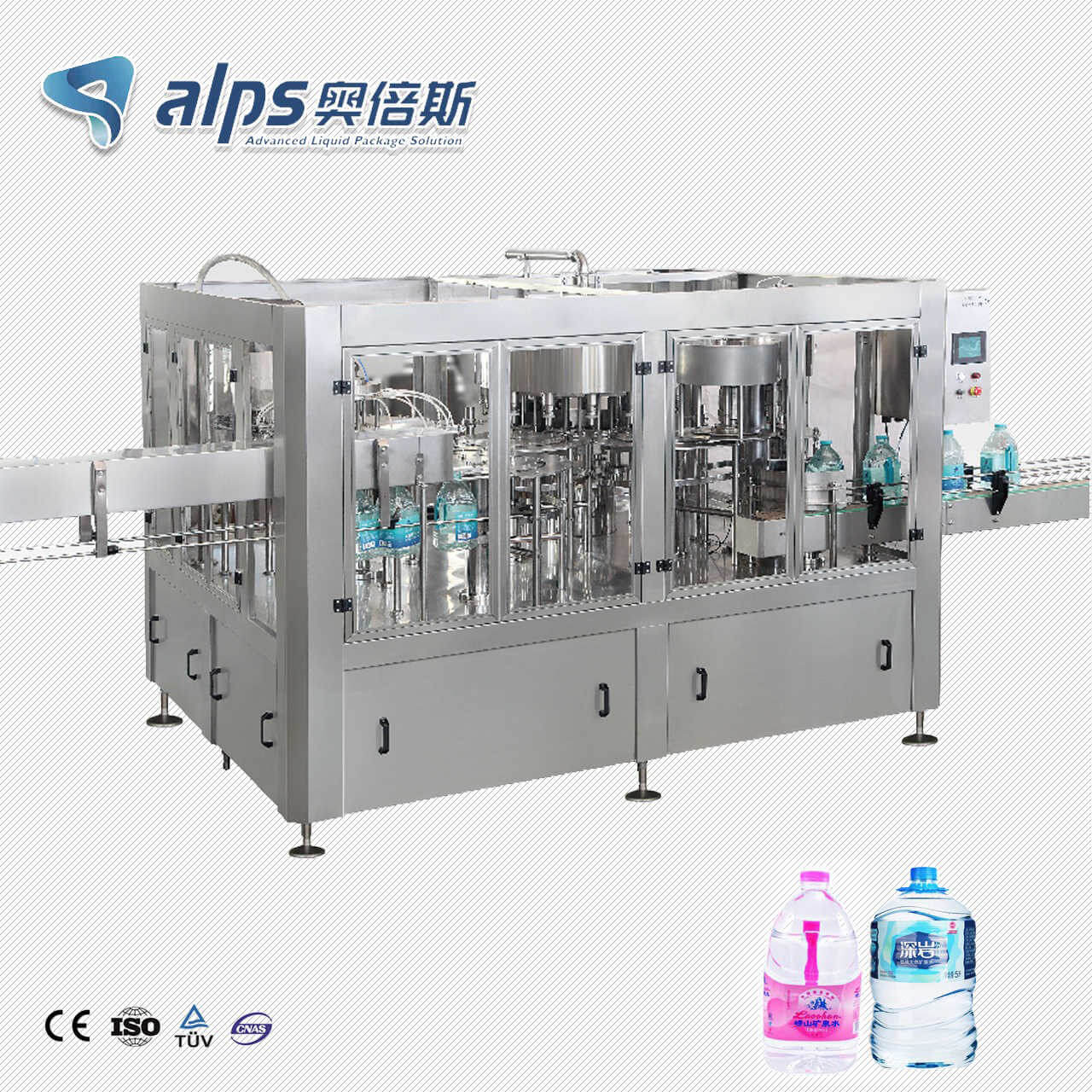
A beverage bottle filling machine controls the filling of liquid products into bottles and plays a central role in beverage packaging lines. The suitable machine depends on the beverage characteristics, bottle specifications, production capacity, filling method, hygiene requirements, and line configuration. Regular cleaning, inspection, and preventive maintenance are also essential for stable operation.
Alpenmachine provides beverage filling and packaging equipment, water treatment systems, PET-flessenblaasmachines, and turnkey bottling solutions. Its solutions can cover equipment selection and production line integration based on specific plant requirements. Need help choosing the right beverage bottle filling machine for your plant? Neem contact op met Alps Machine voor een kant-en-klare oplossing.


Door de site te blijven gebruiken, gaat u akkoord met ons privacybeleid en onze algemene voorwaarden.