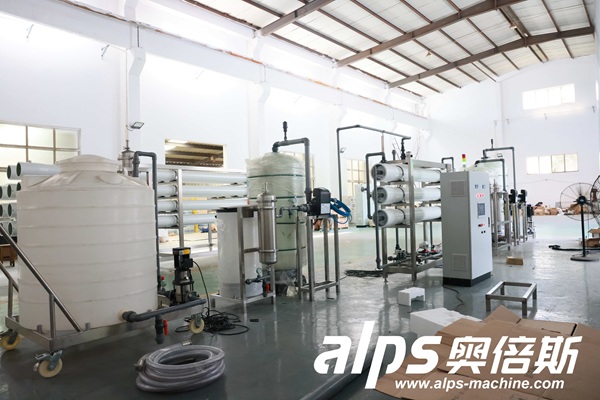
A जल उपचार प्रक्रिया प्रवाह यह कच्चे पानी को सुरक्षित, उच्च गुणवत्ता वाले बोतलबंद पानी में परिवर्तित करने वाली उपचार प्रक्रियाओं का क्रम है। यह उपकरणों के क्रम को निर्धारित करता है, पानी की स्थिर गुणवत्ता सुनिश्चित करता है और पूरी उत्पादन लाइन को कुशलतापूर्वक संचालित करने में मदद करता है। चूंकि कच्चे पानी की गुणवत्ता भिन्न-भिन्न होती है, इसलिए इसका कोई एक निश्चित तरीका नहीं है। बोतलबंद पानी के उपचार की प्रक्रिया का प्रवाह जो हर परियोजना के लिए उपयुक्त हो।
यह मार्गदर्शिका जल उपचार प्रवाह के व्यावहारिक डिज़ाइन पर केंद्रित है। यदि आप जल उपचार प्रणाली प्रक्रिया का व्यापक परिचय चाहते हैं , जिसमें प्रत्येक उपचार चरण का उद्देश्य भी शामिल है, तो आप हमारी संपूर्ण मार्गदर्शिका से शुरुआत कर सकते हैं। यहाँ आपको जल शोधन प्रक्रिया का संपूर्ण प्रवाह चार्ट , प्रत्येक उपचार चरण का कार्य और नगरपालिका जल, कुएँ के जल, झरने के जल और उच्च टीडीएस वाले जल के लिए अनुशंसित प्रक्रिया प्रवाह मिलेंगे। इसमें यह भी बताया गया है कि उत्पादन क्षमता और अनुप्रयोग आवश्यकताओं के आधार पर प्रक्रिया डिज़ाइन में कैसे परिवर्तन होते हैं।
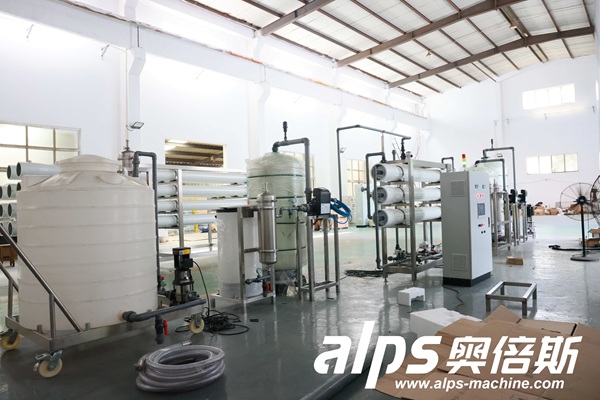
मानक बोतलबंद पानी उपचार प्रक्रिया प्रवाह
एक मानक जल उपचार प्रक्रिया प्रवाह यह प्रणाली पूर्व-उपचार, झिल्ली निस्पंदन, कीटाणुशोधन और जल भंडारण को एक संपूर्ण प्रणाली में संयोजित करती है। यद्यपि कच्चे पानी की गुणवत्ता के आधार पर इसका विन्यास भिन्न हो सकता है, फिर भी निम्नलिखित बातें लागू होती हैं। बोतलबंद पानी के उपचार की प्रक्रिया का प्रवाह इसका उपयोग आमतौर पर बोतलबंद पानी के उत्पादन में किया जाता है।
मानक प्रक्रिया प्रवाह
| ट्रेनिंग | उपकरण | उद्देश्य |
| 1 | कच्चे पानी की टंकी | यह कच्चे पानी का भंडारण करता है और पानी की स्थिर आपूर्ति प्रदान करता है। |
| 2 | कच्चे पानी का पंप | यह उपचार प्रणाली के माध्यम से पानी को एक स्थिर प्रवाह दर पर पहुंचाता है। |
| 3 | मल्टी-मीडिया फ़िल्टर | यह रेत, जंग, निलंबित ठोस पदार्थ और अन्य बड़े कणों को हटाता है। |
| 4 | सक्रिय कार्बन फ़िल्टर | यह अवशिष्ट क्लोरीन, गंध, रंग और कार्बनिक पदार्थों को हटाता है। |
| 5 | वाटर सॉफ़्टनर / एंटी-स्केलिंग सिस्टम | झिल्ली निस्पंदन से पहले कठोरता को कम करता है या परत बनने से रोकता है। |
| 6 | परिशुद्धता फ़िल्टर | यह महीन कणों को हटाकर यूएफ या आरओ झिल्लियों की सुरक्षा करता है। |
| 7 | यूएफ / आरओ सिस्टम | यह सूक्ष्मजीवों या घुले हुए लवणों को हटाकर मुख्य शुद्धिकरण का कार्य करता है। |
| 8 | शुद्ध पानी की टंकी | यह उपचारित पानी को संग्रहित करता है और फिलिंग लाइन को आपूर्ति को स्थिर करता है। |
| 9 | यूवी अजीवाणु | भरने से पहले तत्काल रोगाणुरोधी कीटाणुशोधन प्रदान करता है। |
| 10 | ओजोन प्रणाली | पानी की टंकी और पाइपलाइनों में सूक्ष्मजीवों का नियंत्रण बनाए रखता है। |
| 11 | भरने की मशीन | स्वच्छ परिस्थितियों में उपचारित पानी को बोतलों में भरता है। |
पहले छह चरण मुख्य रूप से इसके लिए उपयोग किए जाते हैं पूर्व-उपचारयह प्रक्रिया झिल्ली प्रणाली की सुरक्षा करते हुए निलंबित ठोस पदार्थों, क्लोरीन और कठोरता को हटाती है। उचित पूर्व-उपचार झिल्ली के जीवनकाल को बढ़ाता है और समग्र प्रणाली की स्थिरता में सुधार करता है।
RSI यूएफ या RO प्रणाली का मूल है संपूर्ण जल उपचार प्रणाली प्रक्रियाखनिज प्रतिधारण की आवश्यकता होने पर यूएफ का उपयोग आमतौर पर किया जाता है, जबकि उच्च टीडीएस वाले पानी या शुद्ध पानी के उत्पादन के लिए आरओ को प्राथमिकता दी जाती है।
मेम्ब्रेन फिल्ट्रेशन के बाद, पानी को शुद्ध जल टैंक में संग्रहित किया जाता है और फिलिंग मशीन में प्रवेश करने से पहले अंतिम कीटाणुशोधन के लिए यूवी और ओजोन से गुजारा जाता है । निम्नलिखित अनुभाग बताते हैं कि विभिन्न कच्चे जल स्रोतों के लिए यह जल उपचार प्रक्रिया किस प्रकार बदलती है।
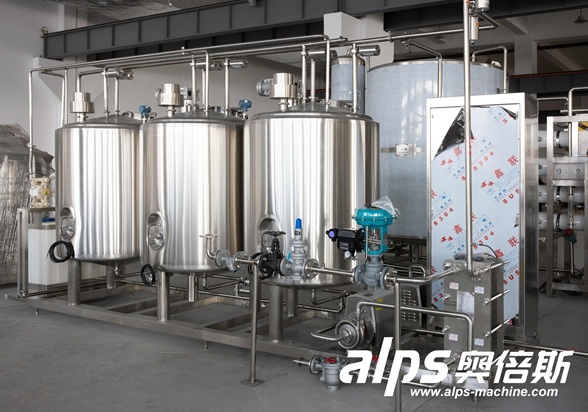
जल शुद्धिकरण प्रक्रिया का प्रवाह चार्ट समझाया गया
निम्नलिखित जल शोधन प्रक्रिया का प्रवाह चार्ट यह चित्र बोतलबंद पानी के उपचार की एक सामान्य प्रणाली में प्रत्येक चरण के कार्य को दर्शाता है। उपकरण की संरचना भले ही भिन्न हो, लेकिन प्रत्येक चरण का एक विशिष्ट उद्देश्य होता है और यह पानी को अगले उपचार चरण के लिए तैयार करता है।
| ट्रेनिंग | उपकरण | मुख्य समारोह |
| पानी का भंडारण | कच्चे पानी की टंकी | कच्चे पानी की आपूर्ति को स्थिर करता है। |
| दूध पिलाने | कच्चे पानी का पंप | यह उपचार प्रणाली में पानी को एक स्थिर प्रवाह दर पर पहुंचाता है। |
| पूर्व निस्पंदन | मल्टी-मीडिया फ़िल्टर | यह रेत, जंग और निलंबित ठोस पदार्थों को हटाता है। |
| स्वाद और क्लोरीन नियंत्रण | सक्रिय कार्बन फ़िल्टर | यह क्लोरीन, गंध, रंग और कार्बनिक पदार्थों को हटाता है। |
| कठोरता नियंत्रण | जल मृदुकारक / अपघटनरोधी | मेम्ब्रेन फिल्ट्रेशन से पहले स्केलिंग के जोखिम को कम करता है। |
| अंतिम सुरक्षा | परिशुद्धता फ़िल्टर | यह यूएफ या आरओ झिल्लियों को महीन कणों से बचाता है। |
| मुख्य शुद्धिकरण | यूएफ या आरओ सिस्टम | उपयोग के आधार पर, यह सूक्ष्मजीवों या घुले हुए लवणों को हटाता है। |
| उपचारित जल भंडारण | शुद्ध पानी की टंकी | अंतिम कीटाणुशोधन से पहले शुद्ध किए गए पानी को संग्रहित करता है। |
| अंतिम कीटाणुशोधन | यूवी अजीवाणु | भरने से ठीक पहले सूक्ष्मजीवों को निष्क्रिय कर देता है। |
| टैंक और पाइपलाइन स्वच्छता | ओजोन प्रणाली | भंडारण टैंकों और पाइपलाइनों में सूक्ष्मजीवों की वृद्धि को रोकता है। |
| उत्पादन | भरने की मशीन | स्वच्छ परिस्थितियों में उपचारित पानी को बोतलों में भरता है। |
कच्चे पानी की तैयारी
RSI कच्चे पानी का टैंक यह अस्थायी भंडारण प्रदान करता है, जबकि कच्चे पानी का पंप यह उपचार प्रणाली में स्थिर प्रवाह दर से पानी पहुंचाता है। स्थिर दबाव सभी अनुप्रवाह उपकरणों के विश्वसनीय संचालन को सुनिश्चित करने में मदद करता है।
पूर्व-उपचार चरण में निम्नलिखित शामिल हैं: मल्टी-मीडिया फ़िल्टर, सक्रिय कार्बन फिल्टर, जल मृदुकारक या अपघटनरोधी, तथा शुद्धता फ़िल्टरये इकाइयाँ निलंबित ठोस पदार्थों, अवशिष्ट क्लोरीन और कठोरता को हटाती हैं, साथ ही झिल्ली प्रणाली को गंदगी और स्केलिंग से बचाती हैं।
आधार के रूप में
जल उपचार प्रक्रिया प्रवाहउचित पूर्व-उपचार झिल्ली के प्रदर्शन और परिचालन लागत को सीधे प्रभावित करता है। इसके बारे में और जानें।
e प्रक्रिया प्रवाह में पूर्व-उपचार प्रणाली और प्रत्येक इकाई किस प्रकार स्थिर प्रणाली संचालन में योगदान देती है।
मुख्य शुद्धिकरण
झिल्ली प्रणाली इसका मूल भाग है। संपूर्ण जल उपचार प्रणाली प्रक्रियाकच्चे पानी की गुणवत्ता और तैयार पानी की विशिष्टताओं के आधार पर, सिस्टम निम्नलिखित में से किसी एक का उपयोग करता है। UF (अल्ट्राफिल्ट्रेशन) or आरओ (रिवर्स ऑस्मोसिस) प्राथमिक शुद्धिकरण तकनीक के रूप में।
अल्ट्राफिल्ट्रेशन ( UF ): यह लाभकारी खनिजों को बनाए रखते हुए निलंबित ठोस पदार्थों, बैक्टीरिया और अधिकांश सूक्ष्मजीवों को हटा देता है। इसका उपयोग आमतौर पर झरने के पानी और खनिज पानी के लिए किया जाता है।
आरओ (रिवर्स ऑस्मोसिस): यह घुले हुए लवणों, भारी धातुओं और अन्य सूक्ष्म प्रदूषकों को हटाता है। इसे आमतौर पर शुद्ध जल और उच्च टीडीएस वाले जल के लिए चुना जाता है।
यदि आप इस बात को लेकर अनिश्चित हैं कि कौन सी झिल्ली तकनीक अधिक उपयुक्त है, तो हमारी मार्गदर्शिका देखें कि कैसे...
यूएफ चुनें या RO प्रक्रिया प्रवाह में आपके जल स्रोत और उत्पादन लक्ष्यों के आधार पर।
जल भंडारण और अंतिम कीटाणुशोधन
झिल्ली निस्पंदन के बाद, उपचारित जल प्रवेश करता है शुद्ध पानी का टैंकजो उत्पादन और भरने की क्षमता को संतुलित करता है। उचित आकार का भंडारण टैंक उत्पादन के दौरान पानी की निरंतर आपूर्ति बनाए रखने में मदद करता है।
बोतल में भरने से पहले, पानी एक प्रक्रिया से गुजरता है।
UV अजीवाणु बनानेवाला पदार्थ तत्काल सूक्ष्मजीव निष्क्रियकरण और एक के लिए
ओजोन प्रणाली भंडारण टैंकों और पाइपलाइनों के अंदर स्वच्छता बनाए रखने के लिए। दोनों तकनीकों का एक साथ उपयोग करने से भरने से पहले द्वितीयक संदूषण का खतरा कम हो जाता है। विस्तृत तुलना के लिए
यूवी और ओजोन कीटाणुशोधन चरणइनके कार्य सिद्धांतों और अनुप्रयोगों सहित, अधिक जानकारी के लिए हमारी समर्पित मार्गदर्शिका देखें।
नगरपालिका जल के लिए प्रक्रिया प्रवाह
नगरपालिका का पानी आमतौर पर कुएं के पानी या सतही जल की तुलना में अधिक स्थिर होता है क्योंकि इसका बुनियादी उपचार हो चुका होता है। हालांकि, अवशिष्ट क्लोरीन, पाइप में मौजूद तलछट और सूक्ष्म कार्बनिक पदार्थ अंतिम उत्पाद को प्रभावित कर सकते हैं। उपकरण का चयन करने से पहले, एक बुनियादी उपचार करना उचित है।
प्रक्रिया डिजाइन से पहले कच्चे पानी का विश्लेषण पानी की वास्तविक गुणवत्ता और उपचार संबंधी आवश्यकताओं की पुष्टि करने के लिए।
अनुशंसित प्रक्रिया प्रवाह
| जल स्रोत | अनुशंसित प्रक्रिया प्रवाह |
| निगम जल | कच्चे पानी का टैंक → सक्रिय कार्बन फ़िल्टर → सटीक फ़िल्टर → आरओ या यूएफ़ → शुद्ध पानी का टैंक → यूवी → ओज़ोन → भरने की मशीन |
अन्य जल स्रोतों की तुलना में, नगरपालिका के पानी के लिए आमतौर पर एक सरल प्रक्रिया की आवश्यकता होती है। बोतलबंद पानी के उपचार की प्रक्रिया का प्रवाह. एक सक्रिय कार्बन फ़िल्टर यह अवशिष्ट क्लोरीन, गंध और कार्बनिक यौगिकों को हटाता है, जबकि एक शुद्धता फ़िल्टर यह झिल्ली प्रणाली में पानी के प्रवेश करने से पहले वितरण पाइपलाइन से महीन कणों को पकड़ लेती है।
यूएफ और आरओ में से चुनाव बोतलबंद पानी के लक्षित उत्पाद पर निर्भर करता है। यूएफ तब उपयुक्त होता है जब लक्ष्य प्राकृतिक खनिजों को बनाए रखते हुए सूक्ष्मजीवविज्ञानिक सुरक्षा में सुधार करना हो। यदि शुद्ध पानी का उत्पादन करना हो या कम टीडीएस की आवश्यकता हो, तो आरओ बेहतर विकल्प है। मेम्ब्रेन फिल्ट्रेशन के बाद, पानी फिलिंग मशीन में प्रवेश करने से पहले शुद्ध पानी के टैंक, यूवी स्टेरिलाइजर और ओजोन सिस्टम से गुजरता है, जिससे नगरपालिका जल के लिए पेयजल शुद्धिकरण प्रक्रिया पूरी होती है।
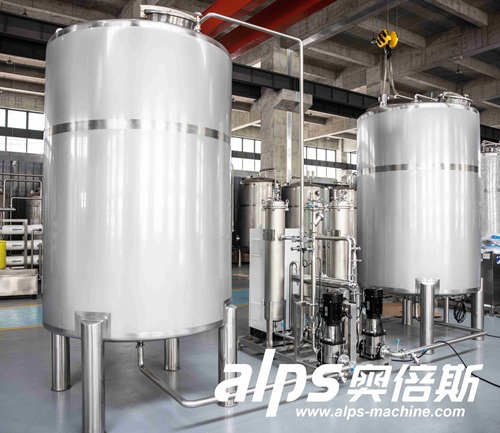
कुएं के पानी या भूमिगत जल के लिए प्रक्रिया प्रवाह
कुएं का पानी और भूमिगत जल के लिए आमतौर पर अधिक जटिल प्रक्रिया की आवश्यकता होती है। बोतलबंद पानी के उपचार की प्रक्रिया का प्रवाह नगरपालिका के पानी की तुलना में ये स्रोत कम प्रदूषणकारी होते हैं। हालांकि ये स्रोत सतही प्रदूषण से कम प्रभावित होते हैं, लेकिन इनमें अक्सर कठोरता, लोहा, मैंगनीज, घुले हुए खनिज और निलंबित ठोस पदार्थों का स्तर अधिक होता है। उपकरण का चयन करने से पहले, एक निश्चित मात्रा में पानी की जांच करने की सलाह दी जाती है। प्रक्रिया डिजाइन से पहले कच्चे पानी का विश्लेषण जल गुणवत्ता संबंधी समस्याओं की पहचान करने और उपयुक्त उपचार व्यवस्था निर्धारित करने के लिए।
अनुशंसित प्रक्रिया प्रवाह
| जल स्रोत | अनुशंसित प्रक्रिया प्रवाह |
| कुएं का पानी / भूमिगत जल | कच्चे पानी का टैंक → मल्टी-मीडिया फ़िल्टर → सक्रिय कार्बन फ़िल्टर → वाटर सॉफ़्टनर / एंटी-स्केलिंग सिस्टम → प्रेसिजन फ़िल्टर → आरओ सिस्टम → शुद्ध पानी का टैंक → यूवी → ओज़ोन → भरने की मशीन |
अतिरिक्त पूर्व-उपचार चरण झिल्ली प्रणाली की सुरक्षा के लिए डिज़ाइन किए गए हैं। मल्टी-मीडिया फ़िल्टर यह रेत और निलंबित ठोस पदार्थों को हटाता है, जबकि सक्रिय कार्बन फिल्टर कार्बनिक यौगिकों और अवशिष्ट गंधों को कम करता है। पानी सॉफ़्नर or एंटीस्केलेंट डोजिंग सिस्टम यह कठोरता को कम करता है और आरओ झिल्लियों पर परत बनने से रोकने में मदद करता है।
अधिकांश कुएं के पानी के अनुप्रयोगों के लिए, RO जल उपचार प्रक्रिया प्रवाह रिवर्स ऑस्मोसिस की सलाह दी जाती है। यह घुले हुए लवणों, भारी धातुओं और अतिरिक्त खनिजों को प्रभावी ढंग से हटाता है जिन्हें पारंपरिक फ़िल्टरेशन से हटाया नहीं जा सकता। आरओ उपचार के बाद, शुद्ध पानी को एक शुद्ध जल टैंक में संग्रहित किया जाता है, यूवी और ओजोन द्वारा कीटाणुरहित किया जाता है, और फिर बोतल में भरने के लिए फिलिंग मशीन में स्थानांतरित किया जाता है।
झरने के पानी या खनिज पानी के लिए प्रक्रिया प्रवाह
झरने का पानी और खनिज पानी के लिए आमतौर पर एक सरल प्रक्रिया की आवश्यकता होती है। बोतलबंद पानी के उपचार की प्रक्रिया का प्रवाह क्योंकि इनमें अक्सर प्राकृतिक रूप से संतुलित खनिज पाए जाते हैं। उपचार का उद्देश्य न केवल सुरक्षा सुनिश्चित करना है, बल्कि यथासंभव पानी के प्राकृतिक स्वाद और खनिज संरचना को भी संरक्षित करना है।
अनुशंसित प्रक्रिया प्रवाह
| जल स्रोत | अनुशंसित प्रक्रिया प्रवाह |
| झरने का पानी / खनिज पानी | कच्चे पानी का टैंक → मल्टी-मीडिया फ़िल्टर → प्रेसिजन फ़िल्टर → यूएफ → शुद्ध पानी का टैंक → यूवी → ओजोन → भरने की मशीन |
शुद्धिकरण जल उत्पादन के विपरीत, झरने के पानी के लिए हमेशा रिवर्स ऑस्मोसिस की आवश्यकता नहीं होती है। मल्टी-मीडिया फ़िल्टर यह निलंबित ठोस पदार्थों को हटाता है, जबकि एक परिशुद्धता फ़िल्टर झिल्ली निस्पंदन से पहले अतिरिक्त सुरक्षा प्रदान करता है। कई मामलों में, यूएफ (अल्ट्राफिल्ट्रेशन) यह बेहतर विकल्प है क्योंकि यह प्राकृतिक रूप से पाए जाने वाले अधिकांश खनिजों को बनाए रखते हुए बैक्टीरिया और अन्य सूक्ष्मजीवों को हटा देता है।
यूएफ उपचार के बाद, पानी को शुद्ध जल टैंक में संग्रहित किया जाता है और आगे की प्रक्रिया से गुजरता है। UV और ओजोन बोतल में भरने से पहले अंतिम कीटाणुशोधन के लिए। पेयजल शुद्धिकरण प्रक्रिया प्रवाह यह पानी के खनिज तत्वों या स्वाद में महत्वपूर्ण बदलाव किए बिना सूक्ष्मजीवों से जुड़े जोखिमों को नियंत्रित करने में मदद करता है। हालांकि, यदि कच्चे पानी में उच्च टीडीएस या अत्यधिक घुले हुए प्रदूषक तत्व हैं, तो यूएफ के बजाय आरओ सिस्टम की आवश्यकता हो सकती है।
उच्च टीडीएस या खारे पानी के लिए प्रक्रिया प्रवाह
उच्च टीडीएस और खारे पानी में घुले हुए लवणों का स्तर अधिक होता है जिसे केवल पारंपरिक निस्पंदन से नहीं हटाया जा सकता। अधिकांश परियोजनाएं एक समर्पित प्रणाली पर निर्भर करती हैं।
आरओ जल उपचार प्रक्रिया टीडीएस को कम करने और बोतलबंद पानी की गुणवत्ता मानकों को पूरा करने वाला पानी उत्पादित करने के लिए। परिणामस्वरूप,
RO जल उपचार प्रक्रिया प्रवाह इन जल स्रोतों के लिए यह सबसे आम समाधान है।
अनुशंसित प्रक्रिया प्रवाह
| जल स्रोत | अनुशंसित प्रक्रिया प्रवाह |
| उच्च टीडीएस / खारा पानी | कच्चे पानी का टैंक → मल्टी-मीडिया फ़िल्टर → सक्रिय कार्बन फ़िल्टर → एंटी-स्केलिंग सिस्टम → प्रेसिजन फ़िल्टर → आरओ सिस्टम → शुद्ध पानी का टैंक → यूवी → ओजोन → भरने की मशीन |
विश्वसनीय जल उपचार प्रक्रिया प्रवाह उच्च टीडीएस वाले पानी के लिए उपचार की शुरुआत प्रभावी पूर्व-उपचार से होती है। मल्टी-मीडिया फ़िल्टर निलंबित ठोस पदार्थों को हटाता है, सक्रिय कार्बन फिल्टर यह क्लोरीन और कार्बनिक यौगिकों को हटाता है, और एंटी-स्केलिंग सिस्टम यह खनिज जमाव से आरओ झिल्ली को होने वाले नुकसान को रोकने में मदद करता है। शुद्धता फ़िल्टर इसके बाद यह पानी के आरओ यूनिट में प्रवेश करने से पहले ही महीन कणों को पकड़ लेता है।
खारे पानी के लिए बोतलबंद पानी उत्पादन लाइन की जल उपचार प्रक्रिया में आरओ सिस्टम मुख्य घटक है । स्थिर प्रदर्शन और उचित परिचालन लागत सुनिश्चित करने के लिए इसकी पुनर्प्राप्ति दर, मेम्ब्रेन संरचना और परिचालन दबाव का चयन कच्चे पानी के विश्लेषण के अनुसार किया जाना चाहिए। आरओ उपचार के बाद, शुद्ध पानी को शुद्ध जल टैंक में संग्रहित किया जाता है, यूवी और ओजोन द्वारा कीटाणुरहित किया जाता है, और फिर स्वच्छ तरीके से बोतलबंद करने के लिए फिलिंग मशीन में स्थानांतरित किया जाता है।
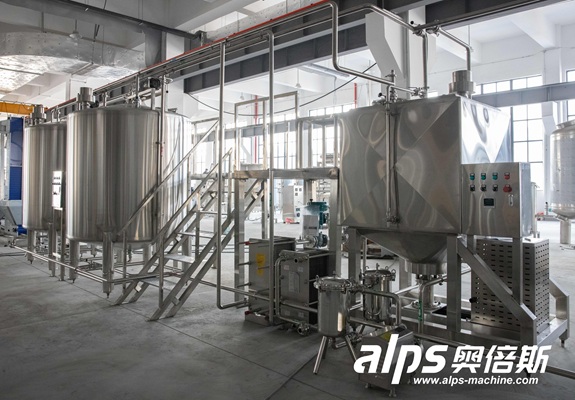
क्षमता प्रक्रिया प्रवाह डिजाइन को कैसे प्रभावित करती है
A जल उपचार संयंत्र प्रवाह आरेख सिस्टम को कच्चे पानी की गुणवत्ता और उत्पादन क्षमता दोनों के अनुसार डिज़ाइन किया जाना चाहिए। क्षमता बढ़ने पर, सिस्टम को बॉटलिंग लाइन की गति के अनुरूप स्थिर जल आपूर्ति प्रदान करनी चाहिए। बोतल का आकार, भरने की गति और दैनिक उत्पादन लक्ष्य भी समग्र डिज़ाइन को प्रभावित करते हैं। बोतलबंद पानी उत्पादन लाइन जल उपचार प्रवाह.
| उत्पादन क्षमता | डिजाइन संबंधी |
| छोटी उत्पादन लाइन | सरल प्रक्रिया लेआउट, छोटे भंडारण टैंक, बुनियादी नियंत्रण प्रणाली, कम प्रवाह की आवश्यकता। |
| मध्यम से बड़े आकार की उत्पादन लाइन | बड़े आकार के कच्चे पानी और शुद्ध पानी के टैंक, स्थिर प्रवाह नियंत्रण, स्वचालित वाल्व संचालन और निरंतर उत्पादन क्षमता। |
| हाई-स्पीड बॉटलिंग लाइन | उत्पादन में रुकावट से बचने के लिए जल उपचार उत्पादन, शुद्ध जल टैंक की क्षमता और भरने की गति पूरी तरह से मेल खानी चाहिए। |
छोटे बोतल बनाने वाले संयंत्रों के लिए, एक कॉम्पैक्ट सिस्टम आमतौर पर पर्याप्त होता है क्योंकि पानी की खपत अपेक्षाकृत कम होती है। भंडारण टैंक और पंप छोटे हो सकते हैं, और नियंत्रण प्रणाली आम तौर पर कम जटिल होती है, जिससे निवेश और परिचालन लागत दोनों कम हो जाती हैं।
मध्यम और बड़े उत्पादन संयंत्रों को अधिक स्थिर जल आपूर्ति की आवश्यकता होती है। बड़े भंडारण टैंक जल की मांग में होने वाले उतार-चढ़ाव को संतुलित करने में सहायक होते हैं, जबकि स्वचालित नियंत्रण प्रक्रिया के दौरान निरंतर दबाव और प्रवाह बनाए रखते हैं। इससे उत्पादन क्षमता बढ़ती है और कार्य रुकने का समय कम होता है।
तेज़ गति वाली बॉटलिंग लाइनों के लिए, उपकरणों का सही मिलान अत्यंत महत्वपूर्ण हो जाता है। जल उपचार प्रणाली को फिलिंग मशीन की गति के अनुरूप लगातार पर्याप्त शुद्ध जल का उत्पादन करना चाहिए। यदि उपचार क्षमता या शुद्ध जल टैंक का आकार छोटा है, तो पानी की प्रतीक्षा में फिलिंग लाइन को रोकना पड़ सकता है, जिससे समग्र उत्पादकता कम हो जाती है। एक संपूर्ण प्रणाली को डिज़ाइन करते समय, जल उपचार संयंत्र प्रवाह आरेख इसे हमेशा फिलिंग लाइन की क्षमता के साथ मिलकर ही योजनाबद्ध किया जाना चाहिए, न कि एक स्वतंत्र प्रक्रिया के रूप में।
सामान्य प्रश्न
बोतलबंद पानी के लिए मानक जल उपचार प्रक्रिया प्रवाह क्या है?
मानक प्रक्रिया इस प्रकार है: कच्चा पानी की टंकी → कच्चे पानी का पंप → मल्टी-मीडिया फिल्टर → सक्रिय कार्बन फिल्टर → वाटर सॉफ़्टनर या एंटी-स्केलिंग सिस्टम → शुद्धता फ़िल्टर → यूएफ या RO → शुद्ध जल टैंक → UV → ओजोन → भरने की मशीनइसका सटीक विन्यास कच्चे पानी की गुणवत्ता और अंतिम बोतलबंद पानी उत्पाद पर निर्भर करता है।
क्या हर बोतलबंद पानी संयंत्र को आरओ (रिड्यूस्ड रॉ वॉटर) की आवश्यकता होती है?
नहीं। आरओ (रो) का उपयोग आमतौर पर शुद्ध पानी और उच्च टीडीएस वाले जल स्रोतों के लिए किया जाता है। यदि लक्ष्य झरने के पानी या खनिज पानी में प्राकृतिक खनिजों को बनाए रखना है, तो यूएफ (यूआरएफ) एक बेहतर विकल्प हो सकता है।
प्रक्रिया प्रवाह में यूवी कहाँ स्थापित किया जाता है?
यूवी फिल्टर आमतौर पर शुद्ध पानी की टंकी के बाद और भरने वाली मशीन से पहले लगाया जाता है। यह पानी को बोतल में भरने की प्रक्रिया में प्रवेश करने से ठीक पहले तुरंत कीटाणुरहित कर देता है।
शुद्ध जल टैंक के बाद ओजोन का उपयोग क्यों किया जाता है?
ओजोन शुद्ध पानी के टैंक और वितरण पाइपलाइनों को स्वच्छ रखने में मदद करता है। यह भंडारण और भरने से पहले स्थानांतरण के दौरान सूक्ष्मजीवों के विकास के जोखिम को कम करता है।
कच्चे पानी की गुणवत्ता प्रक्रिया प्रवाह को कैसे प्रभावित करती है?
कच्चे पानी की गुणवत्ता यह निर्धारित करती है कि अतिरिक्त पूर्व-उपचार, मेम्ब्रेन फिल्ट्रेशन या एंटी-स्केलिंग उपायों की आवश्यकता है या नहीं। अधिक कठोरता या टीडीएस वाले पानी को आमतौर पर नगरपालिका या झरने के पानी की तुलना में अधिक उन्नत उपचार प्रक्रिया की आवश्यकता होती है।
उत्पादन क्षमता के आधार पर मैं प्रक्रिया प्रवाह का चयन कैसे करूं?
उपचार प्रणाली फिलिंग लाइन के उत्पादन के अनुरूप होनी चाहिए। उच्च क्षमता वाले संयंत्रों में आमतौर पर निरंतर उत्पादन सुनिश्चित करने के लिए बड़े भंडारण टैंक, उच्च उपचार क्षमता और अधिक उन्नत नियंत्रण प्रणालियों की आवश्यकता होती है।
बोतलबंद पानी के प्रत्येक प्रोजेक्ट में कच्चे पानी की स्थिति और उत्पादन लक्ष्य अलग-अलग होते हैं। यदि आपको सही कॉन्फ़िगरेशन चुनने में मदद चाहिए, तो अपने प्लांट के लिए जल उपचार प्रक्रिया चुनने के बारे में हमारी गाइड पढ़ें।