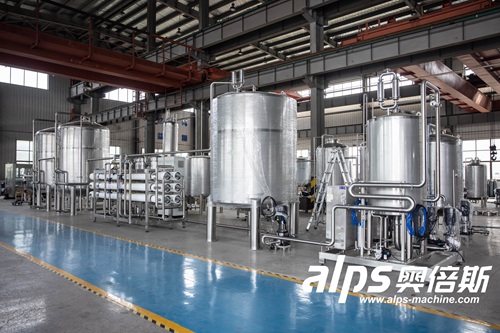
Tras comprender el proceso de producción de agua embotellada, el siguiente paso es analizar cómo funciona una línea de producción completa en su día a día. En la mayoría de las plantas, el proceso sigue una secuencia clara: tratar el agua, preparar las botellas, enjuagarlas y llenarlas, sellar las tapas y completar el etiquetado y el empaquetado final.
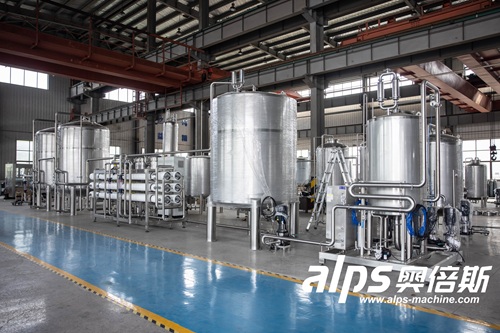
La producción de agua embotellada comienza con el tratamiento del agua cruda. Esta puede provenir de aguas subterráneas, agua municipal, manantiales u otra fuente autorizada, pero debe ser tratada antes de entrar en la sección de embotellado. El objetivo principal es eliminar impurezas visibles, olores, microorganismos y sustancias inestables que puedan afectar la calidad del agua.
Antes del llenado, las botellas deben prepararse y entregarse a la línea de llenado de agua. Algunas fábricas utilizan botellas vacías prefabricadas, lo cual puede ser adecuado para proyectos a pequeña escala o empresas de agua embotellada en sus primeras etapas. Esta opción reduce la inversión inicial en equipos de producción de botellas.
Para líneas de producción de velocidad media y alta, muchas plantas utilizan una máquina de soplado de botellas para fabricar botellas de PET in situ. Esto ayuda a reducir el transporte de botellas vacías, el espacio de almacenamiento y la inestabilidad del suministro. Además, permite a la fábrica controlar mejor la forma, el peso y la compatibilidad de las botellas con la máquina de llenado.
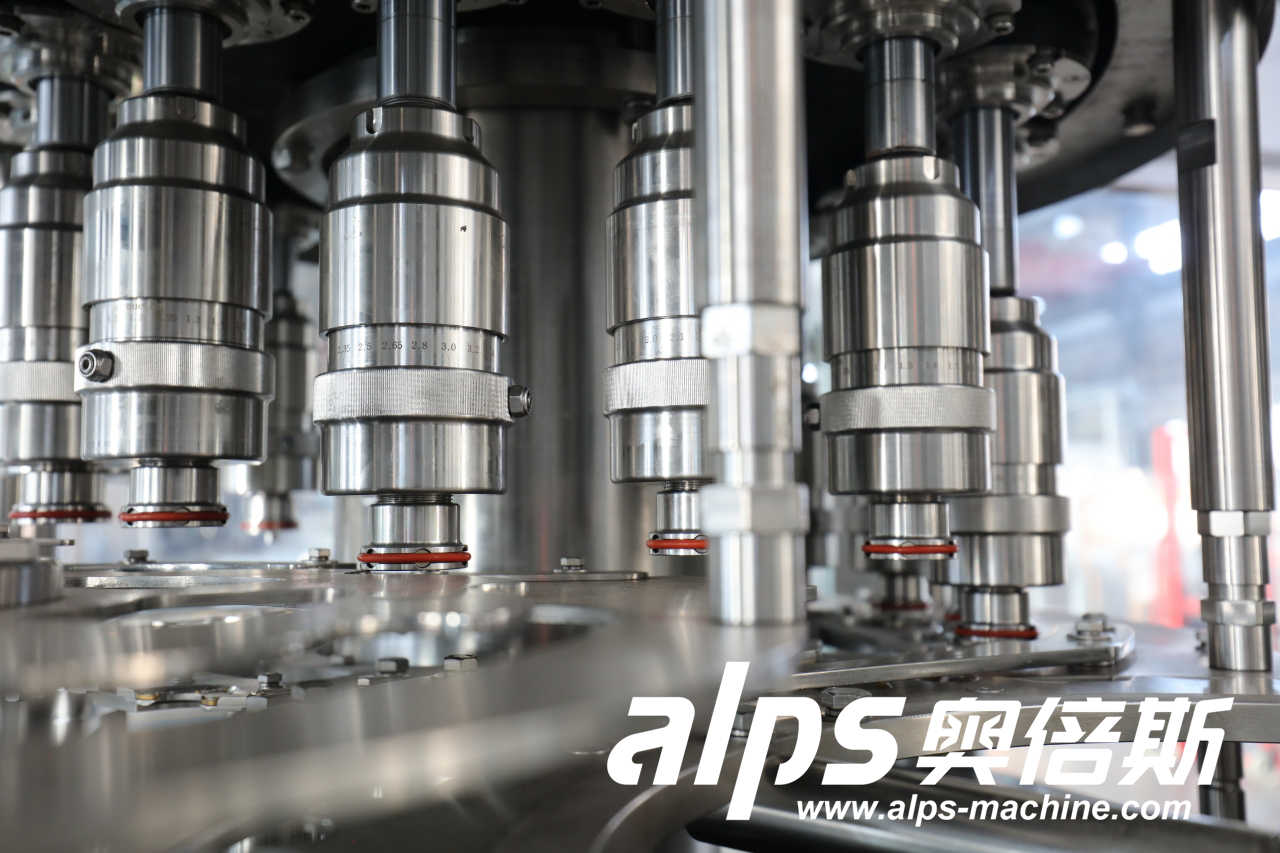
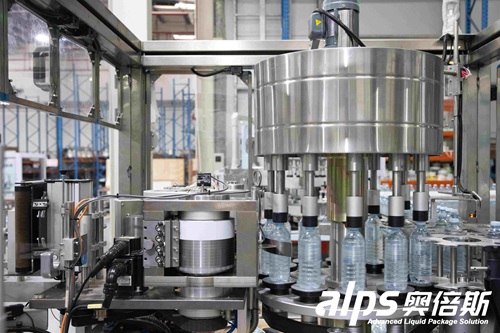
El enjuague, el llenado y el taponado son los pasos fundamentales de una línea de producción de agua embotellada. Las botellas vacías entran primero en la sección de enjuague para reducir el polvo y la posible contaminación en su interior. Tras el enjuague, las botellas pasan directamente a la zona de llenado, donde se llenan con agua tratada según el volumen requerido.
Una vez finalizado el llenado, las botellas se tapan inmediatamente para proteger el agua de la contaminación externa. Muchas plantas embotelladoras modernas utilizan una máquina de llenado, tapado y enjuague 3 en 1, que combina estos tres pasos en un sistema compacto. Este diseño contribuye a mejorar la higiene, reducir los puntos de transferencia y estabilizar el proceso de producción.
Una vez selladas, las botellas pasan a la sección de envasado final. Una etiquetadora aplica etiquetas o fundas termoencogibles para mostrar la marca, la información del producto y el diseño de la botella. A continuación, un equipo de codificación imprime la fecha de producción, el número de lote u otra información de seguimiento necesaria para la distribución.
El último paso es el empaquetado. Una máquina de empaquetado puede agrupar las botellas mediante film retráctil, cajas de cartón, bandejas o palés, según las necesidades del mercado y del transporte. Esta etapa influye no solo en la apariencia del agua embotellada, sino también en la eficiencia del almacenamiento, la seguridad del envío y la presentación en el lineal.
Una línea completa de embotellado de agua se compone de varias máquinas interconectadas, no solo de una unidad de llenado. Cada máquina gestiona una parte diferente de la línea de producción de agua embotellada, desde la preparación del agua hasta el envasado final. Cuando estos sistemas se combinan correctamente, la línea funciona con mayor fluidez y produce agua embotellada de calidad superior.
El sistema de tratamiento de agua prepara el agua bruta antes de que entre en la sección de llenado. Puede incluir filtración de arena, filtración de carbón activado, filtración de precisión, ósmosis inversa, esterilización UV y esterilización con ozono, según la fuente de agua y los requisitos del producto.
Este sistema desempeña un papel fundamental en la calidad del producto. Si el agua tratada es inestable, el resto de la línea de llenado no podrá solucionar completamente el problema. Por ello, la capacidad de tratamiento de agua debe ajustarse a la velocidad de llenado y al plan de producción diario.
Una máquina de soplado de botellas se utiliza para producir botellas de PET a partir de preformas. En proyectos de capacidad media y alta, suele ubicarse antes de la máquina de llenado de agua. Para las fábricas que producen grandes volúmenes de agua embotellada, fabricar las botellas in situ puede reducir la presión relacionada con el almacenamiento y el transporte de botellas vacías.
Esta máquina también ayuda a mejorar la uniformidad de las botellas. La forma estable de la botella, el tamaño del cuello y el grosor de la pared hacen que el enjuague, el llenado, el taponado, el etiquetado y el empaquetado sean más fiables.
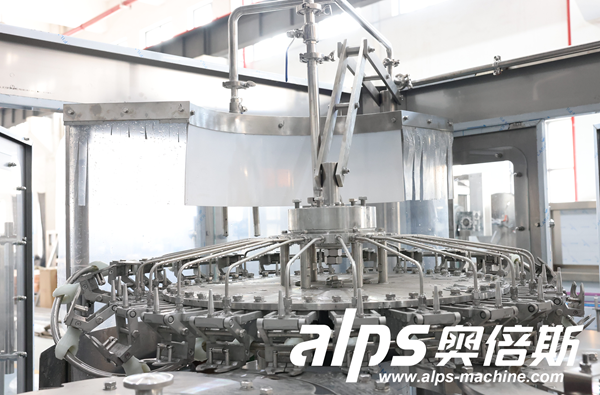
La máquina de enjuague, llenado y taponado es el equipo principal en una línea de producción de agua embotellada. Combina el enjuague de botellas, el llenado de agua y el sellado de las tapas en un sistema continuo. Este diseño reduce la transferencia de botellas entre diferentes máquinas y contribuye a mejorar la higiene durante la producción.
Una vez llenadas y tapadas las botellas, la etiquetadora aplica las etiquetas del producto, las fundas termoencogibles u otros materiales de marca. Este paso ayuda a los clientes a identificar el producto y mejora su presentación en el lineal.
La máquina de envasado agrupa las botellas terminadas para su almacenamiento y transporte. Según el mercado, la línea puede utilizar envasado con film retráctil, cajas de cartón, bandejas o paletización. Estas máquinas posteriores ayudan a proteger el agua embotellada y facilitan una distribución eficiente.
Cómo funciona una máquina de enjuague, llenado y taponado
En una línea de llenado de agua automatizada, la máquina de enjuague, llenado y taponado es la unidad central que conecta la limpieza de botellas, el llenado de agua y el sellado de tapas en un proceso continuo. En lugar de mover las botellas entre varias máquinas separadas, este sistema maneja los tres pasos clave de manera compacta y sincronizada. Para una explicación más detallada de la estructura y las aplicaciones del equipo, también puede consultar esta guía sobre
máquina de llenado y tapado.
Enjuague de la botella antes de llenarla.
Antes de que el agua entre en la botella, cada envase vacío debe limpiarse por dentro. Las botellas suelen sujetarse con pinzas, colocarse boca abajo o posicionarse con precisión en la zona de enjuague. A continuación, se rocía agua limpia o tratada en la botella para eliminar el polvo, las partículas pequeñas o los posibles contaminantes que puedan haber quedado tras el almacenamiento y el transporte.
Este paso es especialmente importante para el agua embotellada, ya que este producto no tiene colores, sabores ni ingredientes fuertes que puedan ocultar problemas de calidad. Una botella limpia ayuda a proteger la calidad del agua antes de que comience el proceso de llenado.
Llenado de agua preciso
Tras el enjuague, las botellas pasan directamente a la sección de llenado de la máquina embotelladora. Esta llena cada botella según el volumen requerido, lo que ayuda a mantener una apariencia uniforme del producto y a reducir el desperdicio de agua. Las máquinas embotelladoras de agua de diferente capacidad pueden utilizar un número distinto de válvulas de llenado para ajustarse a la producción deseada.
Para los propietarios de fábricas, la estabilidad del llenado es uno de los indicadores de rendimiento más importantes. Si el volumen de llenado es inestable, puede afectar la consistencia del producto, la posición del etiquetado, la calidad del empaque y la confianza del cliente.
Sellado de tapas y protección del producto
Una vez completado el llenado, la botella pasa inmediatamente a la sección de taponado. Allí se coloca y se ajusta el tapón para crear un cierre hermético que ayuda a prevenir fugas, contaminación y problemas durante el almacenamiento o el transporte.
La calidad del sellado de la tapa depende de varios factores, como el diseño del cuello de la botella, el tamaño y el material de la tapa, y el par de apriete. Cuando el enjuague, el llenado y el taponado funcionan en perfecta sincronía, la máquina de enjuague, llenado y taponado se convierte en la clave para una producción de agua embotellada estable e higiénica.
Cómo elegir la línea de producción de agua embotellada adecuada
Una vez que comprenda las máquinas principales y cómo funcionan en conjunto, el siguiente paso es elegir una línea de producción de agua embotellada que se ajuste a sus necesidades reales de producción. Una línea adecuada no solo debe llenar botellas, sino también garantizar una producción estable, una operación sencilla, la posibilidad de futuras ampliaciones y una perfecta coordinación entre los equipos anteriores y posteriores al proceso.
Capacidad de Producción
La capacidad de producción suele ser el factor principal a la hora de seleccionar una línea de embotellado de agua. Los compradores deben estimar la cantidad de botellas necesarias por hora, las horas de trabajo diarias, el volumen de pedidos previsto y el posible crecimiento futuro. Una línea pequeña puede ser adecuada para proyectos de embotellado de agua de nueva creación o mercados regionales, mientras que una línea de velocidad media o alta es más apropiada para fábricas con una demanda estable y planes de producción a largo plazo.
Es importante no elegir equipos basándose únicamente en la producción actual. Si se prevé que la empresa crezca, dejar margen para la expansión de la capacidad puede reducir la necesidad de reemplazos prematuros y contribuir a que la planta opere con mayor flexibilidad.
Tamaño y tipo de botella
El tamaño, la forma y el diseño del cuello de la botella influyen en la configuración de una embotelladora de agua. Los productos más comunes incluyen botellas pequeñas de agua PET, botellas de agua potable de mayor tamaño o botellas con formas especiales para marcas específicas. Cada formato puede afectar la alimentación, el enjuague, el llenado, el taponado, el etiquetado y la estabilidad del empaquetado de la botella.
Si una fábrica planea producir botellas de diferentes tamaños, la facilidad de cambio de formato debe considerarse desde el principio. Una línea de producción difícil de ajustar puede ralentizar la producción y aumentar la necesidad de mano de obra.
Nivel de automatización
Los distintos proyectos requieren diferentes niveles de automatización. Una línea semiautomática puede ser aceptable para una planta pequeña con una inversión limitada, mientras que una línea de producción de agua embotellada totalmente automatizada puede reducir la mano de obra, mejorar la uniformidad y aumentar la producción. Para las fábricas consolidadas, la automatización suele ser más importante que el precio inicial más bajo de la maquinaria.
Sin embargo, una mayor automatización también requiere una mejor adaptación de la línea de producción, capacitación del operador y planificación del mantenimiento. Dado que el nivel de automatización y la configuración del equipo afectan directamente la inversión, los compradores pueden revisar un análisis detallado.
costo de la línea de embotellado de agua Guía previa a la elaboración del presupuesto final.
Condiciones del espacio y de las instalaciones de la fábrica
Antes de solicitar una línea de llenado de agua, la fábrica debe confirmar el espacio disponible, la altura del taller, el drenaje, el suministro de agua, el suministro eléctrico, el aire comprimido y el acceso para la instalación. Estas condiciones influyen en el diseño de la línea y la disposición de los equipos.
Una buena planificación de la distribución ayuda a reducir el traslado innecesario de botellas, los cuellos de botella en la producción y los costos de futuras modificaciones. Para un proyecto nuevo, trabajar con un proveedor integral de plantas embotelladoras de agua puede facilitar la adaptación de la línea de producción al edificio, los servicios públicos y los objetivos de producción a largo plazo.
Problemas comunes en la producción de agua embotellada
Incluso con una línea de producción de agua embotellada bien diseñada, pueden surgir problemas si la selección, instalación o mantenimiento del equipo no se realizan correctamente. Muchos problemas no se deben a una sola máquina, sino a una mala coordinación entre la máquina de llenado de agua, el suministro de botellas, el sistema de taponado, la sección de etiquetado y el equipo de envasado.
Volumen de llenado inestable
Un volumen de llenado inestable significa que algunas botellas contienen demasiada agua, mientras que otras contienen muy poca. Esto afecta la consistencia del producto, la posición de la etiqueta, la apariencia del empaque y la confianza del cliente. Las causas comunes incluyen válvulas de llenado imprecisas, presión de agua inestable, mal ajuste de la máquina o inconsistencia en el tamaño de las botellas.
Para reducir este problema, la línea de llenado de agua debe instalarse, probarse y ajustarse correctamente antes de la producción completa. La inspección regular también es importante, especialmente para las válvulas de llenado, las tuberías, los sensores y los ajustes de control. Una guía práctica sobre
Mantenimiento de la máquina de llenado de agua puede ayudar a los operadores a prevenir muchos problemas comunes de llenado.
Sellado deficiente de la tapa
Un mal sellado de la tapa puede provocar fugas, tapas sueltas o daños en las botellas durante el almacenamiento y el transporte. Este problema suele estar relacionado con el diseño del cuello de la botella, la calidad de la tapa, el par de apriete o una incompatibilidad entre la tapa y el sistema de taponado.
Antes de que comience la producción, los compradores deben confirmar que la botella, la tapa y el cabezal de taponado sean compatibles. Durante el funcionamiento, los operarios también deben comprobar la estabilidad de la alimentación de las tapas y la presión de sellado para garantizar el buen funcionamiento de la línea de producción de agua embotellada.
Deformación de la botella o problemas de etiquetado
La deformación de la botella puede ocurrir cuando la pared es demasiado delgada, el proceso de soplado es inestable o la botella no es adecuada para la velocidad de la línea. Los problemas de etiquetado, como etiquetas torcidas o arrugadas, suelen deberse a un movimiento inestable de la botella, materiales de etiqueta inadecuados o una mala sincronización entre la etiquetadora y la cinta transportadora.
Estos problemas demuestran por qué el diseño, el soplado, el llenado, el etiquetado y el empaquetado de las botellas deben considerarse en conjunto. Un sistema estable de embotellado de agua requiere una buena coordinación entre cada sección, no solo un alto rendimiento de una sola máquina.
Baja eficiencia debido a una mala coincidencia de líneas.
La baja eficiencia suele producirse cuando una máquina funciona más rápido que el resto de la línea. Por ejemplo, una máquina de llenado de alta velocidad puede tener una producción limitada si la alimentación, el etiquetado o el empaquetado de las botellas no pueden seguir el ritmo. Esto provoca paradas, acumulación de botellas y ajustes innecesarios en la mano de obra.
La mejor manera de evitar este problema es planificar toda la línea de producción de agua embotellada como un sistema único. La capacidad, la disposición de las cintas transportadoras, el nivel de automatización y el envasado posterior deben estar coordinados desde el principio, en lugar de combinar máquinas separadas después de la compra.
¿Por qué trabajar con un proveedor de plantas embotelladoras de agua llave en mano?
Para muchos proyectos de agua embotellada, el principal desafío no radica en adquirir una sola máquina, sino en lograr que todo el sistema funcione en conjunto. Un proveedor de plantas de agua embotellada llave en mano puede ayudar a integrar el tratamiento del agua, la preparación de las botellas, el llenado, el etiquetado, el empaquetado, la instalación y el servicio en una solución planificada.
Planificación completa de la línea
Un proveedor integral puede diseñar la línea de producción de agua embotellada en función de la fuente de agua del comprador, el tipo de botella, la capacidad objetivo, el espacio disponible en la fábrica y el presupuesto. Esto resulta especialmente útil para las nuevas plantas de agua embotellada que aún no tienen experiencia con la distribución de equipos ni el flujo de producción.
En lugar de comprar primero las máquinas por separado y solucionar los problemas de distribución después, la planificación integral de la línea ayuda a reducir el riesgo del proyecto desde el principio. Además, facilita la integración del sistema de tratamiento de agua, el equipo de soplado de botellas, la línea de llenado de agua, la sección de etiquetado y el sistema de empaquetado.
Mejor compatibilidad de equipos
Una línea de producción estable depende de más factores que la velocidad de la máquina. El tamaño de la botella, la disposición de la cinta transportadora, los sistemas de control, la capacidad de llenado, el rendimiento del taponado y la velocidad de envasado posterior deben funcionar en conjunto. Si las máquinas provienen de diferentes proveedores, la coordinación técnica puede resultar más difícil durante la instalación y la producción de prueba.
Con una solución integral para plantas embotelladoras de agua, se considera la compatibilidad de los equipos antes de que comience la producción. Esto puede reducir los cuellos de botella, mejorar la estabilidad de la línea y facilitar el mantenimiento futuro para el equipo de la fábrica.
Instalación, capacitación y soporte posventa
Los compradores B2B necesitan más que la simple entrega de equipos. También requieren orientación para la instalación, asistencia para la puesta en marcha, capacitación de operadores, repuestos y asesoramiento sobre mantenimiento. Estos servicios influyen en la rapidez con la que la planta puede comenzar a producir y en su fiabilidad a largo plazo.
Para proyectos de agua embotellada en el extranjero, la comunicación técnica clara y el soporte posventa son especialmente importantes. Si está planificando una nueva línea de embotellado, conversar con un proveedor integral sobre su capacidad, tamaño de botella, diseño de la fábrica y fuente de agua puede ayudarle a elaborar un plan de producción más práctico.
Conclusión
El proceso de producción de agua embotellada comprende varias etapas interconectadas: tratamiento del agua, preparación de la botella, enjuague, llenado, taponado, etiquetado, codificación y envasado final. Cada paso influye en el producto final de manera diferente, desde la seguridad del agua y la precisión del llenado hasta la calidad del envase y la estabilidad durante el transporte.
Para los compradores B2B, comprender este proceso facilita la elección de la línea de embotellado de agua adecuada. En lugar de comparar únicamente el precio de una sola máquina, resulta más práctico evaluar la línea completa de producción de agua embotellada, incluyendo la capacidad, el tipo de botella, el nivel de automatización, la distribución de la fábrica y las necesidades de mantenimiento a largo plazo.
Si está planificando un nuevo proyecto de agua embotellada o modernizando una planta existente, trabajar con un proveedor de plantas de agua embotellada llave en mano puede ayudarle a crear una solución más adecuada y eficiente en función de sus objetivos de producción.