Solución avanzada para envases de líquidos
¿Alguna otra duda o pregunta adicional?
Póngase en contacto


En la fabricación moderna, especialmente en las industrias de bebidas, agua embotellada, alimentos, productos farmacéuticos y químicos de uso diario, la eficiencia del envasado y la higiene del producto son fundamentales. Uno de los equipos más esenciales en estas líneas de producción es la máquina de llenado y taponado. Esta se encarga de llenar con precisión los productos líquidos en los envases y sellarlos de forma segura para su almacenamiento, transporte y venta.
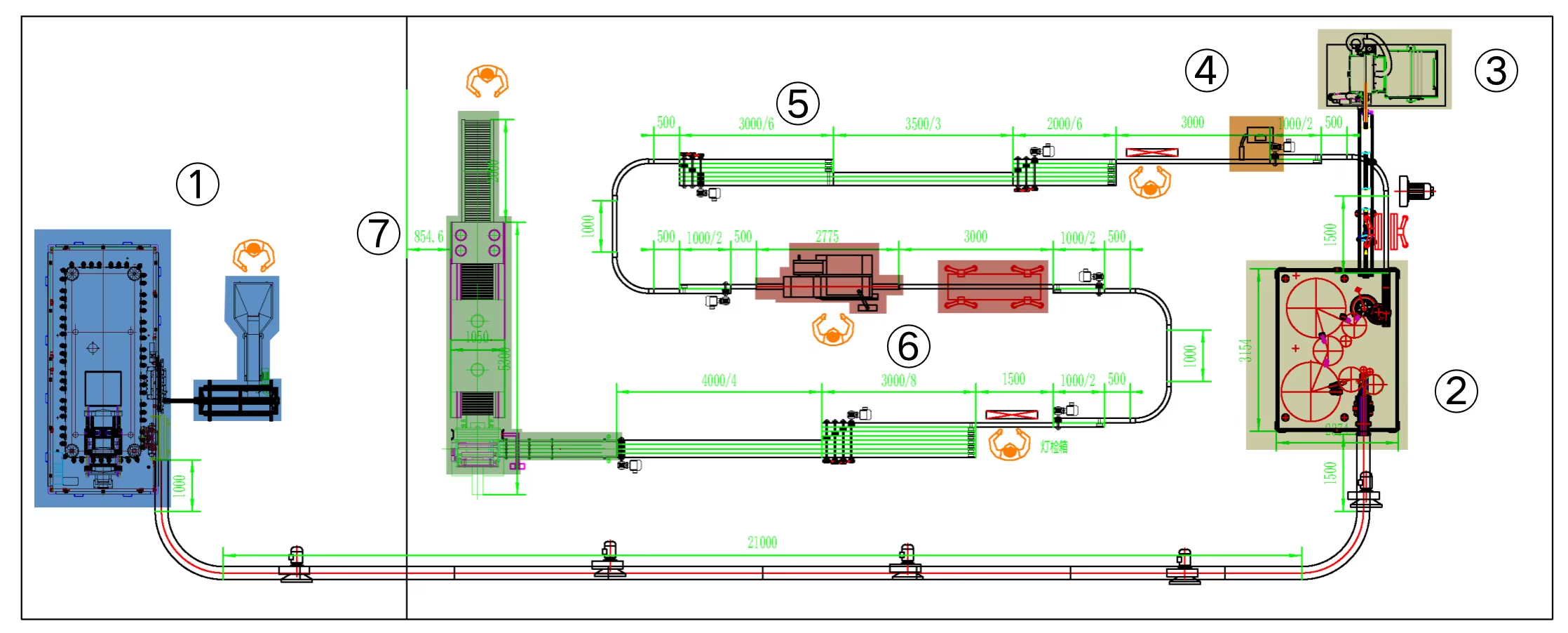
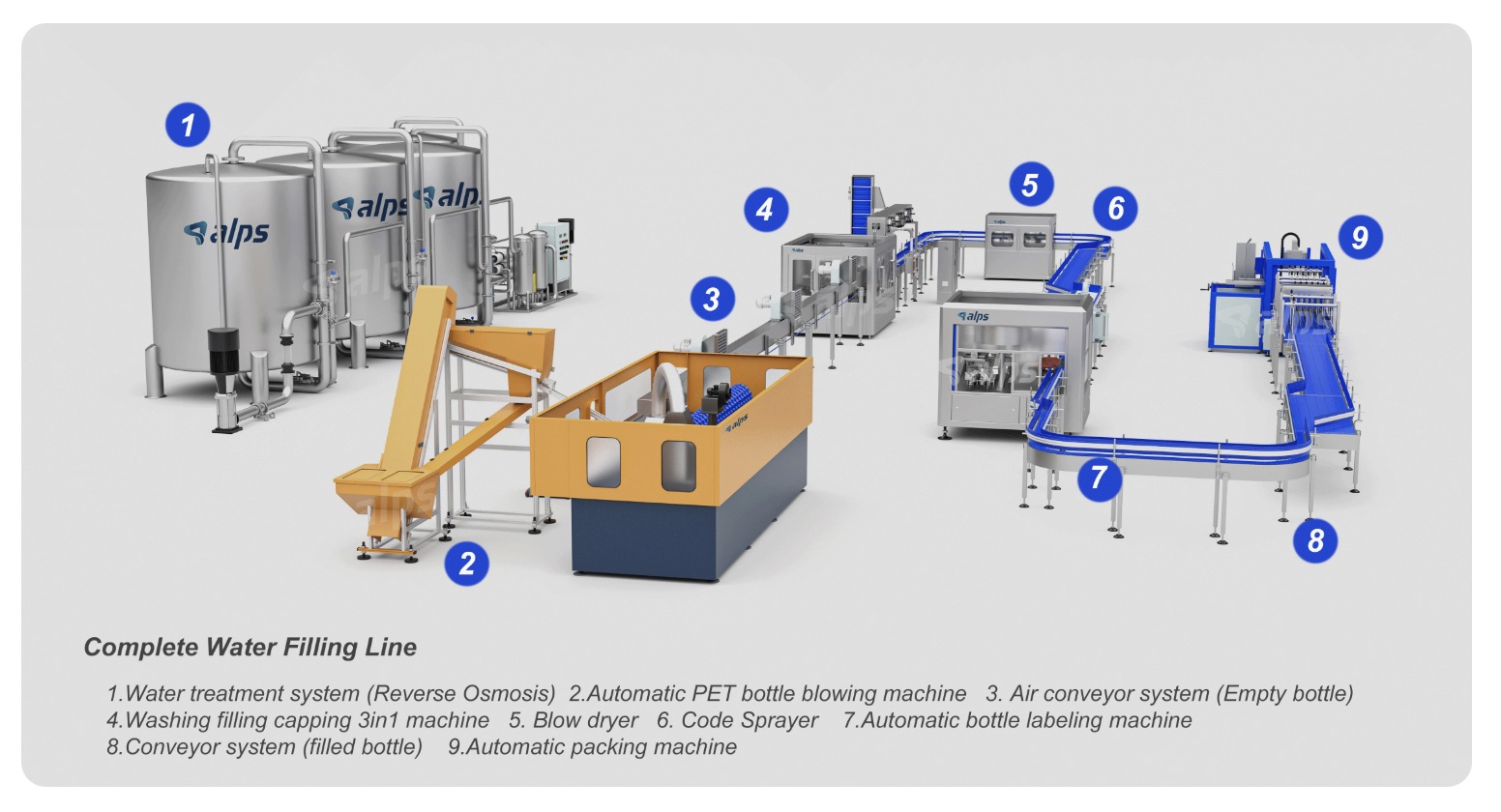
Sin este equipo, la producción automatizada a gran escala no sería posible. Las máquinas de llenado y taponado no solo mejoran la velocidad de producción, sino que también garantizan la uniformidad, la higiene y la seguridad del producto. En plantas totalmente automatizadas, suelen estar integradas con sistemas previos, como el tratamiento de agua, y sistemas posteriores, como las líneas de etiquetado y envasado.
Este artículo explica qué es una máquina de llenado y taponado , cómo funciona, sus componentes principales, tipos, aplicaciones y cómo se integra en los sistemas de producción modernos.
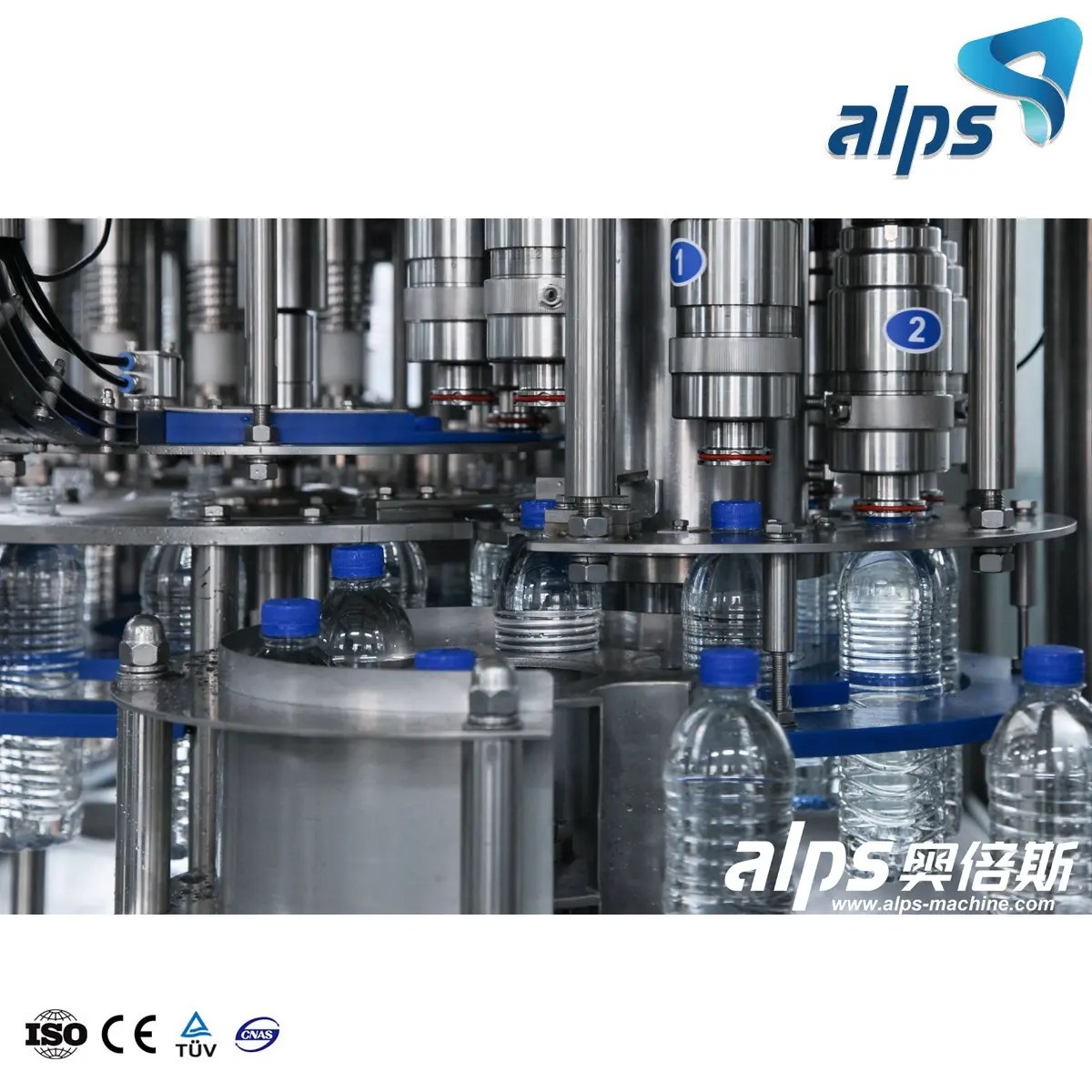
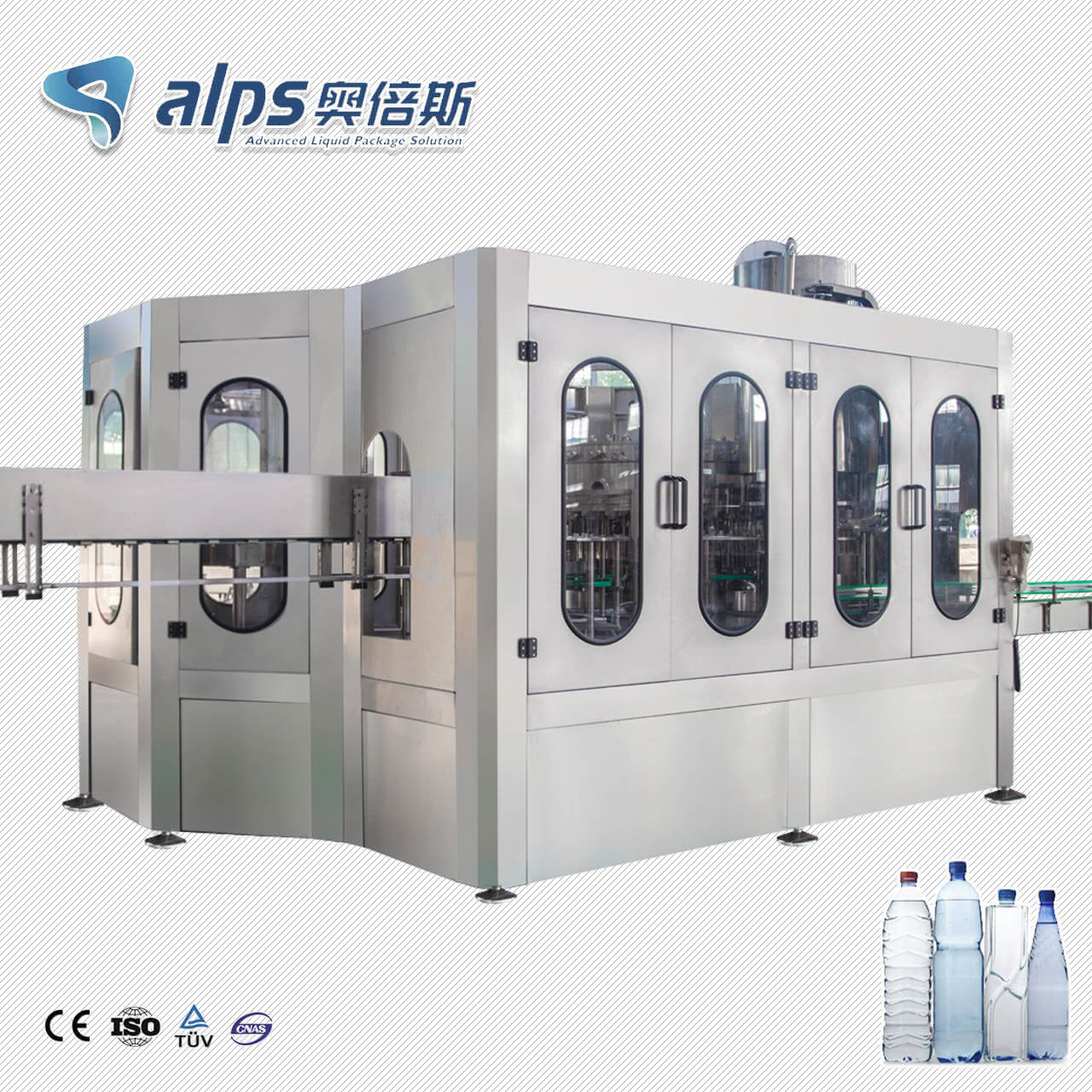
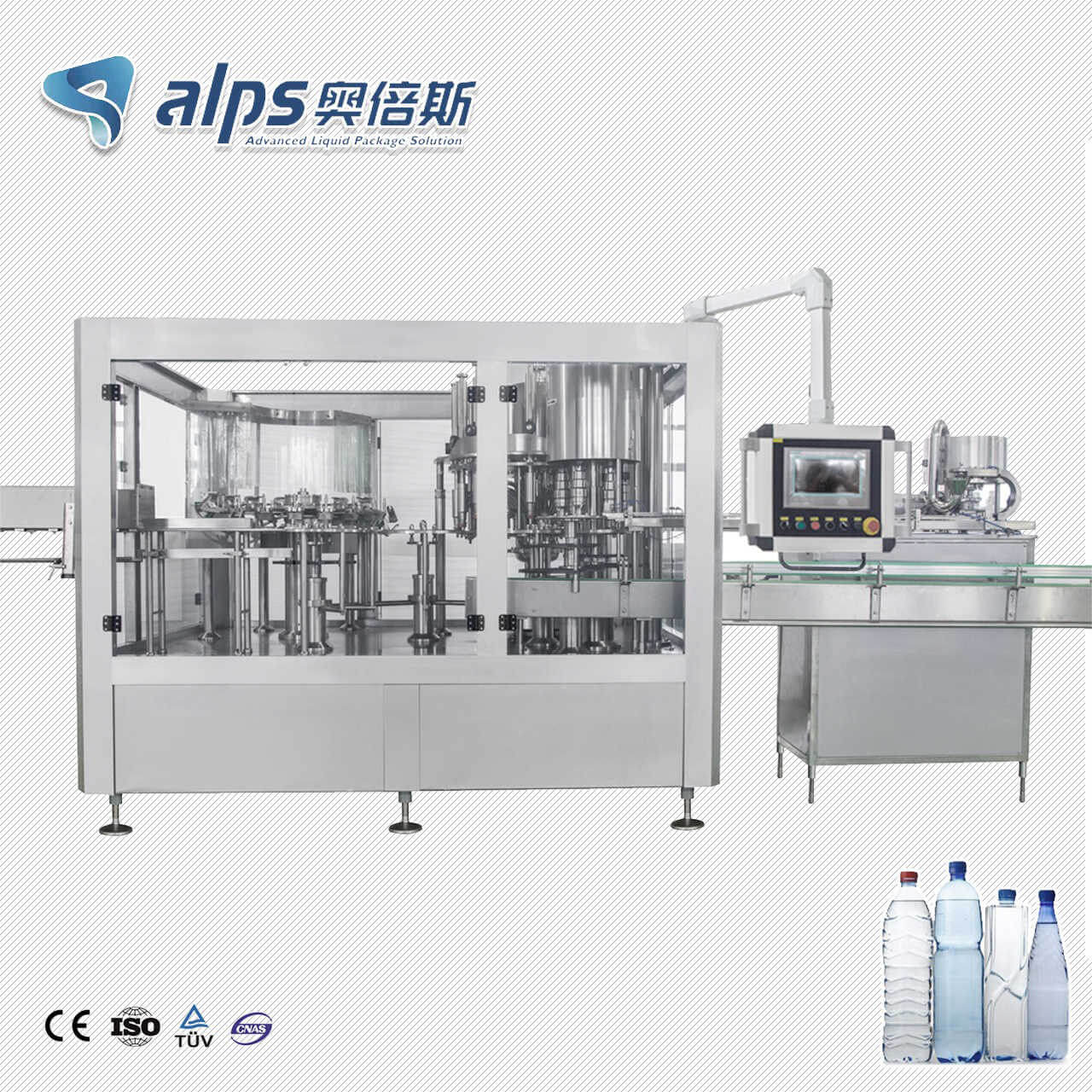
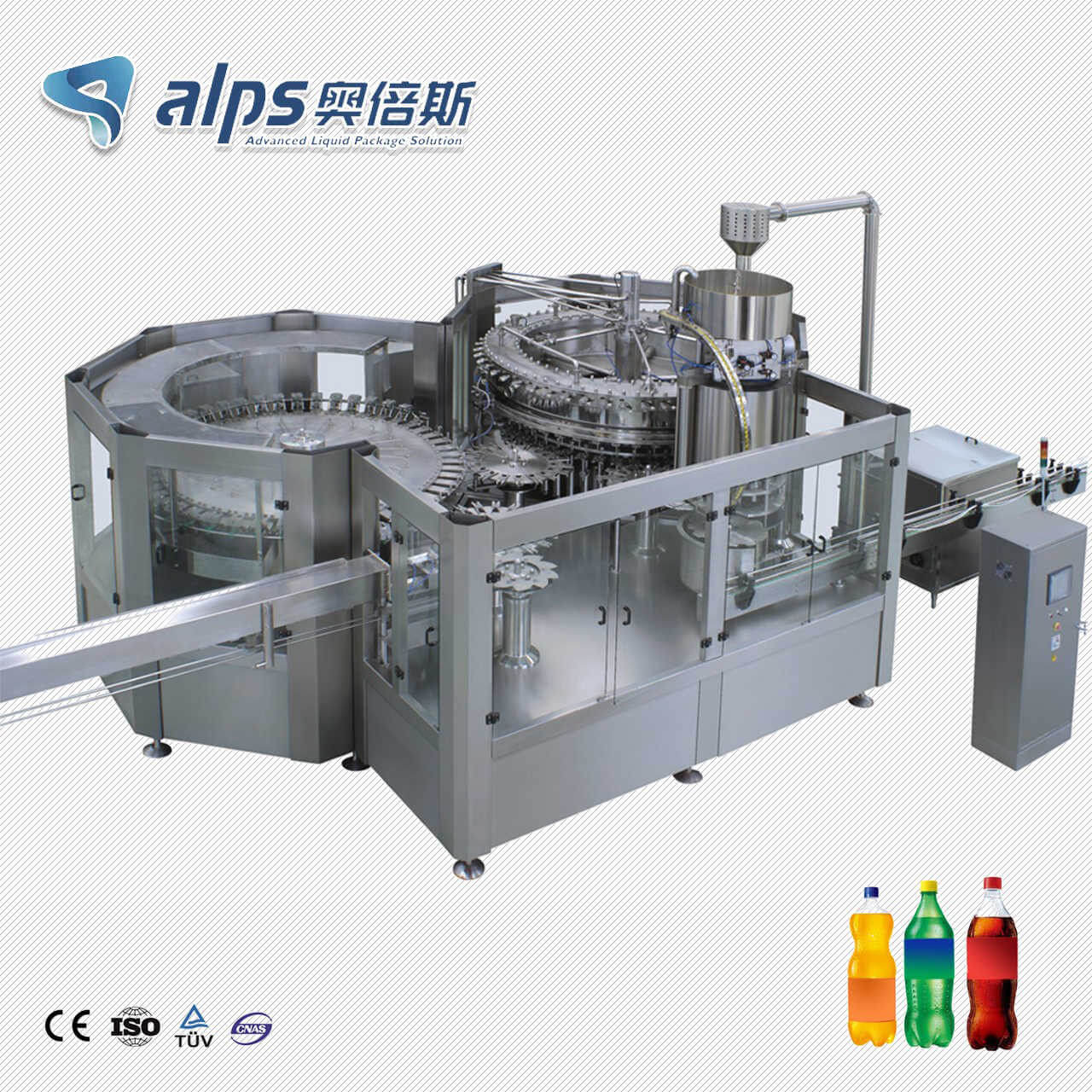
Una máquina de llenado y taponado es un sistema automatizado o semiautomatizado diseñado para llenar líquidos en botellas o recipientes y luego sellarlos con tapas. Combina dos procesos de envasado esenciales:
Llenado de líquidos (medición y dosificación del producto en envases)
Tapado (sellado de envases con tapas, tapones o cierres)
Estas máquinas se utilizan ampliamente en industrias que requieren la producción en masa de productos embotellados, como agua mineral, refrescos, zumos, aceites comestibles, salsas, productos farmacéuticos y cosméticos.
El objetivo principal de estas máquinas es:
Mejorar la eficiencia de la producción
Mantener una precisión de llenado constante
Garantizar condiciones higiénicas de envasado
Reducir la dependencia del trabajo manual
Apoyar la producción industrial a gran escala
En las plantas de producción modernas, las máquinas de llenado y taponado suelen formar parte de una línea totalmente automatizada conectada con máquinas de soplado de botellas, máquinas de etiquetado e incluso sistemas de tratamiento de agua.
El proceso de funcionamiento de una máquina de llenado y taponado está altamente automatizado y sigue un flujo de producción continuo.
Las botellas vacías se transportan al sistema mediante una cinta transportadora. Se alinean y posicionan automáticamente mediante ruedas dentadas o rieles guía. Esto garantiza que cada botella se coloque correctamente para su llenado.
Una vez colocadas las botellas, el sistema de llenado comienza a dispensar el líquido en cada envase. El método de llenado depende del diseño de la máquina y de las características del producto. Los métodos más comunes incluyen el llenado por gravedad, el llenado por pistón y el llenado por rebosadero.
El sistema garantiza que cada botella reciba el volumen exacto necesario, reduciendo el desperdicio de producto y manteniendo la uniformidad.
Las tapas se introducen automáticamente en el sistema mediante un clasificador o elevador de tapas. Se colocan en la orientación correcta antes de ser entregadas a la estación de taponado.
Tras el llenado, las botellas pasan a la sección de taponado. La máquina coloca y aprieta las tapas mediante sistemas de torsión mecánicos o neumáticos. Esto garantiza un cierre hermético que evita fugas y contaminación.
Las botellas terminadas se transportan fuera de la máquina. Muchos sistemas modernos incluyen funciones de inspección como:
detección de presencia de tapa
Sensores de nivel de llenado
Sistemas de rechazo para botellas defectuosas
Esto garantiza que solo los productos que cumplen los requisitos pasen a la fase de envasado.
Una máquina de llenado y taponado se compone de varios sistemas integrados que trabajan conjuntamente.
Esta es la unidad principal encargada de medir y dispensar líquidos en los recipientes. Puede diseñarse para diferentes tipos de productos, desde agua y bebidas hasta líquidos viscosos como salsas o aceites.
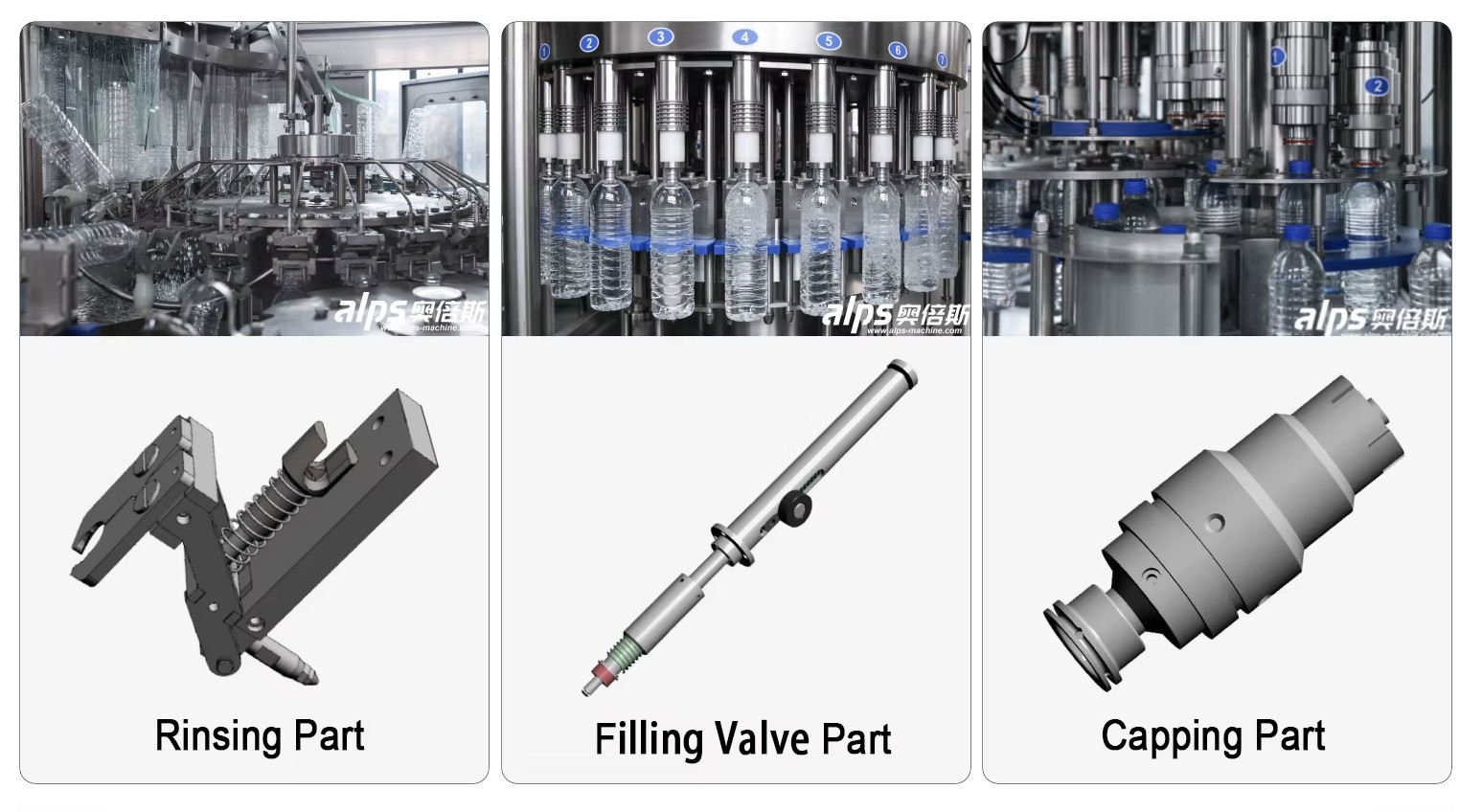
La unidad de taponado garantiza que las botellas queden bien selladas. Puede incluir taponadoras de rosca, taponadoras de presión o cabezales de sellado especializados, según el tipo de tapón.
La cinta transportadora traslada las botellas a través de cada etapa de producción. Garantiza un movimiento fluido y continuo entre el llenado, el taponado y los procesos posteriores.
El PLC (Controlador Lógico Programable) gestiona el funcionamiento de la máquina, permitiendo un control preciso de los volúmenes de llenado, la velocidad y la sincronización entre las diferentes secciones.
Los sensores detectan la posición de la botella, la presencia del tapón y el nivel del líquido. Estos dispositivos garantizan la precisión y evitan errores durante la producción.
La máquina suele estar fabricada con acero inoxidable para garantizar su durabilidad e higiene, especialmente en aplicaciones de la industria alimentaria y de bebidas.
Las máquinas de llenado se diseñan en función de las características del producto y los requisitos de producción.
Máquinas de llenado por gravedad
Se utiliza principalmente para líquidos de baja viscosidad, como agua y zumo. El líquido fluye hacia los recipientes por gravedad.
Máquinas de llenado de pistón
Ideal para productos espesos o viscosos como salsas, cremas o aceites. Su mecanismo de pistón garantiza un control preciso del volumen.
Máquinas de llenado al vacío
Se utiliza para botellas de vidrio o productos que requieren niveles de llenado precisos, a menudo en la industria vinícola o de bebidas.
Máquinas de llenado de desbordamiento
Es habitual en la producción de agua embotellada que todas las botellas se llenen hasta el mismo nivel visible para lograr una uniformidad estética.
Sistemas de llenado controlados por servomotor
Sistemas avanzados que ofrecen alta precisión y flexibilidad para diferentes tamaños de botellas y tipos de líquidos.
Las máquinas taponadoras varían según el diseño de la tapa y los requisitos de sellado.
Máquinas taponadoras de tornillo
El tipo más común, utilizado para tapones de rosca en las industrias del agua, las bebidas y los productos químicos.
Máquinas taponadoras ROPP
Se utiliza para tapones de aluminio, que se encuentran habitualmente en envases de vino y productos farmacéuticos.
Máquinas taponadoras a presión
Se utilizan para tapones a presión, frecuentemente en las industrias láctea y cosmética.
Máquinas de corcho
Sistemas especializados para sellar botellas de vino con tapones de corcho.
Sistemas automáticos frente a sistemas semiautomáticos
Las máquinas automáticas son adecuadas para la producción a gran escala, mientras que los sistemas semiautomáticos se utilizan para líneas de producción pequeñas o medianas.
Las máquinas de llenado y taponado son esenciales en muchas industrias.
Producción de agua embotellada
Se utiliza para el llenado de agua purificada y el sellado de botellas en líneas de producción de agua de alta velocidad.
Industria de las bebidas
Los refrescos, los zumos, las bebidas energéticas y las infusiones dependen de sistemas automatizados de llenado y taponado.
Industria láctea
La leche, las bebidas de yogur y los productos lácteos aromatizados requieren entornos de envasado higiénicos.
Envases de aceite comestible
Las máquinas de llenado de alta precisión garantizan un control exacto del volumen de los productos de aceite de cocina.
Industria farmacéutica
Se utiliza para jarabes, medicamentos líquidos y desinfectantes con estrictos requisitos de higiene.
Cosméticos y productos químicos
Los champús, las lociones, los detergentes y los líquidos de limpieza se envasan habitualmente utilizando estas máquinas.
Los sistemas automatizados modernos ofrecen varias ventajas clave.
Alta eficiencia de producción
La automatización aumenta significativamente la velocidad de producción y reduce el trabajo manual.
Control de llenado preciso
Los sistemas avanzados garantizan que cada botella reciba el volumen correcto, reduciendo así el desperdicio.
Estándares de higiene mejorados
La construcción en acero inoxidable y los sistemas cerrados reducen los riesgos de contaminación.
Costos laborales más bajos
La automatización reduce la necesidad de grandes equipos de trabajo manual.
Fácil integración
Las máquinas de llenado y taponado pueden integrarse con los sistemas de etiquetado, envasado y producción previa.
La elección de la máquina adecuada depende de varios factores.
Tipo de Producto
Los distintos líquidos requieren diferentes tecnologías de llenado en función de su viscosidad y características de formación de espuma.
Especificaciones de la botella y el tapón
El diseño de la máquina debe coincidir con el tamaño, la forma y el tipo de tapón de la botella.
Capacidad de Producción
Las fábricas de alta producción requieren sistemas de alta velocidad totalmente automatizados.
Nivel de automatización
Las opciones van desde líneas de producción semiautomáticas hasta totalmente automatizadas.
Normas de higiene y materiales
El acero inoxidable apto para uso alimentario y un diseño higiénico son esenciales para las industrias de bebidas y farmacéutica.
Servicio y soporte
Un soporte técnico y unos servicios de mantenimiento fiables son fundamentales para el funcionamiento a largo plazo.
Una máquina de llenado y taponado es un componente clave en la producción moderna de envases automatizados. Garantiza un llenado preciso de líquidos, un sellado seguro y un funcionamiento eficiente a alta velocidad en una amplia gama de industrias. A medida que la fabricación avanza hacia la automatización y los sistemas de producción integrados, estas máquinas desempeñan un papel cada vez más importante en la mejora de la productividad, la reducción de costes y el mantenimiento de la calidad del producto.
En la industria actual de bebidas y agua embotellada, las máquinas de llenado y taponado suelen integrarse con los sistemas de tratamiento de agua y las líneas de envasado para crear soluciones llave en mano totalmente automatizadas. Esta integración permite a los fabricantes lograr una mayor eficiencia, un mejor control de la higiene y una producción más estable.
Como fabricante profesional de equipos, Alps Machine ofrece soluciones integrales que incluyen máquinas de llenado y taponado, sistemas de tratamiento de agua, máquinas de soplado de botellas , equipos de etiquetado y líneas de producción totalmente integradas. Al combinar tecnología de automatización avanzada con un diseño de ingeniería fiable, Alps Machine ayuda a sus clientes a construir sistemas de producción eficientes, estables y escalables para la industria global de bebidas y envases.


Al continuar utilizando el sitio, usted acepta nuestra política de privacidad y nuestros Términos y Condiciones.